Montana OHV Injury Claims After a Crash
An off-highway vehicle (OHV) crash in the beautiful, rugged terrain of Montana can turn a day of adventure into a nightmare in a heartbeat. The immediate aftermath is often a whirlwind of adrenaline, confusion, and fear, especially when injuries are involved. Trying to figure out what to do next, who is responsible, and how to get compensation for medical bills, lost wages, and pain can feel overwhelming when you're also trying to recover. This comprehensive guide is here to walk you through the process of navigating Montana OHV injury claims after an accident, helping you understand your rights and the steps you need to take.
Immediate Steps After an OHV Crash in Montana
When an OHV accident happens, whether you're out on a designated trail in the Lolo National Forest or just cruising a gravel road near your ranch in Eastern Montana, the first few minutes can be chaotic. But taking the right immediate steps is absolutely critical, not just for your health, but also for any potential injury claim down the line.
Prioritizing Safety and Medical Attention
Your well-being, and that of anyone else involved, always comes first. Before you even think about anything else, you need to assess the situation for injuries. Even if you feel "fine" in the immediate shock, adrenaline can be a powerful masker of pain.
If anyone is clearly injured or unresponsive, your immediate priority is to call 911 or your local sheriff's department. In many remote parts of Montana, cell service can be spotty, so consider carrying a satellite messenger or knowing where the nearest landline might be. Be prepared to give clear, concise information about your location, the number of people injured, and the apparent severity. Do not move anyone who is seriously injured unless there's an immediate threat to their life, like a burning vehicle or imminent rockfall. Moving someone with a spinal injury could cause far more harm.
Even if injuries seem minor, or if you only feel a little "sore," it's always wise to get checked out by a medical professional. Whiplash, concussions, internal injuries, and even fractures can take hours or days to fully manifest. A visit to an urgent care clinic or your primary care doctor creates an official record of your injuries, which will be vital for any claim. Skipping this step can make it much harder later to prove that your injuries were directly caused by the accident. Your health is not something to gamble with, especially in the remote Montana backcountry where trails can be miles from immediate help.
Documenting the Scene and Gathering Information
Once immediate safety and medical needs are addressed, if you are able, documenting the scene becomes crucial. This is where evidence collection begins, and it can significantly impact the strength of your injury claim. Think of yourself as an impromptu detective.
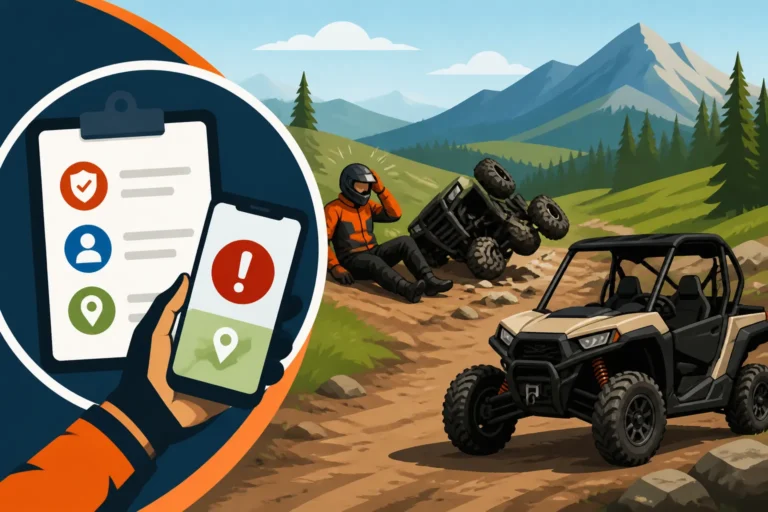
Start by taking as many photos and videos as possible with your phone. Capture the overall scene, the position of the OHVs, any damage to the machines (including specific parts, even aftermarket ones from a brand like SuperATV), tire marks, road or trail conditions, weather, and any hazards that might have contributed to the crash. Don't forget to photograph your injuries, as well as those of any passengers. The more visual evidence you have, the better.
If other parties were involved, or if there were witnesses, gather their contact information – names, phone numbers, and email addresses. Get their insurance details if they were operating another OHV. Note down the specific location of the accident, using landmarks, trail names, mile markers, or GPS coordinates. A law enforcement report, often filed by the county sheriff or Montana Highway Patrol, will also be an invaluable piece of documentation. They will investigate and create an official record of the accident, which includes details of who was involved, their statements, and any citations issued. You'll want to get a copy of this report as soon as it's available. Remember, details matter, especially when it comes to [Montana OHV Crash Reporting].
Understanding Insurance and Liability in Montana OHV Accidents
After the initial shock wears off, the reality of medical bills and potential property damage sets in. This is where understanding insurance and liability becomes paramount. Navigating the complexities of who pays for what, especially when injuries are involved, requires a clear grasp of how OHV insurance works in Montana.
Your Own Insurance Coverage
Many Montana OHV enthusiasts might be surprised to learn that their standard auto insurance policy or even their homeowner's policy often does not cover accidents that occur off-road. This means that if you're riding your quad on a forest service trail or your side-by-side on private land, you need a dedicated OHV insurance policy. These policies are specifically designed to cover the unique risks associated with off-highway vehicle use.
A good OHV policy typically includes several key coverages that are vital for injury claims. Liability coverage protects you if you're at fault for an accident that causes injury or damage to others. Medical payments coverage can help with your own immediate medical expenses, regardless of fault. Uninsured/underinsured motorist coverage is also crucial, especially in Montana where not everyone carries adequate insurance; it protects you if the at-fault party doesn't have enough (or any) insurance to cover your injuries. Always review your policy to understand your specific coverages. If you're unsure, now is the time to call your agent. For more details, you can always check out resources on [Insuring an ATV in Montana].
Here’s a quick overview of common OHV insurance coverages:
| Coverage Type | What It Generally Covers | Importance for Injury Claims |
|---|---|---|
| Bodily Injury Liability | Injuries you cause to others in an at-fault accident. | Pays for the other party's medical bills, lost wages, and pain & suffering if you are at fault. |
| Property Damage Liability | Damage you cause to another person's property. | Crucial for damage to another OHV, vehicle, or fence. |
| Medical Payments (MedPay) | Medical expenses for you and your passengers, regardless of fault. | Provides immediate funds for medical treatment, deductibles, and co-pays. |
| Uninsured/Underinsured Motorist | Your injuries and damages if the at-fault driver has no or insufficient insurance. | Vital protection against riders without adequate coverage. |
| Collision | Damage to your own OHV, regardless of who is at fault. | Helps repair or replace your machine, including aftermarket parts from SuperATV. |
| Comprehensive | Damage to your OHV from non-collision incidents (theft, fire, vandalism, etc.). | Protects your investment, but less relevant for direct collision injury claims. |
When Another Party is At Fault
If another rider's negligence or reckless behavior caused your OHV accident and subsequent injuries, then their insurance (or potentially their personal assets if they are uninsured) would be the primary source of compensation. Proving negligence is key here. This could involve demonstrating that they were speeding, riding erratically, violating [Montana OHV Rules for Riding on the Road], not paying attention, or even operating a poorly maintained machine.
Common scenarios where another party might be at fault include: a rider losing control and swerving into your path, a group riding too close together, or someone not yielding the right-of-way. The law enforcement report, witness statements, and photos from the scene will all be critical in establishing fault. Their insurance company would then typically process the claim for your medical expenses, lost income, and pain and suffering. However, dealing with another party's insurance can be challenging, as their priority is often to minimize their payout. This is why having all your ducks in a row with evidence is so important.
Shared Fault and Comparative Negligence
Montana operates under a "modified comparative negligence" rule, which can significantly impact your injury claim if you are found to be partially at fault for the accident. Essentially, this rule states that if you are more than 50% responsible for the accident, you cannot recover any damages from the other party. If you are 50% or less at fault, your compensation will be reduced by your percentage of fault.
For example, if you sustained $100,000 in damages (medical bills, lost wages, etc.), but the investigation determines you were 20% at fault for the accident (perhaps you were also speeding slightly, or your [Montana Helmet Rules for Riders Under 18] were not fully met), you would only be able to recover $80,000 from the other party. This aspect of Montana law makes a thorough investigation and clear evidence even more vital. Insurance companies will often try to assign as much fault as possible to you to reduce their payout, so understanding how this works is a critical piece of the puzzle. It's not uncommon for OHV accidents to have shared blame, as multiple factors can contribute to a collision on a dusty trail or a winding county road.
Navigating the Injury Claim Process
Once the immediate aftermath is handled, the real work of navigating the injury claim begins. This can be a long, drawn-out process, especially when you're also trying to heal from your injuries. It’s important to approach it systematically and strategically.
Initial Contact with Insurance Companies
After an OHV crash, you’ll likely find yourself talking to insurance adjusters – both from your own company and possibly the other party’s. It's crucial to be cautious and measured in these conversations. While you need to report the accident promptly to your own insurer, be very careful about what you say, particularly to the other party's insurance company. Their adjusters are trained to gather information that can minimize their company's liability.
You should provide factual information about the date, time, and location of the accident, and the parties involved. However, avoid speculating about fault, minimizing your injuries, or giving a recorded statement without first consulting with an attorney. You might inadvertently say something that could be used against your claim later. Simply state that you've sustained injuries and are seeking medical treatment. Let your medical records speak for themselves. The less you say initially, the better, especially when adrenaline might still be clouding your judgment about the extent of your injuries.
Documenting Your Injuries and Treatment
This is arguably the most critical part of an injury claim: meticulous documentation of your injuries and all related treatment. Every doctor's visit, every physical therapy session, every prescription, and every medical bill needs to be carefully recorded and saved. Think of it as building a comprehensive story of your recovery journey.
Keep a detailed log of your symptoms, pain levels, limitations, and how your injuries are impacting your daily life. This isn't just about showing the medical costs; it's about demonstrating the full impact of the accident, including "pain and suffering," emotional distress, and changes to your quality of life. If you've missed work due to your injuries, keep records of lost wages and any lost opportunities. If you've had to modify your home or vehicle, or hire help for tasks you can no longer do, those expenses also count. This detailed record-keeping will be the backbone of your demand for compensation, ensuring that all aspects of your suffering are accounted for. This includes not just immediate recovery but potential future medical needs or rehabilitation that you might require.
When to Seek Legal Counsel
For many people, the thought of hiring an attorney can be intimidating, but in the complex world of personal injury claims, legal counsel can be an invaluable asset. If you've sustained anything more than very minor injuries, or if there's any dispute about fault, getting a Montana personal injury attorney on your side is highly recommended.
Attorneys specializing in OHV accidents understand the nuances of Montana's laws, including comparative negligence rules and specific OHV regulations. They can gather evidence, interview witnesses, negotiate with aggressive insurance adjusters, and ensure that all aspects of your damages are properly calculated and pursued. Often, initial consultations are free, giving you a chance to discuss your case without any obligation. An attorney can explain your rights, outline the legal process in Montana, and fight to get you the fair compensation you deserve, allowing you to focus on your recovery. They know the tricks insurance companies use and can effectively counter them, ensuring you don't get short-changed. This expertise can be critical in situations where [Who Pays After a Montana OHV Collision] becomes a contentious issue.
Common Challenges and Important Considerations
Even with the best preparation, navigating an OHV injury claim can throw a lot of curveballs. It's important to be aware of the challenges you might face and some crucial considerations that can affect the outcome of your claim.
Dealing with Difficult Insurance Companies
Let's be realistic: insurance companies are businesses, and their goal is to minimize payouts. This can often translate into tactics that feel unfair or frustrating, especially when you're already vulnerable due to your injuries. You might encounter adjusters who are slow to respond, question the severity of your injuries, or try to offer a quick, low-ball settlement before you fully understand the long-term impact of your accident.
They might even attempt to shift blame onto you or argue that your injuries were pre-existing. This is where your meticulous documentation, medical records, and potentially an attorney's involvement become crucial. It's a challenging situation to be in when you're trying to heal, and the stress of battling insurance can sometimes feel worse than the physical pain. Don't let them intimidate you; stick to the facts, rely on your evidence, and understand that you have rights.
Statute of Limitations in Montana
Montana has specific time limits, known as "statutes of limitations," within which you must file a personal injury lawsuit. For most personal injury claims resulting from an OHV accident, you generally have three years from the date of the injury to file a lawsuit. While this might seem like a long time, it passes quickly, especially when you're undergoing treatment and rehabilitation.
Missing this deadline almost invariably means losing your right to pursue compensation, regardless of the merits of your case. It's why acting quickly after an accident is so important. Even if you're trying to negotiate with an insurance company, keep the statute of limitations in mind as a hard deadline. An attorney can help ensure that all necessary paperwork and legal actions are filed within the correct timeframe, safeguarding your ability to pursue a claim. Staying informed about [Montana OHV Rules That Changed Recently] can also be important, as legal landscapes can shift.
Protecting Your Future and Well-being
Beyond the immediate financial aspects, an OHV accident can have lasting physical and emotional consequences. Protecting your future means considering not just the bills you have now, but potential long-term medical care, future lost earning capacity, and the emotional toll the experience has taken. Physical therapy, ongoing pain management, or even counseling for post-traumatic stress are all valid components of an injury claim.
It's also a time to consider safety upgrades for your machine. After an accident, many riders reflect on how they can prevent future incidents. Products from a brand like SuperATV, for instance, offer robust aftermarket protection like full skid plates, heavy-duty bumpers, or stronger roll cages that can enhance safety and peace of mind on the trails. Ultimately, protecting your future also means making informed decisions about your riding habits, potentially even adjusting where you ride, based on the lessons learned from the accident. Your health, both physical and mental, is your most valuable asset, and ensuring its protection should be at the forefront of every decision you make after an OHV injury.
Disclaimer
This article is for general informational purposes only and does not constitute professional advice. Laws, prices and regulations vary by location and change over time. Consult a qualified professional for guidance on your specific situation.