Ruts and Why a Wet Trail Gets Closed
Montana trail closures prevent vehicle damage and soil erosion when wet soil and tire ruts channel runoff into streams.
The map is not the permission.
National forest and BLM routes, state OHV parks, and club trails crossing private land — with the closures and passes that decide whether today counts.
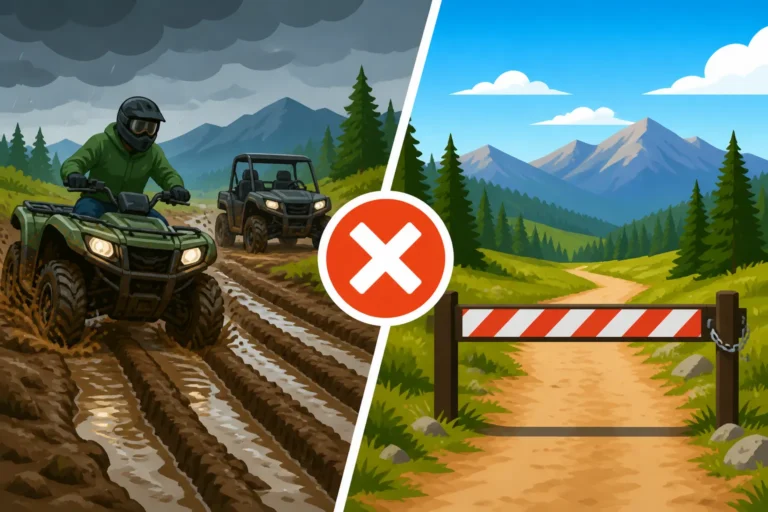
Montana trail closures prevent vehicle damage and soil erosion when wet soil and tire ruts channel runoff into streams.

Montana trail differences help riders match two-track and single-track routes to vehicle widths and legal access.
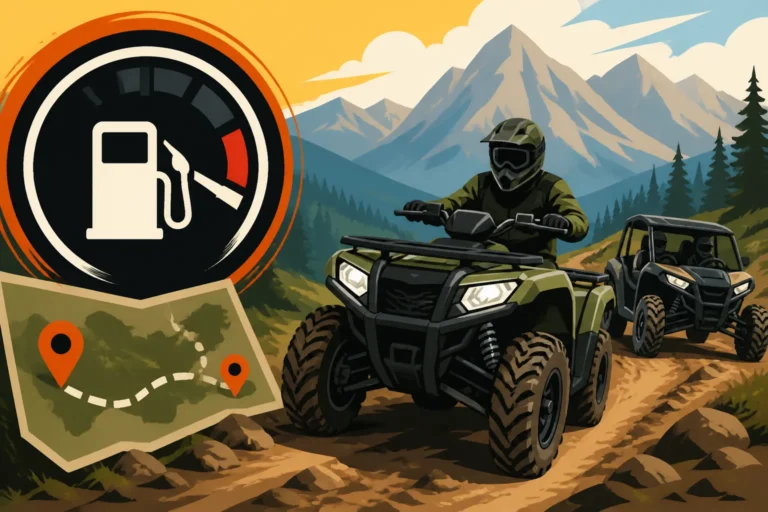
Montana ATV and UTV fuel planning explains how to estimate vehicle range, account for rough terrain, and prepare for remote trail gaps.
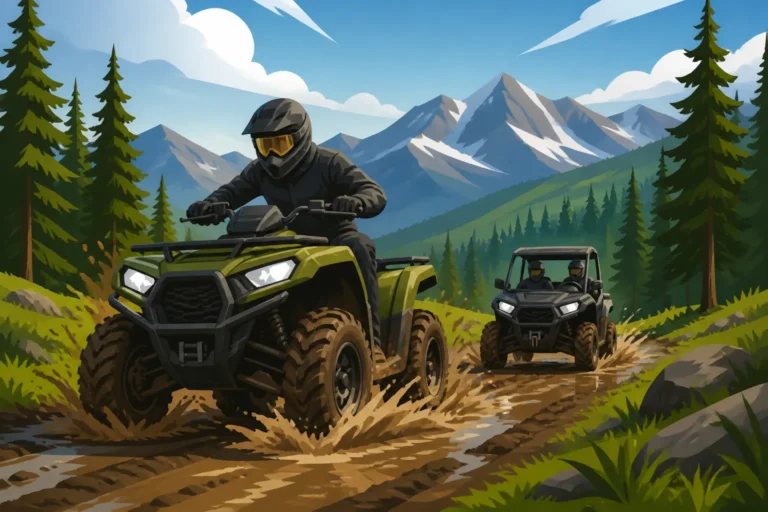
Wet Montana trail riding advice explains how to check wet conditions, confirm access, and decide when to turn around.
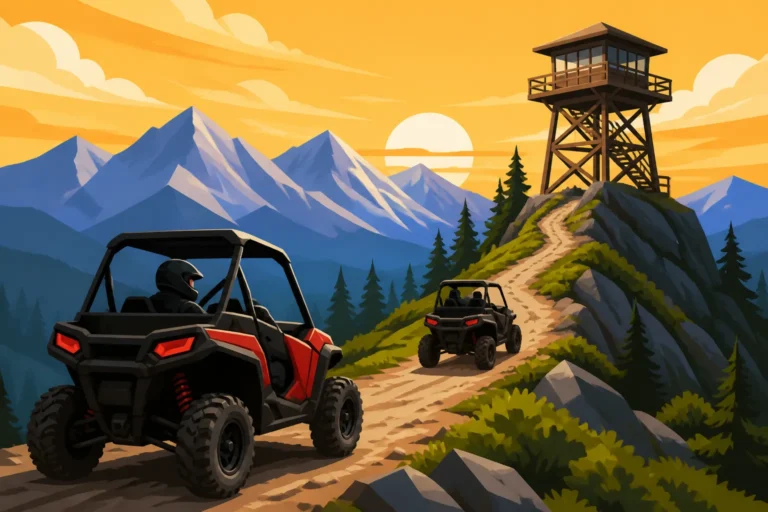
Montana fire lookout tower rides require checking official maps to confirm motorized vehicle access and land rules.
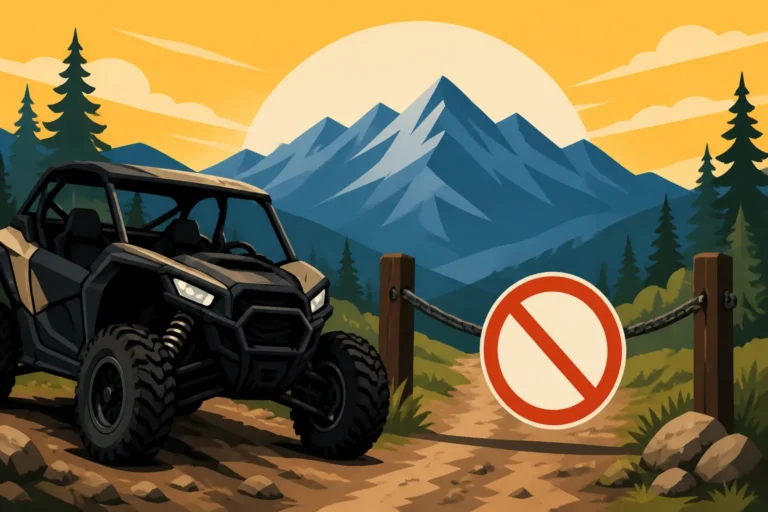
Montana OHV trail closures and status checks explained for riders facing lost motorized access on public lands.
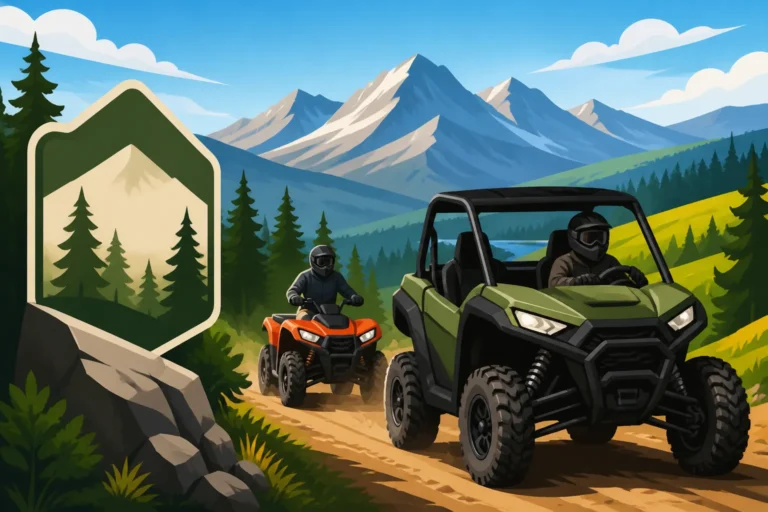
Riding near Montana wilderness boundaries requires checking motor vehicle use maps to confirm open routes and prevent illegal crossings.
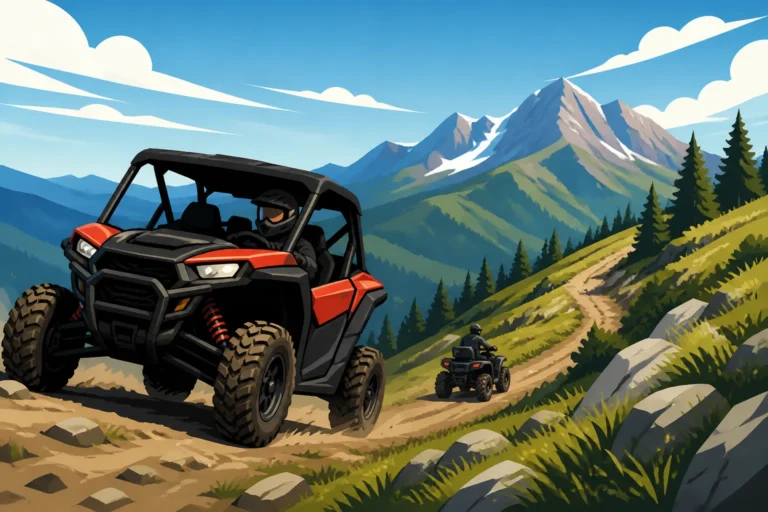
Montana trail elevation gain planning explains how total climbing affects ATV and UTV ride times and machine safety.
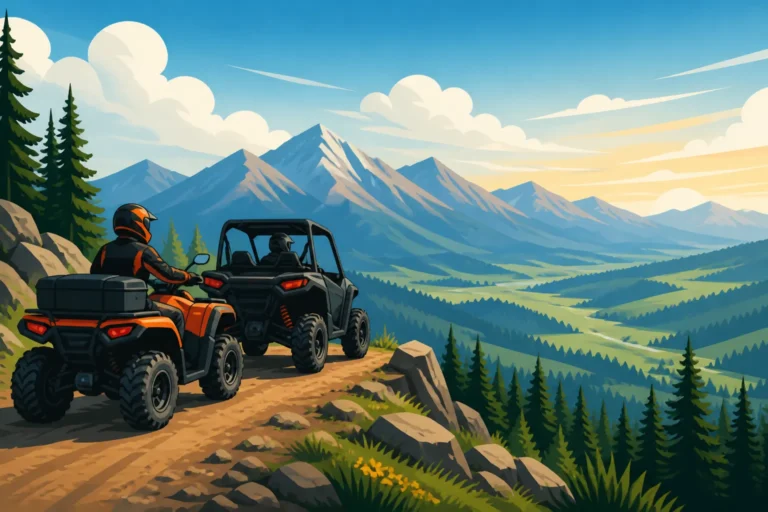
Montana trails with the best overlooks require legal motorized routes, short walks, and checking the Motor Vehicle Use Map.
ATV and UTV riders learn how to confirm trail access, check official maps, and safely navigate Montana burn scars.