Water Crossings on Montana Trails
Montana trail water crossings require assessing current, checking legal status, preparing machines, and knowing when to turn around.
The map is not the permission.
National forest and BLM routes, state OHV parks, and club trails crossing private land — with the closures and passes that decide whether today counts.
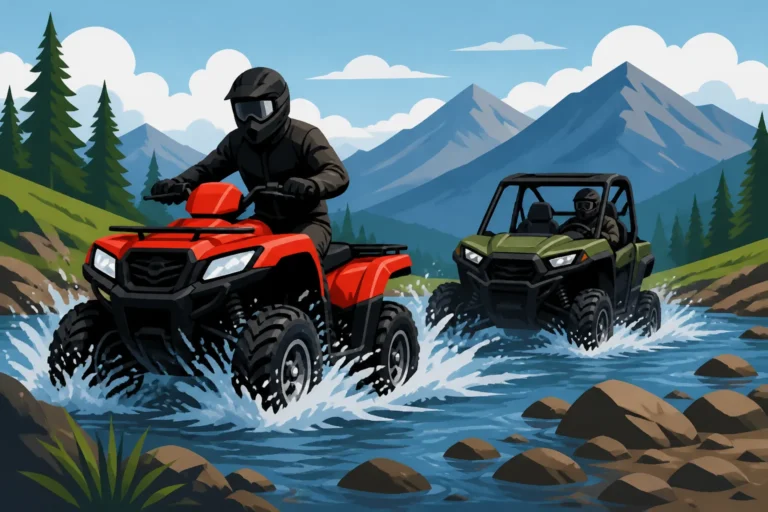
Montana trail water crossings require assessing current, checking legal status, preparing machines, and knowing when to turn around.
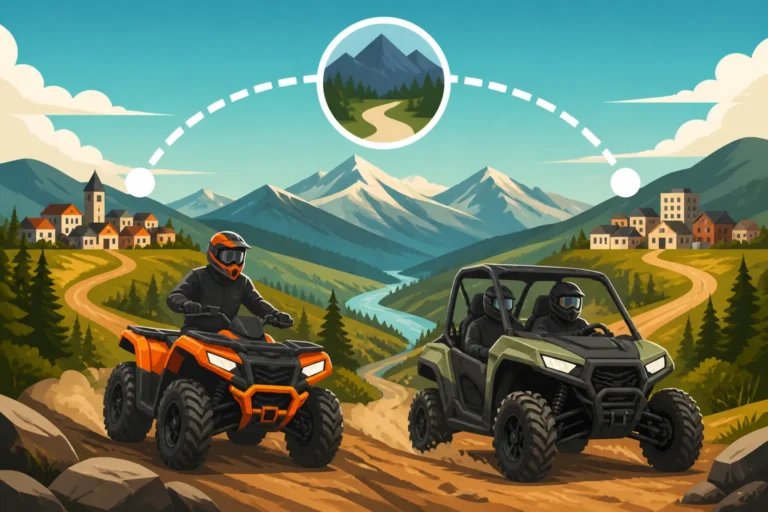
Montana town-to-town OHV routes explain how to verify legal connections, check local rules, and build backup plans for all-terrain vehicles.
Weekday riding on Montana trails offers fewer crowds, allowing you to choose realistic routes, check access rules, and prepare safely.
Montana holiday weekend trail crowds require parking strategies, safe vehicle spacing, and alternative route choices.
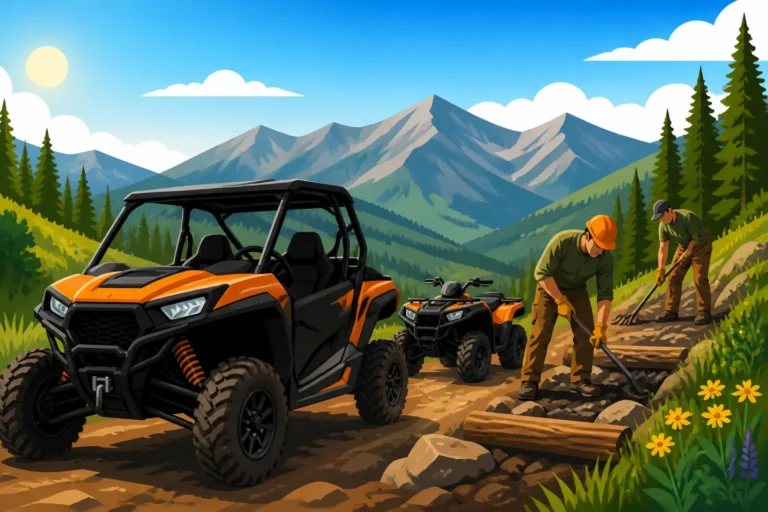
Montana trail maintenance explains who fixes washed out ATV routes, what summer repairs involve, and how to check conditions.
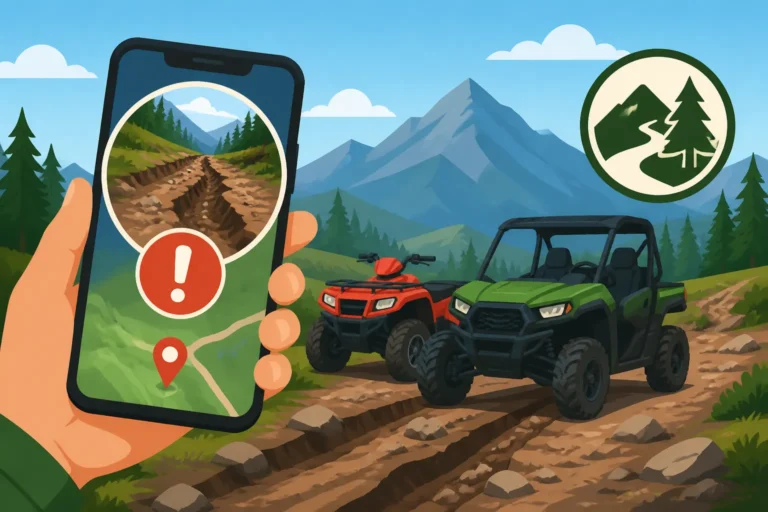
Reporting Montana OHV trail damage requires identifying land managers, documenting hazards, and reporting route issues to the correct agency.
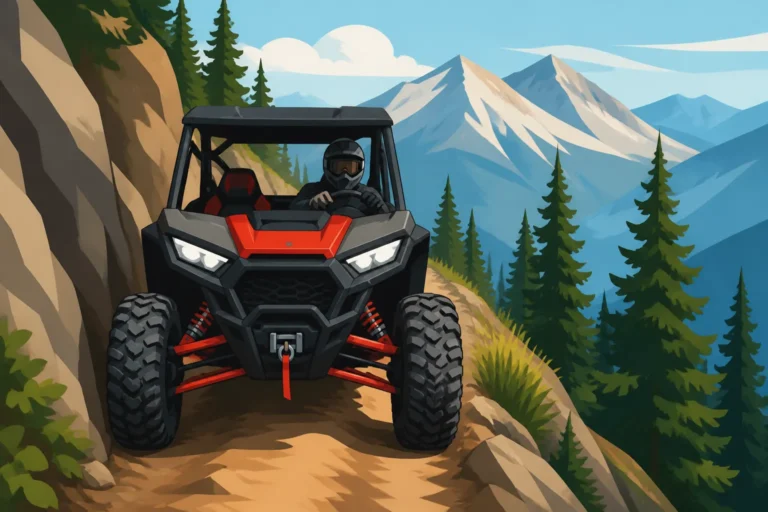
A 64-inch side-by-side vehicle requires checking route access, measuring actual machine width, and evaluating narrow Montana trail conditions.
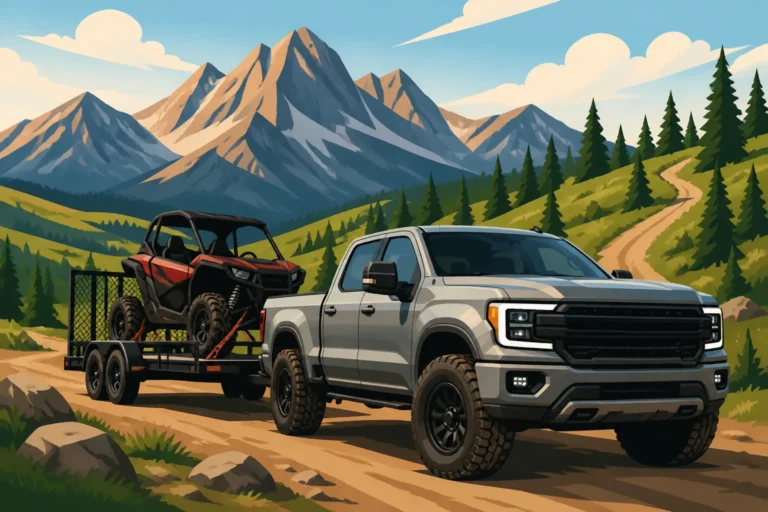
Montana truck routes require careful planning to match vehicle limits, check official designations, and avoid narrow trails.
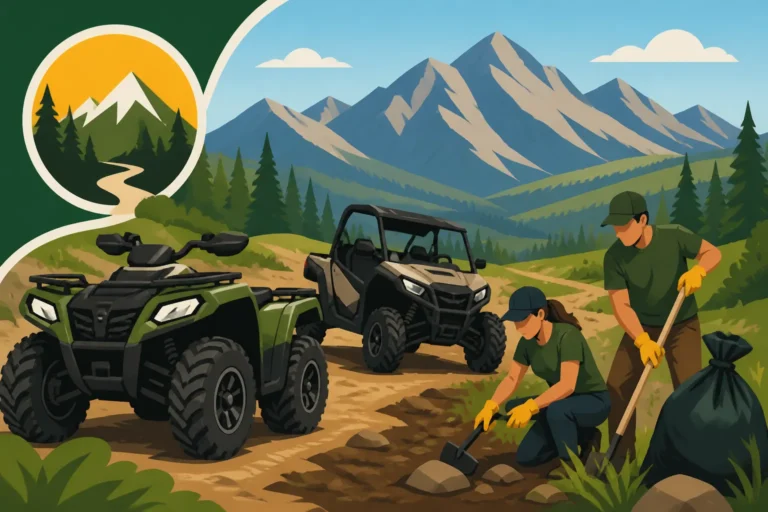
Montana trail adoption and volunteer days help riders maintain routes, report hazards, and coordinate authorized repairs safely.
Montana half-day OHV route planning helps riders choose suitable trails, check machine width limits, and set turnaround times.