Elevation Gain on a Montana Trail Day
Montana trail elevation gain planning explains how total climbing affects ATV and UTV ride times and machine safety.
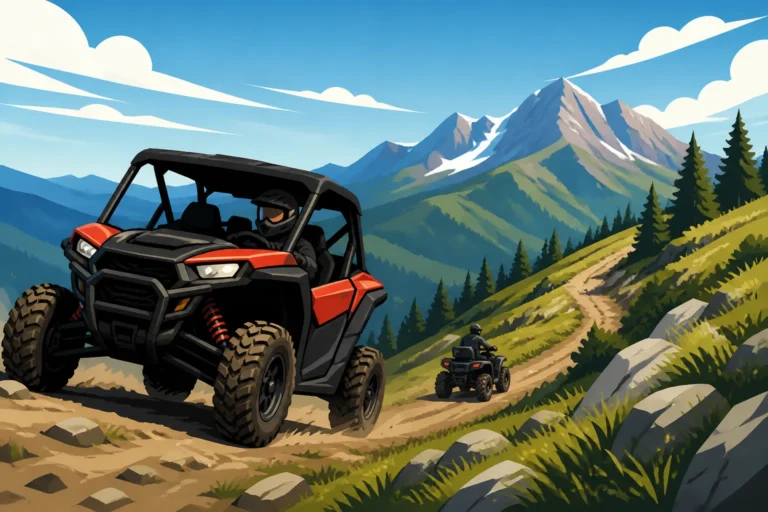
Montana trail elevation gain planning explains how total climbing affects ATV and UTV ride times and machine safety.
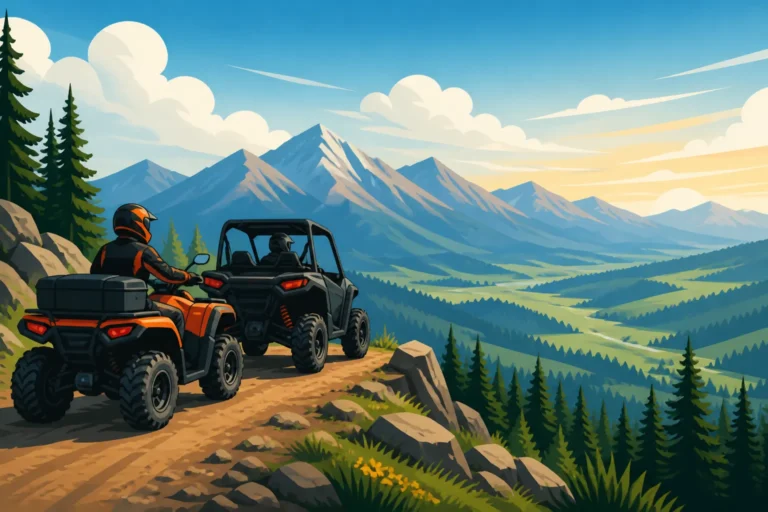
Montana trails with the best overlooks require legal motorized routes, short walks, and checking the Motor Vehicle Use Map.
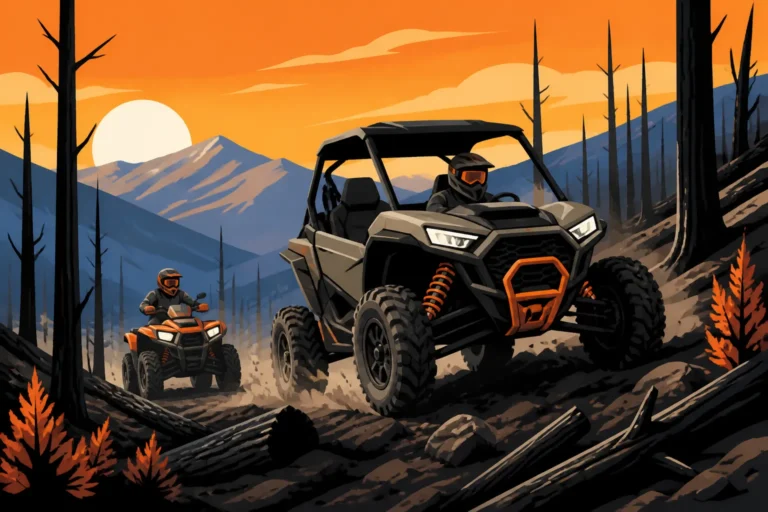
ATV and UTV riders learn how to confirm trail access, check official maps, and safely navigate Montana burn scars.
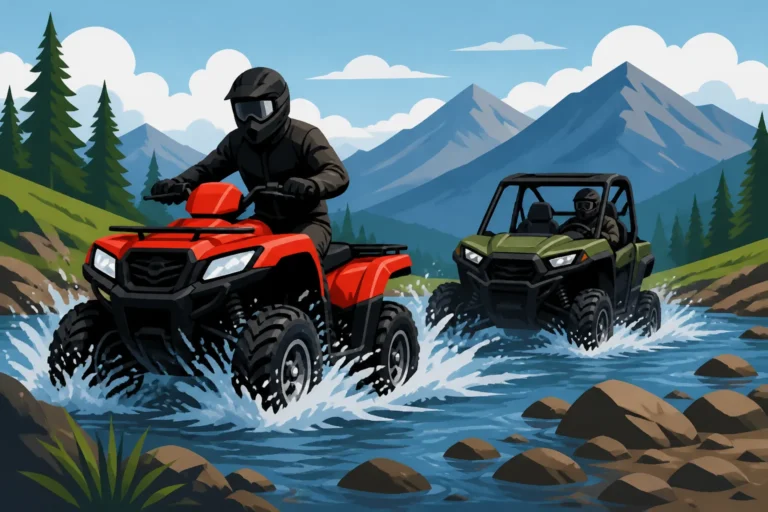
Montana trail water crossings require assessing current, checking legal status, preparing machines, and knowing when to turn around.
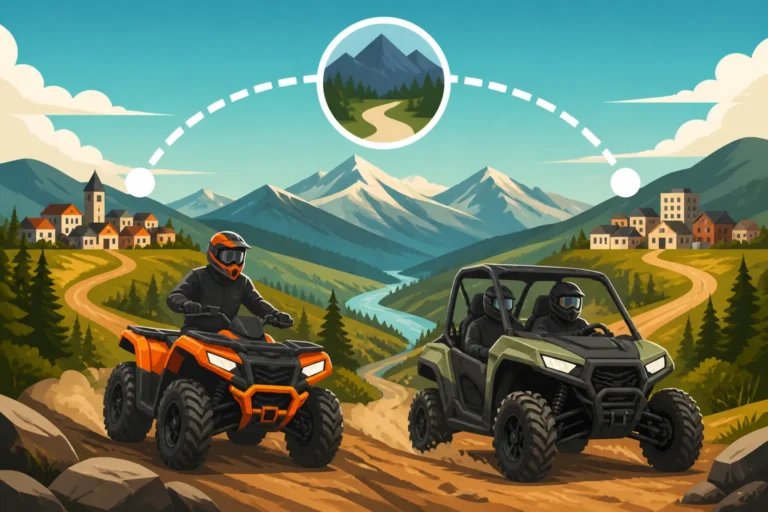
Montana town-to-town OHV routes explain how to verify legal connections, check local rules, and build backup plans for all-terrain vehicles.
Weekday riding on Montana trails offers fewer crowds, allowing you to choose realistic routes, check access rules, and prepare safely.
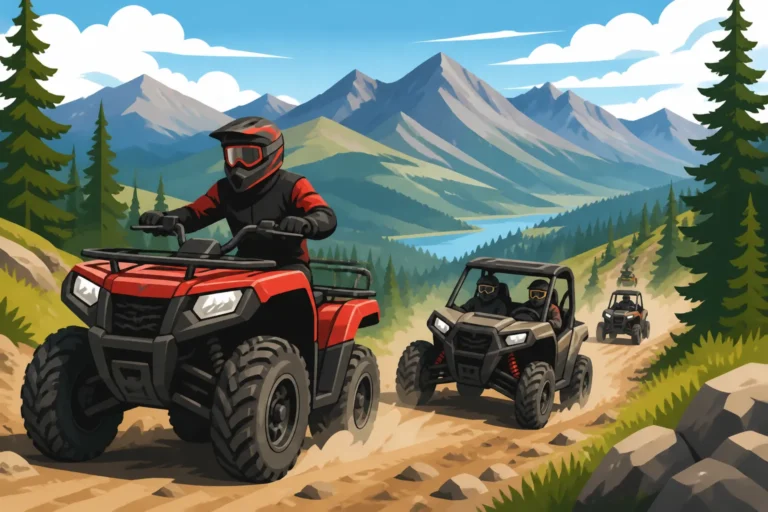
Montana holiday weekend trail crowds require parking strategies, safe vehicle spacing, and alternative route choices.
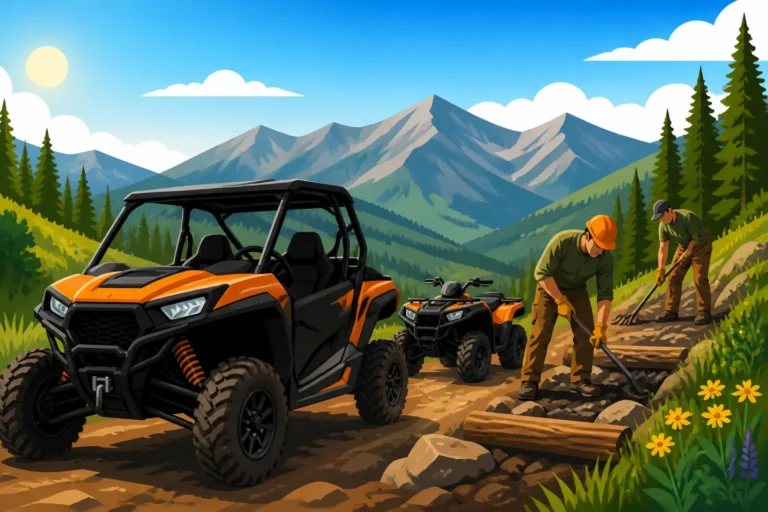
Montana trail maintenance explains who fixes washed out ATV routes, what summer repairs involve, and how to check conditions.
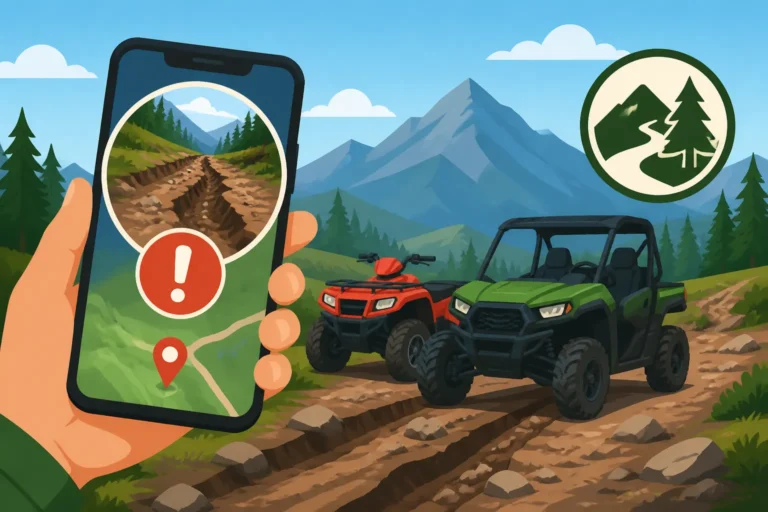
Reporting Montana OHV trail damage requires identifying land managers, documenting hazards, and reporting route issues to the correct agency.
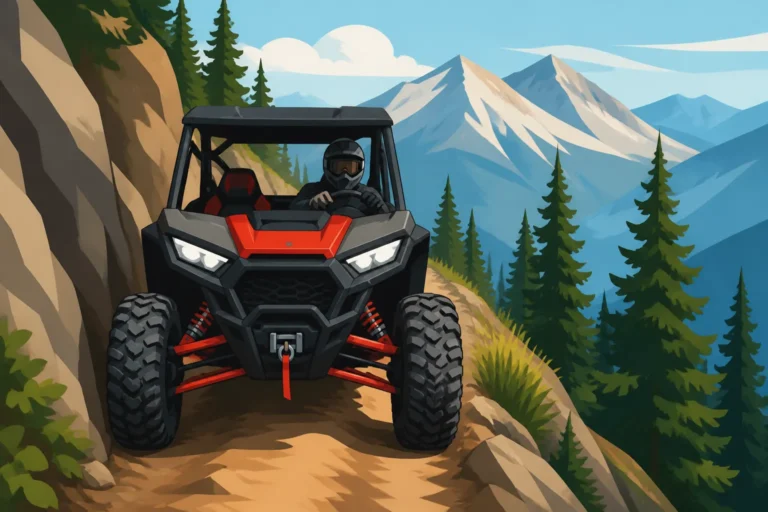
A 64-inch side-by-side vehicle requires checking route access, measuring actual machine width, and evaluating narrow Montana trail conditions.