Permits for a Machine Left on a Trailer
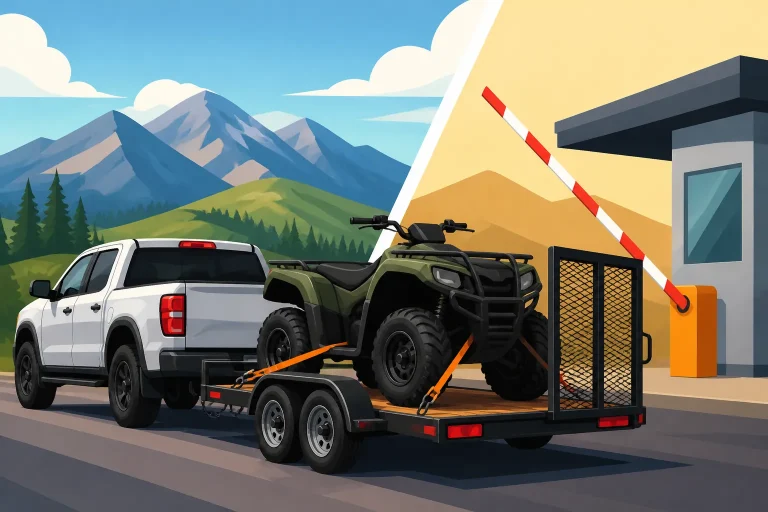
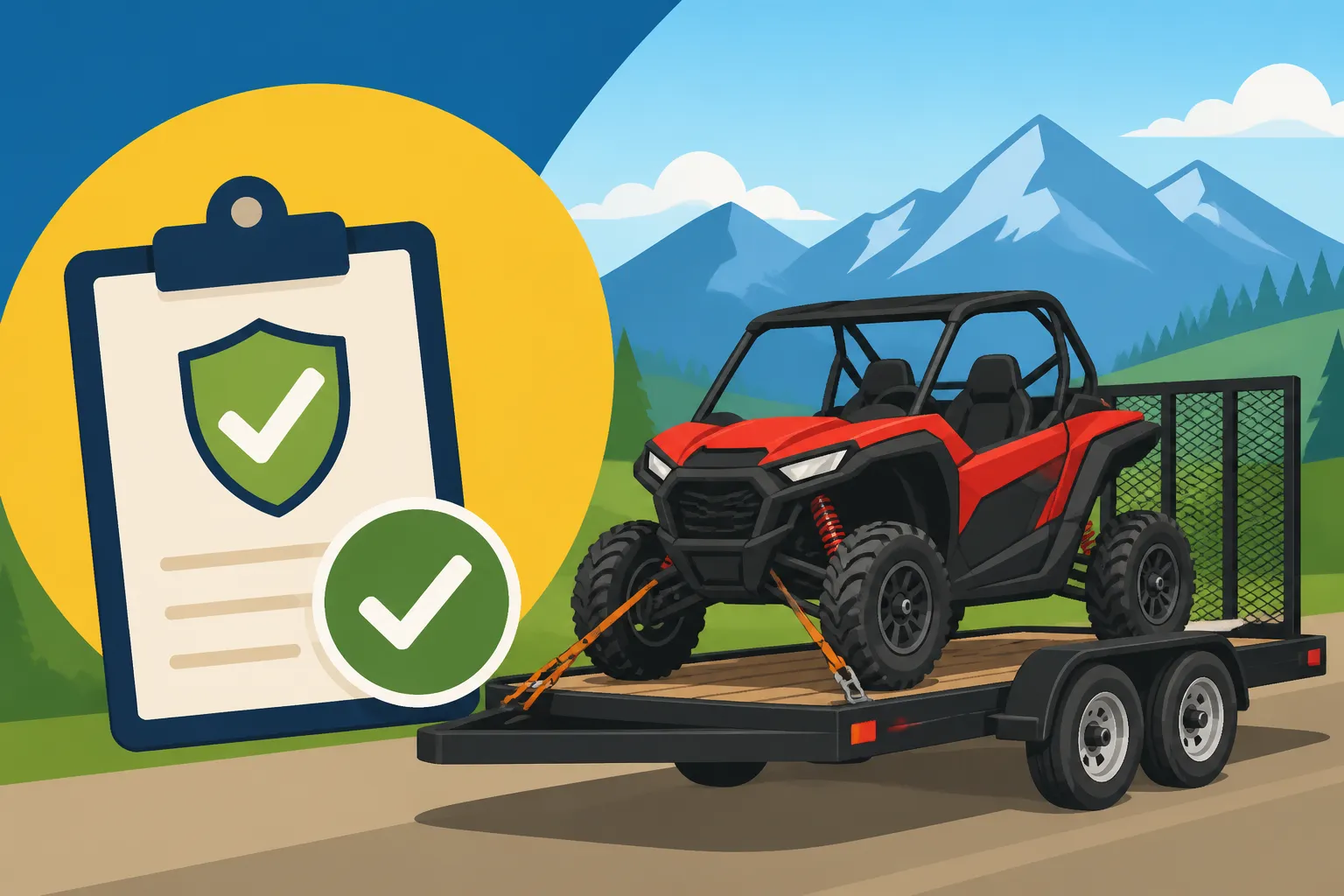
A Montana ATV or UTV riding on a trailer is being transported, not operated on a trail. That distinction usually means the machine does not need a trail permit just to travel behind a tow vehicle. The important question is what happens when you unload it: permit, registration and access rules depend on who is riding and where.
Does a machine need a permit while it stays on a trailer?
In general, a trail permit is tied to operating a machine, not merely owning it, hauling it through Montana or parking it on a trailer. If the ATV or UTV stays loaded and is not driven, the trailer itself does not make the machine a trail ride.
That can be a useful distinction for visitors passing through, owners moving a machine between properties, or riders staging at a trailhead before deciding whether to unload. The permit question changes when you intend to operate the machine. Before unloading, check the requirements for the rider, the machine and the land or route you plan to use. Montana Permit Rules on Public Land
A few common situations illustrate the difference:
| Situation | Is the machine being operated? | What to check |
|---|---|---|
| Towed through Montana on a trailer | No | Trailer and towing-vehicle requirements |
| Parked on a trailer at a campground | No | Campground and parking rules |
| Unloaded and ridden on a public trail | Yes | Applicable permit, registration and access rules |
| Unloaded and ridden on a private property | Yes | Landowner permission and any applicable requirements |
| Unloaded at a trailhead, but not ridden | Not yet | Site rules; confirm requirements before starting a ride |
“On a trailer” is not a general exemption for using a machine without the required documents. It only describes how the machine is being transported at that moment. Once you ride, the usual rules for that kind of riding apply.
It also helps to separate the trailer from the ATV or UTV. A trailer may have its own registration, plate or equipment requirements. Those do not count as a permit for the machine it carries, and an OHV permit does not take care of trailer requirements. If you are towing, check both sets of rules rather than treating the trailer and machine as one vehicle.
What changes when you unload the machine?
The key step is deciding where the ride will take place. A machine unloaded on private ground, a public trail, a forest road or a road section may face different requirements. Permission to use one route does not automatically authorize riding on another.
Public trails and other public land
If you plan to ride on public land, identify the land manager and the route before you unload. A trail may be managed by a different agency than a nearby road or staging area, and motorized use is not allowed everywhere. The route also needs to be open to your kind of machine. A permit by itself does not open a closed trail or authorize riding off the designated route.
Visitors should not assume that a registration or permit from home settles the Montana question. Montana’s nonresident requirements are separate from the rules for registering a machine in another state. Start with Montana’s Non-Resident Temporary Use Permit and check What the Non-Resident Permit Covers for the distinction between a trail permit and permission to use a particular road or route.
Residents and nonresidents may have different permit or registration pathways. A Montana registration, a visitor permit and a land manager’s access rules are not interchangeable. If you are unsure which category applies, check What Montana Riders Need Before They Ride and confirm the current requirements through the relevant Montana authority before your trip.
Private property
Being on private land does not automatically mean that any machine can be ridden anywhere without permission. Get the landowner’s permission and ask where riding is allowed. Leased ground can also have limits set by the landowner or lease, even when the rider has permission to be on the property.
A machine may be unloaded at a private cabin or ranch and still be subject to requirements that apply to its use. Do not treat “private property” as a blanket answer, particularly if the route crosses public land or connects to a public trail. For more on the property distinction, see Do You Need a Permit on Deeded Montana Ground?.
Roads and road crossings
A trail permit does not necessarily authorize road use. Some roads may allow OHVs under specific conditions, while others do not. A road crossing, a short ride to a trailhead and a longer road route can each raise different questions about access and equipment.
Before riding on a road, check whether that specific road is open to OHVs and what requirements apply. A machine that is permitted for a public trail may still lack the authorization or equipment needed for a road section. Montana Rules for Visiting Riders is a useful starting point for visitors, but route-specific rules still matter.
Who needs to check which permit rules?
The same machine can have different requirements depending on who operates it and where it is used. Start with the rider’s status, then confirm the route and the machine’s paperwork.
Nonresident riders
If you are visiting from another state, check Montana’s nonresident permit requirements before unloading. A home-state plate, registration or sticker should not be treated as proof that Montana’s trail rules have been satisfied. The requirement may depend on whether the machine will be used on public land and on the kind of riding planned.
A rider who is only towing a machine through Montana has a different situation from one planning to unload and ride. If the trip may include even a short ride, arrange the required permit before starting. The process and current terms can change, so verify the current instructions with the official source rather than relying on an old decal, receipt or advice from a previous trip.
If you are bringing more than one ATV or UTV, check the rules for each machine. Do not assume a permit purchased for one machine covers another one simply because both are on the same trailer or are operated by people in the same group. See Permits for a Second Machine before traveling with multiple machines.
Montana residents
Residents should check the registration and trail-pass requirements that apply to their machine and the type of use planned. A machine left on a trailer is not being ridden, but that does not replace any documents needed once it is operated on a trail or other public route.
If you are transporting a newly purchased or unregistered machine to a repair shop, home or storage location, distinguish that trip from riding it for recreation. Do not take the machine off the trailer for a quick ride unless you have checked the requirements that apply to that ride. When a Montana Rider Needs No Permit can help identify situations where a permit may not be required, but it is still important to confirm the exact circumstances.
Rental and borrowed machines
Renting or borrowing a machine does not automatically settle permit responsibility. Ask who provides the required permit or trail pass, what it covers and whether it applies to the route you plan to ride. If the machine is still on the trailer, you can ask these questions before unloading rather than discovering a gap at the trailhead.
For a rental, review the rental agreement and get clear instructions from the shop. For a borrowed machine, ask the owner what documents go with it and check that the permit or registration matches the planned use. Montana Permit Rules for a Rented Machine covers the rental-specific questions to resolve before a ride.
A simple check before you unload
A short check before the ride can prevent a frustrating stop or an unplanned return to town. Use this process whenever you arrive with an ATV or UTV on a trailer:
- Identify the rider. Determine whether the operator is a Montana resident or a visitor, and check any age-related requirements that may apply.
- Identify the machine. Confirm which ATV or UTV will be ridden and gather its registration and permit information. If you have several machines, check each one separately.
- Name the exact route. Do not rely only on the trailhead or recreation area name. Identify the trail, road or land where you expect to operate.
- Check who manages the route. Confirm that motorized use is allowed for your machine and that the route is open. A permit does not override a closure or access restriction.
- Confirm the applicable permit. Use current official information to determine whether the rider and machine need a Montana permit, registration or other authorization for that use.
- Keep required documents available. Follow the instructions that come with the permit or registration, and carry or display documentation as required.
- Unload only when ready to ride legally. If you cannot confirm the requirements, keep the machine on the trailer until you have an answer.
The most common mix-up is to ask only whether the machine needs a permit “in Montana.” A more useful question is: “What do I need for this machine, operated by this rider, on this specific route?” That phrasing accounts for the differences between transportation, trail use, road use and private property.
A second common mistake is to confuse a permit with access permission. A permit may satisfy one requirement while the trail is closed, the route is not open to that machine, or landowner permission is still needed. Check both the paperwork and the route.
Finally, do not rely on the fact that nobody rode the machine on the way to the trailhead. If you unload and operate it, the fact that it arrived on a trailer no longer answers the permit question. Check the requirements before the first ride, not after a stop or citation.
Disclaimer
This article is for general informational purposes only and does not constitute professional advice. Laws, prices and regulations vary by location and change over time. Consult a qualified professional for guidance on your specific situation.