What Permanent OHV Registration Includes
It’s easy to get a little confused by the term "permanent" when you're talking about Off-Highway Vehicle (OHV) registration here in Montana. Many folks assume it means the registration sticks with the machine forever, no matter who owns it or how many times it changes hands. But that's not quite how it works, and understanding the nuances can save you a lot of frustration down the road. This guide is here to clear up exactly what Montana's permanent OHV registration includes for you as an owner, and what it truly signifies for your off-road adventures.
Understanding "Permanent" in Montana OHV Registration
When Montana talks about "permanent" OHV registration, it’s not quite the same as a tattoo for your quad or side-by-side. The term "permanent" refers to the fact that as long as you are the owner of that specific machine, you only have to register it once. It's a one-time fee and process that eliminates the need for annual renewals, which is a huge relief compared to other states or even other types of vehicle registrations here in Montana.
Think of it this way: it's permanent for your ownership. This is a critical distinction that often trips people up, especially those new to Montana or who have moved from states with different registration systems. The registration stays active for you, the individual or entity who registered it, for the entire duration you own that particular OHV. You pay the fee once, you get your decals and registration certificate, and you're set for years of trail riding, ranch work, or exploring our beautiful backcountry – as long as that machine remains in your name. [Montana's One-Time Permanent OHV Registration] goes into more detail about how this unique system works.
This system is designed to simplify things for long-term owners, cutting down on repetitive paperwork and annual costs. It acknowledges that many OHV enthusiasts are in it for the long haul with their machines. However, it's vital to remember that "permanent" does not mean "transferable" or "eternal" for the machine itself.
The Tangible Elements Your Permanent Registration Provides
So, what exactly do you get when you go through the process of securing permanent OHV registration at your local county treasurer's office? Beyond the peace of mind of not having to renew annually, there are very specific and tangible items and legal authorizations that come with it. These elements are your proof of compliance and your ticket to accessing legal riding areas across Montana.
Your Registration Decal and Certificate
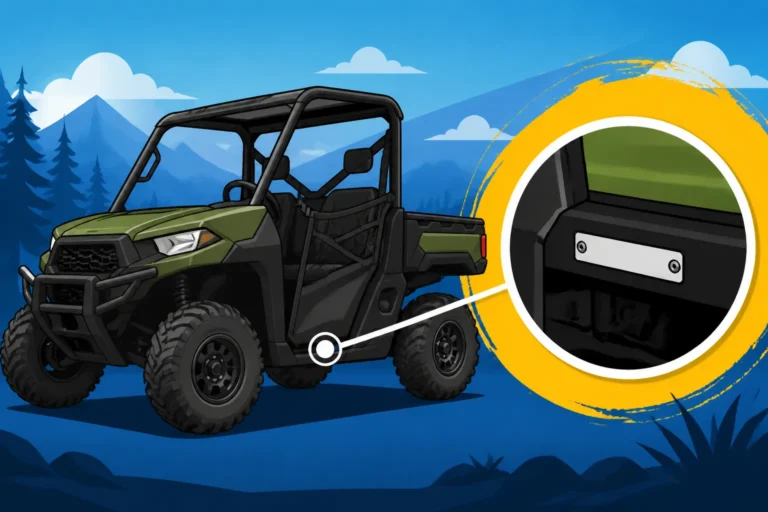
The most visible sign of your permanent registration is the set of decals you receive. These aren't just decorative stickers; they are proof that your machine is legally registered for off-highway use in Montana. You’ll get one decal, which must be prominently displayed on the rear of your OHV. This placement is crucial because it allows law enforcement and trail wardens to easily verify your registration status without having to stop you. [Where a Montana OHV Decal Goes] explains the specific requirements for placement. Losing or damaging this decal means you'll need to go through a process to get a replacement, so treat it like the important document it is.
Along with the decal, you'll receive a registration certificate. This small paper document contains important details about your OHV, including the Vehicle Identification Number (VIN), your name as the owner, and the date of registration. While the decal serves as visible proof, the certificate is your official legal document. It's always a good idea to keep a copy of this certificate with your machine, or at least a digital photo on your phone, whenever you're out riding. It confirms your ownership and registration status should you ever be stopped or need to provide proof for any reason.
Legal Access to Montana's Extensive Trail Systems
Perhaps the most significant benefit of permanent OHV registration is the legal right it grants you to operate your machine on designated public lands and trails across Montana. This includes vast networks within our national forests, Bureau of Land Management (BLM) areas, and state parks where OHV use is permitted. Without this registration, you are severely limited in where you can legally ride, often restricted to private land with permission.
Our permanent registration system ensures that you're contributing to the upkeep and development of these trails through your registration fees. These fees directly support trail maintenance, signage, and the efforts of organizations and agencies that work to keep our riding areas open and enjoyable. Knowing that your machine is properly registered means you can explore Montana’s stunning landscapes, from the sprawling plains to the rugged mountains, with confidence that you're riding legally and responsibly.
What Permanent OHV Registration Doesn't Cover (And What You Still Need to Know)
While Montana’s permanent OHV registration is fantastic for its longevity and convenience, it's vital to understand its limitations. Many new riders, or those coming from different states, sometimes make assumptions about what this registration entails, leading to potential fines or issues down the road. Let’s clarify what "permanent" does not mean and what additional responsibilities you still have as an OHV owner in Montana.
It Doesn't Transfer With the Machine When Sold
This is arguably the most common misconception. When you sell your OHV, the permanent registration does not go with it. The moment you transfer ownership of your machine to a new buyer, your permanent registration for that specific OHV becomes null and void. The new owner must then go through the process of registering the machine in their name, including paying their own one-time permanent registration fee. This is why [Why a Montana Registration Does Not Follow the Machine] is a crucial read for both buyers and sellers.
If you purchase a used OHV in Montana, even if the previous owner tells you it was "permanently registered," you still need to get it registered in your own name. Don't assume you can just use their old paperwork; that's asking for trouble and potential fines. The system is set up to track ownership, not just machine status.
It Doesn't Include a Title
Another important distinction: permanent OHV registration is not the same as having a title. In Montana, OHVs are generally registered but not titled unless they are street legal or fall into certain categories. The registration certificate is proof of registration, but a title is proof of ownership. For most off-highway machines, proof of ownership for registration typically comes from a manufacturer's certificate of origin (MCO) or a bill of sale. If you're buying a used machine, ensuring you have a proper [What a Montana Bill of Sale Should Say] is incredibly important. If you need to establish clear ownership for registration or other purposes, services like LawDepot can provide customizable bill of sale templates that meet legal requirements, helping you document your purchase accurately.
Here's a quick comparison to help clarify:
| Feature | Permanent OHV Registration Includes | Title Includes (if applicable) |
|---|---|---|
| Proof of… | Legal ability to operate on public lands (as the owner) | Legal ownership of the vehicle |
| Document Type | Registration certificate, decal | Vehicle Title (document of ownership) |
| Transferable? | No (expires upon sale/transfer of ownership) | Yes (transfers with sale of vehicle) |
| Required for most OHVs? | Yes, for public land use | No, most OHVs are not titled in MT, but some are registered |
| Main Purpose | Fund trail systems, track operators | Establish clear chain of ownership, lien recording |
It Doesn't Eliminate Other Riding Requirements
While permanent registration covers the basic legal ability to ride on trails, it doesn't mean you're exempt from other Montana OHV laws and regulations. You still need to:
- Adhere to Age and Safety Rules: Montana has specific age restrictions for operating OHVs, especially on public roads or trails, and safety education requirements for younger riders. For example, riders under 16 often need to have completed an approved safety course and may have restrictions on engine size. [Montana's Safety Education Requirement] outlines these rules.
- Comply with Road Riding Rules: If you plan to ride your OHV on county roads or within certain towns that allow it, you will need to meet additional requirements such as specific lighting, mirrors, and potentially a valid driver's license. Your permanent OHV registration alone does not authorize road use; you need to comply with specific local ordinances and state statutes for on-road operation.
- Follow Land-Use Regulations: Even with registration, you must respect all signage, seasonal closures, and specific rules of the land management agency (e.g., Forest Service, BLM, State Parks). Riding off designated trails or in closed areas is illegal and can result in significant fines and environmental damage.
- Have Proper Insurance for Road Use: While not generally required for solely off-highway use, if you plan to operate your OHV on any public road, even briefly, liability insurance is typically a requirement. Your permanent registration doesn't include insurance coverage. [Insuring an ATV in Montana] provides more context on this.
It Doesn't Have a Physical Expiration Date
The "permanent" aspect means there isn't a calendar date stamped on your registration certificate or decal saying it expires in one, two, or five years like traditional vehicle tags. As long as you own the machine, and it remains in your possession, your permanent registration is valid. However, this doesn't mean it's truly permanent in every sense. Your registration essentially "expires" the moment you sell or transfer the machine to another person. Additionally, if the machine is totaled, destroyed, or otherwise removed from service, the permanent registration related to your ownership would cease to be relevant. [Does a Montana OHV Registration Ever Expire?] delves deeper into these scenarios.
Maintaining and Understanding Your Permanent OHV Status
Even though the registration is "permanent" for your ownership, there are a few things to keep in mind to ensure you stay compliant and understand its long-term implications.
Keeping Your Information Current
While you won't need to renew annually, it's always a good idea to keep your registration information up-to-date with the county treasurer's office. This primarily involves notifying them if you change your address. Should they ever need to send you official correspondence, having your correct address on file is important. It's a simple step that helps avoid any future headaches. Many people think "permanent" means "set it and forget it," but small administrative updates are still prudent.
What Happens When You Sell Your Machine
As we covered, your permanent registration ends when you sell the machine. For you as the seller, this means your responsibility for that specific OHV's registration ceases. For the buyer, it means they are responsible for initiating a new permanent registration in their name. This process requires them to present proof of ownership, such as a bill of sale from you, along with their identification to their local county treasurer's office. Making sure you provide the buyer with a complete and accurate [What a Montana Bill of Sale Should Say] is critical for them to successfully register the machine. Services like LawDepot can assist in creating these vital legal documents quickly and correctly.
The True Value of Permanent Registration
Ultimately, Montana’s permanent OHV registration system is a testament to the state's commitment to supporting off-road recreation while also ensuring resources are available for trail maintenance and management. It provides a straightforward, one-time solution for owners, streamlining the administrative burden and allowing more time for enjoying the vast and beautiful landscapes Montana has to offer. By understanding both what it includes and what it doesn't, you can ride confidently and legally, contributing to the vibrant OHV community here in the Treasure State. Whether you're registering a brand new side-by-side or a used quad, knowing these details will make the process much smoother. [Registering an OHV in Montana] has a great overview of the full process.
Disclaimer
This article is for general informational purposes only and does not constitute professional advice. Laws, prices and regulations vary by location and change over time. Consult a qualified professional for guidance on your specific situation.