Running the Serial Number First
Thinking about snagging a used ATV or UTV in Montana? It's an exciting prospect, especially with all the incredible trails and open spaces we have here. But that initial thrill can quickly turn into a knot in your stomach if you're worried about the machine's past. This guide is all about taking that critical first step to protect yourself: running the serial number, also known as the Vehicle Identification Number (VIN), to uncover any hidden problems before you hand over your hard-earned cash.
The Absolute Necessity of a VIN Check Before You Buy
When you're looking at a used off-highway vehicle (OHV), whether it's a quad, a side-by-side, or a dirt bike, it's easy to get caught up in the shiny tires or the promise of adventure. You might focus on the engine sound, the suspension, or how clean the plastics are. But here's the honest truth: none of that matters if the machine comes with a tangled legal past. Skipping a VIN check is like buying a house without looking at the deed – it's a huge risk that can lead to headaches, lost money, and even legal trouble down the road.
Imagine this scenario: you find what seems like a great deal on a UTV from a private seller on the outskirts of Bozeman. It runs well, looks decent, and the price is right. You shake hands, pay up, and trailer it home. A few weeks later, you head to the county treasurer's office to get it registered and titled, only to be told the VIN comes back as stolen. Suddenly, that "great deal" becomes a nightmare. You're out the money, the machine is impounded, and you might even be questioned by law enforcement, all because you didn't do a simple check. This isn't just a hypothetical; it happens more often than you'd think. That's why running the serial number first is the single most important piece of due diligence you can perform. It's your first line of defense against fraud and unforeseen complications.
Where to Find That All-Important VIN on Your Machine
Before you can run a VIN check, you need to know where to find it. Unlike cars, where the VIN is typically visible through the windshield or on the driver's side door jamb, OHVs can be a bit more elusive. However, manufacturers are required to stamp a unique VIN on every machine, and knowing where to look is half the battle. This number is your machine's unique identifier, a 17-character code that tells you everything from its manufacturer and model year to its specific production sequence.
Common Locations for ATVs
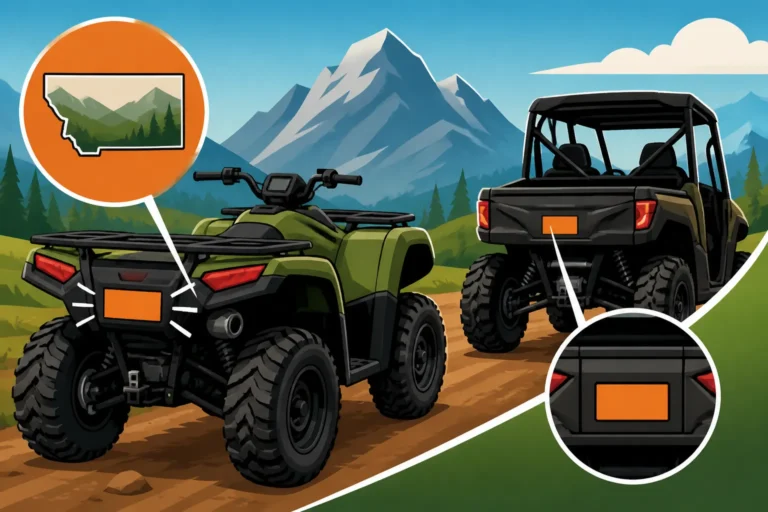
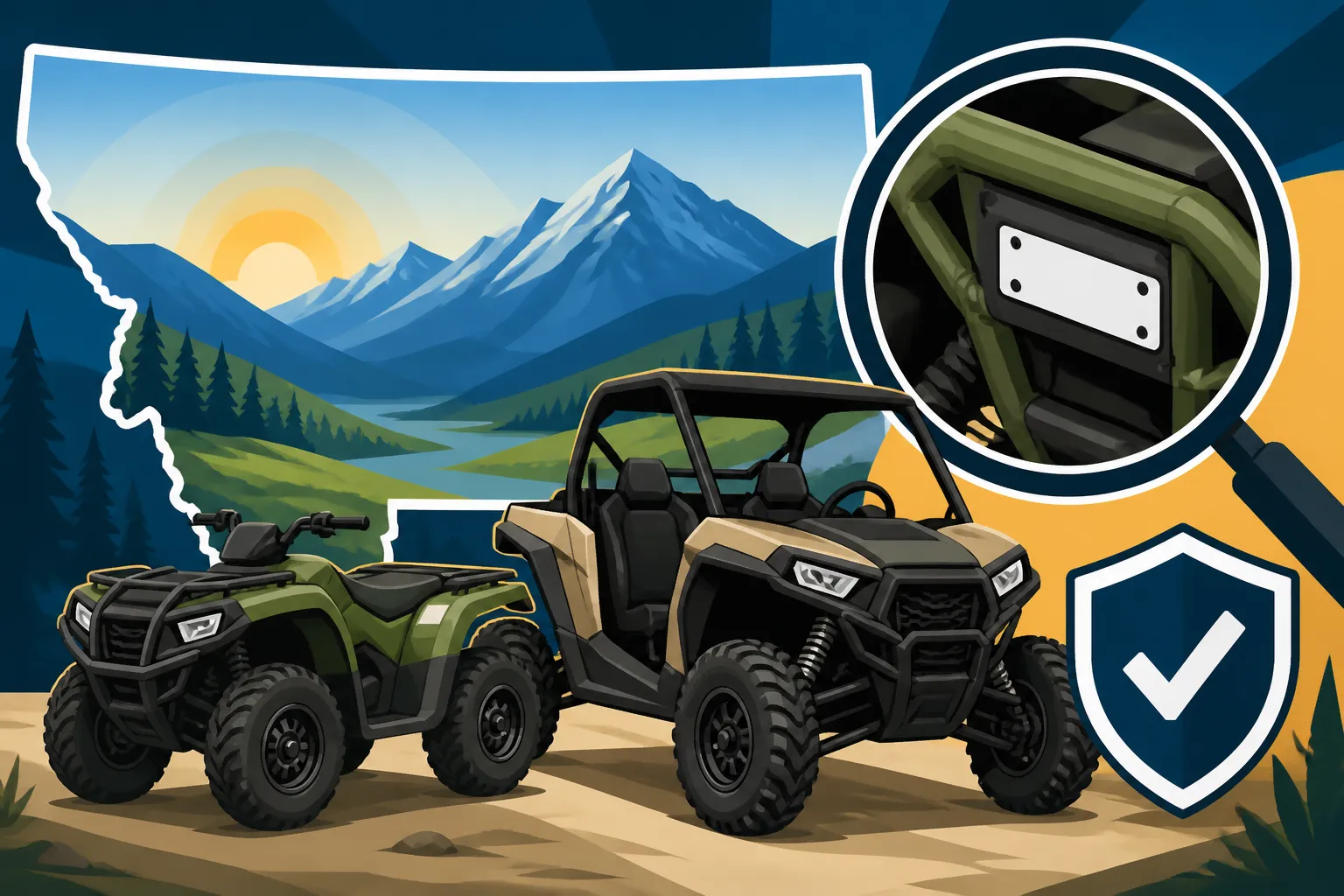
For ATVs, you'll usually find the VIN stamped directly onto the frame. One of the most common spots is on the front lower frame rail, often near the left front wheel or just behind it. It might also be on the steering neck, where the handlebars connect to the frame, or occasionally on a frame tube near the footpegs. Sometimes it's tucked away under a bit of mud or grime, so bring a rag and a flashlight. You might even have to get down on your hands and knees to find it. Manufacturers aim for a spot that's less likely to be damaged in a typical crash but still accessible for official inspections. Always double-check this number against any paperwork the seller provides, like a title or bill of sale. If they don't match, that's an immediate red flag.
Typical Spots for UTVs and Side-by-Sides
Side-by-sides, with their larger frames and more complex structures, often have their VINs in slightly different, though still predictable, locations. Many UTVs, like Polaris RZRs or Can-Am Commanders, will have the VIN stamped on the frame rail under the driver's seat or passenger seat, sometimes requiring you to lift a seat base or plastic panel to expose it. Others might have it on the frame near one of the rear wheels, or up front near the radiator or suspension components. [Where to Find the VIN on a Polaris Ranger] is a great resource if you're looking at a specific model. Again, bring that flashlight and a rag. You're looking for a clear, legible stamping, not something that looks like it's been tampered with, ground down, or re-stamped. Any signs of alteration should send you walking away from the deal immediately.
What Secrets a VIN Can Reveal About a Used ATV or UTV
Once you've got that precious 17-character VIN, you're ready to start digging into the machine's past. A VIN check can pull back the curtain on a lot of information that a seller might not disclose, either intentionally or because they simply don't know the full history themselves. This data can save you from buying a stolen machine, a money pit, or one that's been in a serious accident and poorly repaired.
Uncovering Theft and Lien Information
One of the primary reasons to run a VIN check is to see if the machine has been reported stolen. Databases like the National Insurance Crime Bureau (NICB) offer free VIN check services that can flag a stolen vehicle. Imagine the relief of knowing you're not unknowingly buying stolen property, which could lead to its confiscation without compensation. Beyond theft, a VIN check can also reveal if there's a lien on the title. A lien means someone else, usually a bank or lender, still has a financial claim to the machine. If you buy a machine with an active lien, you might find yourself responsible for paying off that debt, or worse, the machine could be repossessed. Always ensure the seller has a clear title, free of any liens, before completing the purchase. [Liens on a Montana OHV Title] provides more detailed information on what to watch for.
Identifying Damage, Salvage, and Rebuilt Titles
Another crucial piece of information a VIN check can provide is the machine's title history. Has it ever been declared a salvage vehicle? This usually means it was involved in a severe accident, flood, or fire, and the cost to repair it exceeded a certain percentage of its value. While a salvage title doesn't always mean a machine is worthless, it's a huge warning sign. A "rebuilt" title indicates it was once salvage but has since been repaired and inspected. While this might seem reassuring, it's still worth extreme caution. Repairs can be shoddy, and hidden damage might surface later. Knowing this history allows you to ask the right questions, demand detailed repair records, and adjust your offer accordingly—or walk away if the risks are too high. For more on this, check out [Salvage and Rebuilt Machines in Montana]. Understanding the type of title is fundamental to assessing the machine's true value and safety.
Verifying Manufacturer and Model Year Details
Beyond legal issues, a VIN check can also confirm basic details about the machine. The VIN itself contains coded information about the manufacturer, the country of origin, and the model year. For example, a specific character in the VIN will tell you the machine's actual model year. This is important because sellers sometimes mistakenly (or intentionally) misrepresent the year, affecting value and parts compatibility. Running the VIN ensures you're buying exactly what the seller claims it is. It's also a good way to double-check that the engine size matches the model year specifications, ensuring no unauthorized engine swaps have occurred. This verification step can be particularly helpful if you're comparing multiple machines and want to ensure you're looking at apples to apples, not apples to slightly older, less valuable oranges.
Your Step-by-Step Guide to Running an OHV VIN in Montana
Alright, you've found the VIN, you understand why it's important, now let's talk about how to actually run that serial number. It's a straightforward process, but knowing the right resources can make it even smoother. This due diligence is worth every minute and penny you spend.
Step 1: Record the VIN Accurately
First things first: write down the VIN exactly as it appears on the machine. Take a photo of it, too, just in case. Double-check for any easily confused characters, like the letter 'O' and the number '0', or 'I' and '1'. This 17-character alphanumeric code needs to be perfect for the search to be accurate. If the VIN on the machine doesn't match the one on the title or any other paperwork the seller provides, that is a massive red flag, and you should probably reconsider the purchase right there. Always work from the physical VIN stamped on the frame, not just what's on a piece of paper, as paper can be easily forged.
Step 2: Utilize Online VIN Check Services
There are several online services you can use to run a VIN check. Many of these are paid services, but some offer basic checks for free.
| Service Type | Information Typically Provided | Cost (Shape of) |
|---|---|---|
| NICB VINCheck | Stolen vehicle reports, total loss records (sometimes) | Free |
| Commercial VIN Check | Theft, liens, salvage/rebuilt titles, accident history, odometer discrepancies, flood damage, recall info, previous owners (sometimes) | Varies, usually a small one-time fee |
| State DMV/County Treasurer | Lien information, current registration status, title history (may require in-person request or specific forms) | Varies, often small fee or free |
The NICB VINCheck is an excellent starting point, as it's free and focuses on theft reports. If that comes back clear, you might consider a paid, more comprehensive service. These commercial services aggregate data from various sources and can give you a much deeper dive into the machine's history, often including past accident reports, flood damage, or even details about previous owners. While these services charge a fee, it's a small price to pay for peace of mind compared to the cost of unknowingly buying a problematic machine. When you're ready to complete the transaction, a solid [What a Montana Bill of Sale Should Say] is vital, and resources like LawDepot can provide customizable templates for such documents.
Step 3: Verify with the Montana County Treasurer's Office
Even after an online check, it's a good idea to cross-reference the information with the Montana county treasurer's office, especially if you plan on registering the machine in Montana. They can confirm if there are any active liens or other issues associated with that VIN in the state's records. Sometimes, information in state databases might not immediately show up in third-party online checks. You can usually call or visit a county treasurer's office and provide them with the VIN, explaining you're considering purchasing the machine and want to verify its status. They might be able to provide information on its current registration status and any liens. This is also the office where you'll eventually go for [Titling an ATV at a Montana County Treasurer]. This final verification step adds an extra layer of security and ensures you're getting the most up-to-date information directly from the source in Montana.
After a successful VIN check and transaction, you'll need to secure proper ownership documentation. For formalizing the sale and ensuring both parties are protected, look for reliable legal document templates. Whether you're drafting a simple bill of sale or need more comprehensive agreements, services like LawDepot can be incredibly helpful for creating legally sound documents tailored to your needs. This way, you're not just confirming the machine's history but also establishing clear, undeniable proof of your new ownership. Make sure you understand [Buying a Used Side-by-Side in Montana: The Paperwork] to ensure a smooth transfer. Having everything squared away, from the VIN check to the signed paperwork, protects you as the buyer and gives you confidence in your new Montana OHV adventure.
Disclaimer
This article is for general informational purposes only and does not constitute professional advice. Laws, prices and regulations vary by location and change over time. Consult a qualified professional for guidance on your specific situation.