Montana OHV Decals and Rear Placement
It's easy to think of the little sticker on the back of your off-highway vehicle as just a formality, but in Montana, that OHV decal is a critical piece of your machine's identity and your ticket to legal trail access. Many riders overlook the specifics of where it needs to be, only to find themselves facing a warden with a raised eyebrow and a potential citation. This guide will clarify exactly where your Montana OHV decal belongs, why its placement is so important, and what steps to take to ensure you're always in compliance.
The Absolute Importance of Visible OHV Decals in Montana
Let's be real, nobody enjoys getting pulled over, especially not when you're just trying to enjoy a beautiful day on Montana's incredible trails. But for OHV riders, an improperly displayed decal is a common reason for wardens and law enforcement to initiate a stop. It's more than just a sticker; it's proof that you've done your part to support the trails we all love.
Why Your Decal Isn't Just "Sticker Art"
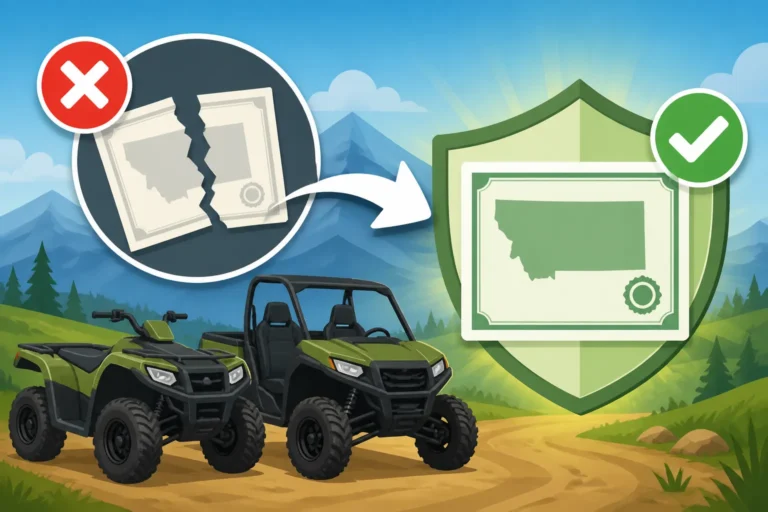
When you pay for your OHV registration in Montana, a portion of those fees goes directly back into maintaining and improving our vast network of trails. This covers everything from clearing fallen trees to fixing washed-out sections and even funding search and rescue efforts. The decal is the visual confirmation that you've contributed to this system. Without it, or if it's placed somewhere obscure, wardens have no immediate way of knowing if your machine is legally registered or if you're just out for a free ride.
Think of it this way: your decal is your official "I'm a responsible rider" badge. It tells everyone, especially those tasked with enforcing the rules, that you're playing by the book. It also helps in situations like recovering a stolen machine. A clearly visible, current decal can be cross-referenced quickly. This also connects to the discussion around [What Permanent Registration Actually Buys You] because even with a "permanent" registration, there are still annual decals that confirm your machine's active status for trail use.
What "Rear Placement" Truly Means for Montana OHVs
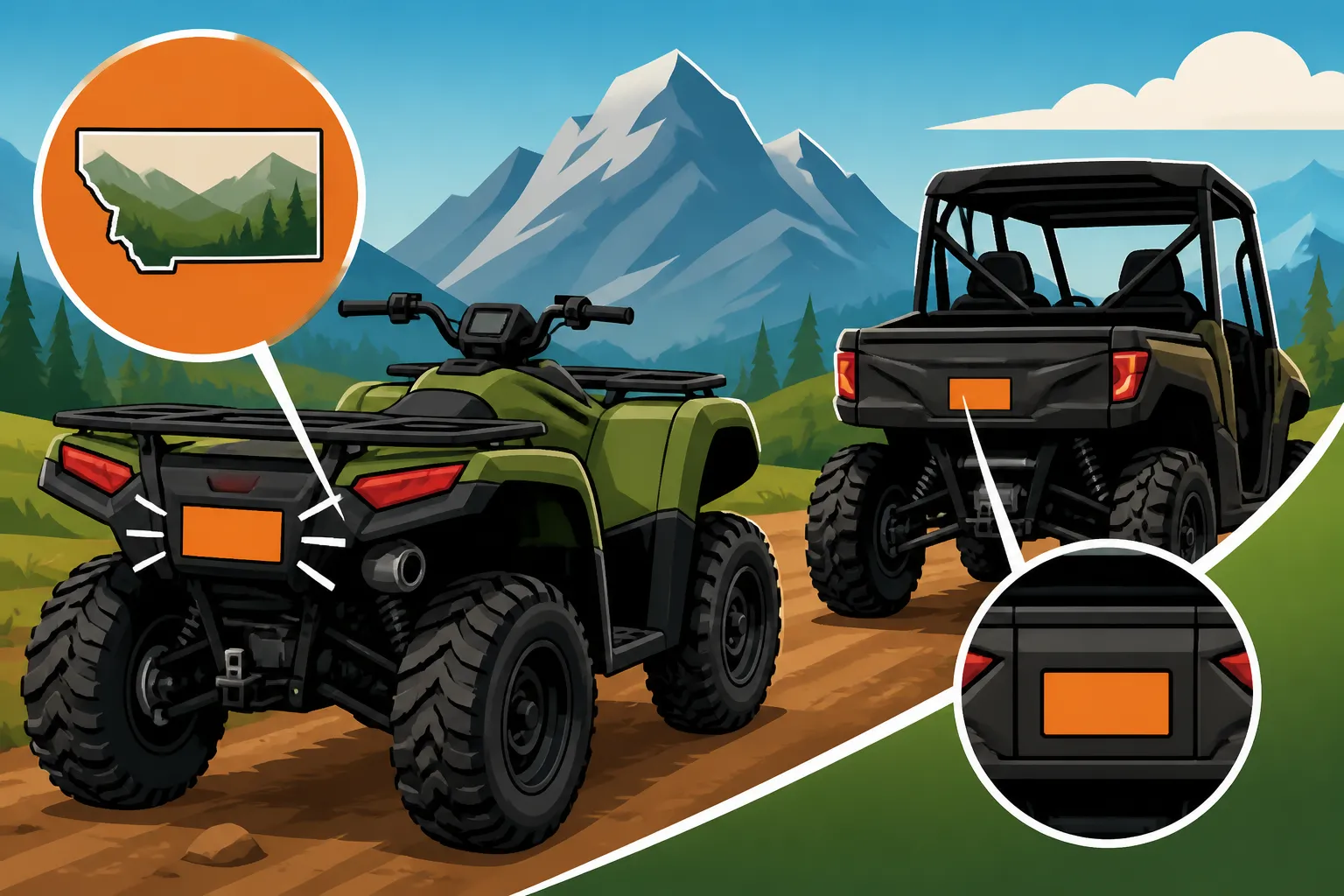
Montana law is pretty specific: your OHV decal needs to be displayed prominently on the rear of the machine. But what does "rear" actually mean in practice, especially with the huge variety of ATVs and UTVs out there? Generally, it means a location that is clearly visible from directly behind the machine, unobstructed by mud flaps, cargo racks, or modifications. It shouldn't be tucked under a fender, hidden behind a spare tire, or placed on a part that's prone to getting excessively muddy or damaged during a typical ride.
For many ATVs, this might mean a flat surface on the rear fender. For UTVs, it could be on the tailgate, the rear panel, or a dedicated flat spot on the roll cage structure, as long as it faces directly backward and isn't obscured. The goal is instant readability for a warden approaching from behind. It's not about making them search for it; it's about making it obvious. You might find more specific insights in [Where a Montana OHV Decal Goes] or [Where the Decal Goes on the Rear] for more general guidance.
The Real-World Consequences of a Missing or Misplaced Decal
Ignoring the decal placement rules can lead to more than just a stern talking-to. Wardens and law enforcement officers in Montana take these regulations seriously because they're directly tied to funding and responsible OHV use. If your decal is missing, expired, or improperly placed, you could face fines for an unregistered OHV or for not displaying the decal correctly. These aren't just minor annoyances; they can quickly add up and put a real damper on your riding trip.
Imagine you're miles into the backcountry, enjoying the solitude, and suddenly a game warden pulls up. If they can't easily see your decal, they'll have to stop you, ask for your paperwork, and potentially verify your registration on the spot. This takes time, disrupts your ride, and can escalate if there are other issues. The best practice is to always make sure your decal is exactly where it needs to be, saving you hassle and potential fines. You can explore [Penalties for an Unregistered OHV in Montana] for a deeper dive into the monetary impacts.
Navigating Decal Placement Across Different Off-Highway Vehicle Types
Not all OHVs are built the same, and what works for a sport quad might not be ideal for a utility side-by-side. The key is to find a spot that satisfies the "rear and visible" requirement without compromising the decal's integrity or the machine's functionality.
Pinpointing the Sweet Spot on Your ATV
On most ATVs, the rear fender is your best friend for decal placement. Look for a flat, clean surface that is high enough to be seen over most obstacles, but not so high that it gets snagged on low-hanging branches or cargo. Avoid the very edges of the fender where it might flex excessively or get scraped easily. Some riders choose the flat part of the rear rack, if it's permanently attached and doesn't get covered by cargo bags or coolers during typical use.
When applying the decal, make sure the surface is completely clean and dry. Residue from old stickers, mud, or wax can prevent the new decal from adhering properly, leading to peeling or loss. Take your time, smooth it out from the center to prevent air bubbles, and give it ample time to cure before hitting the dusty trails. This attention to detail will help ensure it stays put and remains legible, whether you're riding a nimble sport quad or a heavy-duty utility ATV.
Securing the Decal on a UTV or Side-by-Side
UTVs and side-by-sides offer a bit more variety in terms of rear surfaces, but the principle remains the same: highly visible, unobstructed, and on the rear. Common spots include the tailgate of the bed, a flat portion of the rear bumper, or a panel on the back of the machine's bodywork. Some UTVs have a dedicated flat area on the roll cage cross-member at the very back, which can also be an excellent location. The critical factor is that it must be visible when viewed from directly behind the machine, even if you have a bed full of gear.
Avoid placing decals on areas that frequently flex, open (like a dump bed panel that gets raised and lowered often), or are regularly exposed to direct impact or heavy abrasion. If you frequently haul items in your UTV bed, make sure your decal isn't going to be constantly covered by a cooler, spare tire, or tool bag. The purpose is compliance and visibility, so prioritize that over convenience of initial application. You'll find specific considerations for these larger machines in [Decal Placement on a Side-by-Side].
Handling Unique Challenges with Custom Rigs and Older Machines
Sometimes, you've got an older machine with less-than-pristine bodywork, or a highly customized rig that doesn't have a conventional "rear fender." In these cases, creativity within the legal limits is key. You might need to fabricate a small, flat panel and securely mount it to the rear of the machine, ensuring it's durable and won't detach. This is especially true for machines that have had extensive modifications, perhaps an engine swap, or custom body panels.
For older machines with faded or cracked plastic, you might need to find a less damaged section or even clean and prep an area carefully before applying the decal. If the bodywork itself is too compromised, a rigid plastic or aluminum plate, permanently affixed and facing the rear, can serve as an ideal mounting point. The crucial part is permanence and visibility. Remember, the goal is to make it easy for law enforcement to confirm your machine's registered status without any ambiguity or searching.
Keeping Your Montana OHV Decal in Pristine Condition
Montana weather, as we all know, can be tough on just about anything, and your OHV decals are no exception. From scorching summer sun to freezing winter snow and the constant assault of trail dust and mud, decals can take a beating.
When Weather Wreaks Havoc: Fading, Peeling, and Damage
It's an annual ritual for many of us: you pull your machine out after a long winter, and lo and behold, that perfectly applied decal from last year is now looking pretty sad. The sun's UV rays are notorious for fading colors, making the year and registration number illegible. Extreme cold can make the adhesive brittle, leading to peeling corners, especially if water gets underneath and freezes. And let's not forget the sheer grit of Montana trails—mud, dust, rocks, and branches all conspire to scuff, scratch, and tear decals.
When your decal becomes unreadable, starts to peel significantly, or gets torn, it effectively becomes invalid in the eyes of the law. A warden won't be able to verify your registration quickly, which can lead to the same issues as a completely missing decal. This is particularly relevant after seasons of heavy use or if your machine is stored outdoors year-round. You might find a familiar scenario in [When an OHV Decal Peels Off Over Winter].
The Step-by-Step Process for Obtaining a Replacement Decal
So, your decal is looking worse for wear, or worse, it's completely gone. Don't panic! Getting a replacement is usually straightforward, but it's important to do it correctly. You'll typically need to contact the county treasurer's office where your OHV is registered. They handle the initial [Registering an OHV in Montana] process and are usually the point of contact for replacements.
Here’s a general outline of what to expect:
- Identify the Need: As soon as you notice your decal is damaged or missing, make a plan to replace it. Don't wait until the day before your big riding trip.
- Contact Your County Treasurer: Call or visit your county treasurer's office. Be ready to provide your machine's VIN and your registration information.
- Complete Necessary Paperwork: You might need to fill out a simple form requesting a replacement decal, often stating the reason for replacement (e.g., lost, stolen, damaged). While not directly for decals, services like LawDepot can be helpful for general record-keeping or drafting official statements if you ever needed more robust documentation related to your machine's status or loss.
- Pay Any Fees: There's usually a small fee associated with replacement decals, as administrative costs are involved. It's not usually a big hit to the wallet, but it's good to be aware.
- Receive Your New Decal: Once processed, you'll be issued a new decal to affix to your OHV. Remember to apply it correctly the first time! For more details, consult [Replacing a Montana OHV Decal].
Proactive Measures for Extending Your Decal's Lifespan
Prevention is always better than cure, especially when it comes to keeping your decal in good shape. A little proactive care can go a long way. When you first apply your new decal, ensure the surface is meticulously clean and dry. Alcohol wipes can help remove any grease or wax, creating a perfect adhesion surface. Apply firm, even pressure to ensure there are no air bubbles, as these can be weak points where water or dirt can get in.
During the riding season, consider a clear protective film over the decal if you're particularly worried about abrasion or UV damage. These films are usually thin and transparent and can add an extra layer of defense without obscuring the decal. When washing your machine, avoid directing high-pressure spray directly at the decal's edges, as this can force water underneath and weaken the adhesive. If you store your OHV outdoors, a cover can protect it from prolonged sun exposure, which is a major culprit for fading and cracking.
Common Questions and Practical Solutions for Montana Riders
Even with the best intentions, questions and unexpected situations arise. Let's tackle some of the common head-scratchers riders face when it comes to OHV decals.
Understanding "Permanent" Registration and Annual Decal Needs
One of the most frequent sources of confusion for Montana riders (and out-of-state buyers who register here) is the idea of "permanent registration." While Montana offers a one-time permanent OHV registration, which means you don't have to renew the registration itself every year, you absolutely still need an annual decal. The permanent registration covers the machine for its lifetime in Montana, but the annual decal acts as proof that you've paid the annual fees that fund trail maintenance and operations.
Think of it like this: your house might have a permanent address, but you still pay annual property taxes. The annual decal confirms that your machine is "active" for that year and that you've contributed your share to the OHV program. Without that current year's decal, your machine is essentially considered unregistered for active use, regardless of its "permanent" status. This distinction is vital and often misunderstood. For more clarification, check out [Montana's One-Time Permanent OHV Registration].
What to Do If Your Decal is Lost, Stolen, or Tampered With
Discovering your decal is gone can be frustrating, especially if you suspect foul play. If you believe your decal was stolen or deliberately tampered with, it's wise to report it to local law enforcement, especially if other items were also taken. This creates an official record, which can be helpful if you face any issues while awaiting a replacement.
Regardless of how it went missing, the process for getting a replacement is the same as described above: contact your county treasurer's office. Don't put off getting a replacement. Riding without a current, visible decal is like riding without a license plate on your truck—it's a red flag for law enforcement. Having some documentation on hand, even a copy of your initial registration or a bill of sale (perhaps a template from LawDepot if you were thorough in your initial purchase), can help smooth things over if you're stopped before your new decal arrives.
Ensuring Your Machine Remains Compliant on Public Lands
Compliance isn't just about avoiding a ticket; it's about being a good steward of our public lands. When you head out onto National Forests, BLM land, or State Parks, you're expected to have a properly registered and decaled machine. These lands are patrolled by a variety of officers—Forest Service, BLM, State Park rangers, and county sheriffs—all of whom will be looking for proper registration.
It's not just the main trails; even if you're just driving on a forest service road to a dispersed camping spot, your OHV needs to be properly marked if you're operating it. Regularly check your decal's condition, especially before a long trip into the backcountry. A quick visual inspection before each ride can save you a lot of grief. Remember, the rules are there to protect access and ensure funding for the very trails you're enjoying.
Here's a quick comparison of decal status scenarios:
| Decal Status | Compliance | Risk of Citation | Action Required |
|---|---|---|---|
| Current & Visible | Fully Compliant | Low | Enjoy your ride! |
| Faded/Peeling | Questionable | Moderate (readability issues) | Replace decal ASAP |
| Missing/Lost | Non-Compliant | High | Obtain replacement immediately |
| Expired Year | Non-Compliant | High | Obtain current year's decal (even with perm. reg.) |
| Improper Placement | Questionable (visibility) | Moderate (officer discretion) | Re-affix to a clearly visible rear location |
The Impact of OHV Decals Beyond Your Machine
It's easy to see your OHV decal as just a small sticker on your machine, but its significance extends far beyond that. These decals are a visible representation of a robust system designed to support responsible outdoor recreation in Montana.
How Decal Fees Fuel Montana's Trail Systems and Safety Efforts
The fees collected through OHV registrations and those annual decals don't just disappear into a general fund. A significant portion of these funds is dedicated directly to Montana Fish, Wildlife & Parks (FWP) for the management and maintenance of OHV recreational sites and trails. This means that every time you register your OHV and display that decal, you're contributing to the very trails you ride. This includes critical maintenance like grooming, signage, bridge repairs, and even educational programs for riders.
It's a user-pay, user-benefit system that directly impacts the quality and availability of riding opportunities across the state. Without these funds, our beloved trails would quickly fall into disrepair, potentially leading to closures. The decal is your tangible link to this important funding mechanism, ensuring future generations can enjoy the same breathtaking Montana backcountry rides. You can learn more about how these fees translate into tangible benefits by looking into [Montana State Parks Grants for Trails].
Supporting Law Enforcement and Preventing Unauthorized Use
A prominent and current decal makes the job of law enforcement much easier. When a warden sees a properly decaled machine, they can quickly assess its legal status without needing to stop the rider for an inquiry. This allows them to focus their efforts on actual rule-breakers and keep the trails safer for everyone.
Conversely, a missing or expired decal is an immediate red flag. It prompts an investigation, which can unfortunately lead to delays and inconvenience for law-abiding riders. Furthermore, the decal system helps deter unauthorized use, such as riding on private land without permission or operating an OHV that hasn't met state requirements. It's a simple, effective visual cue that helps maintain order and protect our precious recreational resources. This is also why officers will specifically be looking for [What a Montana Warden Asks a Rider For] when they stop you.
Dispelling Myths: Decal Reciprocity and Out-of-State Riders
A common misconception, especially among visitors, is that OHV registration and decals from their home state automatically grant them permission to ride in Montana. Unfortunately, this is not the case. Montana typically does not have reciprocity agreements for OHV registration with other states. This means that even if your ATV or UTV is perfectly legal and decaled in, say, Idaho or Wyoming, you'll still need to obtain a Montana Non-Resident Temporary Use Permit to legally ride on public lands here.
This temporary permit will come with its own decal, which must also be displayed prominently on the rear of your machine. It's a separate process from your home state's registration but is absolutely essential for visitors to avoid fines. Always check Montana FWP regulations before your trip to ensure you understand the requirements for out-of-state riders. The rules are in place to ensure all riders contribute to the maintenance of Montana's extensive trail network, regardless of their origin. Consider the details in [Montana's Non-Resident Temporary Use Permit] if you're planning a visit.
Disclaimer
This article is for general informational purposes only and does not constitute professional advice. Laws, prices and regulations vary by location and change over time. Consult a qualified professional for guidance on your specific situation.