Montana ATV Insurance Cost
The thought of hitting Montana's incredible trails on your ATV or UTV is exhilarating, but the reality of figuring out insurance can feel like hitting a patch of deep mud. Many riders are left scratching their heads, wondering how much it will truly cost to protect their pride and joy in Big Sky Country. This guide is here to untangle the complexities of Montana ATV and UTV insurance costs, breaking down what influences your premiums and how you can ride with peace of mind without breaking the bank.
What Really Drives Your ATV/UTV Insurance Costs in Montana?
It’s easy to look at an insurance quote and feel like it's a random number, but there's a method to the madness. Several key factors come into play, each contributing to the final cost you'll see for your Montana ATV or UTV insurance. Understanding these can help you anticipate expenses and even find ways to save.
The Machine Itself: Make, Model, Age, and More
Let's be honest, not all machines are created equal, and neither are their insurance premiums. The type of ATV or UTV you own plays a huge role in how much you'll pay. Insurers look at a few specific characteristics of your ride.
- Make and Model: Is it a brand-new Polaris RZR Pro XP, a robust Can-Am Defender, or a trusty older Honda Foreman? High-performance, high-value machines, especially those known for speed or aggressive riding, typically come with higher insurance costs. Why? Because they're more expensive to repair or replace if damaged, and statistically, they might be involved in more high-impact incidents. Conversely, a more utilitarian machine, perhaps an older model used primarily for ranch work, might have a lower premium.
- Engine Size and Horsepower: Bigger engines generally mean more power and, often, a higher risk profile. A 1000cc sport UTV will likely cost more to insure than a 300cc utility ATV, simply due to the potential for greater speed and thus, greater damage in an accident. Insurers calculate the likelihood and severity of potential claims, and engine size is a significant indicator.
- Value and Modifications: This is a big one. The actual cash value of your ATV or UTV is a primary driver of comprehensive and collision premiums. If you've invested heavily in aftermarket parts—think custom wheels, lifted suspension, a powerful winch, or enhanced lighting—these modifications increase the machine's value and, therefore, the cost to insure it. Make sure you discuss any significant upgrades with your insurer so they are properly covered. Insurers will also want to know the year of manufacture, as older machines might have lower replacement costs but could also be harder to source parts for, which can sometimes balance out.
Where and How Often You Ride in Big Sky Country
Montana is a vast state with endless riding opportunities, but how and where you use your machine impacts your insurance rates. An insurer will ask about your typical usage patterns to assess risk.
- Primary Use: Do you use your UTV for serious [Montana OHV Rules for Ranch Machines], hauling hay bales and checking fences across your acreage? Or is it primarily for recreational [Riding Montana's National Forest Trail Systems] on the weekends? Machines used for commercial purposes or heavy-duty ranch work might have different risk profiles than those used solely for leisure. Some policies might even offer specific agricultural exemptions or rates. The more frequently and intensely you use your machine, the higher the perceived risk of an incident.
- Road Use vs. Off-Road Only: While most ATV and UTV riding in Montana happens off the pavement, there are specific situations where you might ride on designated roads, such as [Montana Towns That Allow OHVs on Their Streets] or certain county roads. If you plan to ride your OHV on public roads where it's legally permitted, your insurance will likely need to include liability coverage that meets state minimums for motor vehicles. This is a crucial distinction, as general off-road policies might not cover incidents that occur on public roadways. This is also where discussions about [Montana Liability Insurance for Riders] become very relevant, as the rules for public roads are often stricter.
- Storage and Security: Where do you keep your ATV or UTV when you're not riding? A machine stored in a locked garage in a low-crime area might receive a discount compared to one consistently parked outdoors or in an unsecured shed. Insurers consider the risk of theft or vandalism, and secure storage significantly mitigates that risk. [What Insurers Ask After a Theft] often includes details about where and how the machine was stored.
Your Riding History and Demographics
Just like with auto insurance, your personal history as a rider and your demographic information play a role in determining your ATV/UTV insurance premiums.
- Age and Experience: Younger, less experienced riders, particularly those under 25, typically face higher premiums because they are statistically more likely to be involved in accidents. Conversely, mature, experienced riders with a clean record often benefit from lower rates. Insurance companies use actuarial data to determine these risk categories, so your age and years of riding experience are direct inputs.
- Driving Record and Claims History: A history of speeding tickets, DUIs (even on an OHV, as a [A DUI on an OHV in Montana] can impact your general driving record), or previous insurance claims (on any vehicle, not just OHVs) can significantly increase your premiums. Insurers view a history of incidents as an indicator of future risk. A rider with a clean record, on the other hand, is seen as a lower risk and may qualify for preferred rates and discounts.
- Safety Courses: Completing an approved [Montana's Safety Education Requirement] can often lead to a discount on your insurance. This is because insurers recognize that educated riders are generally safer riders, reducing the likelihood of claims. It's a win-win: you become a more skilled rider, and you save some money.
Deciphering the Different Types of Montana OHV Coverage
Navigating the world of insurance jargon can be daunting, but understanding the core types of coverage is essential for making informed decisions about your Montana ATV or UTV policy. Each type protects you in different scenarios and contributes to your overall premium.
Liability: The Bare Minimum (And Why It's Crucial)
Liability coverage is the foundation of almost any insurance policy, and for good reason. It’s designed to protect you financially if you're responsible for causing an accident that injures someone else or damages their property.
- Bodily Injury Liability: This covers medical expenses, lost wages, and pain and suffering for others if you cause an accident where they are hurt. Imagine you're riding a popular trail and accidentally veer off, causing a fellow rider to crash and suffer an injury. Your bodily injury liability would step in to cover their medical bills and related costs. Without it, those expenses would fall squarely on your shoulders, potentially leading to devastating financial consequences. While not always a legal requirement for simply riding on trails, if you ever ride on roads or cross them, having this is non-negotiable. You can read more about what this means for [Montana Liability Insurance for Riders].
- Property Damage Liability: This covers the cost to repair or replace property you damage in an accident. Let's say you misjudge a turn on a county road and hit a farmer's fence, or accidentally back your UTV into someone else's parked trailer at the trailhead. Property damage liability would cover the cost of those repairs. This is incredibly important, as even minor damage to someone else's property can quickly add up.
- Why It's Critical: Even if Montana law doesn't explicitly mandate liability insurance for all off-road riding, it's a wise investment. Accidents happen, and the financial repercussions of causing serious injury or property damage can be astronomical. A robust liability policy acts as a shield, protecting your assets from potential lawsuits. When drafting or reviewing any agreements related to your OHV, like a bill of sale or ownership transfer, having clear documentation is paramount. Some riders find it helpful to use resources like LawDepot to ensure their official documents are properly prepared, which can indirectly streamline any future insurance claims by solidifying proof of ownership or responsibility.
Comprehensive and Collision: Protecting Your Investment
While liability protects others, comprehensive and collision coverage protects your own ATV or UTV. These are the coverages that truly safeguard your financial investment in your machine.
- Collision Coverage: This pays for damages to your ATV or UTV if it collides with another vehicle, an object (like a tree or rock), or rolls over. If you misjudge a creek crossing and flip your side-by-side, or have an unfortunate encounter with a guardrail while riding on a permitted section of road, collision coverage would help cover the repair costs, minus your deductible. This is particularly valuable for newer, more expensive machines where repair bills can easily run into the thousands.
- Comprehensive Coverage: This steps in for damages to your machine that aren't caused by a collision. Think of it as protection against the unexpected and uncontrollable. This includes perils like theft, vandalism, fire, natural disasters (hail, floods, wind), and even hitting an animal on the trail. If your ATV is stolen from your garage or vandalized at a trailhead, or if a wildfire comes too close, comprehensive coverage would cover the costs of replacing or repairing your machine. Questions like [What Insurers Ask After a Theft] are directly addressed by this type of coverage.
- Considering Your Machine's Value: For an older, lower-value ATV, the cost of comprehensive and collision might outweigh the potential payout after your deductible. However, for a newer UTV, especially one with significant modifications, these coverages are usually a sound investment. It's also worth investigating if [Does Homeowners Insurance Cover a Quad?] or [Does Auto Insurance Cover a Montana OHV?] as typically, specialized OHV insurance is needed for adequate coverage.
Additional Protections: Enhancing Your Peace of Mind
Beyond the core coverages, insurers offer a variety of add-ons that can provide even greater protection and peace of mind, though they will increase your premium.
- Uninsured/Underinsured Motorist Coverage: This protects you if you're involved in an accident with another rider who doesn't have insurance or doesn't have enough insurance to cover your damages. In Montana, where off-road vehicle insurance isn't always mandatory for trail use, this can be a valuable addition. If an uninsured rider crashes into your new UTV, this coverage would help pay for your medical bills and property damage.
- Medical Payments Coverage: This helps cover medical expenses for you and your passengers, regardless of who was at fault in an accident. It's a quick way to get medical bills paid without waiting for fault to be determined, acting as a direct safety net for immediate care after an injury.
- Accessory and Custom Parts Coverage: If you’ve invested in aftermarket parts, a standard policy might only cover a limited amount for accessories. This add-on allows you to specify a higher coverage limit for your valuable customizations, ensuring that your expensive winch, custom sound system, or track kit is fully protected. When you're making these kinds of investments in your machine, it's wise to keep meticulous records of purchases and installations. Tools like those from LawDepot can even help you create legally sound agreements or detailed inventories if you're collaborating on customization or purchasing from a third party, ensuring all your documentation is in order for insurance purposes.
- Roadside Assistance and Towing: Picture this: you're deep on a [Montana's Lolo National Forest OHV Trails] route, your machine breaks down, and you're miles from the nearest town. This coverage can be a lifesaver, covering the cost of towing your disabled ATV or UTV back to civilization or to a repair shop. Given the remote nature of many Montana riding areas, this can be an incredibly practical and valuable add-on.
Smart Strategies to Lower Your Montana ATV/UTV Insurance Premium
Nobody wants to pay more than necessary for insurance, and the good news is there are several proactive steps you can take to bring down the cost of your Montana ATV or UTV policy. A little effort in these areas can lead to significant savings.
Bundling, Discounts, and the Power of Being Prepared
Insurance companies love to reward customers who pose less risk or bring more business. Leveraging these incentives can really trim your premiums.
- Bundling Policies: One of the easiest ways to save is by bundling your ATV/UTV insurance with other policies you already have, like auto, homeowners, or motorcycle insurance, through the same provider. Many insurers offer significant multi-policy discounts, sometimes upwards of 10-20%, because they appreciate having more of your business. It also simplifies your insurance management, as you're dealing with one company for multiple needs.
- Safety Course Discounts: As mentioned earlier, taking an approved OHV safety course in Montana, like those offered to meet [Montana's Safety Education Requirement], can often qualify you for a discount. This shows the insurer you're committed to safe riding practices, which translates to a lower risk of accidents and claims. Keep your certification handy to prove completion.
- Anti-Theft Devices: Installing an alarm system, a GPS tracker, or even just using a heavy-duty lock can make your ATV or UTV less appealing to thieves. Insurers often provide discounts for these measures because they reduce the risk of theft, a common claim for OHVs. Be sure to inform your agent about any security features you've added.
- Rider Group Affiliation: Belonging to an approved OHV club or association might also snag you a discount with some insurers. These groups often promote responsible riding and trail stewardship, which aligns with insurers' goals of reducing risk. Always ask your agent about any specific affiliations that might qualify.
Choosing Deductibles and Coverage Limits Wisely
The amount you pay out-of-pocket for a claim (your deductible) and the maximum amount your insurer will pay (coverage limits) directly influence your premium. Adjusting these can be a powerful way to manage costs.
- Higher Deductibles, Lower Premiums: This is a fundamental principle of insurance. If you choose a higher deductible for your collision and comprehensive coverage (meaning you'll pay more out of pocket if you file a claim), your premium will be lower. For example, opting for a $1,000 deductible instead of a $250 deductible could significantly reduce your annual cost. The key is to choose a deductible you can comfortably afford to pay if an accident occurs. Don't set it so high that you'd struggle financially when you need to make a claim.
- Adjusting Coverage Limits: While you want adequate liability coverage, especially if you plan to ever ride on roads, you can sometimes adjust the limits on other coverages. For instance, if your ATV is getting older and its market value has decreased significantly, you might consider lowering your comprehensive and collision limits or even dropping them if the premium outweighs the potential payout after your deductible. This involves a careful balance between cost savings and adequate protection.
Shopping Around and Maintaining Meticulous Records
Never settle for the first quote you receive. The insurance market is competitive, and rates can vary widely between providers.
- Get Multiple Quotes: This is perhaps the most impactful strategy. Contact several different insurance providers—both large national companies and smaller, specialized OHV insurers—to compare quotes for the same level of coverage. What one company considers a high-risk factor, another might view differently, leading to varied pricing. Online comparison tools can be a good starting point, but always follow up with an agent to discuss specific nuances of OHV coverage in Montana. When gathering your personal information and machine details to get these quotes, having all your ownership documents and records in order can make the process smoother. For instance, ensuring your [Titling an ATV at a Montana County Treasurer] process was flawless, and that you have a detailed [What a Montana Bill of Sale Should Say], possibly created using a service like LawDepot, can answer any questions quickly and accurately.
- Review Your Policy Annually: Life changes, and so do insurance rates. Don't just auto-renew your policy each year. Take a few minutes to review your coverage, assess if your needs have changed (e.g., you've added new accessories, your machine has depreciated, or you've completed a safety course), and inquire about any new discounts.
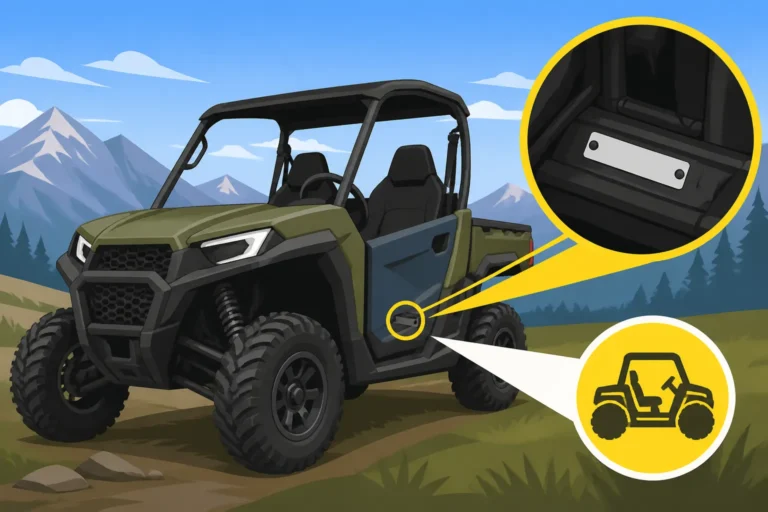
- Maintain Detailed Records: Keeping thorough records of your machine’s VIN, title, bill of sale, maintenance history, and any installed aftermarket parts can not only help you get accurate quotes but also streamline the claims process if an incident occurs. A well-documented history can prevent disputes over the value of your machine or the existence of specific features. Knowing where your [Where a Side-by-Side Hides Its VIN] is crucial for this documentation.
The Risks of Riding Uninsured in Montana
While it might seem tempting to skip insurance to save a few dollars, especially if you rarely ride on public roads, the potential consequences of riding an uninsured ATV or UTV in Montana far outweigh any short-term savings. It's a gamble with potentially devastating financial and legal repercussions.
Legal Consequences and Penalties
Even if comprehensive OHV insurance isn't always a blanket legal requirement for private property or designated off-road trails in Montana, that doesn't mean you're immune to legal trouble.
- Liability for Accidents: If you cause an accident and injure someone or damage their property, and you don't have liability insurance, you are personally and solely responsible for all those costs. This could mean paying for medical bills, property repairs, lost wages, and potentially pain and suffering out of your own pocket. A lawsuit could wipe out your savings, force the sale of assets, or even lead to wage garnishment for years to come. The financial implications can easily dwarf any premium you would have paid.
- Road Riding Requirements: If you ever take your ATV or UTV onto any public road or highway where OHV use is permitted, you are typically required to have at least minimum liability insurance, just like any other motor vehicle. Failure to do so can result in hefty fines, license suspension, and potential impoundment of your machine. This applies even if you're just crossing a road or traveling a short distance on a county road to get to a trailhead. Understanding [Montana Road Rules for Young Riders] and adults is crucial here.
- Loss of Riding Privileges: Depending on the severity of an incident or violation, a court could suspend your OHV registration or even your driver's license, effectively ending your ability to enjoy riding in Montana for a period. This is an outcome no rider wants to face. While [Penalties for an Unregistered OHV in Montana] focus on registration, the spirit of legal compliance extends to insurance where required.
Financial Fallout: Out-of-Pocket Costs and Lawsuits
Beyond the legal penalties, the financial impact of an accident without insurance can be catastrophic. You are exposed to every single cost, with no safety net.
- Repair or Replacement Costs: If your uninsured ATV or UTV is damaged in an accident (whether you're at fault or not), or stolen, you're entirely responsible for the cost of repairs or replacement. A modern side-by-side can cost tens of thousands of dollars. Can you afford to replace it outright if it's totaled, or pay for extensive repairs after a collision? For many, this would be an impossible burden, leading to the permanent loss of their machine.
- Medical Expenses for Injuries: If you or a passenger are injured in an accident, your medical bills can quickly skyrocket. Without medical payments coverage or personal health insurance that specifically covers OHV accidents, you could face massive hospital bills, rehabilitation costs, and lost income from being unable to work. This can be particularly devastating if the injuries are severe or long-term. Even if [Does Homeowners Insurance Cover a Quad?] for liability, it rarely covers medical for the operator.
- Lawsuits and Settlements: If you cause an accident, the injured party or property owner can (and likely will) sue you to recover their losses. Without liability insurance, you'd be responsible for paying for your own legal defense, which can be incredibly expensive, in addition to any judgment or settlement awarded against you. A judgment could hang over you for years, impacting your credit and financial freedom.
Peace of Mind: The Unseen Cost of Going Uninsured
Finally, there's the intangible cost of not having insurance: the constant worry and stress.
- Riding with Anxiety: Every bump, every close call, every encounter with another rider becomes a source of anxiety when you know you're unprotected. Instead of fully enjoying the freedom and thrill of Montana's backcountry, a part of your mind is always calculating the risks and potential fallout. This diminishes the very enjoyment you seek from your OHV.
- Strain on Relationships: If you cause an accident that harms a friend or family member, or damages their property, the financial burden placed upon them can severely strain those relationships. Insurance is there to protect those bonds by covering the costs, allowing you to focus on recovery and reconciliation rather than financial blame.
- Impact on Future Finances: An uninsured accident can leave a lasting scar on your financial health, potentially impacting your ability to get loans, buy a home, or even secure certain types of employment for years to come. It's a risk that most financial advisors would strongly caution against.
Ultimately, investing in adequate Montana ATV or UTV insurance isn't just about complying with potential regulations; it's about protecting your financial future, your relationships, and your peace of mind while enjoying the stunning landscapes Montana has to offer.
| Factor Affecting Cost | Description | Impact on Premium (Generally) |
|---|---|---|
| Machine Type | High-performance, high-value, large engine size | Higher |
| Rider Age/History | Younger, inexperienced, poor driving/claims record | Higher |
| Usage | Frequent, aggressive, extensive road use | Higher |
| Storage | Unsecured, outdoor, high-crime area | Higher |
| Coverage Type | Comprehensive, collision, numerous add-ons | Higher |
| Deductible | Lower deductible amount (you pay less out of pocket) | Higher |
| Discounts | Multi-policy, safety course, anti-theft, club affiliation | Lower |
| Location | Urban areas with higher theft/accident rates | Higher |
Disclaimer
This article is for general informational purposes only and does not constitute professional advice. Laws, prices and regulations vary by location and change over time. Consult a qualified professional for guidance on your specific situation.