Replacing a Lost Montana Title
Misplacing the title to your ATV or UTV can feel like finding a flat tire just when you're ready to hit a gorgeous Montana trail—frustrating, inconvenient, and a real head-scratcher. But don't panic! Whether it slipped behind a workbench, got lost in a move, or simply vanished, this guide will walk you through the precise steps to get a replacement title for your off-highway vehicle in Montana, ensuring you're ready for future sales, registrations, or simply peace of mind.
Understanding Your Montana ATV/UTV Title
Your off-highway vehicle (OHV) title isn't just a piece of paper; it's the legal document that proves you own your ATV or UTV. Think of it as your machine's birth certificate and deed rolled into one. Without it, performing a range of common tasks can become incredibly difficult, if not impossible.
Why a Title Matters for Your Machine
The title is your ultimate proof of ownership. If you ever want to sell your ATV or UTV, the buyer will absolutely need a clear title to register it in their name. Imagine trying to sell your house without a deed; it's essentially the same hurdle. Beyond selling, the title is crucial if you need to secure a loan against your machine, claim it from an impound lot, or even resolve disputes about who truly owns it. In Montana, the County Treasurer's office relies on this document to process official transfers and maintain accurate records. It's the cornerstone of legal ownership and future transactions, making its absence a significant problem.
Moreover, having a clear title on hand streamlines the process if you ever need to make changes to your registration, such as updating your address or adding another owner. For instance, if you want to apply for a new registration or perhaps transfer your existing one, a clear title is usually required. Missing this document can lead to delays and extra steps down the road, so understanding its importance is the first step toward appreciating the replacement process. You can learn more about the broader process in our guide on [Titling an OHV in Montana].
Common Scenarios Leading to a Lost Title
Life happens, and titles are often small, easy-to-misplace documents. We've heard it all: the title disappeared during a big move, got accidentally thrown out with old paperwork, was tucked away "somewhere safe" that's now a mystery, or perhaps a family member borrowed it and never returned it. Sometimes, a title might even be lost in a natural disaster like a house fire or flood, adding an extra layer of stress during an already difficult time.
Another common scenario involves machines that have been sitting for a long time. Maybe you bought an old quad for a project, and the seller handed you a title you promptly filed away and forgot about until years later when you finally finished the build. Then, when it's time to register it, the title is nowhere to be found. These situations, while frustrating, are incredibly common, and the Montana Department of Justice has a clear process in place to help you get back on track.
Distinguishing Between a Title and Registration
It's easy to confuse your OHV title with its registration, especially since both are important documents issued by the state. However, they serve very different purposes. Your title, as we've discussed, is the permanent legal proof of ownership. It typically contains information like the vehicle identification number (VIN), make, model, year, and the owner's name. It's a one-time document that only changes hands when the machine is sold.
Your OHV registration, on the other hand, is proof that your machine is legally allowed to be operated on public lands or trails in Montana. It's generally renewed periodically and includes information about the current operating period, along with a decal that you display on your machine. Think of the title as the deed to your property and the registration as the annual property tax receipt that confirms you're allowed to use it. You can operate an OHV with current registration, but you can't sell it easily without a title. Understanding this distinction is key to navigating the replacement process. The registration process itself is handled by the local [Montana County Treasurer OHV Registration] office.
The First Steps When Your Title Goes Missing
Discovering your title is missing can trigger a wave of worry, but taking a systematic approach can save you a lot of grief. Before you even think about forms or fees, there are a few crucial initial steps to take.
Confirming Your Title is Truly Lost
Before you initiate the replacement process, do a thorough search. Titles often turn up in the most unexpected places. Check every folder, drawer, and box where important papers might be kept. Look in vehicle glove compartments or under seats, especially if you had the title out for any reason, like showing it to a potential buyer or getting financing. Even checking with your lender or insurance company, if applicable, might be a good idea, as they sometimes keep copies or even the original title on file until a lien is released.
Don't forget to ask anyone who might have had access to the title, such as family members, previous sellers (though this is less likely for a lost title you had), or even a mechanic if they ever needed it for specific repairs. A little detective work upfront can often save you the time and expense of applying for a duplicate. Once you're absolutely certain it's gone, then it's time to move forward with the official steps.
Gathering Essential Information Before You Act
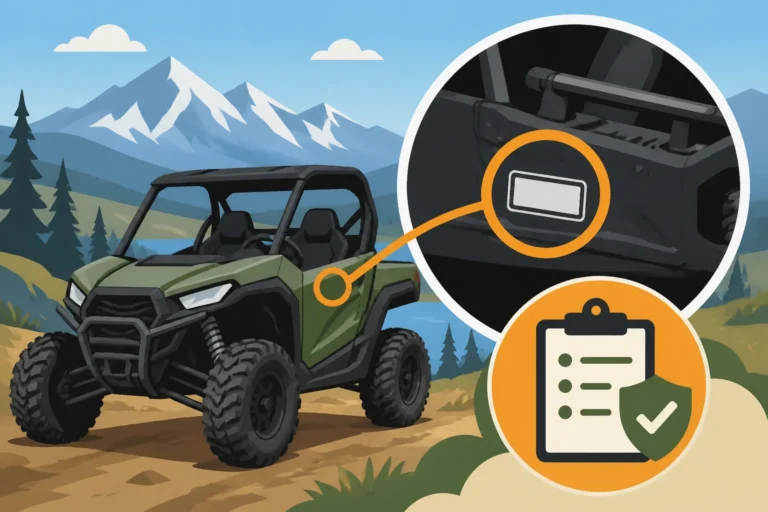
Even without the physical title, you likely have access to most of the information needed to request a replacement. The most critical piece of information is your machine's Vehicle Identification Number (VIN). This unique 17-character code is typically stamped on the frame of your ATV or UTV. Knowing your VIN is paramount, as it's how the state identifies your specific machine in their records. You'll also need the make, model, and year of your OHV.
Beyond the machine's details, you'll need your personal information: your full legal name, current address, and possibly a driver's license number. If the machine is titled under multiple names, you'll need the information for all listed owners. If you happen to have an old registration card or insurance policy, these documents often contain the VIN and other vital details that can help immensely in completing the application for a duplicate title. This is where having good records, even if they're not the original title, really pays off.
Where to Start Your Replacement Journey
In Montana, all title and registration services for off-highway vehicles are handled at the county level. This means your first stop will be your local County Treasurer's office. You cannot replace a Montana title through an online portal run by the state or by mail directly to the Department of Justice in Helena; you must go through your county. This is the same office you would visit to apply for [Montana OHV Registration Cost at the Treasurer].
Before you head out, it's always a good idea to check their specific operating hours and any local requirements. Some smaller counties might have limited hours for vehicle services, or they might have specific forms they prefer you use. A quick phone call or a check of their county website can save you a wasted trip and ensure you have all the necessary items in hand. They are the gatekeepers to getting that duplicate title issued, so understanding their process is key.
Navigating the Montana Title Replacement Process
Once you've confirmed your title is lost and gathered all your machine's information, you're ready to tackle the official replacement process. It's fairly straightforward, but requires attention to detail.
Required Forms and Documentation
To apply for a duplicate title in Montana, you will generally need to fill out a specific form. This is usually the Application for Certificate of Title, often referred to as a Form MV1, though counties may have slightly different versions or supplemental forms. On this form, you'll provide all the information you gathered: your personal details, the OHV's VIN, make, model, and year. You will need to indicate that you are applying for a "duplicate" or "replacement" title.
In addition to the form, you'll need to present valid identification, such as a driver's license or state ID. If there was a lienholder on your original title and it has since been paid off, you'll need to provide a lien release document from the lender. Without a clear lien release, the county treasurer won't be able to issue a clean title in your name. If you've been working with a service like LawDepot for other legal documents, you might find templates for a bill of sale or lien release there if you ever needed to provide such documents as proof of ownership or payment to another party, although for an official lien release, it must come directly from the lender.
Here's a quick checklist of common documents to bring:
| Document Type | Purpose | Notes |
|---|---|---|
| Application for Certificate of Title | Official request for duplicate title | Obtain from County Treasurer or MT DOJ website. |
| Valid Photo ID | Proof of identity for the registered owner(s) | Driver's License, State ID, Passport. |
| Lien Release | If a previous loan was paid off | Must be original or certified copy from the lender. |
| Proof of Ownership (if available) | Supporting documentation for your claim | Old registration, insurance card, bill of sale (if you have one). |
| Payment for Fees | Required for processing the duplicate title | Check with your County Treasurer for current [Montana OHV Title Fee]. |
Having these documents organized before your visit will make the process much smoother.
The Application Process at the County Treasurer's Office
Once you have your completed application form and all supporting documents, you'll visit your local Montana County Treasurer's office. Be prepared for a wait, especially during peak hours. When your turn comes, a clerk will review your paperwork. They will verify your identity, check the VIN against state records, and confirm that you are the last registered owner of the machine.
If everything is in order, you will pay the required duplicate title fee. This fee covers the administrative cost of processing and issuing the new document. The amount can vary slightly, so it's always best to call ahead or check the county's website for the current fee. After payment, the clerk will process your request, and the Department of Justice will print and mail your new title. This isn't an instant over-the-counter transaction for the title itself, although you'll receive a receipt for your application.
Understanding Fees and Processing Times
When you apply for a replacement title, there will be a fee involved. This fee is set by the state of Montana and is typically consistent across all county treasurers. It's a modest charge to cover the administrative costs associated with retrieving your vehicle's record and printing a new official document. It's always wise to confirm the exact amount with your specific County Treasurer's office before you go, as fees can be subject to change over time. Many offices accept cash, checks, and sometimes credit or debit cards, but confirm payment methods too.
As for processing times, patience is key. While the county treasurer processes your application immediately, the actual printing and mailing of the new title is handled by the Montana Department of Justice in Helena. It's not uncommon for it to take a few weeks for the duplicate title to arrive in your mailbox. You can generally expect it to arrive within [How Long a Title Takes to Arrive], which is usually around 2-4 weeks. During busy periods, or if there are any discrepancies in your application, it might take a bit longer. There isn't typically an expedited option for duplicate titles, so plan accordingly if you have an urgent need for the document.
Special Considerations for Lost Titles
While the general process is straightforward, certain circumstances can add layers of complexity to replacing a lost title. Knowing how to navigate these situations can save you significant time and frustration.
When There's a Lien on Your Machine
If your ATV or UTV still has an outstanding loan, the lender (the lienholder) likely holds the original title. In this scenario, you wouldn't be able to apply for a duplicate title yourself, as you're not technically the primary holder of the title until the loan is paid off. Your first step should be to contact your lender. They will be able to tell you if they indeed have the title and what their process is for handling lost titles while a lien is still active.
If the loan has been paid off but you never received the original title or the lien release, you'll need to work with the lender to obtain a formal lien release document. This document, signed by the lienholder, officially states that the loan has been satisfied and that the lien has been removed. Once you have this lien release, you can then proceed to your County Treasurer's office with the application for a duplicate title, presenting the lien release as proof that you are now entitled to a clear title. More information on this can be found in our article [Liens on a Montana OHV Title]. Without that release, the state's records will still show the lien, and they won't issue a clean title to you.
Dealing with a Deceased Owner or Probate
This is a more sensitive and often complex situation. If the owner of the ATV or UTV has passed away, and their title is lost, the process to obtain a duplicate often involves navigating probate laws. Generally, the personal representative or executor of the deceased owner's estate will be the one authorized to apply for the duplicate title. They will need to provide proof of their appointment (such as Letters Testamentary or Letters of Administration from the probate court) along with the duplicate title application and the deceased owner's information.
If the estate is small and doesn't go through a full probate, Montana has procedures for transferring property via a Small Estate Affidavit. In such cases, the person inheriting the machine would use the affidavit along with a duplicate title application. It's highly recommended to consult with the County Treasurer's office directly in these circumstances, or even an attorney, as the specific documentation required can vary. Our guide on [Transferring a Montana OHV After an Owner Dies] offers further details on this challenging topic.
Lost Titles for Machines Bought Private Party
You bought a machine from a private seller, and they gave you the title. Great! But now that title is lost before you've had a chance to transfer it into your name. This can be particularly stressful. In this scenario, you cannot simply apply for a duplicate title in your name because the state's records still show the previous owner as the legal titleholder. The previous owner is the only one who can apply for a duplicate title, as the duplicate title will be issued in their name.
Your best course of action is to contact the seller and explain the situation. Request that they apply for a duplicate title. Once they receive it, they can then properly sign it over to you. If you cannot reach the seller, or they are unwilling to help, you might be in a tougher spot. You would still need proof of purchase, such as a bill of sale, and may need to explore options like a bonded title. For those situations where the seller never provided all the necessary paperwork, our article [When the Seller Never Signed] details steps you might need to take. Sometimes, even if you have a bill of sale, if it's not adequate, a generic template from a service like LawDepot might not be enough for the state, which requires specific information on a [What a Montana Bill of Sale Should Say] document for title transfer.
Preventing Future Title Headaches
Once you've gone through the process of replacing a lost title, you'll want to take steps to ensure it doesn't happen again. A little foresight can save you a lot of future trouble.
Secure Storage for Your Important Documents
The best way to prevent a lost title is to establish a secure, consistent place for all your important documents. A fireproof safe or a secure filing cabinet at home is an excellent option. When you receive your new duplicate title, immediately put it in this designated spot. Avoid keeping the original title in the OHV itself, or in an easily accessible glove compartment, where it could be lost or stolen.
Consider keeping all related documents together: the title, past registration cards, bill of sale, and any lien release documents. This creates a single point of reference for all your machine's paperwork. If you have multiple OHVs, create separate folders for each one to keep everything organized. This level of organization not only protects against loss but also makes it much easier to access documents when you need them for sales, insurance claims, or other official business.
Digital Backups and Record-Keeping
While a digital copy isn't a legal substitute for the original paper title, it can be an invaluable backup and reference. Once you receive your new title, make a high-quality scan or clear photograph of both sides. Save these digital copies in multiple secure locations, such as a cloud storage service, an external hard drive, or a password-protected folder on your computer.
This digital record won't replace the need for the physical document for official transfers, but it will have all the critical information, like the VIN, title number, and issue date, readily available. If your physical title ever goes missing again, you'll have all the details you need to complete the duplicate title application form without having to hunt for the VIN on your machine or guess at other specifics. This simple step provides peace of mind and significantly streamlines any future replacement process.
What to Do If Your Machine is Stolen or Damaged
While a lost title is a headache, dealing with a stolen or severely damaged OHV adds another layer of complexity. If your ATV or UTV is stolen, the first step is always to report it to law enforcement immediately. Provide them with all the details you have, especially the VIN. Your digital backup of the title will be invaluable here, as it contains all the precise identification numbers your insurance company and the police will need.
If your machine is severely damaged—perhaps in an accident or a fire—and is deemed a total loss by your insurance company, they will typically require the original title to process your claim. If your title is lost in the same incident (e.g., house fire), you'll need to apply for a duplicate title first, even if the machine is totaled. The insurance company will then want that title to "brand" it as salvage or to formally transfer ownership to themselves before issuing your payout. Always communicate openly with your insurance provider about your lost title in these situations, as they may have specific guidance.
Disclaimer
This article is for general informational purposes only and does not constitute professional advice. Laws, prices and regulations vary by location and change over time. Consult a qualified professional for guidance on your specific situation.