What a Rebuilt Title Warns a Buyer About
Buying an off-highway vehicle (OHV) in Montana can be an exciting prospect, but the thrill can quickly turn to dread if you don't fully understand the machine's history. A particular red flag that often catches buyers off guard is a "rebuilt" title, which carries a critical warning about the machine's past and potential future issues. This guide will walk you through what a rebuilt title truly signifies, helping you make an informed decision for your next ATV or UTV purchase.
Understanding What "Rebuilt" Actually Means for an OHV
When you're browsing for a used ATV or UTV, you might encounter titles that aren't "clean." Among these, a "rebuilt" title is one of the most common, and perhaps the most misunderstood. It signals that the machine was once severely damaged, to the point where an insurance company deemed it a total loss. This history is permanently etched onto the title, serving as a constant reminder of its rough past.
The Road from Salvage to Rebuilt
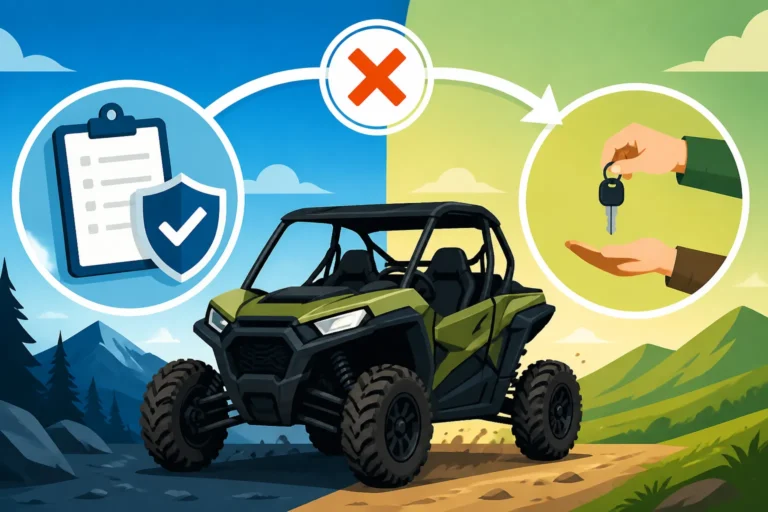
For an OHV to receive a rebuilt title, it first has to be declared "salvage." This happens when a UTV or ATV suffers damage so extensive from an accident, flood, fire, or even theft recovery that the cost to repair it exceeds a certain percentage of its market value—often 75% or more, depending on the insurer. At this point, the insurance company pays out the owner and takes possession of the machine, then brands its title as "salvage." A salvage title essentially declares the machine unfit for legal operation and signals that it has been written off as a total loss. Trying to register a machine with a salvage title in Montana is simply not an option for normal road or trail use; it's considered unregisterable until it goes through the proper steps.
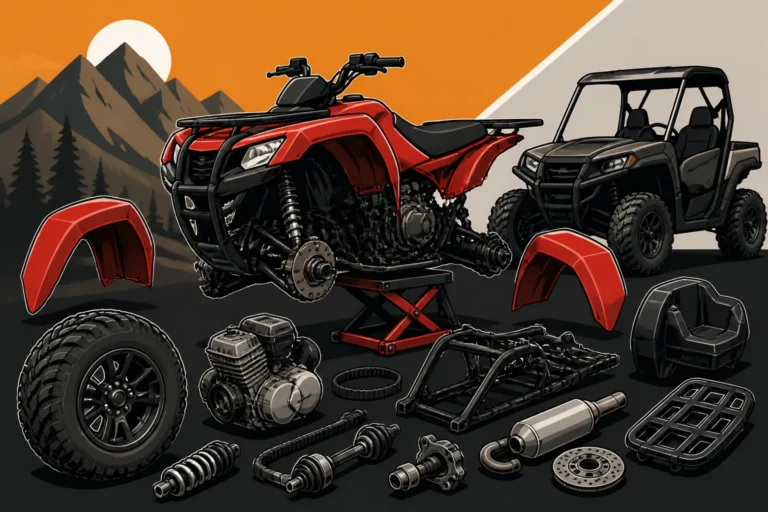
Once an OHV has a salvage title, it can't just be fixed up in a backyard and sold. If someone decides to repair a salvage machine with the intention of putting it back into service, they must undertake a rigorous process. This involves restoring the machine to safe operating condition, often requiring significant mechanical work, frame repair, and addressing any safety concerns. Every repair must be documented, from parts purchased to labor performed. It's a journey from being officially condemned to being certified as roadworthy again, a journey that involves careful attention to detail and significant investment. This process is crucial because the goal is to erase the 'unfit' stamp, but the history remains.
Who Issues a Rebuilt Title in Montana
After a salvage OHV has undergone all necessary repairs, it needs to pass a thorough inspection before it can ever be legally operated or registered again in Montana. This inspection is typically conducted by authorized personnel, often through the Montana Department of Justice (DOJ) Motor Vehicle Division (MVD) or specific county treasurers, to ensure that the machine is safe and that all repairs were done correctly and with legitimate parts. They'll verify the machine's identity, often checking the VIN carefully to ensure it hasn't been tampered with and matches documentation, a step often overlooked but vital, as detailed in [Running the Serial Number First].
During this inspection, the goal is to confirm that the vehicle meets all safety standards and that its structural integrity has been restored. If the machine passes this stringent review, the MVD will then issue a new title, branded "rebuilt." This "rebuilt" designation is permanent. It tells any future buyer that while the machine is now considered safe to operate, it has a significant history of severe damage. It's a stamp of approval for its current condition but also a flashing yellow light regarding its past. This process also ensures that the machine can eventually be registered, a necessary step for most riders in Montana, as outlined in [Titling an OHV in Montana].
The Financial Red Flags of a Rebuilt Title OHV
A rebuilt title isn't just a historical note; it has real financial implications that can impact you long after the purchase. For many buyers, the allure of a lower price tag on a rebuilt machine can be strong, but it's crucial to understand the long-term financial consequences before you commit. The initial savings might be quickly overshadowed by other costs and challenges.
Lower Resale Value and Limited Financing Options
One of the most immediate financial warnings associated with a rebuilt title is its impact on resale value. When it comes time to sell, you'll almost certainly find that a rebuilt OHV commands a significantly lower price than a comparable machine with a clean title. Many potential buyers are wary of rebuilt titles, fearing hidden problems or simply preferring a machine with an unblemished history. This limited buyer pool and reduced demand directly translate into a lower selling price for you. Even if you've meticulously maintained the machine and had no issues, the title's branding will always devalue it in the market.
Furthermore, financing a rebuilt title OHV can be a major hurdle. Many lenders are reluctant to offer loans for machines with a rebuilt title due to the higher risk perception. They see the past damage as a liability, making the asset less secure for their investment. If you do find a lender willing to finance, be prepared for less favorable terms, such as higher interest rates or larger down payments. This often means buyers must pay cash, which can restrict your options and ties up a significant amount of capital. Insurance can also be affected; while you might be able to get liability coverage, comprehensive or collision coverage can be more expensive or even unavailable for a rebuilt title, leaving you exposed if the machine suffers further damage.
Hidden Costs and Unexpected Repairs
The journey from a salvage designation to a rebuilt title means repairs were made, but it doesn't guarantee perfection. One of the biggest financial risks is the potential for hidden or recurring issues related to the original damage. Not all repairs are created equal, and some underlying problems might not have been fully addressed or could resurface over time. For example, a frame that was straightened might still have subtle weaknesses, or electrical components exposed to water damage could develop intermittent problems months or years down the road. These unexpected repairs can quickly eat into any initial savings you might have enjoyed from the lower purchase price.
It's not uncommon for OHVs with rebuilt titles to require more frequent maintenance or encounter issues that machines with clean titles rarely face. The stress from the original incident might have compromised components that weren't obvious during the initial rebuild inspection. This is why a thorough pre-purchase inspection by an independent, experienced OHV mechanic is absolutely non-negotiable. They can often spot signs of substandard repairs or lingering issues that the average buyer would miss. Always factor in the possibility of these additional costs when considering a rebuilt machine; a seemingly great deal could quickly become a money pit if you're not careful.
Protecting Yourself When Considering a Rebuilt Title OHV
If you're still considering a rebuilt title OHV, whether for the lower price point or because you enjoy a project, you absolutely must go into the purchase with your eyes wide open and a robust plan for due diligence. Skipping steps here can lead to serious headaches and financial losses down the line. Protecting yourself means being proactive and asking all the right questions, even the uncomfortable ones.
Demand Detailed Documentation and Proof of Repairs
Never, ever buy a rebuilt OHV without demanding a comprehensive paper trail. The seller should be able to provide not just the rebuilt title itself, but also detailed documentation of the damage that led to the salvage branding and all subsequent repairs. This includes repair invoices, receipts for parts purchased, and even photographs showing the machine both before and during the repair process. This documentation is your window into the machine's past and the quality of the work performed. Without it, you're essentially buying blind, relying solely on the seller's word, which is a risky gamble.
Ensure that the VIN on the title matches the VIN on the machine in multiple locations, as discrepancies can signal fraud or improper repairs, a common issue explored in [Fixing a Wrong VIN on a Montana Title]. A reliable seller should have no problem providing this information. If they balk or claim to have lost the records, consider that a major red flag and walk away. This documentation is vital not only for your peace of mind but also for future resale or if you ever need to demonstrate the machine's history to an insurer or mechanic. A detailed [What a Montana Bill of Sale Should Say] is also crucial, explicitly stating the rebuilt title status.
Get a Professional Pre-Purchase Inspection
This step is perhaps the most critical when dealing with a rebuilt title. You absolutely must arrange for an independent, certified OHV mechanic to perform a thorough pre-purchase inspection before you hand over any money. Do not rely on the seller's mechanic or a general auto shop; you need someone with specific expertise in ATVs and UTVs. This expert eye can often detect subtle signs of previous damage that were either poorly repaired or overlooked during the official rebuilt inspection. They can check for frame integrity, inspect the suspension components, scrutinize electrical systems for water damage, and evaluate engine and drivetrain health.
Even if the machine passed its state-mandated rebuilt inspection, a second, unbiased opinion is invaluable. The state inspection focuses on safety and proper reassembly, but an independent mechanic will look at the long-term reliability and potential for future issues. This inspection might cost you a small fee, but it's a minor investment that could save you thousands in future repairs or buyer's remorse. A good mechanic will also test-ride the machine and check for any unusual noises or handling characteristics, providing a much deeper insight into its true condition, which is a key part of [Going Over a Machine Before You Buy].
Research the Machine's History Thoroughly
Beyond the seller's provided documentation, take the initiative to conduct your own independent research into the OHV's history. Utilize VIN check services (there are services available specifically for powersports vehicles, not just cars) to pull reports that can reveal previous accidents, salvage declarations, and potentially even theft reports. While not every service is perfect, they can often provide a crucial layer of historical data. Compare the information from these reports with the documentation provided by the seller. Any discrepancies should be thoroughly investigated.
Furthermore, try to understand the "story" behind the salvage and rebuild. Was it flood damage? A collision? Fire? The nature of the original damage can significantly influence the type of latent problems the machine might have. For example, a machine with flood damage might be prone to electrical gremlins for its entire life, even after extensive repairs. Talking to the previous owner, if possible, can sometimes shed light on these details. Always be skeptical and verify everything. Knowing the full journey of the machine from its original clean title status to its current rebuilt status is essential, especially when considering [Buying a Salvage Machine in Montana].
Considering Legal Guidance for the Purchase
When you're dealing with a rebuilt title, the transaction isn't as straightforward as buying a clean-title machine. The legal aspects can be more complex, especially regarding warranties (or lack thereof) and future liability. It's often wise to consider seeking legal guidance or at least using robust legal templates for your purchase agreement. Services like LawDepot, for example, offer customizable bill of sale and purchase agreement templates that can be tailored to include specific clauses about the machine's rebuilt title status, detailing any agreed-upon conditions, disclosures, and "as-is" statements.
A well-drafted purchase agreement, perhaps with the help of a tool like LawDepot, can protect both buyer and seller by clearly outlining the terms of the sale and acknowledging the machine's history. It should explicitly state that the buyer understands the OHV has a rebuilt title and is purchasing it "as-is," if that's the agreement. This clarity helps prevent misunderstandings or disputes down the road. While not always necessary for every private party sale, for a rebuilt title machine, a little extra legal diligence, even through a reputable template service like LawDepot, can provide significant peace of mind. For more on what to include, check out [Wording a Montana Sale Agreement].
The Benefits (and Risks) of Buying a Rebuilt OHV
Despite the numerous warnings, some buyers still find rebuilt title OHVs appealing, usually because of one main factor. However, it’s important to balance that single benefit against the inherent risks that come with such a purchase. Making a clear-eyed assessment is key to avoiding regrets.
The Appeal of a Lower Price Tag
Let's be honest: the primary, almost singular, benefit of buying an OHV with a rebuilt title is the significantly lower purchase price. These machines are often priced considerably below their clean-title counterparts, sometimes offering savings of 20% to 50% or more. For buyers on a tight budget, or those looking for a project machine they can fix up themselves, this price difference can be incredibly tempting. An experienced mechanic, or someone who is very mechanically inclined, might see a rebuilt title as an opportunity to acquire a higher-end model for a fraction of its market value, provided they are confident in their ability to assess and manage any potential lingering issues.
This lower entry cost can make owning an ATV or UTV accessible to more people. Perhaps you only need a machine for occasional ranch work, as discussed in [Montana OHV Rules for Ranch Machines], and don't care about resale value as much as initial outlay. Or maybe you're looking for a spare machine to keep at a Montana cabin, as highlighted in [Keeping a Machine at a Montana Cabin]. In these specific scenarios, where the buyer has a clear understanding of the risks, a rebuilt title machine can offer a functional solution without breaking the bank. Just remember that the "deal" comes with strings attached, and a clear understanding of [Salvage and Rebuilt Machines in Montana] is paramount.
Inherit Risks Even After Inspection
Even after a machine has been meticulously repaired and passed a state inspection to receive a rebuilt title, it still carries inherent risks. The "rebuilt" brand is a permanent reminder of a significant event in its past, and some issues might simply be impossible to fully resolve or predict. For example, a frame that was bent and straightened, while deemed safe, might never have the exact same structural integrity as an original, undamaged frame. This could affect its handling characteristics or its resilience in future impacts. Electrical systems, especially after water damage, can be notoriously difficult to fully restore to perfect, long-term reliability, leading to intermittent problems that are frustratingly hard to diagnose and fix.
Furthermore, a rebuilt title can pose an ongoing liability risk. While the machine is deemed safe, if it's involved in a future accident, the fact that it once held a salvage title could complicate insurance claims or even legal proceedings. Opposing parties might argue that the prior damage contributed to the incident or to the extent of the new damage. This "known unknown" factor means that even with careful inspection and repair, there's always a lingering question mark over the machine's long-term durability and safety. This is why thorough due diligence, including perhaps using a comprehensive contract from a service like LawDepot, is crucial to minimize these inherit risks.
Table: Salvage vs. Rebuilt OHV Titles in Montana
To help clarify the distinctions, here's a comparison of salvage and rebuilt titles for OHVs in Montana:
| Feature | Salvage Title | Rebuilt Title |
|---|---|---|
| Meaning | Total loss by insurance, unfit for operation | Previously salvaged, now repaired and inspected |
| Legal Operation | Not street/trail legal | Legal to operate if properly registered |
| Registration in MT | Cannot be registered | Can be registered after MVD inspection and approval |
| Resale Value | Extremely low (for parts or project) | Significantly lower than clean title |
| Financing | Virtually impossible | Difficult, often requires cash or specialized loans |
| Insurance Coverage | Usually only basic liability, if any | More options, but can be more expensive or limited |
| Inspection Required | No (until repairs are made for rebuild) | Yes, by MVD or authorized inspector after repairs |
| Purpose | Parts donor, project base | Restored to operational status for use |
| Primary Risk | Illegality, severe damage | Latent defects, reduced value, financing issues |
This table highlights the critical differences, emphasizing that while a rebuilt title brings an OHV back to operational status, it doesn't erase its past, and significant differences remain compared to a clean title.
In the end, while a rebuilt title OHV might offer an attractive price point, it's a purchase that demands extra caution and a deep understanding of the potential pitfalls. Always remember the warnings it carries, conduct rigorous inspections, demand thorough documentation, and protect yourself with clear agreements, perhaps utilizing services like LawDepot for robust contracts. Arm yourself with information and mechanical expertise, and you can make the most informed decision for your Montana off-road adventures.
Disclaimer
This article is for general informational purposes only and does not constitute professional advice. Laws, prices and regulations vary by location and change over time. Consult a qualified professional for guidance on your specific situation.