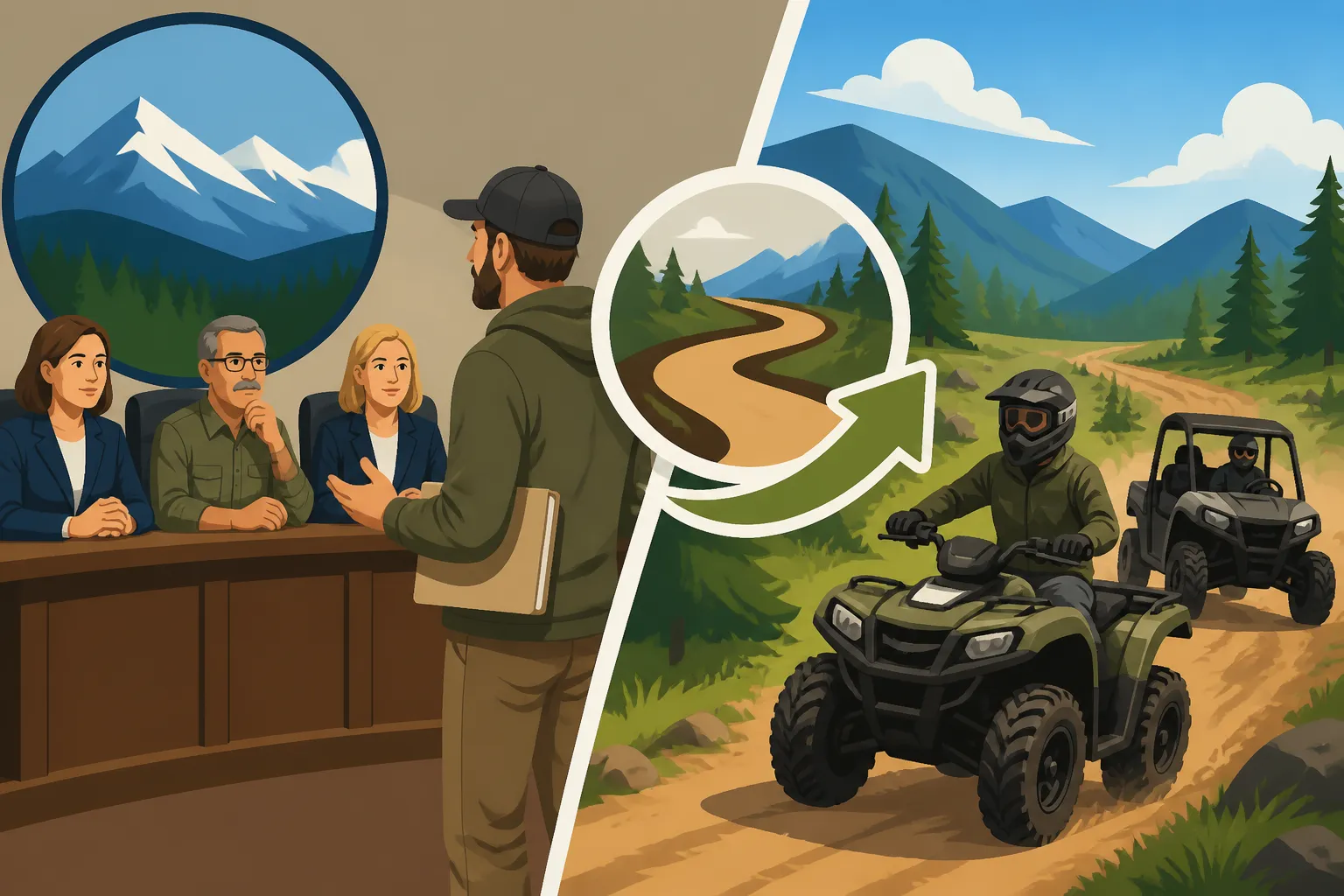
Asking County Commissioners to Open a Road
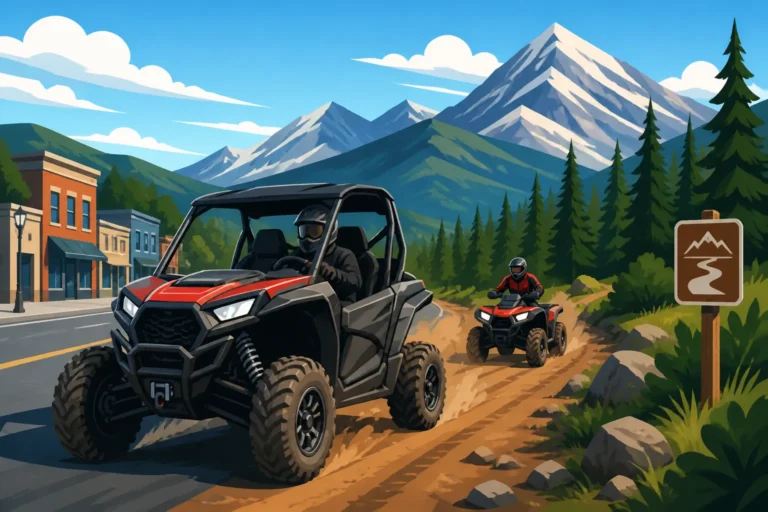
It's incredibly frustrating when you're looking at a perfectly good county road, maybe a quiet gravel path that connects two amazing trail systems or leads right into your favorite small town for lunch, and you see signs that say "No OHV Access." You know your machine is capable, you're a responsible rider, and yet, there it sits, off-limits. This guide is here to walk you through the practical steps of engaging with your local county commissioners in Montana, helping you understand how to respectfully and effectively advocate for opening those roads to off-highway vehicle use.
Understanding the Lay of the Land: Why Road Access is Tricky
Before you can ask for change, it's really important to understand why things are the way they are. County commissioners in Montana aren't just arbitrarily closing roads to OHVs; there are often deeply rooted reasons, whether they're about public safety, noise concerns, property owner complaints, or simply long-standing traditions. Knowing these potential sticking points can help you build a stronger case for change.
Who Makes the Rules on County Roads?
In Montana, county commissioners hold a significant amount of sway over local road access, particularly on those unpaved or less-traveled routes that crisscross the landscape. They are the elected officials responsible for the administration of county affairs, and that includes making decisions about how county roads are used. While the state provides a general framework for OHV operation, the specifics often come down to local ordinances and the discretion of these commissioners. This is why you'll find different rules from one county to the next; what's allowed in, say, Gallatin County, might be completely different from [Registering an OHV in Yellowstone County] or Flathead County. It can feel like a patchwork quilt of regulations, making it hard for riders to know where they can and can't go.
Think about it from their perspective for a moment: they're balancing the interests of local residents, businesses, land owners, and various recreational groups, not just OHV riders. They might hear from folks concerned about dust, noise near their homes, or potential conflicts with horse riders or hikers. You'll often find that the decisions they make are a reflection of the feedback they receive from the most vocal parts of their constituency.
Common Reasons for Road Closures to OHVs
There's rarely one single reason a road is closed to OHVs. Often, it's a mix of factors that have led to the current regulations. One big concern is always safety. Commissioners might worry about OHVs mixing with higher-speed traffic, especially on blind corners or narrow stretches. They might also be concerned about accidents involving inexperienced riders or machines that aren't properly equipped for road use.
Another major factor is noise and disturbance. While we love the sound of our engines, not everyone does, especially those living close to popular riding routes. Dust, too, can be a huge issue for rural residents. And let's not forget property rights and trespass concerns. Many county roads are bordered by private land, and there can be fear that opening roads to OHVs will lead to more instances of riders leaving the public right-of-way and trespassing on private property. It’s also important to remember that some roads might be managed by the [Montana Forest Service Roads] or [Montana Rules on BLM Roads], which have their own permitting and usage guidelines, further complicating the picture.
Commissioners also often weigh the potential impact on the road surface itself. Heavy or frequent OHV use, especially by machines with aggressive tires, could be seen as accelerating wear and tear on gravel roads, increasing maintenance costs for the county. These are all valid concerns, and addressing them head-on in your proposal will be key to making progress.
Preparing Your Case: What You Need Before Approaching Commissioners
Going into a meeting with your county commissioners without a solid plan is like heading out on a ride without checking your fuel or tire pressure—you're probably not going to get very far. A well-researched, organized, and persuasive presentation is absolutely crucial. You need to show them you've done your homework and that you're serious about being part of a solution, not just making a demand.
Researching Existing Ordinances and Precedents
Your first step is to become a local expert on OHV regulations. Dig into your county's existing ordinances. Most counties have these available online, often through their clerk and recorder's office website. Look for any rules specifically addressing OHVs, motor vehicles, or recreational access on county roads. Pay close attention to definitions, permitted uses, and any clauses that allow for exceptions or special designations. You might also find information on [Montana City Streets and Municipal Ordinances] if you're trying to connect through a town.
It's also worth looking into what other counties in Montana have done. Have neighboring counties successfully opened roads to OHVs? If so, what were the conditions? What kind of restrictions did they put in place? Learning from other communities—both successes and failures—can provide valuable insights and potential models for your own county. If another county has opened roads, it demonstrates a precedent that your commissioners might find reassuring. This research gives you a strong foundation, showing that your request isn't coming out of thin air.
Gathering Support and Data
Commissioners are more likely to listen when they know your request isn't just one person's opinion. Build a coalition! Talk to other riders, local businesses that might benefit from increased OHV tourism (gas stations, restaurants, lodging providers, gear shops like those that carry SuperATV products), and even land owners who might support responsible access. Collect signatures for a petition, gather letters of support, or simply document conversations you've had.
Beyond showing popular support, arm yourself with data. How many OHVs are registered in your county? What's the economic impact of OHV recreation in Montana? (Think about fuel sales, food purchases, overnight stays, and equipment purchases). What about safety statistics on roads where OHVs are currently allowed? If you can demonstrate that OHV use is safe, economically beneficial, and supported by a significant portion of the community, your case becomes much stronger. This isn't just about anecdotes; it's about presenting compelling evidence.
Here's a quick checklist of arguments to consider:
| Argument Category | Examples |
|---|---|
| Economic Benefit | Increased tourism dollars (lodging, food, fuel, gear). Support for local businesses in small towns. Creation of new jobs (guides, rental shops). |
| Connecting Trails | Allowing access on short road segments can link disparate trail systems, creating longer, more appealing routes. This reduces illegal road riding and improves rider experience. |
| Community Support | Number of registered OHVs in the county. Petitions or letters from local residents and businesses. Testimonials from responsible riders. |
| Safety Improvements | Formalizing access provides an opportunity to educate riders on rules, helmet use, and appropriate speed. Can designate safer routes away from main traffic. Reduces spontaneous, unregulated road use. |
| Minimal Impact | Focus on less-traveled gravel roads, avoiding busy paved highways. Propose speed limits, specific hours of operation, or seasonal closures to mitigate concerns. Highlight low-impact vehicles. |
| Precedent | Successful implementation of OHV road access in other Montana counties or similar communities. Show how their successes can be replicated. |
| Responsible Rider Ethic | Emphasize the commitment of the OHV community to safety, ethical riding, and respecting private property. Offer to partner with the county on signage and rider education. |
Proposing Solutions and Mitigation Strategies
Don't just ask them to open roads; show them how it can be done responsibly. This is where you become a problem-solver, not just an advocate. Consider proposing specific solutions to the concerns you identified earlier.
- Safety: Could specific speed limits be enforced? What about requiring [Montana Helmet Rules for Riders Under 18] (and maybe recommending them for everyone)? Could specific signage be installed? Perhaps recommending machines be equipped with turn signals, mirrors, and appropriate lighting (many aftermarket parts from companies like SuperATV can help with this) to meet [What Montana Requires on an OHV Road Ride].
- Noise and Dust: Could certain roads be designated for OHV use, directing traffic away from residential areas? What about proposing specific hours of operation?
- Trespass: Could you offer to help with signage indicating public vs. private land? Promote rider education campaigns emphasizing "staying on the trail" and "respect private property"?
- Road Damage: Propose restricting access to certain types of roads (e.g., only gravel roads, not paved). Offer volunteer groups to help with road maintenance.
The key here is to present a well-thought-out plan that addresses potential downsides and demonstrates your commitment to being a responsible part of the community. This proactive approach shows the commissioners that you've truly considered the implications and are prepared to work with them.
Making Your Pitch: Presenting to the County Commissioners
The actual meeting with the county commissioners can feel a bit intimidating, but remember, they are elected officials there to serve the public. Approaching them with respect, clarity, and a strong, organized presentation will make a world of difference. This isn't just about showing up; it's about making a lasting, positive impression.
Scheduling the Meeting and Preparing Your Presentation
First things first, you need to get on their agenda. Contact the county commissioner's office and inquire about their meeting schedule and how to request time for a presentation. Be clear about your topic: advocating for OHV road access. They'll likely give you a specific time slot, which might be anywhere from five to fifteen minutes. This means you need to be concise and impactful.
Prepare a formal, yet easy-to-understand, presentation. This could be a printed handout, a short slide deck, or even just a clear outline of your points. Include all the research, data, and proposed solutions you've gathered. Practice your presentation beforehand, perhaps with a friend or fellow rider, to ensure you can deliver your points smoothly within the allotted time. It's also helpful to have a designated spokesperson if you're attending as a group, though everyone should be prepared to answer questions. Remember, the goal is to inform and persuade, not to argue or lecture.
Key Elements of a Strong Argument
When you're actually in front of the commissioners, every word counts. Start by clearly stating your objective: to request consideration for opening specific county roads to responsible OHV use. Then, move into your arguments, backing them up with the data you've collected.
- Emphasize Economic Benefits: Highlight how increased OHV tourism can boost local businesses, bring in tax revenue, and support the community. Show them how other parts of Montana benefit from OHV tourism.
- Focus on Responsible Use: Stress that you and other riders are committed to safe and ethical riding. Mention safety education programs, helmet use, and respect for private property. You could even suggest partnering with the county on [Montana OHV Clubs and Trail Adoption] programs to show community involvement.
- Propose Specific Roads and Conditions: Don't just ask for "all roads." Identify specific, low-traffic gravel roads that would provide valuable connections without major disruptions. Propose specific conditions, such as speed limits, noise restrictions, or seasonal access.
- Offer Solutions to Concerns: Directly address potential issues like noise, dust, and safety. Your mitigation strategies are crucial here, showing you've thought this through.
- Highlight Community Support: Present your petition, letters of support, and anecdotes from local residents and businesses. Show them this isn't a fringe idea, but something with broader backing.
Remember to maintain a respectful and positive tone throughout. Your goal is to build a partnership, not create an adversarial situation.
Handling Questions and Objections Respectfully
The commissioners will definitely have questions, and possibly objections. This is where your thorough preparation really pays off. Listen carefully to their questions and respond thoughtfully and honestly. If you don't know an answer, it's better to say, "That's a great question, and I'd be happy to research that and get back to you," rather than guessing.
Anticipate common objections, such as concerns about increased accidents, property owner complaints, or enforcement difficulties. For each potential objection, have a pre-planned, data-backed response. For example, if they raise concerns about accidents, you could point to safety statistics, emphasize the benefits of formalizing access (which allows for better education), or highlight the safety gear like durable roll cages or enhanced lighting options from brands like SuperATV that many riders install. If they mention enforcement, you could suggest methods like clear signage, local rider groups helping with patrols, or working with local law enforcement to educate riders on [Montana Fines for Illegal Road Riding].
The key is to remain calm, professional, and solution-oriented. Avoid getting defensive or emotional. Your goal is to educate them, address their concerns, and ultimately persuade them that opening these roads can be a net positive for the county.
Life After the Meeting: What to Expect and How to Follow Up
Making your pitch is a huge step, but the work doesn't stop when you walk out the door. The period after your meeting is crucial for maintaining momentum and demonstrating your continued commitment to the cause. It's a marathon, not a sprint, and persistence (with politeness!) is often key.
What Happens Next? The Commissioners' Process
After you've presented, the county commissioners will likely take your request under advisement. They might discuss it at a subsequent public meeting, direct county staff to conduct further research, or even schedule a public hearing to gather more input from the community. The process can sometimes be slow, and it's important to be patient. Remember, they have many issues to address, and changing road access is often a significant policy decision that requires careful consideration.
It's entirely possible they might propose a trial period for specific roads or suggest an alternative approach. Be open to these possibilities. Any progress, even small steps, is still progress. They might also reach out to you or your group with follow-up questions or requests for additional information. Be ready to provide whatever they need in a timely manner. Their process is often about consensus-building and understanding the full scope of an issue before making a decision that impacts the entire county.
Staying Engaged and Building Alliances
Don't disappear after your meeting. Send a polite thank-you note or email to the commissioners, reiterating your main points and offering your continued support as a resource. Stay informed about their meeting schedules and look for updates on your proposal. If a public hearing is scheduled, make sure your supporters are aware and encourage them to attend and speak up.
Continue to engage with local community groups, businesses, and landowners. The more positive relationships you build, the stronger your long-term advocacy will be. Consider working with existing [Montana OHV Clubs and Trail Adoption] organizations, as they often have experience navigating these kinds of discussions. You might find common ground with other recreational users who also seek better access or trail maintenance. Sometimes, working together on broader recreational access initiatives can pave the way for specific OHV road openings. Showing that the OHV community is a positive, engaged force in the county goes a long way.
The Long Game: Persistence and Patience
Opening county roads to OHVs often isn't something that happens overnight. It can be a process that spans months, or even years, especially if it involves changing existing ordinances or addressing complex community concerns. There might be setbacks, delays, or even outright rejections. If your initial request isn't immediately approved, don't get discouraged. Ask the commissioners for specific feedback on why it was denied and what steps you could take to refine your proposal for future consideration.
Use any feedback as an opportunity to strengthen your case. Perhaps you need more data, a clearer plan for enforcement, or stronger community outreach. The key is polite persistence. Continue to educate, advocate, and demonstrate the value that responsible OHV recreation brings to Montana. Over time, consistent, well-reasoned advocacy often leads to positive change.
Disclaimer
This article is for general informational purposes only and does not constitute professional advice. Laws, prices and regulations vary by location and change over time. Consult a qualified professional for guidance on your specific situation.