Open Container Rules on a Ride
Picture this: you've just finished an incredible day ripping through Montana's backcountry trails, the dust has settled, and the sun is dipping low, painting the Big Sky in hues of orange and purple. You pull into camp, ready to kick back, maybe grill some burgers, and crack open a cold beverage to celebrate a fantastic ride. But hold on a minute—before you reach for that frosty can, it’s absolutely critical to understand Montana’s open container rules when you’re out with your ATV or UTV. Many riders assume the rules for their off-highway vehicles are completely different from cars, but that’s not always the case, and getting it wrong can turn a perfect day into a real headache. This guide will help you navigate the nuances of Montana’s laws to ensure your post-ride relaxation doesn't come with an unexpected ticket.
Understanding Montana's Open Container Laws for OHVs
It's easy to get caught up in the freedom of off-roading, where the trails feel miles away from typical road rules. But when it comes to alcohol, especially open containers, Montana takes a pretty consistent stance across all types of motorized vehicles, including your beloved ATV or UTV. The core idea is simple: public safety. When someone is operating a machine, whether on asphalt or dirt, the potential for impairment and risk increases significantly with alcohol in the mix.
The Basics: What Constitutes an Open Container?
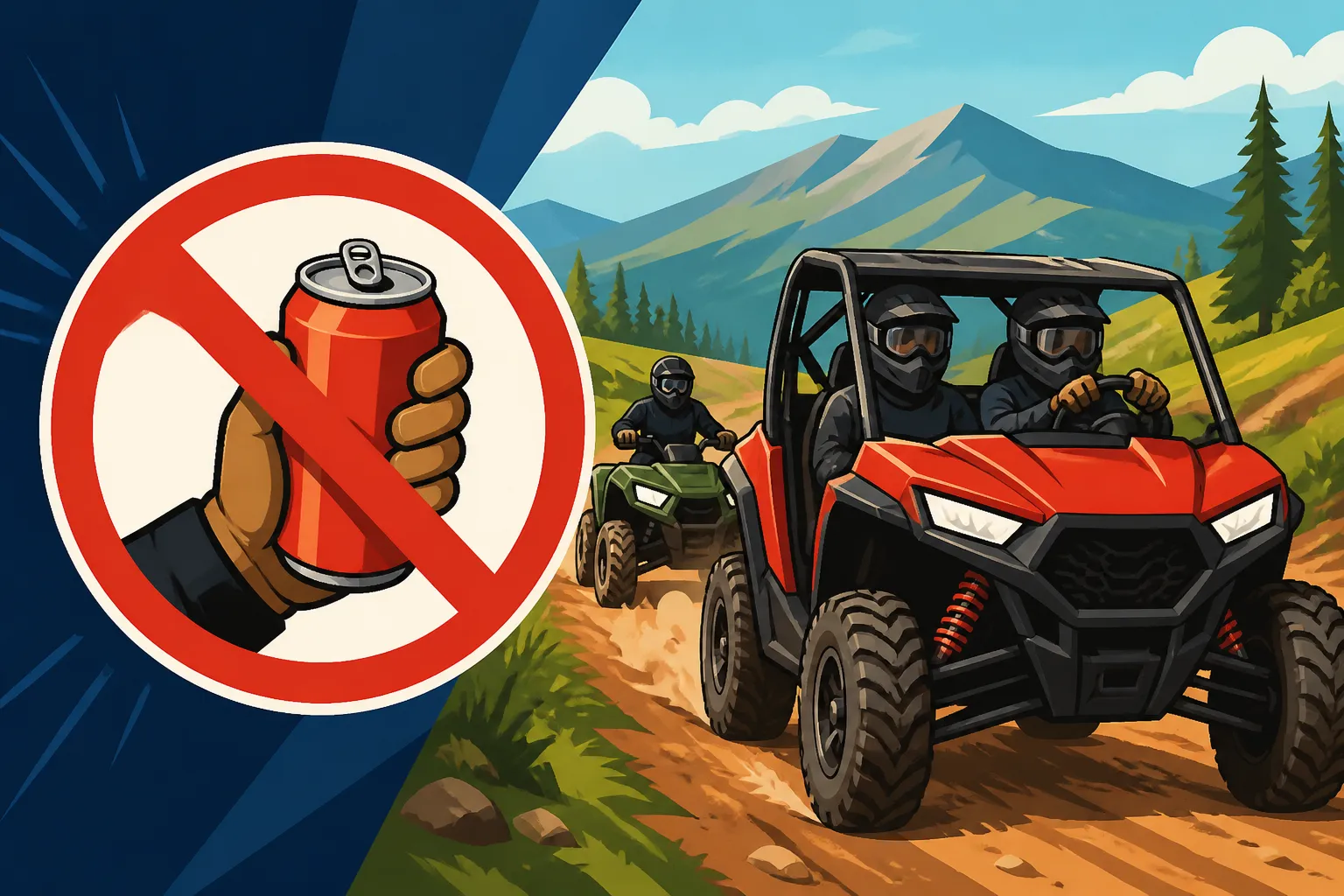
Let's cut right to it. In Montana, an "open alcoholic beverage container" generally means any bottle, can, or other receptacle containing an alcoholic beverage that has been opened, or a seal broken, or the contents partially removed. It also includes any container that has been resealed but whose original seal has been broken. This definition is pretty broad and intentionally so. It's not just about a half-empty beer can; it could be a flask, a cup with mixed drinks, or even a wine bottle with the cork put back in if the original seal was broken.
The law isn't just concerned with the type of container, but its condition. If that cap is off, that tab is popped, or that cork has been pulled, you've got an open container. This applies even if you swear you haven't touched it yet, or you only had "one sip." The key is the integrity of the original seal. For those who invest in quality gear like a SuperATV cargo box, keeping unopened beverages securely stowed away can make a big difference in avoiding misunderstandings, rather than just tossing them into a seat or a less secure storage area.
Where Do These Rules Apply?
This is where many riders get confused, and it’s a crucial point for anyone hitting the trails. Montana's open container laws primarily apply to motor vehicles being operated on a "highway." Now, you might think, "My side-by-side isn't on a highway!" But Montana’s definition of a "highway" is much broader than just paved interstates and county roads. It often includes public roads, streets, alleys, and even some public trails and areas managed by agencies like the Forest Service or BLM.
Here’s the rub: if you’re riding on a county road to get to a trailhead, or even on a designated OHV trail that's considered part of the "public highway system" by the state or federal land managers, those open container rules are almost certainly in effect. This is especially true for any designated OHV routes on public lands. [Riding an OHV on the Road in Montana] often means you're subject to the same rules as a car, and that includes open containers. Even in some state parks or recreation areas, the internal roadways and main access routes might fall under these rules.
On genuinely private property, with the landowner's explicit permission, the open container laws for public roads typically don't apply. However, that doesn't mean you're free to operate an OHV while impaired; [Montana Alcohol Limits for OHV Operators] still come into play, and a DUI on an OHV can happen anywhere, public or private, if you're found operating while intoxicated. The open container law is distinct from DUI, but they often go hand-in-hand if you're caught with an open container and appear impaired.
The "Operator" vs. "Passenger" Distinction
Just like in a passenger vehicle, Montana's open container laws primarily target the operator of the vehicle and any passengers who have an open container in their possession or readily accessible. If you're the one steering and your buddy in the passenger seat is holding an open beer, both of you could potentially face citations. The law is designed to prevent open containers from being present within the passenger area of a motor vehicle being operated on a public highway.
So, if you're driving your UTV to a remote camping spot, and your passenger has an open container, that’s a violation. The logic is that an open container could tempt the driver or become a distraction. If you're riding a solo ATV, this distinction is less relevant, as you are both operator and, well, solo. The safest bet, whether you're alone or with a group, is to ensure all alcohol remains sealed and stowed away until you've reached your final destination and your machine is parked for the day. This is where durable, secure storage solutions, like a quality hard-sided cooler strapped into a SuperATV bed enclosure, can be your best friend.
Specific Scenarios: When a Drink Becomes a Problem
The gray areas around open container laws for OHVs often arise because off-road environments are so varied. Is a dusty two-track in the national forest the same as Main Street in Bozeman? Legally, it often can be, especially if that two-track is designated for motorized use and maintained by a public agency.
Trail Riding and Designated OHV Areas
Many of Montana's fantastic [Montana's National Forest Trail Systems], as well as trails managed by the BLM, are public lands and, as such, fall under various state and federal regulations. If you're on a designated OHV trail or a Forest Service road that's open to vehicles, the general rule of thumb is to assume that state traffic laws, including open container laws, apply.
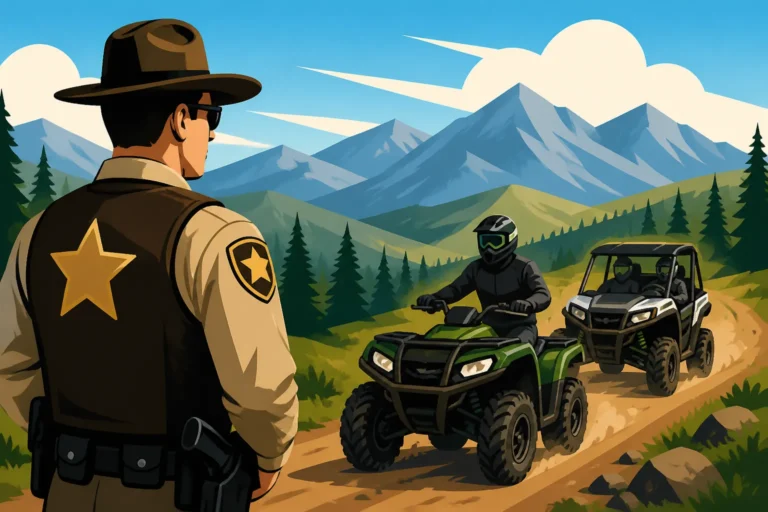
Think of it this way: these aren't merely "trails"; they are often considered public thoroughfares for motorized use. A Montana warden or sheriff's deputy could be patrolling these areas, and they will enforce the law. This means that having an open container within reach while you're actively riding on these trails is a no-go. Even if you're not on a paved road, the rules about alcohol consumption and open containers are still taken seriously. For specifics, always check the local rules for the particular forest or BLM district you plan to visit, as they might have additional regulations beyond state law. Many riders miss this detail, figuring "out in the sticks" means "out of sight, out of mind," but that's a risky assumption.
Crossing or Riding on County Roads
This is perhaps the most common trap for OHV riders. Montana allows OHVs on many county roads, given they meet certain equipment requirements and riders follow specific rules. If you're utilizing these roads, even for short stretches to connect trails or get into town, you are absolutely subject to the same open container laws as any other vehicle. [Montana Road Rules for Young Riders] and adults alike dictate that when you're on a public road, you adhere to the rules.
Imagine you're cruising down a gravel county road, connecting from one trail system to another, with a cold, opened drink in your cup holder. A sheriff's deputy pulls up behind you, sees it, and suddenly your fun day is interrupted. It doesn't matter if you were "just going a mile" or "only had a sip." The open container is present in an operating vehicle on a public roadway. This scenario plays out more often than riders realize, largely because they don't fully connect their OHV to the "motor vehicle" definition in the eyes of the law when on these connecting roads. When you're transitioning from the deep woods to even a quiet county road, it's time to ensure everything is sealed and stowed.
Private Property and Campgrounds
Private property is generally where the public open container laws lose their teeth, but with very important caveats. If you own the land, or have explicit permission from the landowner, and you're not accessible to the general public, then state open container laws typically don't apply to you on that specific property. However, this absolutely does not give you a pass on impaired driving. If you're operating an OHV while intoxicated on private land and cause an accident or injury, you can still face severe legal consequences, including a [DUI on an OHV in Montana]. The difference is often that enforcement might come in response to an incident rather than a routine stop.
In campgrounds, especially those on public land (like Forest Service or State Parks), the rules can be a bit more complex. While you might be able to consume alcohol at your campsite, operating an OHV within the campground roads with an open container could still be a violation if those roads are considered part of the public thoroughfare. The best practice is to always confirm the specific rules of the campground or recreation area you're in. Once your machine is parked, engine off, and you're set up for the evening, then generally, enjoying a beverage at your campsite is fine. Just don't hop back on the quad for a quick spin around the loop with your drink in hand.
| Location Type | Open Container Rules Apply? | Considerations |
|---|---|---|
| Designated OHV Trails | Yes (Generally) | Often considered "public thoroughfares" by land managers. |
| County Roads | Yes | Standard motor vehicle laws apply when operating an OHV on these. |
| Paved Highways / City Streets | Yes | Explicitly treated as motor vehicles, full road rules. |
| Private Land (Owner's Perm.) | No (For Open Container Law) | DUI/DWI laws still apply if impaired operation occurs. |
| Public Campgrounds | Varies (Often Yes on Roads) | OK at campsite, but generally not when operating OHV on campground roads. |
| BLM Roads | Yes | Follows similar rules to Forest Service roads; often considered public access. |
Consequences of an Open Container Violation
Nobody wants their adventure ruined by a citation, but understanding the potential repercussions of an open container violation is vital. It's not just a slap on the wrist; it can carry financial penalties and, more importantly, can escalate to more serious charges if other factors are involved.
Fines and Penalties
A typical open container violation in Montana can result in a fine. While I can't give specific dollar amounts (those can change and vary by jurisdiction), understand that it's generally considered a misdemeanor offense. It will hit your wallet, and it will go on your record. This isn't just a minor nuisance; it's a legal infraction that reflects poorly on you as a responsible rider.
Beyond the immediate financial cost, there's the inconvenience of dealing with the citation. You might have to appear in court, which means taking time off work and traveling. It’s a drain on your time and resources, all for something that is easily avoidable. Far better to spend that money on a new set of tires or an upgrade from SuperATV than on a ticket.
DUI/DWI on an OHV
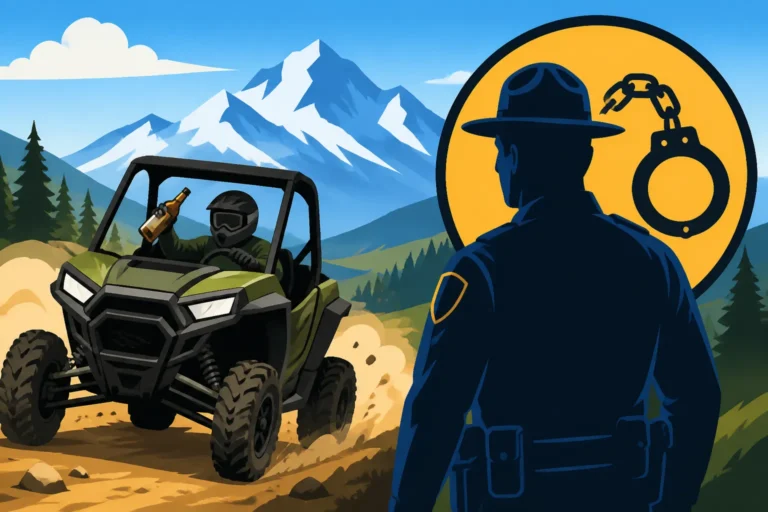
Here’s where an open container violation can quickly spiral into something far more serious: a Driving Under the Influence (DUI) or Driving While Intoxicated (DWI) charge. If an officer observes you with an open container and also suspects you are impaired, they will likely conduct field sobriety tests. If you fail these, or if a breathalyzer test shows your blood alcohol content (BAC) is at or above the legal limit (0.08% for adults 21 and over), you're looking at a DUI/DWI.
A DUI/DWI on an OHV in Montana carries very severe penalties. This isn't just a simple traffic ticket. We're talking about significant fines, potential jail time, mandatory alcohol education classes, and the suspension or revocation of your driver's license – not just your OHV riding privileges. This is why [Montana Alcohol Limits for OHV Operators] exist, and they apply even when you're off the pavement. An open container is often the first visual cue an officer gets, which can then lead to deeper investigation into impairment.
Impact on Your Riding Privileges
Even if it's "just" an open container ticket and doesn't escalate to a DUI, repeated offenses or certain circumstances could impact your ability to legally operate an OHV in Montana. While a single open container violation might not immediately suspend your OHV registration, it does create a record. Authorities take responsible OHV operation seriously, especially as more public lands see increased rider access.
Law enforcement officers, like Montana wardens, have the authority to issue citations for a range of infractions. They are often checking for proper registration, safety gear, and adherence to all rules of the road and trail. If you are stopped and found to have an open container, it can lead to further scrutiny of your machine, your registration (is it current? Is your decal properly placed? [Where a Montana OHV Decal Goes]), and your overall conduct. Riding responsibly means respecting all the rules, not just the ones about staying on the trail.
Best Practices for Enjoying Your Ride Safely
The goal is always to have a fantastic time enjoying Montana’s incredible landscapes without any legal trouble. Adopting a few best practices can help ensure your ride is fun, safe, and fully compliant with the law. It’s about being proactive, not reactive.
Designating a "Driver"
This is perhaps the most fundamental and crucial practice. If your group plans to consume alcohol at your destination, designate a completely sober operator beforehand. Just as you would for a car, this person should abstain from all alcohol while operating the ATV or UTV. This eliminates any risk of impaired driving and avoids the open container issue entirely if they're the only one operating the machine.
This designated driver doesn't just apply to the ride to the campsite. If you've been enjoying beverages at camp, ensure that the designated driver remains sober for any late-night or early-morning jaunts, even if it's just a quick trip for firewood or water. The laws about operating an OHV while impaired are always in effect, regardless of the time of day or the perceived "shortness" of the trip. Safety should always be the priority, and a clear head behind the handlebars or wheel is non-negotiable.
Stowing Alcohol Properly
The phrase "open container" implies easy access. The best way to avoid a violation is to ensure all alcoholic beverages are sealed and stowed away in a manner that makes them inaccessible to the operator and passengers while the OHV is in motion on public land or roads. This means:
- Unopened Containers Only: All cans, bottles, or flasks should have their original seals intact.
- Out of Reach: Place them in a cooler, a locked storage box, or the bed of your UTV, not in cup holders or on seats within arm's reach of anyone in the vehicle.
- Securely Fastened: Use bungee cords, cargo nets, or secure storage solutions to prevent them from moving around. Investing in robust storage, like the bed boxes and cargo racks offered by SuperATV, not only protects your beverages but also signals to any patrolling officer that you've made a deliberate effort to comply with the rules. This equipment helps keep all your gear, including unopened drinks, secure and out of the cabin.
Consider how you would transport alcohol in your car on a cross-state trip; apply the same logic to your OHV for public land travel. Put it in the trunk, in the far back of the pickup bed, or in a secured cargo area where it cannot be reached by those riding in the cabin.
Planning Ahead for Designated Drinking Zones
To truly enjoy your ride and then relax with a beverage, plan your trip to include clear "designated drinking zones." These are typically:
- Your campsite: Once your OHV is parked, turned off, and you're settled in for the night, enjoying an adult beverage around the campfire is generally acceptable (unless specific campground rules state otherwise, or you become a public nuisance).
- Private property: If you're riding on a friend's ranch or private land where you have permission, you have more flexibility. Just remember, impairment laws still apply.
- Designated picnic areas or rest stops: Some recreation areas might have specific zones where alcohol consumption is permitted, but verify these rules beforehand.
The key is to separate the act of riding from the act of consuming alcohol. Your OHV is for enjoying the trails; your campsite or a private gathering spot is for enjoying a drink. Respecting this boundary ensures both safety and legal compliance, allowing you to focus on the good times and the beauty of Montana. Thinking ahead about where and when you plan to enjoy a beverage can save you from a lot of unnecessary stress and potential legal trouble.
Disclaimer
This article is for general informational purposes only and does not constitute professional advice. Laws, prices and regulations vary by location and change over time. Consult a qualified professional for guidance on your specific situation.