Reporting a Trespass to a Montana Warden
Finding someone else’s tracks on your private property, or seeing an off-highway vehicle (OHV) illegally tearing through a pristine patch of public land, can be incredibly frustrating and feel like a direct violation. It stirs up feelings of anger, concern for the land, and a desire to ensure responsible recreation. This guide is here to walk you through the proper steps to report an OHV trespass to a Montana Warden, helping you understand what information you’ll need and what to expect from the reporting process.
Understanding Trespass Laws in Montana
Before you even pick up the phone, it’s helpful to understand what officially constitutes trespass when it comes to OHVs in Montana. Trespass isn't always cut and dry, and knowing the nuances can help you provide clear, actionable information to a warden.
Private Land Trespass
Private land is exactly what it sounds like – land owned by an individual, family, or corporation. When it comes to OHVs, riding on private land without explicit permission from the landowner is a clear act of trespass. This is true whether the land is fenced, unfenced, cultivated, or wild. The responsibility is always on the rider to know whose land they are on and to obtain permission.
Montana law has specific ways landowners can mark their property to indicate it’s closed to public access. While signs saying "No Trespassing" are common, Montana also recognizes [Montana's Purple Paint and Orange Post Marks]. These visual cues serve as clear notice that the land is private and access is restricted. Even without explicit signs or paint, if you see an OHV on land you know to be private and without public access easements, it’s likely a trespass. The landowner's permission is the key. Often, these situations involve riders who might be trying to find a shortcut, or simply don't care about property rights. Either way, it’s a problem that needs to be addressed.
Public Land Trespass and Prohibited Areas
Public land is a bit more complex, as much of it is open to OHV use. However, even on public lands managed by agencies like the Forest Service or Bureau of Land Management (BLM), there are strict regulations about where and when OHVs can operate. Trespass on public land isn't about property ownership, but rather about violating established use rules. This might include riding off designated trails, entering wilderness areas (which are always closed to motorized vehicles), riding on roads or trails closed seasonally, or operating in specific areas designated as "no motorized vehicle" zones.
You might be riding your own properly equipped UTV, perhaps with some robust aftermarket bumpers from SuperATV, on a clearly marked trail, only to see another rider veer off into an ecologically sensitive area or a closed rehabilitation zone. That’s public land trespass. These rules are put in place to protect wildlife, sensitive habitats, water quality, and the overall integrity of the land for future generations. Ignoring them isn't just rude; it's illegal and can cause significant damage. Understanding [Montana Trespass Law for Riders] means knowing these boundaries, whether they're marked by signs, gates, or simply found on a Motor Vehicle Use Map (MVUM).
Gathering Evidence Before You Call
Calling a warden should be done with as much factual information as possible. The more details you can provide, the more effectively they can investigate and, if necessary, take action. This isn't about confronting the trespasser, which can be unsafe, but about being a good witness.
Prioritizing Your Safety
Let's get this out of the way first: Your personal safety is paramount. Do not, under any circumstances, put yourself in a position where you might be confronting someone who is trespassing. You don't know their intentions, their temperament, or if they are armed. Stay at a safe distance, ideally out of sight, and observe. Your role is to report, not to intervene. If you feel threatened or unsafe, retreat to a secure location immediately and then make your call.
It's tempting to want to yell at someone or block their path, especially when you feel like they're disrespecting your land or public resources. But that's a recipe for a bad outcome. Remain calm, keep a low profile, and focus on gathering objective information from a distance.
What Information to Collect
When you witness a trespass, try to gather the following details. It's often helpful to have a small notebook or your phone ready for notes.
- Date and Time: Be precise. When exactly did you observe the trespass?
- Location: This is critical. Provide as much detail as possible: GPS coordinates (if you have them), nearest road names, landmarks, trail numbers, property owner names (if on private land), or even a clear description of the terrain. "Just past the big ponderosa pine on the old logging road off Highway 200" is better than "somewhere in the forest."
- Description of the Machine(s):
- Type: ATV, side-by-side (UTV), dirt bike, truck, etc.
- Make and Model: If you can identify it (e.g., Polaris RZR, Can-Am Defender, Honda Foreman).
- Color(s): Be specific (e.g., bright orange with black accents, forest green).
- Distinguishing Features: Does the machine have a custom lift kit, aftermarket wheels, or perhaps recognizable accessories from a brand like SuperATV? Is it unusually dirty, new-looking, or does it have specific modifications, stickers, or damage?
- Registration/License Plate: This is gold. Try to get the plate number (OHV decal number or regular vehicle plate if applicable). Note the state, too. This is often the quickest way for a warden to identify an owner. You might want to review [Montana OHV Decals and Rear Placement] to know where to look.
- Description of the Rider(s):
- Number of people: How many riders?
- Gender and approximate age: (e.g., male, late 20s; female, teenager).
- Clothing/Gear: Helmet color, jacket type, distinguishing features (e.g., bright yellow jersey, camouflage pants).
- Any distinguishing characteristics: (e.g., long hair, specific backpack).
- Direction of Travel: Where did they come from, and where did they go?
- Nature of the Trespass: Were they just driving through, stopping to hunt, cutting fences, tearing up vegetation, or causing other damage?
- Any other vehicles: Were they accompanied by a truck and trailer? If so, get details on that vehicle too.
Photos and Videos
If it's safe to do so from a distance, take photos or videos with your phone. These can be incredibly valuable. Try to capture:
- The machine(s) clearly, especially the registration decals or license plates.
- The rider(s), if possible, though their identity might be obscured by helmets.
- The location, showing signs of trespass (e.g., tire tracks off-trail, damage to vegetation, evidence of cutting a fence).
- Any distinguishing features on the machine, perhaps even a glance at the brand of tires or specific aftermarket parts.
Do not zoom in so much that the image becomes blurry. Better to have a clear, slightly wider shot than a grainy, super-zoomed image.
Here's a quick checklist for gathering information:
| Information Type | Key Details to Capture |
|---|---|
| When? | Date, exact time, duration of observation |
| Where? | GPS coordinates, street address, nearest landmark, trail name |
| Who? | Number of riders, gender, approximate age, clothing, gear |
| What machine? | Type (ATV/UTV), make, model, color, distinguishing features, |
| SuperATV accessories, registration/decal number | |
| What actions? | Driving off-trail, damaging property, hunting illegally, etc. |
| Visual evidence? | Photos, videos (from a safe distance) |
| Other vehicles? | Description of truck/trailer, license plates |
The Reporting Process: What to Expect When You Contact a Warden
Once you have your information, it's time to make the call. Knowing who to call and what to expect can make the process smoother and ensure your report is handled appropriately.
Who to Call: Montana Fish, Wildlife & Parks (FWP)
For OHV trespass and violations related to public lands, wildlife, or fishing, your primary contact will be Montana Fish, Wildlife & Parks (FWP). Their game wardens are sworn peace officers with jurisdiction over these matters. You can typically find their non-emergency reporting line on the FWP website, or by calling a local FWP office. If the situation involves immediate danger, threats, or other serious crimes, however, you would call 911.
It’s important to remember that wardens are busy and cover large territories. Your report might not result in an immediate response, but it will be logged and investigated. If you're on a ranch and have consistent issues, [Montana OHV Rules for Ranch Machines] might offer additional insights on enforcement.
What to Say When You Call
When you call FWP, be prepared to provide all the details you gathered. Stay calm, factual, and avoid emotional language or accusations. Here’s a general flow of the conversation:
- Introduce yourself: State your name and contact information.
- State the purpose of your call: "I'm calling to report an OHV trespass."
- Provide the location: Start with the precise location where you witnessed the trespass.
- Describe the incident: Explain what you saw, using your notes. Include the date, time, machine descriptions, rider descriptions, and the specific nature of the trespass (e.g., "I saw a red Polaris RZR with two male riders turn off the designated trail and drive directly into the marked wilderness area").
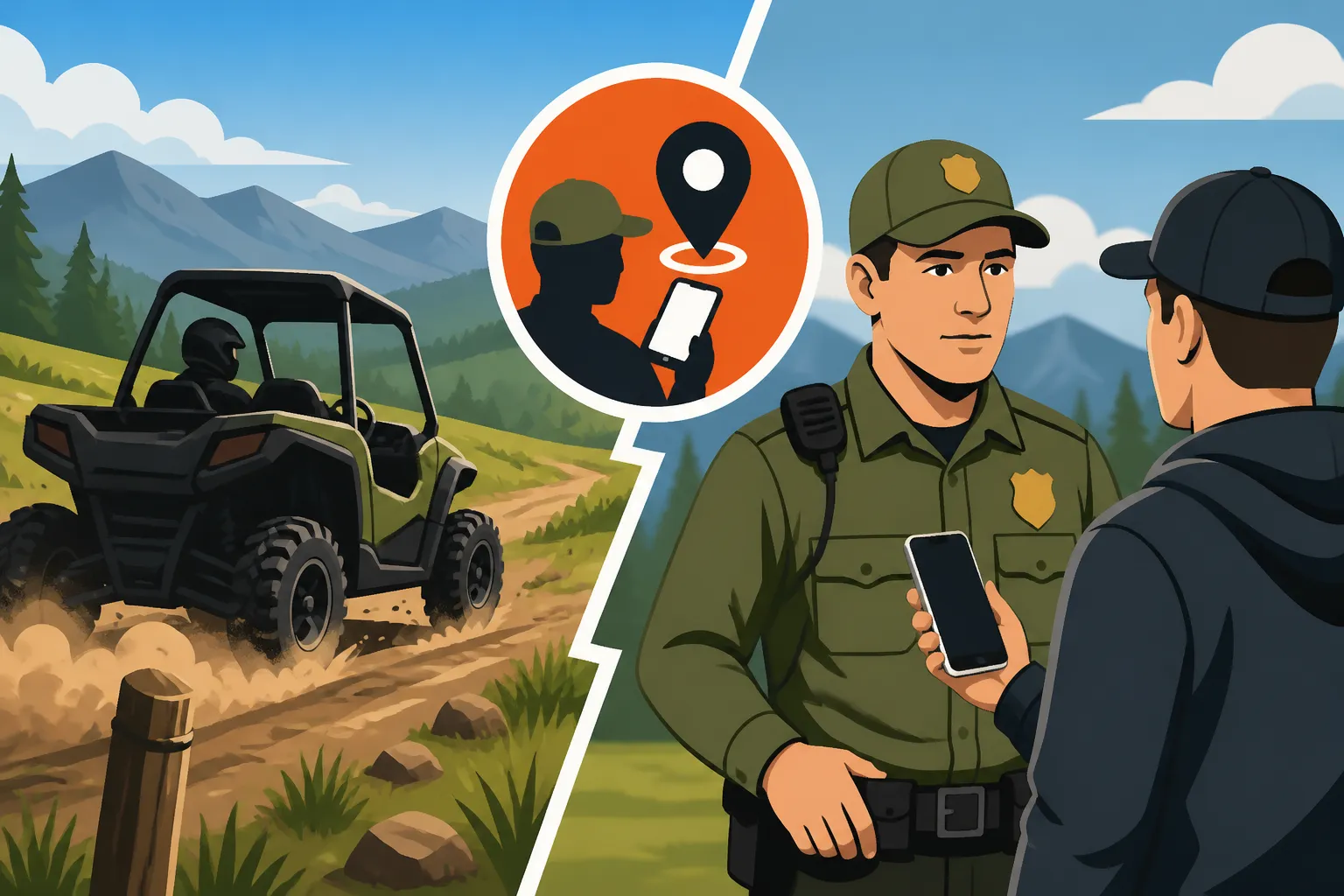
- Mention any evidence: Let them know if you have photos or videos and ask how they prefer to receive them.
- Answer their questions: The warden or dispatcher will likely have follow-up questions to clarify details.
- Be patient: Wardens prioritize calls based on severity. Your call might be less urgent than a poaching incident or an active safety threat.
It’s often helpful to follow up your phone call with an email to the local FWP office, summarizing the information you provided and attaching any photos or videos. This creates a written record.
What Happens After You Report a Trespass?
Reporting a trespass doesn't always lead to an immediate arrest or a dramatic chase scene. The process is often methodical, and a lot happens behind the scenes.
Warden Investigation and Priorities
Once you’ve made your report, a Montana Warden will assess the information you’ve provided. They often have multiple ongoing investigations and need to prioritize their workload. Factors influencing their response include:
- Severity of the trespass: Is it a repeat offender, causing significant environmental damage, or a minor deviation from a trail?
- Quality of evidence: Did you provide a license plate or clear photos? This significantly increases the chances of identifying the individual.
- Recurrence: Is this an isolated incident, or part of a pattern of trespass in a specific area?
- Manpower and proximity: Is a warden already in the area, or will they need to travel a considerable distance?
Wardens will often use the information you've given them to identify the owner of the machine. This might involve checking registration databases (understanding that [Registering an OHV in Montana] means their details are on file), or if it’s a non-resident, checking with other states. They may also patrol the area you reported more frequently. The information you provide, especially about machines that might have specific aftermarket gear like heavy-duty winches or rock sliders from SuperATV, helps them narrow down their search.
Potential Consequences for Trespassers
If the warden can identify the individual and has sufficient evidence, they may take several actions:
- Verbal Warning: For minor or first-time offenses, especially if there's an element of honest mistake (though ignorance of the law is rarely an excuse).
- Citation (Ticket): This is common for clear violations. Penalties can include fines, which vary depending on the nature and location of the trespass. These fines can be significant, especially if environmental damage occurred. You can learn more about related penalties in [Fines for an Unregistered OHV in Montana].
- Court Appearance: For more serious or repeated offenses, the individual might be required to appear in court.
- Restitution: If damage was done to private property or public lands, the trespasser might be ordered to pay for repairs or restoration.
- Loss of Privileges: In some cases, especially with repeat offenders, an individual could lose their OHV riding privileges for a period.
Remember that the legal process can take time. You might not hear back immediately about the outcome of your report, and that’s normal. The important thing is that you’ve done your part to help protect Montana's beautiful landscapes and respect private property rights. Your vigilance helps wardens maintain ethical and legal OHV use throughout the state, ensuring everyone can enjoy Montana responsibly.
Disclaimer
This article is for general informational purposes only and does not constitute professional advice. Laws, prices and regulations vary by location and change over time. Consult a qualified professional for guidance on your specific situation.