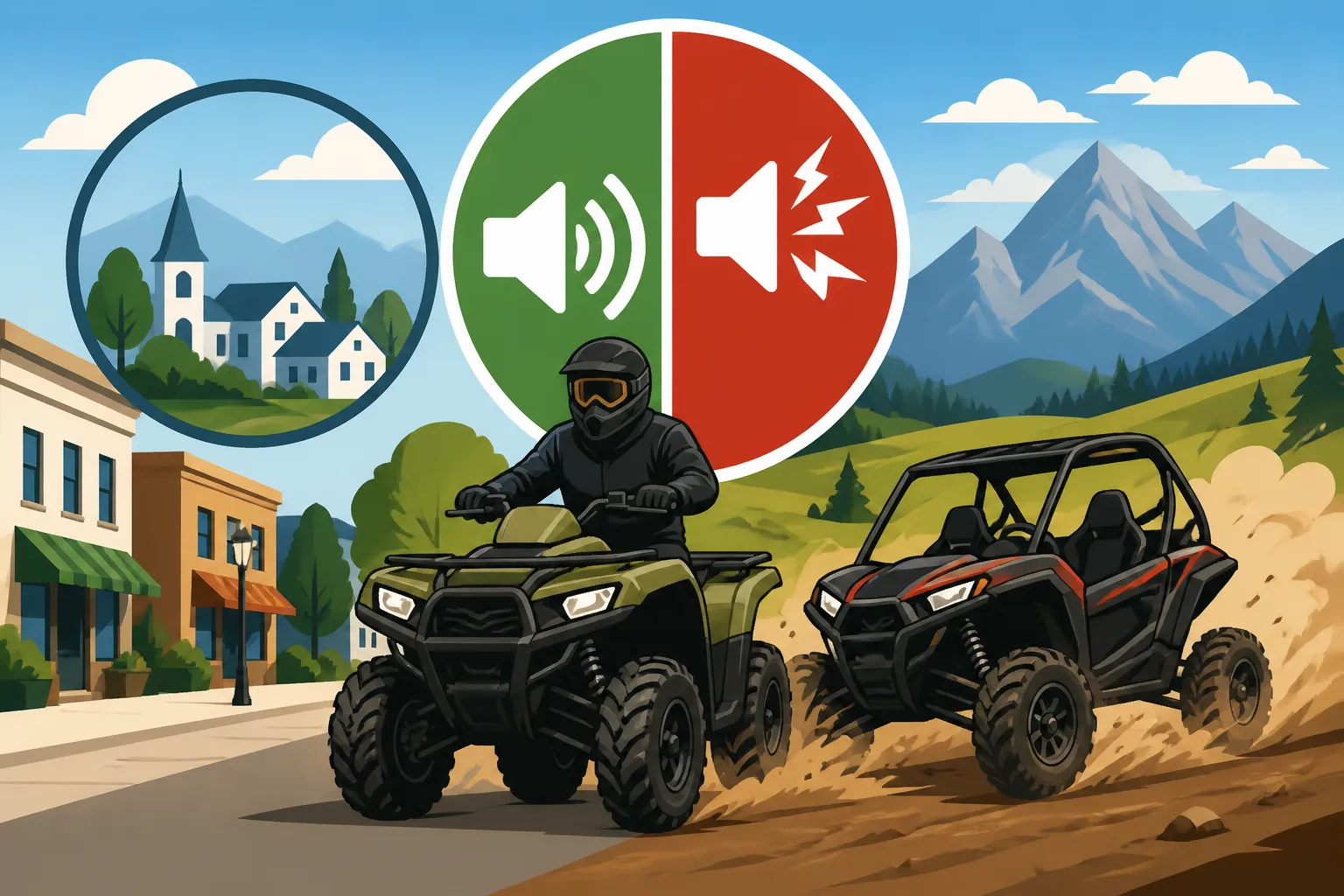
Montana Noise Rules in Small Towns
It’s a scenario many of us have faced: you’ve just rolled off a fantastic Montana trail, dusty and exhilarated, and now you’re rumbling into a quiet little town for gas or a bite to eat. Suddenly, you catch a sidelong glance from a local, or worse, hear a frustrated sigh. Your off-highway vehicle (OHV), which sounds perfectly normal out on the open range, feels incredibly loud on Main Street. This guide is all about navigating those tricky, often frustrating, noise rules that small Montana towns put in place, helping you understand how to be a good neighbor and keep enjoying our incredible state.
Understanding Montana's General Noise Landscape for OHVs
When you’re out exploring Montana on your ATV or UTV, it’s easy to feel like the open spaces mean fewer rules, especially when it comes to noise. But the truth is, the moment you transition from a forest service road to a paved county road, and especially when you enter a town, the rules of the game change. And where noise is concerned, the landscape can be surprisingly complex.
State-Level Regulations and Their Limits
Montana, generally speaking, doesn't have a broad, all-encompassing state law that sets specific decibel limits for OHVs operating on local town streets or even most county roads. This can be a real head-scratcher for riders because it means there isn't one simple rule you can point to. Instead, the state tends to delegate this authority to local jurisdictions. While there are general "disturbing the peace" statutes in Montana law, they are often subjective and require an officer to determine if the noise is indeed excessive or disruptive to the general public. This lack of a specific numerical standard at the state level is precisely why you encounter such a patchwork of regulations from town to town, making it feel like you need a legal degree just to grab a burger.
This absence of a statewide decibel limit for street-legal OHVs means that riders can't rely on a single, uniform standard as they traverse different areas. It places the onus squarely on individual towns and counties to decide what level of noise is acceptable within their borders. For riders, this translates into a constant need for awareness and adaptation, a dance between enjoying their machine and respecting local sensibilities. It’s not uncommon for a rider to be perfectly legal and considerate in one jurisdiction, only to find themselves inadvertently on the wrong side of an ordinance just a few miles down the road. This ambiguity can be particularly frustrating when you're simply trying to get from point A to point B or access services within a community.
Federal Land Noise Requirements and Why They Matter
While state laws might be vague, things tend to be a bit clearer when you’re on federal lands managed by the Forest Service or Bureau of Land Management (BLM). These agencies often have specific regulations regarding OHV noise and equipment, primarily focused on environmental impact and wilderness preservation. You'll frequently find requirements for spark arresters on exhaust systems, and many federal lands adhere to a maximum noise level, typically measured in decibels. For example, some may stipulate that a machine cannot exceed 96 decibels when tested at 20 inches from the exhaust outlet, or similar standards.
Even if your immediate goal is simply to pass through a small town on your way to a national forest, understanding these federal requirements is crucial. The spirit of noise reduction on federal lands often bleeds into local expectations. If your machine is compliant for a quiet trail ride through the Lolo National Forest, it's generally going to be more acceptable when you roll into a nearby community. Conversely, a machine that's been modified to be excessively loud might not only violate federal land rules but also immediately draw unwanted attention in town, even if the town itself doesn't have a hyper-specific decibel ordinance. Using proper, well-maintained muffler systems, like those you might find from companies such as SuperATV that focus on performance and compliance, is a smart move for both environments. Keeping your exhaust system in good repair and avoiding "straight pipes" is not just about avoiding a ticket on federal land; it's about being a respectful rider everywhere you go.
Navigating Local Ordinances: The Town-by-Town Challenge
This is where riding an OHV in Montana gets really interesting, and sometimes, a little maddening. You see, while the state might be fairly hands-off regarding specific noise limits, Montana's numerous small towns absolutely are not. Each community has its own character, its own residents, and its own ideas about what constitutes acceptable noise, especially when it comes to motorized traffic like ATVs and UTVs.
Why Small Towns Have Their Own Rules
Small towns in Montana, particularly those that are popular hubs for outdoor recreation or that pride themselves on a quiet, peaceful atmosphere, often take it upon themselves to enact very specific local noise ordinances. Think about places like Red Lodge, West Yellowstone, or Philipsburg – communities where the influx of visitors with recreational vehicles can be substantial. For the year-round residents, their quality of life, their ability to enjoy a quiet evening on their porch, or simply the desire to preserve that quintessential "small town feel" often drives these regulations. They're not trying to be difficult; they're trying to protect their home. The challenge for riders is that these local rules can vary wildly, making it incredibly difficult to keep track. What’s perfectly fine in one town might earn you a stern talking-to, or even a citation, just a few miles down the road. It's enough to make your head spin trying to keep track!
The motivations behind these local ordinances are usually rooted in a desire to balance visitor enjoyment with resident comfort. Many Montana towns rely heavily on tourism, including OHV tourism, but they also want to maintain the charm and tranquility that often define them. Unregulated noise can quickly become a significant source of friction, leading to complaints to the town council, local law enforcement, and ultimately, a push for stricter controls. These ordinances are the town's way of setting clear boundaries, attempting to manage the impact of increased motorized activity on their streets. Without them, a town might fear being overwhelmed by constant engine noise, especially during peak seasons when trails are buzzing and Main Streets are bustling with riders stopping for food, fuel, and supplies.
Common Types of Local Noise Ordinances
So, what kind of noise rules might you encounter? They generally fall into a few categories. First, some towns will have specific decibel limits, often measured at a certain distance from the vehicle. While I can't give you exact numbers as they change and are highly localized, these limits are usually designed to be stricter than what might be acceptable on an open trail. You might see rules like "no sound exceeding X decibels measured from 50 feet." Other ordinances focus on time-based restrictions, prohibiting loud operation before a certain hour in the morning (say, 7 AM) or after a specific time in the evening (like 10 PM). This is to protect residents during sleeping hours.
Then there are the more subjective rules that prohibit "excessive," "unnecessary," or "unreasonable" noise. These can be trickier because they often give law enforcement officers more discretion. What one person considers "excessive," another might not. This type of rule aims to curb things like unnecessary revving, loud exhaust pipes that are clearly not stock, or prolonged idling in residential areas. Some towns might also have "quiet zones" near hospitals, schools, or residential areas where OHVs are either completely restricted or subject to even stricter noise limits. It's really up to each individual municipality to define these terms and the specific conditions under which they apply, emphasizing the need for riders to be extra vigilant and considerate when riding through these communities.
How to Find a Town's Specific Regulations
Given the varied landscape of local noise rules, how do you, as a rider, stay informed and out of trouble? The best approach is proactive research. Before you plan a trip that involves riding through or staying in a particular Montana small town, make it a point to check their official town or city website. Many municipalities will post their ordinances online, often under sections like "municipal code," "town council minutes," or "visitor information." If you can't find it online, a quick call to the local city hall, town clerk's office, or even the county sheriff's department can usually get you the information you need. Don't be afraid to ask specific questions about OHV access and noise restrictions.
Another excellent resource is local OHV clubs. These clubs are often deeply involved in advocacy and trail maintenance and are usually very well-versed in the specific rules and regulations of their area. They want to maintain good relationships with local communities and can be an invaluable source of information and advice. You can also look for signage as you enter a town; many communities that welcome OHVs, but have specific rules, will post them prominently on entry roads. Ultimately, being informed is your best defense against inadvertently violating a noise ordinance and helping to preserve the [Montana City Streets and Municipal Ordinances] access that we all value. Remember, a little research beforehand can save you a lot of headache later.
Equipment Considerations for a Quieter Ride
Beyond just understanding the rules, there's a lot you can do with your machine itself to be a more considerate rider, especially when passing through noise-sensitive areas. Your OHV's setup plays a massive role in its overall sound profile, and making smart choices here can significantly impact your interactions with local communities.
The Role of Your Exhaust System
Without a doubt, your exhaust system is the primary contributor to your OHV's noise level. Most factory-installed exhaust systems are designed to meet specific noise regulations, which often include decibel limits for public land use and general road-legal compliance where permitted. They typically feature internal baffling and chambers to muffle sound effectively. The trouble starts, however, when riders opt for aftermarket exhaust systems that prioritize performance or a "louder" sound without regard for noise reduction. Straight pipes or heavily modified mufflers might give you a few extra horsepower or a more aggressive rumble, but they almost guarantee you'll be violating noise ordinances in any populated area.
If you're replacing your stock exhaust, or if you're looking to modify your current system, always prioritize those designed for noise compliance. Many reputable manufacturers, including companies like SuperATV, offer aftermarket exhaust systems that are built to perform well while still meeting or even exceeding noise reduction standards. Look for systems that are clearly marked as compliant or "quiet series." While they might not be as loud as some performance-oriented options, they ensure that you can enjoy your ride without disturbing others, which is critical for maintaining access in towns and on trails. A well-designed, quiet exhaust system is a sign of a responsible rider, and it significantly reduces the chances of drawing unwanted attention or complaints.
Other Noise Sources and Mitigations
While the exhaust system gets most of the attention, it's not the only source of noise on your OHV. Believe it or not, your tires can contribute significantly, especially aggressive off-road treads. Knobby tires, while fantastic for grip on loose dirt and rocks, can create a surprisingly loud hum or drone when rolling on pavement. While you might not change your tires just for town access, being aware of this helps explain why your machine might sound louder than you expect on Main Street. Smooth, deliberate driving on pavement can mitigate some of this.
Beyond that, consider all the other bits and pieces on your machine. Loose accessories like winches, light bars, toolboxes, or even poorly secured cargo can rattle, buzz, and clank, adding to the overall noise profile. Take the time to secure everything tightly before heading out. Moreover, a well-maintained machine is generally a quieter machine. Worn bearings, loose chassis components, or an engine that's misfiring can all create unnecessary racket. Regular maintenance checks, tightening bolts, and ensuring your machine is running smoothly can go a long way in reducing incidental noise. It's about being proactive and thoughtful, ensuring that every part of your machine is working together for a smooth and relatively quiet journey, especially when you're passing through someone's neighborhood.
Riding Etiquette and Best Practices in Town
Ultimately, navigating Montana's small town noise rules isn't just about following the letter of the law; it's about good old-fashioned common courtesy. Even if your machine technically meets a decibel limit, how you operate it can make all the difference in whether you're seen as a welcome visitor or a nuisance.
Slow Down and Be Respectful
This might seem obvious, but it's probably the most impactful thing you can do. Speed amplifies noise – engine noise, exhaust rumble, and tire hum all increase dramatically with speed. When you’re rolling through a residential area or down a town's main street, drastically reduce your speed. Drive slowly, deliberately, and smoothly. Avoid sudden accelerations, rapid deceleration, or any kind of "hot-dogging" or showing off. This isn't the place for it. Think about the impact your actions have: that burst of acceleration might feel fun to you, but to someone enjoying a quiet afternoon in their yard, it’s a jarring intrusion.
Keeping your speed down and your RPMs low is key. Feather the throttle gently and resist the urge to rev your engine, even just for a moment, in passing. It might feel like a small thing, but these actions resonate loudly in a quiet community. Being respectful means actively trying to minimize your machine's presence. It means recognizing that for a few minutes, you're a guest in someone's neighborhood, and their peace and quiet are more important than how quickly you can get to the [Fueling an OHV in a Montana Trail Town]. This kind of considerate riding goes a long way in building goodwill and preventing those noise complaints that can lead to tighter restrictions for all riders.
Stick to Designated Routes
Many small Montana towns that allow OHV access have very specific designated routes for entry, exit, and travel within town limits. These routes are usually chosen to direct OHV traffic away from the most noise-sensitive residential areas, schools, or other public spaces. It's incredibly important to know and stick to these routes. Straying off a designated OHV route, even if it seems like a shortcut, is a surefire way to irritate residents and draw negative attention. These routes are often clearly marked with signs, and you can usually find maps or information at local visitor centers, gas stations, or town websites.
Ignoring designated routes undermines the very agreements that allow OHVs in these towns in the first place. When residents complain about OHVs cutting through their quiet streets, towns are often forced to reconsider their access policies. So, if a sign says "OHV Route," follow it. If it doesn't, assume it's off-limits. This is where your pre-trip research, or even a quick ask at a local business, becomes invaluable. By honoring these designated paths, you're not just following a rule; you're actively participating in maintaining OHV access for everyone. Remember, the privilege of riding in town can be easily lost if riders don't adhere to the agreed-upon pathways, potentially leading to restricted [Montana City Streets and Municipal Ordinances] in the future.
Plan Your Stops and Start Times
Just as important as where you ride is when you ride, especially in a small town. Try to plan your entries and exits to avoid early morning or late-night hours, particularly through residential areas. Rolling into town at 6 AM with a cold engine rumbling to life, or heading out at 11 PM after a long day on the trails, can be incredibly disruptive to residents trying to sleep. While sometimes unavoidable, being mindful of these times can make a significant difference.
If you know you'll need gas or supplies, try to consolidate your errands into one trip rather than making multiple passes through town. Park your machine in an appropriate spot, do what you need to do, and then head out. Avoid idling for long periods in residential areas. If you need to wait for your group, find a spot away from homes or businesses if possible. Thinking strategically about your presence in town demonstrates respect and consideration. It shows that you're not just passing through, but you're also aware of the community you're in, which fosters a much more positive relationship between riders and residents.
Consequences of Noise Violations
While no one likes to think about the downside, it’s important to understand the very real consequences that can come with violating noise ordinances in Montana’s small towns. These aren’t just minor inconveniences; they can impact your wallet, your riding privileges, and even the future of OHV access in these communities.
Fines and Legal Ramifications
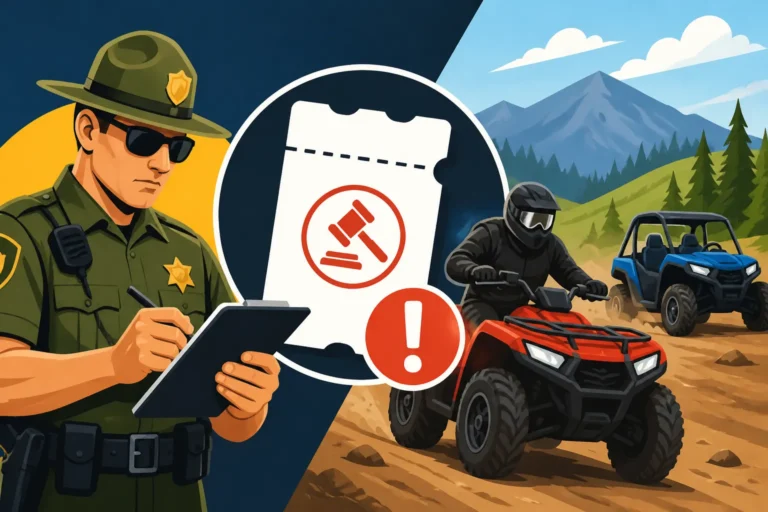
The most immediate consequence of violating a noise ordinance is, of course, a citation and a fine. The amount of the fine can vary significantly depending on the specific town ordinance, the severity of the violation, and whether it’s your first offense. Some towns might issue warnings for minor infractions, but more often than not, a loud machine or egregious behavior will result in a ticket. These fines can range from a nuisance amount to a substantial penalty, definitely enough to put a damper on your riding trip.
Beyond the monetary penalty, repeated or particularly flagrant violations could lead to more serious legal ramifications. In some jurisdictions, consistent violations could lead to your machine being impounded, or in extreme cases, even temporary suspension of your riding privileges within that specific area. Law enforcement officers, whether local police or county sheriffs, are typically authorized to enforce these municipal ordinances. Ignoring a noise complaint or arguing with an officer about the validity of a local rule is never a good idea and can quickly escalate the situation, potentially leading to additional charges. Always remember that the local authorities have the final say on [Montana Fines for Illegal Road Riding] within their jurisdiction.
Impact on OHV Access and Community Relations
Perhaps even more significant than the individual fines are the broader implications for the entire OHV community. Noise complaints are consistently one of the primary drivers for towns to implement stricter OHV regulations, reduce access, or even outright ban off-highway vehicles from their streets. When residents feel their peace and quiet are being constantly disrupted, they will inevitably pressure local government officials to take action. This pressure can lead to ordinances that might restrict what roads you can use, limit the hours of operation, or, in the worst-case scenario, revoke OHV street-legal access altogether.
It’s a tough situation because one bad apple can spoil the bunch. The actions of a few inconsiderate riders with excessively loud machines, or those who disregard speed limits and designated routes, can unfairly reflect on the entire OHV community. When a town decides to close off access, it impacts everyone, including the responsible riders who follow all the rules and contribute positively to the local economy. Therefore, every rider’s actions, especially when passing through a town, contribute to the public perception of OHVs. By being mindful of noise and respectful of local communities, we help ensure that these critical access points remain open for future generations of riders. It's a collective responsibility that affects everyone who loves to explore Montana on an ATV or UTV.
Noise Ordinance Compliance: A Quick Reference
Navigating the varied noise rules in Montana's small towns can be confusing. Here’s a simplified breakdown of common types of restrictions and what they generally entail:
| Ordinance Type | Description | Rider Implication | Enforcement & Penalties |
|---|---|---|---|
| Decibel Limits | Specific maximum sound level (e.g., "X dB at Y feet"). Numeric and measurable. | Requires well-maintained, stock, or compliant aftermarket exhaust. | Often involves sound meters. Fines vary by town and severity. |
| Time Restrictions | Prohibits loud operation during specific hours (e.g., 7 AM – 10 PM). | Avoid early morning/late-night starts/stops in residential areas. | Enforcement during restricted hours. Fines. |
| "Excessive Noise" | Subjective prohibition on noise deemed "unnecessary," "unreasonable," etc. | Drive slowly, avoid revving, quick acceleration, loud music. | Officer discretion. Warnings or fines. |
| Quiet Zones/Routes | Designates specific areas or roads with stricter rules or outright bans. | Know and stick to designated OHV routes. Avoid restricted zones. | Patrols in sensitive areas. Fines, potential impoundment. |
| Spark Arrester Req. | Mandates an approved spark arrester on the exhaust system. | Ensure your machine has a properly functioning, USFS-approved spark arrester. | Common on public lands, but some towns may include it. Fines. |
Remember, this table provides general guidance. Always check the specific ordinances for the Montana town you plan to visit, as details can vary widely.
Disclaimer
This article is for general informational purposes only and does not constitute professional advice. Laws, prices and regulations vary by location and change over time. Consult a qualified professional for guidance on your specific situation.