Speed on a Montana County Road
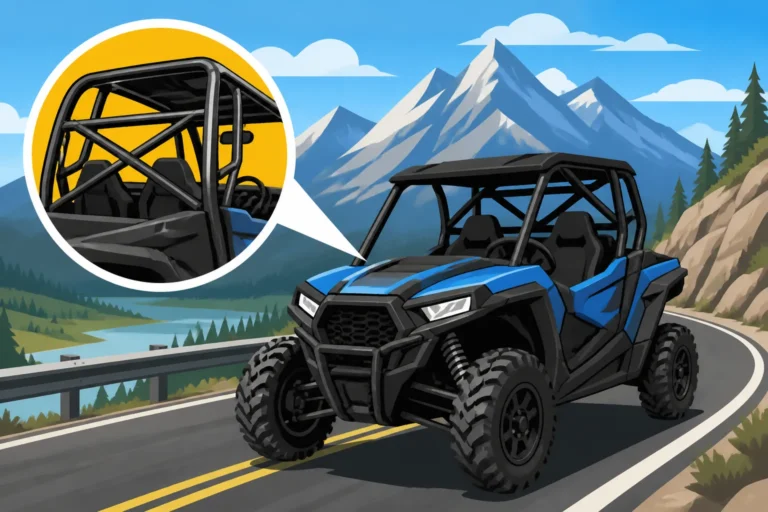
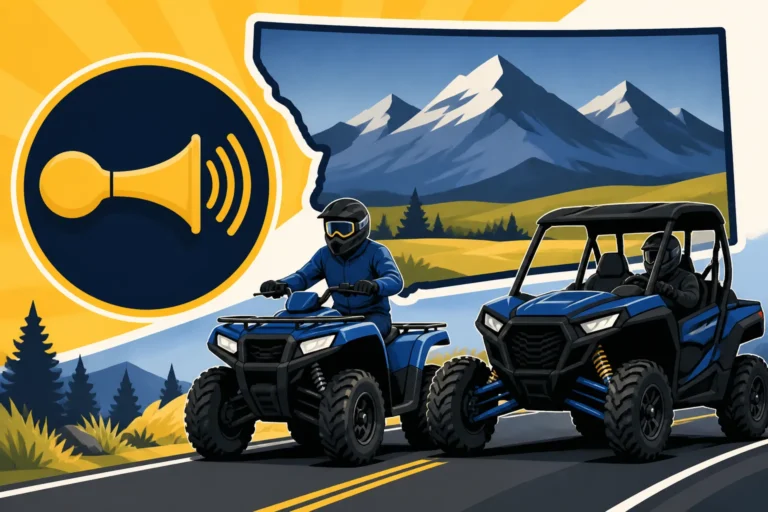
It can be incredibly confusing and even a little frustrating trying to figure out just how fast you're allowed to go when you take your ATV or UTV out onto Montana's vast network of county roads. Many riders just want to enjoy the scenery or get from one trail system to another, but hitting a county road often means you're now sharing space with cars, trucks, and even farm equipment. This guide will walk you through Montana's speed regulations for off-highway vehicles on county roads, helping you navigate these rules safely and legally.
Understanding Montana's General Speed Laws on County Roads
Montana has a certain philosophy when it comes to speed limits, especially once you get outside of city limits and onto the more open roads. It’s not always about a hard number on a sign; often, it comes down to what's "reasonable" given the circumstances. For OHV riders, this means you can't just floor it, even if the road seems clear.
The "Reasonable and Prudent" Standard
Before you even look for a speed limit sign, Montana law expects every driver and rider to operate their vehicle at a speed that is "reasonable and prudent" under the existing conditions. What does this actually mean when you're on your quad or side-by-side? It means you have to consider everything around you. Is it a bright, clear day with perfect visibility, or is there a dense fog rolling in from the mountains? Are you the only vehicle for miles, or are you sharing the road with logging trucks, ranchers moving cattle, or families out for a Sunday drive?
This standard asks you to think about the surface of the road itself – is it freshly graded gravel, or a heavily washboarded dirt track? What about potential hazards like wildlife, blind corners, or dips that could hide an obstacle? An ATV, for example, handles very differently than a pickup truck on loose gravel, and what might be a safe speed for a car could be dangerously fast for an OHV. Your ability to see and be seen, to stop quickly, and to maintain control of your machine are all critical components of what's considered "reasonable and prudent." Ignoring these factors isn't just a recipe for a ticket; it's a direct path to a serious accident.
Posted Limits vs. Unposted Roads
Montana's general speed limits often rely on whether a road is specifically posted. On any public highway or road in Montana, if there isn't a sign explicitly stating a speed limit, there's a default assumption. For most rural county roads, this default is 55 miles per hour. However, this 55 MPH is typically meant for standard motor vehicles like cars and trucks. For OHVs, this default is a maximum, not a target. On many of these unposted roads, especially those that are dirt or gravel, even 45 or 35 MPH might be pushing the limits of safety, depending on the conditions.
When you do encounter a posted speed limit sign – say, 25 MPH through a small hamlet, or 35 MPH as you approach a county park – that sign absolutely overrides any general assumption. It's a hard limit you must adhere to. These lower limits are usually in place for very good reasons: increased pedestrian traffic, proximity to homes, schools, or businesses, or particularly hazardous road sections. Disregarding a posted limit, even if you feel like your machine could handle it, is not only illegal but shows a lack of respect for the local community and other road users. Always keep an eye out for those signs, especially as you transition from open country to more populated areas. For more on where you can legally ride, check out [Riding an OHV on the Road in Montana].
Specific Speed Limits for OHVs on Montana County Roads
While the "reasonable and prudent" rule is foundational, there are indeed specific numbers to consider when you're operating your OHV on Montana's county roads. These numbers can vary significantly depending on whether you're in the middle of nowhere or passing through a small community.
The Default 55 MPH for Unposted Rural Roads
As mentioned, the general default speed limit on unposted county roads in Montana is 55 miles per hour for motor vehicles. While an OHV is technically a motor vehicle, applying this limit directly to a side-by-side or ATV requires a lot of common sense and caution. First and foremost, the 55 MPH limit is a maximum. It does not mean you should go 55 MPH. Many OHVs, especially older models or those not specifically set up for road use, can become unstable or difficult to control at speeds approaching 55 MPH on loose, uneven gravel or dirt roads.
Consider the tires on your machine. Aggressive knobby tires, fantastic for mud and rocks, can behave unpredictably on hard-packed gravel or pavement at higher speeds, leading to less traction and control. Your suspension, while great for absorbing trail bumps, might not be tuned for high-speed stability on a washboarded road. Even high-performance UTVs, designed for speed, require expert handling to maintain control on varying surfaces. The risk of losing control, hitting an unseen pothole, or kicking up a dangerous amount of dust is significantly higher when pushing these speeds on anything but perfectly smooth, paved surfaces. Always ask yourself if your speed is appropriate for your machine, your skill level, and the current road conditions, rather than just relying on the maximum legal limit for cars. [Why Montana Road Access Depends on Who Owns the Road] offers more context on the legalities of road use.
Lower Limits in Populated Areas and School Zones
Once you start approaching or entering any populated area, whether it's a small cluster of ranch houses, a village, or a larger town, speed limits will almost certainly drop significantly. Typically, within city or town limits, the speed limit often defaults to 25 or 35 miles per hour unless otherwise posted. School zones, which are often clearly marked with flashing lights during school hours, demand even stricter adherence, sometimes dropping to 15 or 20 MPH. These limits are absolutely critical for OHV riders to obey.
The reasons for these lower limits are obvious: more pedestrians, children, parked cars, driveways, and cross-traffic. The noise and dust generated by an OHV, especially at higher speeds, can be a major nuisance to residents and can quickly erode public support for OHV access on local roads. Imagine a child darting out from behind a parked car, or a resident backing out of their driveway – you need ample time to react and stop safely. Exceeding these lower limits isn't just a minor traffic infraction; it demonstrates a blatant disregard for community safety and can lead to severe consequences. Always slow down, be extra vigilant, and be prepared to stop when riding through any area where people live or gather. [Montana City Streets and Municipal Ordinances] details specific local rules.
| Road Type | Typical Speed Limit (General) | Considerations for OHVs (Montana) |
|---|---|---|
| Unposted Rural County Road | 55 MPH | Maximum, not recommended. Consider surface, visibility, OHV type. "Reasonable & prudent" applies. |
| Posted County Road | As Posted | Strictly adhere to posted signs. |
| Within City/Town Limits | 25-35 MPH (often default) | Lower speeds due to higher traffic, pedestrians. Reduced noise/dust is crucial for community relations. |
| School Zones (when active) | 15-20 MPH (or as posted) | Extremely low speeds required. Highest caution for children. |
| Forest Service/BLM Roads | As Posted / 15-35 MPH | Varies greatly. Watch for signs, blind curves, wildlife, other recreationists. |
Factors Influencing Safe OHV Speed
Riding on Montana's county roads is a dynamic experience. The ideal speed isn't a fixed number; it's a constant negotiation between your machine, the environment, and the presence of others. Being able to assess these factors quickly and adjust your speed accordingly is the mark of a responsible rider.
Road Conditions and Surface Types
Montana's county roads are a mixed bag of surfaces, and each one demands a different approach to speed. You might start on a perfectly smooth section of hard-packed gravel, where your side-by-side feels stable and responsive. But then, without warning, you could hit a stretch of deeply washboarded road, where every bump tries to shake your teeth loose and send your tires skittering. On these sections, even 30 MPH can feel like you're losing control. Potholes, sudden dips, and loose, deep gravel can appear out of nowhere, especially around blind corners or over crests.
Riding too fast on these variable surfaces significantly increases your stopping distance and decreases your ability to steer effectively. A quick turn on loose gravel at high speed can easily lead to a slide out, or worse, a rollover. Dust is another major factor on dirt and gravel roads; speeding creates massive dust clouds, which not only reduce your own visibility but also blind oncoming traffic and obscure your presence to vehicles behind you. Accessories like heavy-duty control arms or upgraded shocks, which you might find from a brand like SuperATV, can certainly improve your machine's handling and stability on rough terrain, but they don't give you a free pass to ignore the inherent risks of speed on unpredictable surfaces. Always reduce your speed when road conditions deteriorate, and maintain enough control to react to anything the road throws at you.
Visibility, Weather, and Traffic
Visibility is paramount when riding on any road, and county roads in Montana present unique challenges. Dust, as mentioned, can be a huge issue on dry days, creating a blinding haze for you and anyone else on the road. But beyond dust, consider the weather. A sudden downpour can turn a dry gravel road into a slick, muddy track, drastically reducing traction. Fog can roll in quickly, especially in river valleys or high country, obscuring the road ahead and making you nearly invisible to others. Glare from a low sun at dawn or dusk can blind you, making it impossible to see potholes, wildlife, or other vehicles.
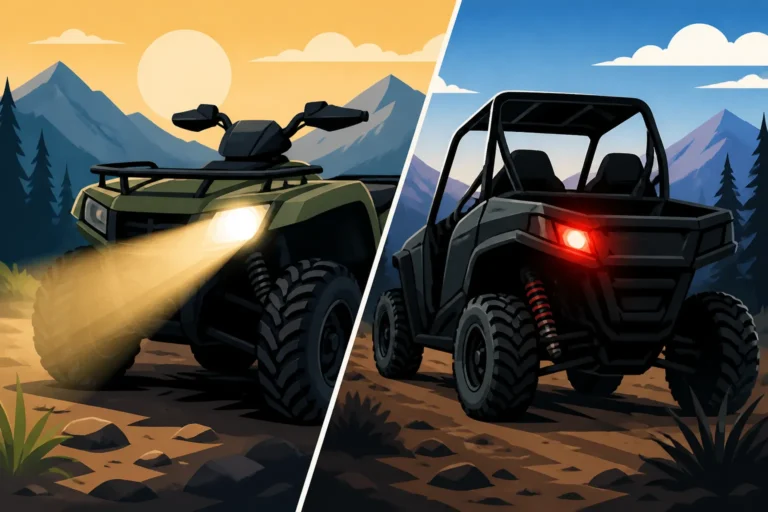
Then there's traffic. County roads are often used by heavy farm equipment, logging trucks, mail carriers, and local residents. These vehicles are bigger, often faster, and sometimes aren't expecting to encounter an OHV. Your ability to see them, and their ability to see you, dictates a safe speed. On narrow roads with blind corners, you need to be going slow enough to stop if you suddenly meet a truck coming the other way. If a dust cloud is ahead, slow down dramatically before entering it. If it's getting dark, ensure your lights are on and you're not outrunning their effective range. It’s about sharing the road responsibly and ensuring everyone gets home safely. [What Montana Requires on an OHV Road Ride] has more details on equipment.
OHV Type and Capabilities
Not all ATVs and UTVs are created equal, especially when it comes to road performance. A small, lightweight ATV designed primarily for tight trails might feel twitchy and unstable at higher speeds on a graded gravel road. Its narrow wheelbase and high center of gravity make it more prone to rollovers if you have to swerve or brake hard. Conversely, a wider, heavier utility UTV with a lower center of gravity and more sophisticated suspension might handle higher speeds with greater stability.
Understanding your specific machine's capabilities and limitations is crucial. Does your ATV have power steering? How effective are your brakes on loose surfaces? What's the maximum comfortable speed before engine vibrations become excessive or steering becomes less precise? Modifications, such as wider stance kits, upgraded tires, or enhanced suspension components from a brand like SuperATV, can improve performance and stability. However, even with these enhancements, you still need to respect the fundamental design of your machine and the limits of physics, especially on unpredictable road surfaces. Don't assume that because your buddy's UTV can handle 50 MPH, your older quad can too. Always ride within your machine's — and your own — comfort zone.
Consequences of Exceeding Speed Limits
Pushing the speed limits on Montana's county roads with an OHV isn't just about getting a thrill; it carries significant legal, safety, and community repercussions that can quickly turn a fun ride into a costly and dangerous ordeal.
Legal Ramifications: Fines and Citations
The most immediate consequence of exceeding speed limits is a traffic citation. Montana law enforcement, including county sheriffs and highway patrol, does monitor county roads, and they take speeding seriously, especially when it involves vehicles that might not be as road-worthy as a typical passenger car. Speeding tickets in Montana can carry hefty fines, which increase the faster you were going above the posted or implied limit. These fines add up quickly, especially when you factor in court costs and surcharges.
Beyond the immediate financial hit, a speeding ticket can have longer-term consequences. It goes on your driving record, potentially affecting your insurance rates. For repeat offenders, or those caught at excessively high speeds, there could even be a suspension of driving privileges. Remember, even though you're on an OHV, you're subject to the same traffic laws as other motor vehicles when riding on public roads. Ignoring a deputy's signal or trying to evade a stop can lead to much more serious charges than just a speeding ticket. Ignorance of the law is never an excuse. Always know the rules, especially those covered in [Fines for Speeding on a Back Road].
Safety Risks: Accidents and Injuries
This is where the real danger lies. Speeding significantly reduces your reaction time and increases the distance required to stop your OHV. On the uneven, loose, and often unpredictable surfaces of Montana county roads, losing control at high speeds is incredibly easy. A common scenario: you hit a patch of deep gravel, a sudden washboard, or an unexpected pothole, and the machine veers. Without enough time to correct, you could find yourself in a ditch, upside down, or worse, in the path of an oncoming vehicle.
Rollovers are a particularly severe risk for OHVs, especially ATVs, at higher speeds or during evasive maneuvers. Passengers, who might not be as prepared for a sudden jolt, are also at increased risk of injury. A collision with another vehicle at speed can be catastrophic, as OHVs offer far less protection than a car or truck. The physical injuries from such accidents can range from broken bones and lacerations to traumatic brain injuries or even fatalities. These aren't just statistics; they are real-life tragedies that can forever alter lives. The thrill of speed is simply not worth the immense safety risks. [Montana Helmet Rules for Riders Under 18] highlights another crucial safety aspect.
Environmental and Community Impact
While not as immediately obvious as fines or injuries, the environmental and community impacts of speeding are significant and can lead to backlash against OHV use. Excessive speed on unpaved county roads kicks up enormous amounts of dust. This dust can coat nearby homes, vegetation, and irritate residents and other road users. It reduces air quality and can be a significant nuisance. The noise generated by an OHV, especially one being pushed hard, can also be disruptive to the peace and quiet of rural communities.
Furthermore, speeding can contribute to road degradation, exacerbating washboards and potholes, which then impacts everyone who uses the road, including residents and emergency services. When the local community and landowners perceive OHV riders as reckless, noisy, and destructive, it inevitably leads to calls for more restrictions, increased enforcement, or even complete closures of roads that were once open to OHV traffic. Being a responsible rider means being a good neighbor and respecting the environment and the people who live along these roads. [Riding Slowly Past Ranch Houses] offers valuable advice on this.
Practical Tips for Responsible Road Riding
Navigating Montana's county roads on your ATV or UTV should be an enjoyable experience, not a source of stress or danger. By adopting a few key habits and maintaining a responsible mindset, you can ensure your rides are both fun and safe for everyone.
Know Your Machine and Its Limits
Before you even think about hitting the county roads, truly get to know your ATV or UTV. Every machine has a personality, and understanding its unique handling characteristics is crucial. How does it corner on loose gravel? How quickly can it stop on dirt? What's its effective braking distance? Take the time to practice in a safe, controlled environment, getting a feel for how it reacts to different speeds and surface changes. This isn't just about top speed; it's about control and predictability.
Beyond your personal skill, make sure your machine is in top condition. Are your tires properly inflated for road use? (Trail pressure is often different from road pressure!) Are your brakes functioning optimally? Is your suspension properly maintained? A worn-out shock or low tire pressure can drastically affect handling and stability, especially at higher speeds. Regularly inspect your machine, and don't push it beyond its mechanical limits or your own comfort zone. Even with performance parts from a company like SuperATV, always prioritize safety and control.
Be Aware of Your Surroundings
Defensive riding is key when you're sharing county roads with larger vehicles. This means constantly scanning your environment, not just the road immediately in front of you. Look for potential hazards like oncoming traffic, animals (deer, elk, even cattle can wander onto roads), pedestrians, cyclists, and blind corners or crests. Anticipate what might be around that next bend. If you see a dust cloud in the distance, assume there's a vehicle in it and slow down.
Maintain a safe following distance from vehicles ahead of you to allow for ample stopping time, especially since gravel and dirt roads can be unpredictable. Make yourself visible! If your machine is street legal, ensure your headlights and taillights are on, even during the day. Consider adding reflective tape or a whip flag, particularly if you're riding in an area with heavy vehicle traffic or low visibility. When passing parked cars or residences, reduce your speed to a crawl. The mantra here is "see and be seen." For more on legal requirements, check [Driver's License Rules for Montana Road Riding].
Respect Local Ordinances and Community
Being a good ambassador for the OHV community is perhaps one of the most important aspects of responsible road riding. Many Montana counties and towns have specific ordinances regarding OHV access and rules. For example, some towns allow OHVs on certain streets to connect to trailheads, but only under specific conditions (e.g., speed limits, time of day). You can often find this information on the county or town website, or by asking at local visitor centers. Ignorance of these local rules isn't an excuse, and violating them can quickly lead to citations and even lead to local officials rethinking OHV access.
Remember that you are a guest on these roads. The dust, noise, and general presence of OHVs can impact the quality of life for residents. Slowing down when passing homes, minimizing dust creation, and keeping exhaust noise reasonable are small gestures that go a long way in fostering positive relationships. The future of OHV access in Montana heavily relies on riders demonstrating respect for the land, the rules, and the people who live and work there. Building trust and showing courtesy ensures these roads remain open for all of us to enjoy. You can learn more about local regulations at [County Commissioners and Montana County Roads].
Disclaimer
This article is for general informational purposes only and does not constitute professional advice. Laws, prices and regulations vary by location and change over time. Consult a qualified professional for guidance on your specific situation.