One Headlight and One Taillight
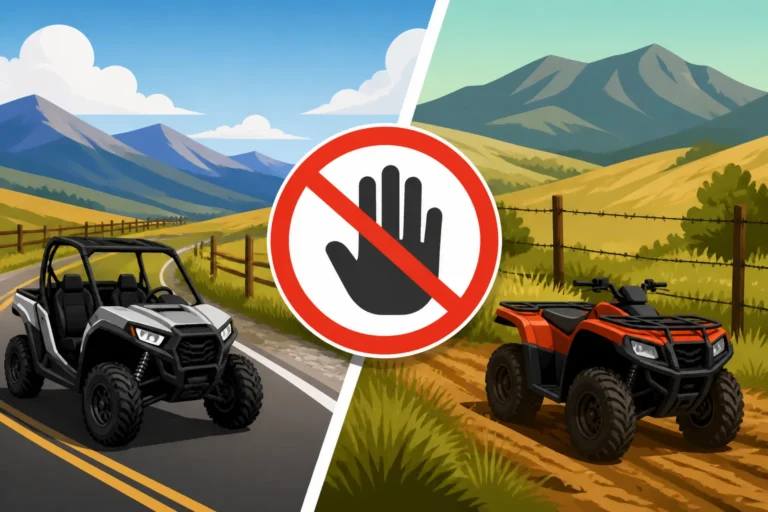
Riding your ATV or UTV on Montana's public roads can open up a whole new world of adventure, connecting trails and reaching those remote fishing spots. But before you hit the pavement, you might be scratching your head, wondering if your factory lights are actually enough. Many riders are surprised to learn that the minimal lighting common on off-road machines simply doesn't cut it for legal road use, and getting it wrong can lead to costly tickets or even dangerous situations. This comprehensive guide will illuminate exactly what Montana's laws demand for headlights and taillights on your OHV, helping you confidently and legally navigate the Big Sky State's roadways.
Understanding Montana's Minimum Lighting Requirements for Road Use
It's easy to assume that if your machine has a headlight and a taillight, you're good to go. After all, it helps you see the trail at night, right? But Montana's regulations for operating an off-highway vehicle (OHV) on public roads are specifically designed for the safety of all road users, and that means your lighting system needs to meet certain standards. These aren't just suggestions; they're legal requirements that ensure you're visible to motorists, and that you can adequately see what's ahead of you, even in adverse conditions. Navigating these rules can feel like trying to find a specific backroad on an old paper map without a compass, but it's crucial for legal and safe riding.
Headlight Specifics: Why One Isn't Always Enough
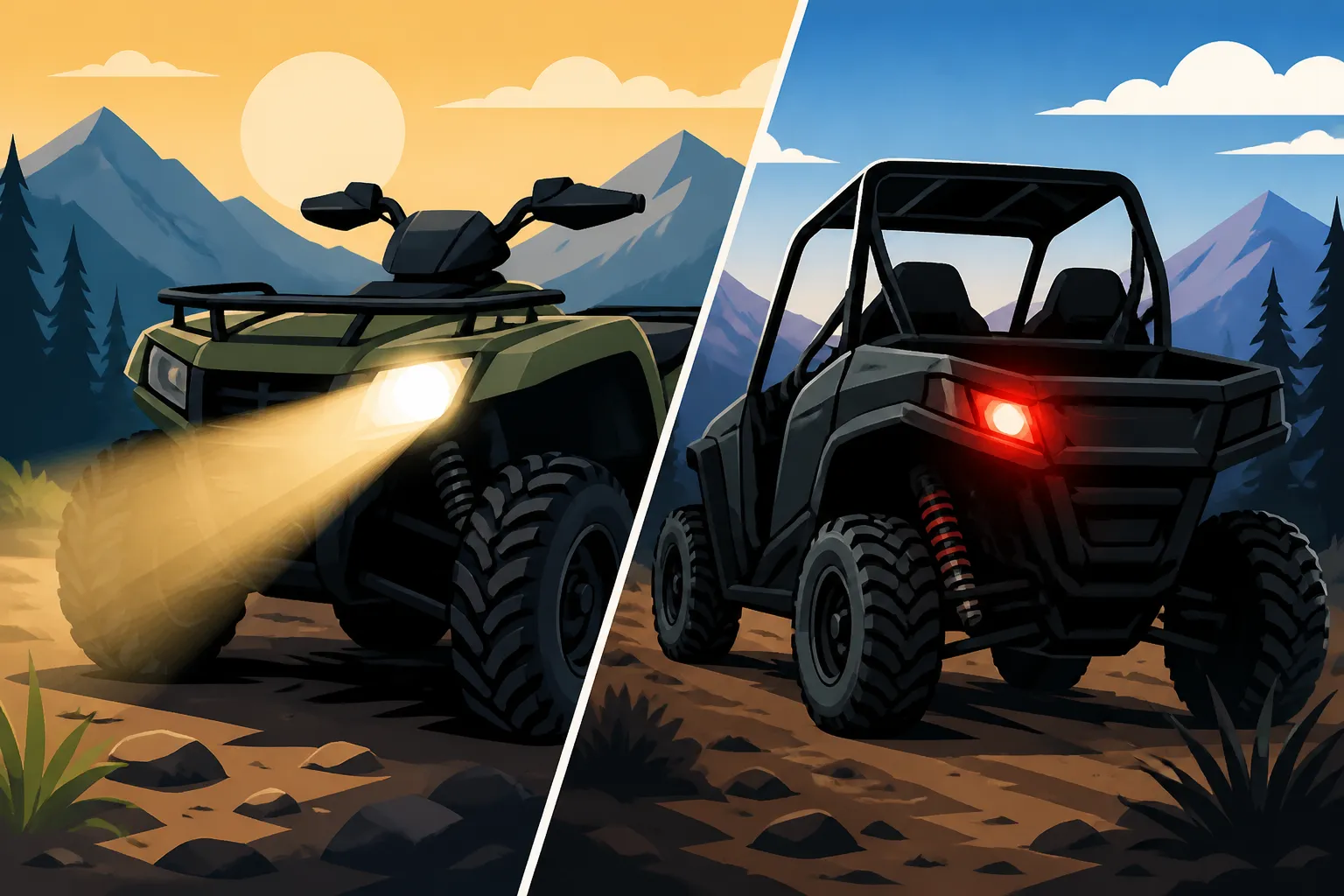
The most common misconception we hear from riders is about the "one headlight" rule. Many ATVs and UTVs come from the factory with a single, centrally mounted headlight, which is perfectly fine for trail riding. However, when you start thinking about sharing the road with cars, trucks, and even larger rigs, that single light often falls short of legal requirements and practical safety. Montana law generally requires vehicles on public roads to have at least two headlamps. This isn't just about brightness, it's about providing a wide, consistent beam pattern that mimics what other drivers expect from a vehicle. A single, focused beam can be harder for oncoming traffic to accurately judge in terms of distance and width, increasing the risk of misjudgment, especially at night or in low-visibility conditions.
Beyond just the number, there are also expectations for the intensity and beam throw. Headlights need to be powerful enough to illuminate objects and persons at a certain distance ahead of the vehicle. You're not just trying to light up the next tree, but ensure you can clearly see hazards like deer, potholes, or pedestrians far enough in advance to react safely. Your lights should also be properly aimed. An improperly aimed headlight, whether too high or too low, can either blind oncoming drivers or fail to illuminate the road effectively, both of which are serious safety concerns. This is where many riders find themselves needing an upgrade to meet the [Headlight and Taillight Rules in Montana]. Companies like SuperATV offer a range of aftermarket headlight kits and light bars that can help bring your machine up to snuff, providing both the required number of lights and the necessary illumination.
Taillight Mandates: More Than Just a Red Dot
Just as important as seeing where you're going is being seen from behind. Your taillights serve as crucial indicators for drivers approaching from the rear, communicating your presence, braking, and general position on the road. Again, while a single, often small, taillight might be adequate for the trail, Montana's road laws demand more robust rear visibility. Typically, this means at least two red taillights, mounted symmetrically, that are visible from a significant distance (often cited as 500 feet or more) to the rear. This dual setup provides a clearer indication of your machine's width and helps other drivers gauge their distance from you more accurately.
Furthermore, taillights often double as brake lights, becoming significantly brighter when you apply the brakes. This is a critical safety feature that alerts following traffic to your deceleration. Many stock ATV taillights might have a brake function, but their overall size and brightness might not meet road standards, especially in broad daylight or dusty conditions. Don't forget about license plate illumination either. If you have a Montana license plate on your OHV (which you will need for road use), it must be lit by a white light whenever your headlights are on, making it legible from at least 50 feet away. Again, aftermarket solutions, including those from SuperATV, often combine enhanced taillights, brake lights, and license plate lights into convenient, compliant kits, ensuring you're not just seen, but seen clearly.
Beyond the Basics: Additional Lighting for Safety and Compliance
While headlights and taillights form the foundation of your OHV's road-legal lighting, Montana's regulations, and good safety practices, extend beyond these core components. Think about all the ways a standard car communicates its presence and intentions on the road; your OHV needs to do much the same. Ignoring these additional requirements can not only put you at risk but also lead to a roadside chat with a law enforcement officer about your machine's legality. It's about building a comprehensive lighting system that leaves no doubt about your presence or your next move.
Turn Signals: A Must for Road Communication
Imagine driving down a county road in your truck and the car in front of you suddenly turns left without any warning. It's startling, right? The same principle applies when you're on an ATV or UTV. Turn signals are absolutely crucial for communicating your intentions to other drivers, whether you're merging, turning onto a side road, or changing lanes. Montana law generally requires vehicles operating on public roads to be equipped with electric turn signal lamps that are clearly visible from both the front and the rear. These signals should flash amber to the front and either amber or red to the rear, ensuring distinct visibility and understanding. [Turn Signals on a Montana Machine] are not an optional extra; they are a fundamental component of road safety.
Relying on hand signals, while a good backup, simply isn't practical or safe on an OHV, especially at higher speeds or in traffic. Your hands are needed for steering and throttle control, and hand signals can be difficult for other drivers to see, especially if they're far behind or if your machine is wide. Integrating a proper turn signal system, often as part of a street-legal kit, ensures you can signal your intentions clearly and consistently, making your road rides much safer for everyone.
Reflectors and Side Marker Lights
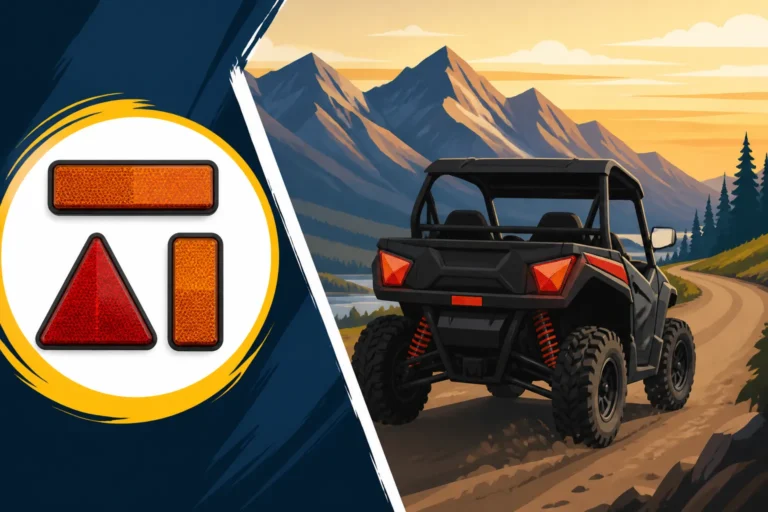
Passive visibility elements are often overlooked but play a critical role, especially at night or when your powered lights might be temporarily obscured. Reflectors don't require power; they simply bounce light back towards its source, making your machine more visible even if your lights are off or dim. Montana law typically requires certain reflectors on vehicles operated on public roads. These usually include red reflectors to the rear and amber reflectors to the sides, especially towards the front. Placing these strategically can significantly enhance your machine's profile to other drivers.
Side marker lights, while not always explicitly mandated for all OHV types in Montana, are an excellent addition for enhanced safety. They provide continuous illumination along the sides of your machine, clearly defining its length and width, which is incredibly helpful for other drivers, particularly at intersections or when being passed. Think about it: a car approaching from a side street might only see your machine's side before it's fully in view. A side marker light, often amber, can give them that crucial early warning. While not every factory machine will have them, adding them as part of an aftermarket upgrade is a smart move for anyone serious about road safety.
Practical Application and Compliance Tips
So, you've reviewed the requirements and realized your stock setup might not be enough. Don't worry, you're not alone! Many riders find themselves in this exact position. The good news is that making your OHV road-legal in Montana is entirely achievable with the right knowledge and a bit of effort. It's not about turning your rugged off-roader into a street queen, but about ensuring it meets the baseline safety standards required to share public thoroughfares responsibly. This section will guide you through the practical steps and considerations to get your machine compliant and avoid potential headaches down the road.
Upgrading Your Machine for Road Legality
For many ATVs and UTVs, the journey to road legality starts with a trip to the aftermarket. Very few machines come from the factory fully equipped to meet Montana's street-legal requirements right off the showroom floor. The process typically involves adding or upgrading several key components. This is where aftermarket companies shine. For example, SuperATV offers comprehensive street-legal kits that bundle all the necessary lighting and safety components – from upgraded headlights and taillights to turn signals, mirrors, and horns – into one convenient package. These kits are often designed for specific makes and models, making installation relatively straightforward for the mechanically inclined.
When choosing components, always look for "DOT compliant" markings. This signifies that the lights meet the Department of Transportation's safety standards for brightness, beam pattern, and durability. Piecing together individual components can work, but it requires careful attention to detail to ensure everything is compatible and meets legal specifications. You'll also need to consider the electrical system of your machine. Adding multiple new lights can increase power draw, so ensure your stator and battery can handle the additional load without compromising other electrical components. If you're not comfortable with wiring, consider having a professional powersports mechanic perform the installation. It's an investment in your safety and compliance, and it will save you future headaches if something goes wrong with the wiring. Remember that you will also need to comply with [Montana Horn Requirements for Road Use] and [Mirrors Montana Road Riding Calls For].
Consequences of Non-Compliance on Montana Roads
Riding on public roads with inadequate or non-compliant lighting isn't just a minor infraction; it carries real risks and consequences. First and foremost, it's a significant safety hazard. Without proper headlights, you risk not seeing obstacles or other vehicles, especially at night. Without adequate taillights and brake lights, you drastically increase the chance of a rear-end collision, as other drivers simply won't have enough warning of your presence or your actions. The consequences for both you and other motorists could be severe, including serious injury or even fatalities.
Beyond the immediate safety concerns, there are legal repercussions. If a Montana law enforcement officer pulls you over and finds your lighting doesn't meet the requirements for road use, you'll likely face a citation and a fine. The officer may also order you to park your machine and not operate it on the road until the deficiencies are corrected. This could leave you stranded, requiring a call to a friend with a truck and trailer to come retrieve you. Repeat offenses or extremely dangerous setups could lead to more severe penalties. It's far better to invest in proper lighting and ensure your machine is fully compliant than to risk a ticket, an accident, or the frustration of being sidelined roadside. Understanding [Montana Fines for Illegal Road Riding] is a good motivator to get your machine legal before you venture out.
Here's a quick overview of lighting considerations for road-legal OHVs in Montana:
| Component | Minimum Montana Requirement (General) | Recommended for Enhanced Safety | Example Aftermarket Solution |
|---|---|---|---|
| Headlights | Two white, DOT-compliant headlamps | Brighter LED, wider beam pattern | SuperATV Halo LED Headlights, Light Bar |
| Taillights | Two red, visible 500 ft rear | Brighter LED, integrated brake light | SuperATV LED Taillight Assemblies |
| Brake Lights | Integrated with taillights, brighter | Dedicated brake light, highly visible | Integrated into LED Taillight kits |
| Turn Signals | Amber front/red or amber rear | Sequential LED, highly visible | SuperATV Street Legal Kit with integrated turn signals |
| Reflectors | Red rear, amber sides | Additional reflective tape/stickers | Included with many street legal kits |
| License Plate | White illumination when headlights on | Brighter LED, wide angle | Integrated into rear light assembly, stand-alone LED |
Disclaimer
This article is for general informational purposes only and does not constitute professional advice. Laws, prices and regulations vary by location and change over time. Consult a qualified professional for guidance on your specific situation.