Fueling an OHV in a Montana Trail Town
You've just wrapped up an incredible day exploring some of Montana's most breathtaking backcountry, perhaps winding through the Lolo National Forest or tackling the trails near West Yellowstone. The sun is starting its slow descent behind the jagged peaks, painting the sky in fiery hues. But then, you glance down at your fuel gauge, and a knot tightens in your stomach – it's dangerously close to empty. The last thing any rider wants is to be stranded miles from civilization with a thirsty machine, especially as darkness falls. This guide is here to unravel the often-overlooked challenge of fueling your OHV in Montana's charming, yet sometimes tricky, trail towns, ensuring your adventures end with a full tank, not a frantic call for help.
The Unique Challenges of Fueling an OHVs in Montana's Trail Towns
Riding an off-highway vehicle (OHV) in Montana is an experience unlike any other, with endless vistas and rugged terrain to explore. However, when it comes to the practicalities of refueling, it's not always as straightforward as pulling your car into a suburban gas station. Montana's trail towns, while welcoming to riders, present a few unique considerations that are crucial to understand before you hit the pump.
Finding OHV-Friendly Gas Stations
One of the first hurdles you might encounter is simply identifying which gas stations are truly "OHV-friendly." In some of the smaller, more remote towns, gas stations might be few and far between, or they might not have the wide turning radius that a long truck and trailer combination requires. Then there's the question of whether you can even ride your OHV to the station. Many Montana towns, especially those that cater to outdoor recreation, have specific ordinances that allow OHVs on certain town streets, often designated to connect trails or provide access to essential services. You might be able to ride your side-by-side right up to the pump in a place like Lincoln or Ovando, but in other areas, you might need to leave your machine at a designated staging area or campground and shuttle fuel. This often means scoping out the town's specific rules ahead of time. It's not uncommon to find stations on the outskirts of town that are easier to access directly from a trail connector or a main highway, rather than navigating narrow downtown streets.
The Layout of Montana Trail Towns
Montana's trail towns come in all shapes and sizes, from bustling hubs like West Yellowstone to tiny, blink-and-you-miss-it communities tucked deep in the mountains. This variety profoundly impacts your fueling experience. In a larger trail town, you might find several gas stations, some of which are clearly designed for larger vehicles, perhaps even offering diesel for your tow rig. These might have dedicated RV or truck lanes, making it easier to pull in with a trailer full of ATVs. However, in smaller towns, the single gas station might be an older, tighter setup with limited maneuvering space. Imagine trying to pull a 20-foot toy hauler and unload your quad just to get to a pump that's tucked behind a row of parked cars. It's these kinds of real-world scenarios that can quickly turn a simple fuel stop into a logistical headache. You also need to consider parking once you've fueled up. Are there safe, legal spots to leave your machine while you run inside for snacks or to use the restroom? Some towns are fantastic about this, providing designated OHV parking, while others might leave you scratching your head, trying to avoid blocking traffic or private driveways. Understanding [Montana Towns That Allow OHVs on Their Streets] is key here.
Fuel Types and Your Machine
Most modern OHVs run on unleaded gasoline, and for many riders, standard 87 octane is perfectly sufficient. However, if you're running a high-performance machine or have made modifications that require premium fuel, finding 91 or 93 octane might occasionally be a challenge in the most remote areas. While larger towns will almost always have a premium option, some of the very small, mom-and-pop gas stations might only offer regular unleaded. It's a good idea to know your machine's specific fuel requirements and plan accordingly, especially if you're venturing into truly off-grid territory. Beyond the octane, consider the ethanol content. While most modern OHVs are built to handle E10 (10% ethanol), some older machines or those with carbureted engines might perform better with non-ethanol fuel, which can be harder to find. If you have an older quad, it's worth checking if a station offers ethanol-free gas, although this is becoming increasingly rare outside of specific recreational fuel pumps or marinas.
Planning Ahead: Fuel Strategy for Montana Rides
A successful day of OHV riding in Montana isn't just about picking the right trail; it's also about smart preparation, and that absolutely includes a solid fuel strategy. Nothing ruins a great day faster than running on fumes miles from the nearest pump. Being proactive about your fuel needs can save you from unnecessary stress and potentially dangerous situations in the backcountry.
Calculating Your Range and Fuel Needs
Before you even load up your machine, you should have a good idea of its fuel consumption and range. This isn't just a number from the owner's manual; it's real-world usage that factors in terrain, riding style, and machine load. Are you planning a leisurely cruise on flat forest service roads, or are you tackling steep, technical climbs that demand more throttle? Are you riding solo, or do you have a passenger and gear adding weight? These factors significantly impact how quickly your tank empties. My advice is to track your mileage on typical rides and get a feel for how many gallons you burn over a certain distance. For example, if your UTV gets roughly 12 miles per gallon and you have a 10-gallon tank, you know your theoretical range is 120 miles. However, you never want to push it to the absolute limit. Always factor in a healthy buffer for unexpected detours, tougher-than-expected terrain, or simply enjoying the scenery a little longer. It's better to be safe than sorry, especially when [Montana Trails That Have Long Fuel Gaps] are common in the more remote regions.
Carrying Extra Fuel Safely
For many riders, especially those venturing deep into the vastness of Montana, carrying extra fuel is a non-negotiable part of their gear. This is where products like those from SuperATV can come in handy, offering robust fuel caddies and mounts designed to secure additional gas cans to your machine. However, carrying fuel requires careful consideration for safety and legality. First, always use proper, approved fuel containers, not old milk jugs or leaky jerry cans. These containers are designed to safely hold gasoline, minimize spills, and vent pressure. Second, secure them properly. A bouncing fuel can is not only a fire hazard but can also damage your machine or injure you. Use strong straps, mounts, or racks that are specifically designed for fuel storage. Third, consider where you're carrying it. On an ATV, you might use a front or rear rack. On a side-by-side, designated cargo areas are common. Avoid carrying fuel inside the passenger compartment, if possible, due to fumes and potential spill hazards. Remember that the fumes themselves can be flammable, not just the liquid. Finally, be mindful of the weight. Extra fuel adds significant weight, which can affect your machine's handling and suspension, particularly on challenging trails. Always check your machine's load capacity.
Mapping Fuel Stops Along Your Route
Gone are the days of just "hoping for the best" when it comes to fuel. With modern mapping apps like onX Offroad or even Google Maps, you can meticulously plan your route and identify potential fuel stops before you even leave home. Look for gas stations in trail towns, at major junctions, or even small general stores that might have a single pump. Pay attention to their operating hours, especially if you're planning an early start or a late finish. Many smaller stations in rural Montana close relatively early, and you don't want to roll in at 7 PM on a Sunday only to find the lights off. Plotting these potential stops on your map, along with the estimated mileage between them, gives you a clear picture of your fuel needs. This also helps you decide if you need to carry extra fuel or if a quick detour into a specific town for a top-off will suffice. Don't forget to account for any [Montana Trails That Link Two Towns] if you're trying to integrate a fuel stop into a multi-town loop ride. Having a printed map or downloaded offline maps as a backup is always a good idea, as cell service can be spotty in the Montana backcountry.
Etiquette and Rules at the Pump for OHV Riders
Riding your OHV directly into a gas station in a Montana trail town can feel a bit different than pulling up in a car. While most towns and stations are accustomed to OHV traffic, there are still some unwritten rules and legal considerations to keep in mind to ensure a smooth, respectful, and safe fueling experience for everyone.
Approaching the Station on Your OHV
Before you even reach the pump, remember that you're operating an off-highway vehicle, which means special rules often apply when riding on public roads. In many Montana trail towns, specific streets are designated for OHV use to allow access to services like gas stations. Always be aware of the local ordinances. [Riding an OHV on the Road in Montana] comes with its own set of responsibilities, including potentially needing proper lighting, mirrors, and a visible registration decal. As you approach the station, slow down, be mindful of pedestrian and vehicle traffic, and signal your intentions clearly. Pulling up to the pump, aim for a spot that allows you ample room to maneuver, especially if you're on a larger side-by-side or have an extra fuel can to fill. Avoid blocking other vehicles or creating a hazard. Turn off your engine immediately upon arrival at the pump—this is standard safety procedure for all vehicles, but especially important for OHVs where hot engines and exhausts are often exposed.
Fueling Up and Local Ordinances
Once at the pump, treat your OHV just like any other vehicle. Remove your helmet (if you're wearing one) for safety and communication, and make sure your engine is off. When handling the fuel nozzle, take care to prevent spills. Gasoline can damage your machine's paint or plastic, and spilled fuel is an environmental hazard and a slip risk. If you are also filling an auxiliary fuel can, do so away from your machine and on the ground, not in the bed of your UTV, to prevent static electricity buildup that could cause a spark. This is a critical safety measure often overlooked. Be aware that some jurisdictions, while allowing OHVs on roads, might have specific rules about where you can fuel them or might prefer you use a specific pump if available. This is rare, but it's always good to be observant and ask if you're unsure. While you're at the pump, it's a great time to quickly check your tire pressure or glance over your machine for any obvious issues that might have cropped up on the trail.
Parking Your OHV While You Grab a Snack
After fueling up, you'll likely want to grab a drink, use the restroom, or pick up a quick snack. This is where OHV-specific parking comes into play. If the gas station or town has designated OHV parking, use it! These spots are typically wider or positioned to allow easier access for your machine. If not, look for a safe, legal spot where your OHV won't obstruct traffic, block entrances, or inconvenience other patrons. Avoid parking on landscaping or in spots clearly meant for cars only. Just like a motorcycle, your OHV is often a bit more visible and can be a point of curiosity, so park respectfully. Take a moment to secure any gear on your machine, especially if you're stepping away from it for a few minutes. While Montana is generally friendly, it's always wise to exercise caution. Lock your ignition, and if you have a removable key, take it with you. Many riders also use a disc lock or a cable lock for added security, especially in popular tourist areas. Consider what [What to Carry on a Remote Montana Ride] includes regarding security.
Beyond the Pump: Other Fuel Considerations
Fueling your OHV in a Montana trail town often goes beyond just filling the tank. There are broader logistical considerations, from powering your camp amenities to knowing your options if you find yourself unexpectedly out of gas. A comprehensive approach ensures you're ready for all scenarios the Montana backcountry might throw your way.
Propane for Campers and Accessories
For many OHV enthusiasts, a day on the trails rolls seamlessly into a night of camping under the vast Montana sky. If you're hauling a camper or using portable propane accessories like stoves, lanterns, or fire pits, remember that propane is another crucial "fuel" you'll need to source. Fortunately, many of the same towns that offer gasoline for your OHV will also have propane filling stations or exchange services. Larger gas stations, hardware stores, or even some general stores in trail towns like West Yellowstone, Red Lodge, or Salmon (just over the Idaho border but a common stop for Montana riders) will likely have propane. It’s always a good idea to check the level of your propane tanks before heading out for an extended trip. Running out of propane for your heater on a chilly Montana night can be just as inconvenient as running out of gas for your UTV. If you have a small portable tank for your grill, it's easy to throw it in the back of your side-by-side or tow rig for a refill while you're getting gas.
Repair Shops and Parts Stores
Sometimes, your "fuel" problems aren't just about an empty tank; they're about an engine that's not running efficiently, or a part that failed and is causing excessive fuel consumption. Trail towns, particularly those with a strong OHV tourism presence, often have local powersports dealers or independent repair shops. Places like Bozeman, Kalispell, Missoula, or even smaller towns like Red Lodge might have shops that can help with minor repairs, spark plug replacements, air filter cleanings, or other maintenance issues that can impact fuel economy. Even if they don't carry specific parts for your brand of machine, they might have universal items or be able to order something for you quickly. For instance, a shop might carry a range of common filters or fluids. SuperATV, for example, makes a wide array of aftermarket parts that might need specialized tools or expertise to install, so knowing where a reliable shop is located can be a lifesaver. Before a big trip, it’s always a good idea to research available services in the towns you plan to visit, just in case you need assistance beyond a simple fuel-up.
Emergency Fuel Scenarios
Despite the best planning, sometimes things go sideways. You might miscalculate your mileage, take an unplanned detour, or discover a fuel leak. Having a plan for emergency fuel scenarios is critical, especially when [Cell Service in the Montana Backcountry] is often nonexistent.
First, always carry some form of communication, like a satellite messenger, if you're venturing into remote areas. These devices can literally be lifesavers. Second, if you're with a group, you might be able to siphon a small amount of fuel from another machine to get to the nearest pump. Be sure to carry a small siphoning hose or pump for this purpose. Third, know the emergency services contact for the area you're riding in. While 911 is universal, knowing the local sheriff's department or Forest Service ranger station number might be helpful in non-life-threatening situations. Lastly, and this goes back to planning, always let someone know your route and your expected return time. If you don't check in, they'll know where to start looking. Being prepared for these "what if" moments is just as important as having a full tank when you start your journey.
| Town Type | Fuel Availability | OHV Road Access | Typical Hours | Notes |
|---|---|---|---|---|
| Major Trail Hub (e.g., West Yellowstone, Seeley Lake) | High, multiple options, often 24/7 | Often excellent, designated routes | Longer, sometimes 24/7 | Caters heavily to recreation, wider access, more services. |
| Smaller Town/Outpost (e.g., Lincoln, Ovando, Polaris) | Limited, 1-2 stations, sometimes specific hours | Varies, check local ordinances | Shorter, often closed Sundays | Can be tight for trailers, plan ahead, might have premium fuel limits. |
| Seasonal/Resort (e.g., Cooke City, Big Sky) | Moderate, often tied to tourist season | Good during open season | Seasonal, can be shorter | Can be expensive, may close completely in winter/shoulder seasons. |
Specific Montana Trail Towns and Their Fueling Realities
Montana is dotted with incredible trail towns, each with its own character and logistical quirks. Knowing a bit about what to expect in a few popular spots can save you a lot of guesswork and ensure your fuel stops are as smooth as your rides. From bustling tourist centers to quiet mountain outposts, the fueling experience can vary dramatically.
West Yellowstone: The Gateway Experience
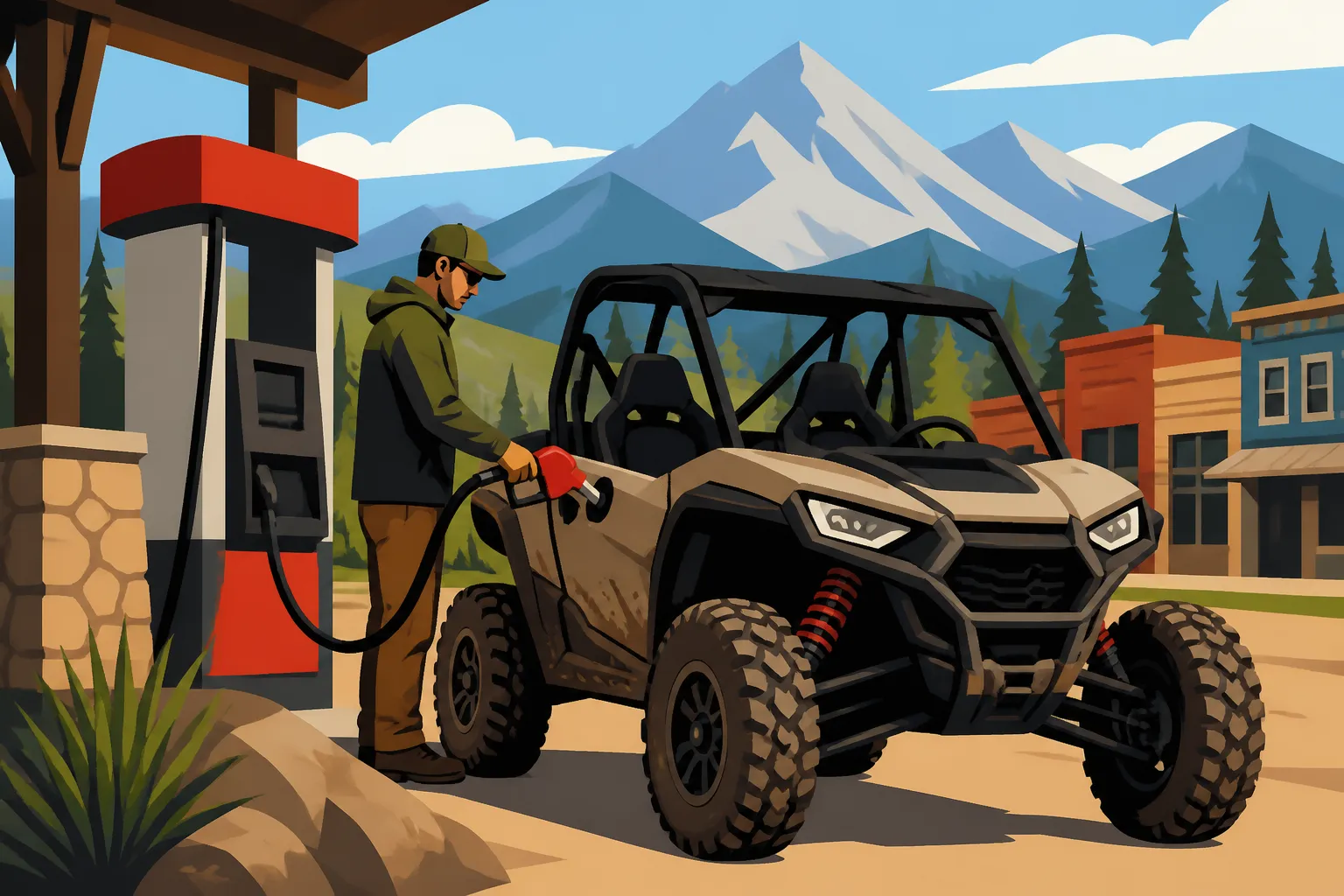
West Yellowstone is arguably Montana's most iconic trail town, serving as the western gateway to Yellowstone National Park and a massive hub for both summer and winter motorized recreation. As such, it's generally very OHV-friendly, and finding fuel here is usually not an issue. You'll find several gas stations, often with larger lots to accommodate trucks and trailers. Many of these stations are well-versed in serving recreationalists, offering multiple fuel grades and sometimes even diesel. The town itself has clear ordinances that allow OHV traffic on many of its streets, making it easy to ride your side-by-side or ATV directly to the pump. However, because it's such a popular destination, especially in peak season (summer), expect gas prices to be higher than in larger cities further away. Also, while there are multiple stations, they can get busy, so be patient. Planning your fuel stop during off-peak hours (early morning or late evening) can help avoid lines. This is a town where [Riding to Lunch Partway Through a Loop] is a common occurrence, and a fuel stop is often part of that break.
Red Lodge: Mountain Town Logistics
Red Lodge, nestled at the base of the Beartooth Mountains, offers a different kind of fueling experience. It's a charming, historic mountain town that serves as a basecamp for adventures into the Custer Gallatin National Forest and the famous Beartooth Highway. While it welcomes outdoor enthusiasts, its town layout is a bit more compact than West Yellowstone's, with a classic main street. You'll find gas stations on the main arteries approaching and within the town, but maneuvering a large truck and trailer might require a bit more skill. There are often a couple of options just off Highway 212 that are generally easier to access. OHV road access within Red Lodge might be more limited to specific routes that connect to trails or allow passage through town, so it's always wise to check local signage or ordinances. Fuel prices, like in West Yellowstone, can be a bit higher due to the town's remote, tourist-dependent location. If you're coming down from a day on the higher elevation trails, make sure you factor in the additional fuel burn for climbs. Knowing [What Montana Requires on an OHV Road Ride] is crucial when traversing Red Lodge's streets.
Smaller Towns and Remote Outposts
Then there are the smaller, more remote Montana outposts – towns like Lincoln, Seeley Lake, or Polaris – which are absolute gems for backcountry riding but require a bit more strategic thinking when it comes to fuel. These towns often have only one or two gas stations, which might be attached to a general store or a small motel. Their hours can be shorter, especially on weekends or holidays, and they might not always offer premium fuel. Access with a large trailer might be tighter, so be prepared for some careful maneuvering. The beauty of these towns, however, is often their direct proximity to incredible trail systems. In many of them, OHV road access is quite common and more relaxed, designed to allow riders to easily get from campgrounds or trailheads to essential services like gas, food, and lodging. For these smaller towns, it's absolutely paramount to call ahead if you're unsure about hours or fuel availability, particularly during the shoulder seasons when services can be reduced. These are the places where carrying a SuperATV fuel caddy with extra gas truly pays off, bridging the long gaps between reliable fuel stops. Don't be shy about asking locals for advice, either; Montanans are generally friendly and happy to point you in the right direction. Always ensure you have enough fuel to get to the next known fuel stop, not just your destination.
Disclaimer
This article is for general informational purposes only and does not constitute professional advice. Laws, prices and regulations vary by location and change over time. Consult a qualified professional for guidance on your specific situation.