Can You Ride an OHV on a Montana Highway?
Ah, the open road! You're out on your trusty ATV or UTV, enjoying the stunning Montana scenery, when suddenly, you hit a stretch of pavement. Maybe it's a short hop to another trail system, a quick dash to the nearest gas station, or perhaps you're just trying to connect two different county roads. It’s a common frustration to wonder: can I just hop on this main highway for a bit? This guide is here to clear up the confusion about riding your off-highway vehicle (OHV) on Montana's state and federal highways, because the rules are often far stricter than many riders realize.
Understanding Montana's Highway Designations for OHVs
When we talk about "highways" in Montana, it's easy to picture any paved road. However, legally and for OHV regulations, there’s a critical difference between a state highway, a federal highway (like an Interstate), a county road, and a city street. This distinction is paramount because what's allowed on one might be strictly forbidden on another. Many riders get caught out by this, thinking if they can ride on a county road, a highway must be okay too. That's simply not the case, and understanding why will save you a heap of trouble.
State and Federal Highways Defined
Montana's laws categorize roads based on their jurisdiction and function. State highways (like many of those numbered routes you see, such as MT-200 or MT-83) and federal highways (like I-90 or US-93) are generally designed for higher speeds, heavier traffic, and long-distance travel. They are built to different engineering standards than your typical county gravel road or forest service route. The Montana Department of Transportation (MDT) oversees these larger arteries, and their primary concern is the safe and efficient flow of conventional highway-licensed vehicles. While your ATV or UTV, even one equipped with robust aftermarket gear from a brand like SuperATV, is a powerful and capable machine for the trails, it's not a highway vehicle in the eyes of the law, or in terms of inherent safety features.
The Contrast with County Roads and City Streets
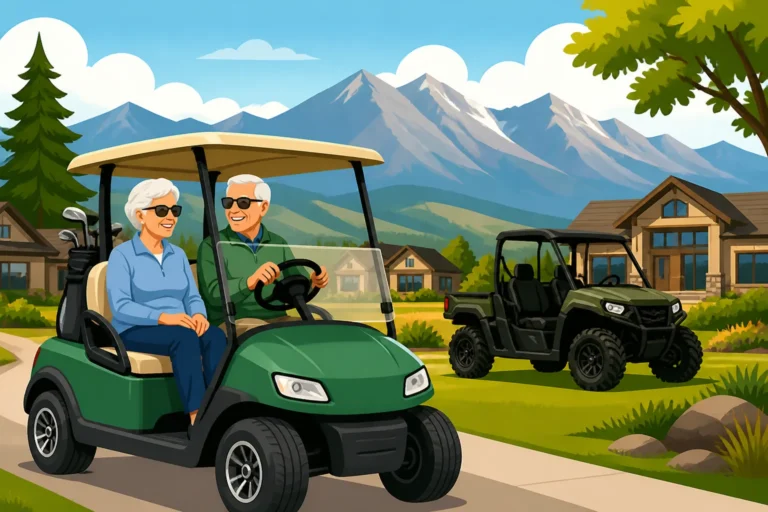
In contrast, county roads are under the jurisdiction of county commissioners, and city streets are managed by municipal governments. These local entities often have the authority to enact ordinances allowing OHV use on some of their roads, sometimes even paved ones, within specific parameters. This is where a lot of the confusion stems from. You might hear about a town that allows OHVs on its streets, and naturally, you might assume that means all paved roads are fair game. But that local permission almost never extends to a state or federal highway that happens to pass through that town. The ability to ride an OHV on [Montana Towns That Allow OHVs on Their Streets] is a very different beast than riding on a highway. It's crucial to always check local ordinances for clarity, as they can vary wildly even between neighboring towns.
The Strict Reality: Why Highways Are Mostly Off-Limits
Let's get straight to it: generally speaking, you cannot ride an OHV on a Montana state or federal highway. This isn't just a suggestion; it's a legal prohibition with serious safety implications and potential penalties. It's easy to feel frustrated when a highway seems like the most direct route, but the rules are in place for very good reasons.
Safety Concerns at Highway Speeds
The primary reason OHVs are restricted from highways boils down to safety. ATVs and UTVs are designed for off-road performance—nimble handling, powerful torque, and suspension systems that thrive on uneven terrain. They are not built for sustained high speeds on asphalt alongside cars, trucks, and semi-trailers.
- Speed Differentials: Your average highway speed limit can be 70-80 mph. Even the fastest UTVs struggle to maintain those speeds comfortably and safely for extended periods. The speed differential between your OHV and other traffic creates an incredibly dangerous situation, increasing the risk of rear-end collisions exponentially.
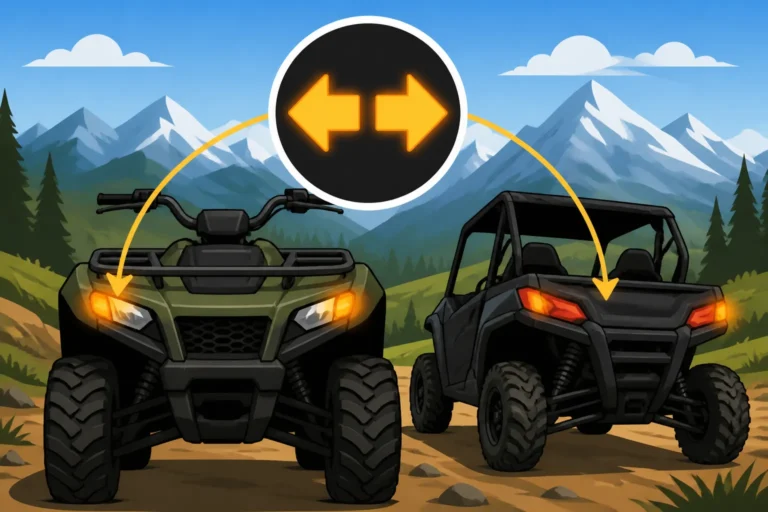
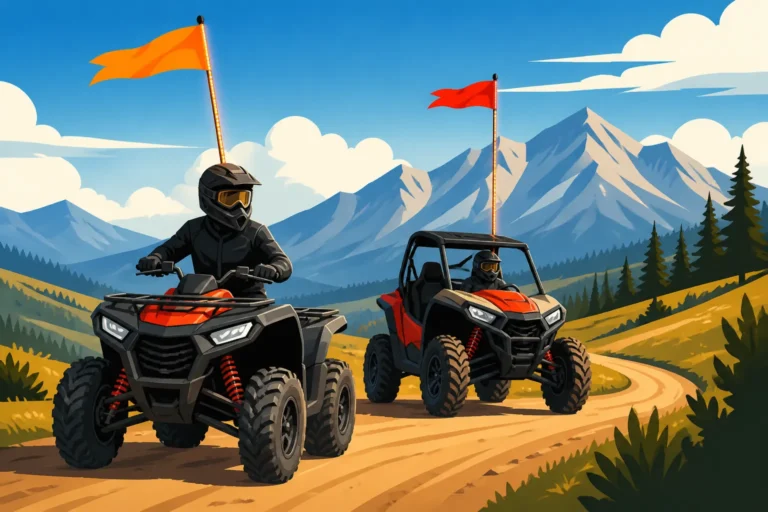
- Visibility: OHVs are much smaller and lower to the ground than most highway vehicles. This makes them significantly harder for other drivers to see, especially at highway speeds or in adverse weather conditions. While you might have added bright lighting or flags, these are rarely sufficient for the demands of highway visibility.
- Braking and Handling: The braking systems and suspension of OHVs are optimized for dirt, gravel, and rough trails, not for emergency stops on smooth, high-friction asphalt at highway speeds. Sudden maneuvers or hard braking on pavement can be unpredictable and dangerous.
- Lack of Crash Protection: Unlike street-legal cars, OHVs lack crumple zones, airbags, and reinforced cabins designed to protect occupants in high-speed collisions. Even a minor incident at highway speeds can have catastrophic consequences.
Legal Ramifications and Penalties
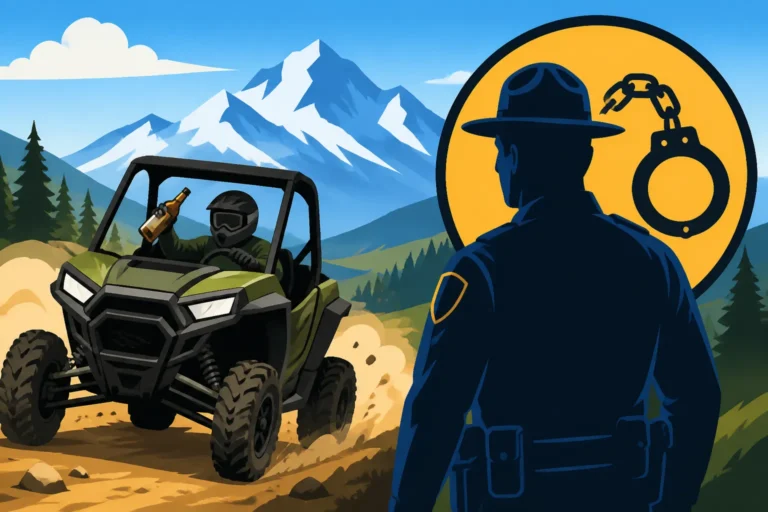
Ignoring these regulations can lead to significant legal trouble. If a Montana Highway Patrol officer or local sheriff catches you operating an OHV on a state or federal highway, you're looking at more than just a stern talking-to. The penalties can be steep, ranging from substantial fines to having your machine impounded. Riding where you shouldn't also means you could face charges like reckless endangerment if your actions put others at risk. It’s also important to remember that most [Montana ATV Insurance Cost] policies are specifically for off-road use and may not cover incidents that occur during illegal highway operation. This means you could be personally liable for damages in an accident. You definitely don't want to be dealing with [Montana Fines for Illegal Road Riding] when you're supposed to be enjoying the backcountry.
Limited Exceptions and Designated Crossings
While the general rule is "no highways," there are very specific, narrow circumstances where an OHV might legally interact with a state or federal highway. These are not opportunities for joyrides or extended travel, but rather carefully regulated maneuvers designed to facilitate trail access or essential crossings.
Crossing a Highway
The most common exception involves crossing a highway. In Montana, an OHV may cross a controlled-access highway (like an Interstate) at an intersection with another public road, but only if the crossing is made at a right angle (as close to 90 degrees as possible) and the OHV comes to a complete stop beforehand. This is strictly for getting from one side of the highway to the other, not for riding on it. Think of it as crossing a busy street on foot – you stop, look both ways, and quickly get across. You can't walk down the middle of the street, and you can't ride your OHV down the shoulder of a highway either. For more details, you can look into [Montana Rules at a Paved Highway Crossing].
| Road Type | OHV Use Generally Allowed | Conditions/Restrictions |
|---|---|---|
| Federal Highways | No | Exceptions only for direct, 90-degree crossings at intersections |
| State Highways | No | Exceptions only for direct, 90-degree crossings at intersections |
| County Roads | Potentially | Varies by county; check local ordinances, speed limits, signage |
| City Streets | Potentially | Varies by municipality; check local ordinances, speed limits |
| Designated OHV Trails | Yes | Requires Montana's Resident OHV Trail Pass or non-resident permit |
Local Ordinances and Limited Segments
In very rare and specific instances, a local government (city or county) might have an ordinance that permits OHV use on a very short segment of a state highway within its municipal limits to connect two legal OHV routes or provide access to services like fuel. However, these situations are exceedingly rare for state highways and practically non-existent for federal highways. They are usually highly publicized and clearly signed. Never assume this is the case; always verify with local authorities. This is far more common for [Montana County Treasurer OHV Registration] machines on smaller county roads or specific city streets. If you're relying on such an exception, you need to have done your homework thoroughly to avoid riding where it's not allowed.
Practical Advice for Navigating OHV Rules Near Highways
So, if you can't ride on highways, what can you do when your route brings you near one, or when you need to get from one trail system to another across a major thoroughfare? It all comes down to planning, preparedness, and respecting the law.
Plan Your Route Carefully
The best way to avoid illegal highway use is to plan your route meticulously before you head out. Utilize maps—both paper and digital—to identify designated OHV trails, county roads where OHVs are permitted, and legal crossing points. Apps like onX Offroad often have layers that show legal routes. If your planned trail system requires you to cross a major highway, make sure you know exactly where those legal crossing points are and if there are any specific local rules governing them. Many riders use these apps to find areas like [Montana's National Forest Trail Systems] or explore [Custer Gallatin Trails Near Bozeman] where they know they can legally ride.
Trailer Your Machine
When in doubt, or when the distance between legal riding areas involves a highway, the safest and most legal option is to trailer your machine. This is by far the most common practice for responsible riders connecting distant trailheads. Investing in a good trailer and ensuring your machine is properly secured is a small price to pay for peace of mind and legal compliance. It eliminates all the guesswork and allows you to transport your OHV safely to the next staging area. This also means you don't have to worry about whether your machine meets road-legal requirements, which can be extensive and costly to modify. If your rig is tricked out with SuperATV accessories like heavy-duty winches or lift kits, it’s definitely not built for highway cruising.
Understand Local Ordinances for Connecting Roads
While state and federal highways are mostly off-limits, many Montana counties and cities have opened certain secondary roads and streets to OHV use. These are the places where you might find your freedom to connect trails or access amenities. However, these ordinances vary widely, even from one county to the next.
- Check with County Commissioners: For county roads, the local county commissioners typically make these decisions. Their offices can provide information on which roads, if any, are open to OHVs.
- Check City Hall: For riding within a town, contact the city clerk or local police department. They will have information on any municipal ordinances that permit or restrict OHV use on city streets.
- Look for Signage: When roads are opened to OHVs, they are usually clearly marked with signs indicating permissible use and any specific restrictions (e.g., speed limits, times of day). Always keep an eye out for these.
It's tempting to want to just jump on the road, especially when a gas station is "right there," but a little research can save you a big headache. Don't rely on assumptions; always verify the current rules. And remember, these local permissions rarely, if ever, apply to state or federal highways.
Disclaimer
This article is for general informational purposes only and does not constitute professional advice. Laws, prices and regulations vary by location and change over time. Consult a qualified professional for guidance on your specific situation.