Riding a Logging Road in Western Montana
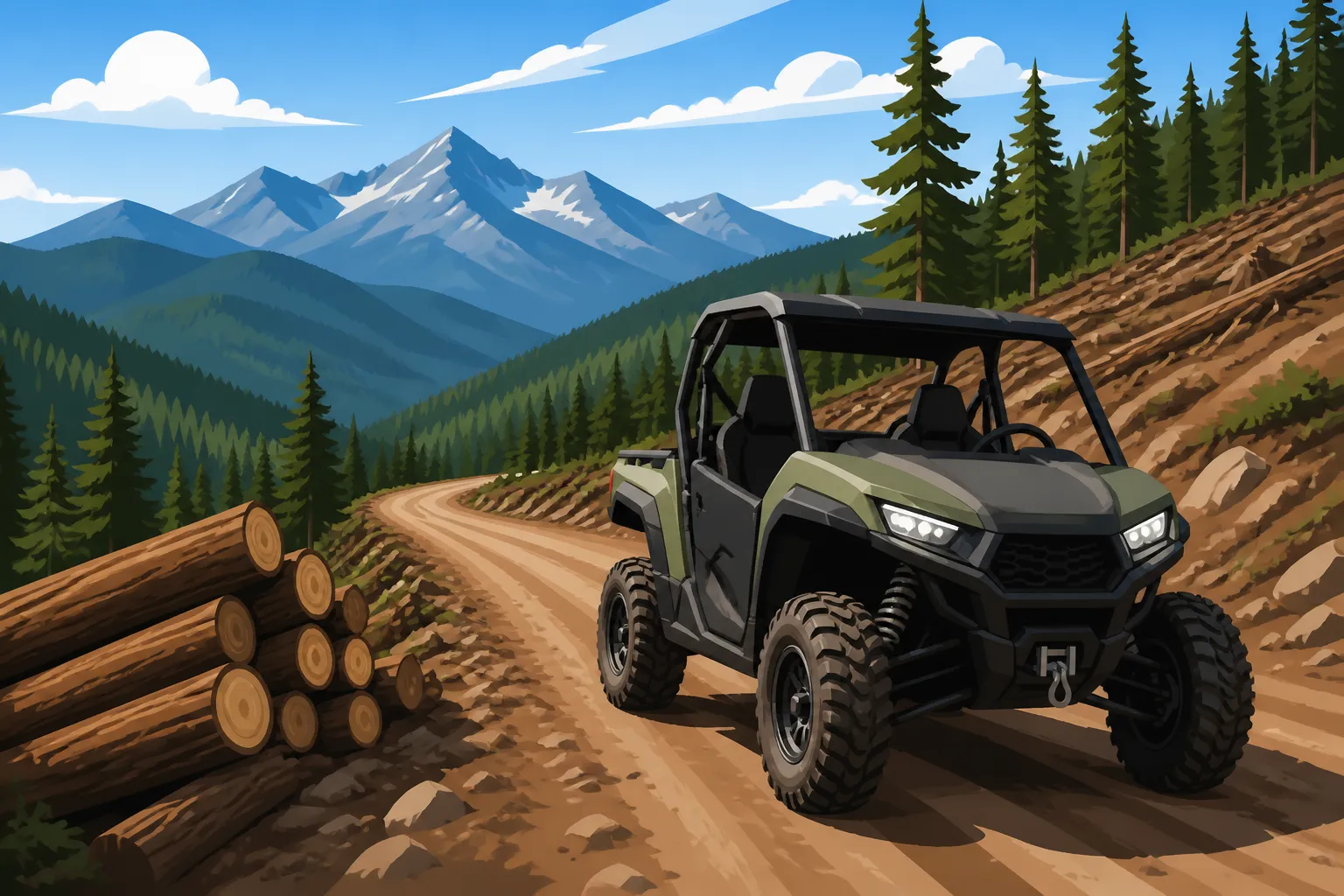
Dreaming of those long, winding logging roads in Western Montana? You picture open stretches, stunning views, and miles of adventure on your ATV or UTV. But before you hit the throttle, there's a tangled web of rules, permissions, and etiquette that can make even a seasoned rider scratch their head. This guide will unravel the complexities of riding logging roads in Western Montana, helping you navigate the regulations, understand access, and prepare for a safe and responsible journey into Big Sky Country's working forests.
Understanding Logging Road Ownership and Access in Western Montana
The biggest hurdle many riders face when eyeing a logging road isn't the terrain itself, but figuring out who owns it and whether they're even allowed to be there. Western Montana's landscape is a patchwork of private timberland, national forests, Bureau of Land Management (BLM) land, and county roads, all often crisscrossed by roads built and maintained for resource extraction. Assuming all logging roads are fair game is a common and potentially costly mistake. Each type of ownership comes with its own set of rules, and knowing the difference is the first step to a trouble-free ride.
Private Timberland Roads
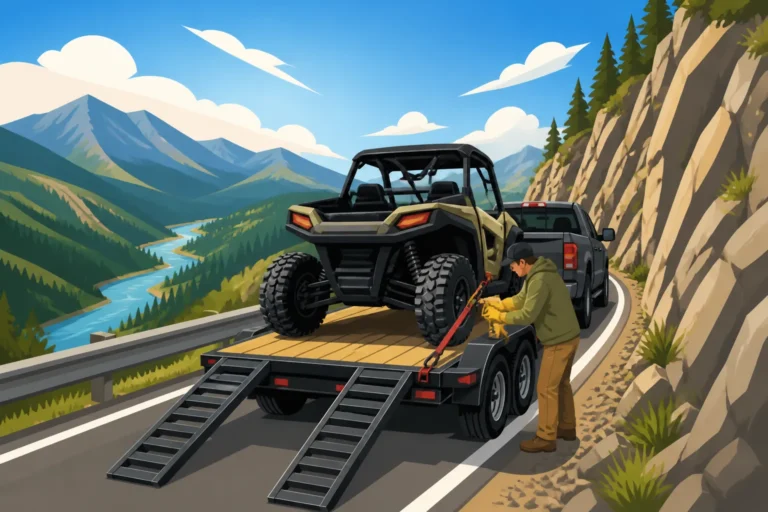
Many of the most extensive and well-maintained logging road networks in Western Montana are actually on private timber company land. Companies operate these roads for their active logging, hauling, and reforestation efforts. Because these are private, working lands, public access is often restricted, requires special permits, or is subject to seasonal closures. You might encounter locked gates, "No Trespassing" signs, or signs explicitly stating "No Motorized Vehicles." It's incredibly frustrating to plan a ride only to find a locked gate at your chosen entry point, but it's crucial to respect these boundaries.
Timber companies prioritize safety for their workers and the efficiency of their operations. Allowing unrestricted public access can pose serious hazards, especially when heavy equipment and logging trucks are actively working. Before venturing onto what looks like private logging land, always do your homework. Some companies may offer limited recreational access permits during non-operational hours or seasons, but this is becoming less common. Checking local forest product company websites or contacting their offices directly is the best way to determine current access policies. Never assume an open gate means public access; it might just mean workers are on site. Ignoring "No Trespassing" signs can lead to fines, your machine being impounded, or even more serious legal trouble. Remember, these are someone's private property and an active industrial site.
National Forest and BLM Logging Roads
Fortunately for OHV enthusiasts, many logging roads in Western Montana are located within National Forests or on Bureau of Land Management (BLM) lands. These federal lands are generally more accessible to the public, but "generally" is the operative word. While they are public lands, specific roads and trails are designated for motorized use, and others are strictly off-limits. You can't just ride wherever you please. The key to navigating these roads legally is the Motor Vehicle Use Map (MVUM). Every National Forest and BLM field office publishes MVUMs, which are your definitive guide to what's open, what's closed, and what seasonal restrictions apply.
An MVUM will show which roads and trails are open for ATVs, UTVs, and other motorized vehicles, often specifying vehicle width limits. You'll see symbols indicating seasonal closures, like those protecting wildlife during winter or preventing damage to wet roads during spring thaw. These maps also distinguish between roads open to highway-legal vehicles and those only open to off-highway vehicles. A road might appear to be a logging road, but it could be designated for hiking or mountain biking only. Familiarizing yourself with the MVUM for your chosen riding area is absolutely non-negotiable. Websites for the [Montana's National Forest Trail Systems] or the [Montana Rules on BLM Roads] can guide you to these essential resources. Many riders also use GPS apps like onX Offroad which overlay MVUM data directly onto their maps, making navigation much easier in the field.
County-Maintained Logging Roads
Sometimes, a road that feels very much like a logging road is actually a county road, meaning it's maintained by the local county government and is open to public travel. These are typically gravel roads that connect to state highways or other county roads, passing through a mix of private, state, and federal lands. While they might primarily be used by logging trucks, they are public thoroughfares subject to Montana's standard road rules. This distinction is crucial because the requirements for riding an ATV or UTV on a county road are different than those for riding on a designated trail or private land.
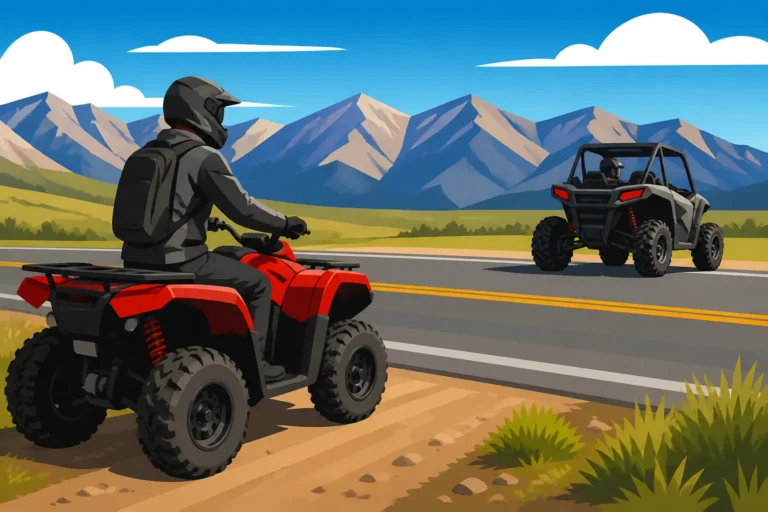
When you're on a county-maintained logging road, you need to ensure your machine is appropriately registered and equipped for road use, just as you would on any other public county road. This means valid [Registering an OHV in Montana], proper lighting, and often, a driver's license for the operator. The county commissioners often have the final say on what's allowed on their roads, so it's always wise to check local ordinances if you're unsure. While these roads offer great access and often lead to further trail systems, they require a different mindset than purely off-road riding. You’re sharing the space with larger, faster vehicles, and you must adhere to traffic laws.
Navigating the Rules of the Road: What Your Machine Needs
Once you've confirmed where you can legally ride, the next step is ensuring your ATV or UTV is properly outfitted and you, as the operator, meet all the necessary requirements for traversing those Western Montana logging roads. It's not enough to just have a machine; it needs to be street-legal, or at least road-legal, for the specific conditions you'll encounter. Failing to meet these requirements can lead to citations, fines, or even having your ride cut short by a local sheriff or Fish, Wildlife & Parks warden.
Registration, Decals, and Plates
For any public logging road, whether it's a National Forest road, a BLM route, or a county road, your ATV or UTV must be properly registered with the State of Montana. This means you'll have a valid registration sticker (often referred to as a "decal") clearly displayed on your machine. Montana offers a [Montana's One-Time Permanent OHV Registration] which is a huge convenience for residents, meaning you register once and you're good to go forever – no annual renewals! However, even with permanent registration, you need to make sure your decals are always affixed in the correct location and are legible.
Out-of-state riders also have options, usually involving a non-resident temporary use permit or ensuring their home state's registration is recognized (though reciprocity varies). You should always carry proof of your registration with you while riding. While a formal metal license plate isn't typically required for OHVs on most logging roads, the decals are paramount. Without them, you're essentially operating an unregistered vehicle on public land, which is an open invitation for a ticket. Learn more about the ins and outs by reading [Montana County Treasurer OHV Registration].
Equipment for Road Use
Logging roads, even the remote ones, often fall under regulations that require your OHV to have specific equipment, especially if it's considered road-legal. This isn't just about safety; it's about compliance. At a minimum, your machine needs functional headlights and taillights that are on whenever you're operating on public roads, regardless of the time of day. This is a common Montana rule for OHVs on roads. Good brakes are non-negotiable, and your machine should also have a muffler with a spark arrester in good working order to prevent wildfires, a major concern in Montana's forests.
Beyond the basics, many riders choose to equip their machines with additional safety features to cope with the challenges of logging roads. A windshield, for instance, can protect you from dust and debris kicked up by other vehicles or even by your own tires. Mirrors are often a legal requirement for road-legal use in many areas, allowing you to see traffic approaching from behind – critical when those large logging trucks are on your tail. Aftermarket accessories, such as those from SuperATV, offer a range of robust options, from full windshields that protect against the elements and flying gravel to sturdy mirrors that provide excellent visibility. Upgrading your lighting with brighter LED options from SuperATV can also greatly improve your ability to see and be seen, especially at dawn or dusk when logging activity often begins or ends. This investment in proper gear isn't just about convenience; it's about making your machine genuinely ready for the road.
Insurance and Driver Requirements
Just like any other vehicle on public roads, your ATV or UTV should be insured when you're riding on logging roads in Western Montana. While Montana does not mandate liability insurance for off-road use on trails, if you're riding on roads that are open to other traffic (like county roads or even some Forest Service roads designated for mixed use), having proper liability coverage is a smart move. An accident, even a minor one, can become a significant financial burden without it. It's always a good idea to check with your insurance provider to understand what your policy covers when you’re riding an OHV on different types of public land. You can delve deeper into [Insuring an ATV in Montana] for more details.
Furthermore, driver requirements are important. If you're on a county road or a Forest Service road that functions as a public thoroughfare, you typically need a valid driver's license to operate an OHV. This is particularly true for side-by-sides. For younger riders, Montana has specific age and safety education requirements. For instance, riders between 12 and 15 might need to pass an OHV safety course and be supervised by an adult on public roads. Knowing these rules ensures everyone in your riding group is compliant and safe. It's never fun to get pulled over, but it's even worse if you're not legally prepared.
Safety, Etiquette, and Environmental Responsibility on Logging Roads
Riding logging roads isn't just about following the letter of the law; it's also about practicing good judgment, showing respect for others, and protecting the incredible natural environment around you. These roads are often shared spaces, used by a variety of people for a variety of purposes, and they are almost always in wild country where hazards abound. Adhering to unwritten rules of etiquette and being prepared for the unexpected can make all the difference between an amazing adventure and a problematic outing.
Sharing the Road with Commercial Traffic
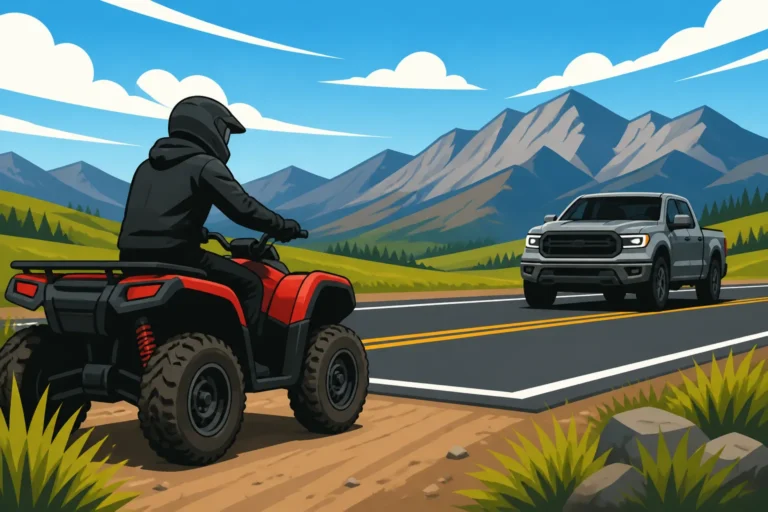
The single most critical safety consideration on a logging road is the presence of active commercial traffic. Logging trucks are enormous, fast, and often heavily loaded. They have the right-of-way, always. When you encounter a logging truck, whether it’s empty or loaded, pull over to the side of the road immediately, turn off your engine, and give them ample room to pass. They create significant dust, can take up the entire width of the road on corners, and simply cannot stop or maneuver as quickly as your ATV or UTV.
You might also encounter other industrial vehicles, such as graders, excavators, or utility trucks. Treat them with the same deference. Remember, these people are working, and you are recreating. Your safety depends on being alert, anticipating traffic, and yielding without hesitation. Blind corners are especially dangerous; slow down and consider giving a short horn blast (if your machine has one) to warn any oncoming traffic. While you might be enjoying the scenery, these roads are not designed for leisurely sight-seeing by OHVs during active operations. Many riders add sturdy aftermarket protection, like brush guards and rock sliders from SuperATV, not just for trail protection but also to give them confidence against minor scrapes in tight situations, though they are no substitute for good driving habits around large vehicles.
Respecting Property and the Environment
Many logging roads wind through a mosaic of public and private lands, often with subtle transitions. Always be vigilant for signs indicating private property or closed areas. A common frustration is encountering a gate that was open last week but is now closed and locked. [Montana Trespass Law for Riders] is clear: if a gate is closed, even if unlocked, it usually means passage is restricted. Never ride around gates or bypass closures; these are put in place for safety, environmental protection, or to protect private interests.
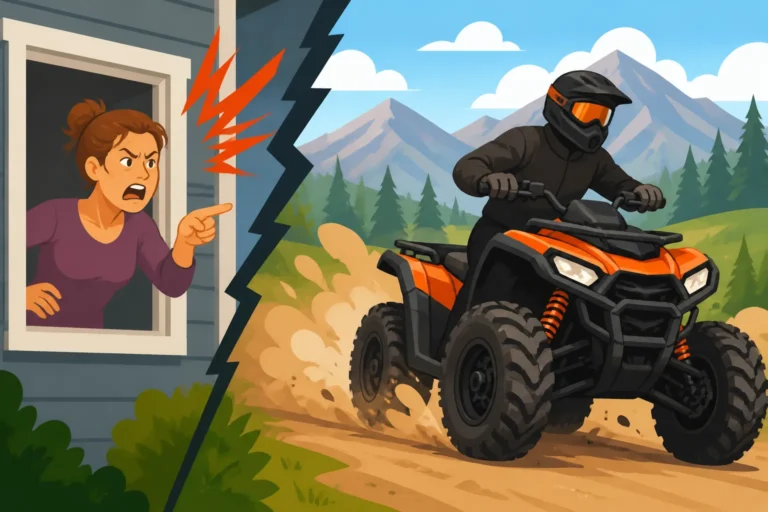
Environmental responsibility is also paramount. Stay on designated roads and trails; don't create new routes or ride cross-country. Pack out everything you pack in, including all trash and waste. Avoid splashing through delicate wetlands or streams, and be mindful of your noise levels, especially when passing near homes, cabins, or wildlife viewing areas. Spark arresters are required on public lands for a reason – they prevent wildfires, which are devastating to Montana's forests. Your actions reflect on the entire OHV community, and responsible riding helps keep these incredible areas open for everyone.
Essential Gear for Logging Road Adventures
Because logging roads can lead you deep into remote areas, being prepared is non-negotiable. Beyond your machine's required equipment, think about what you'd need if something went wrong miles from the nearest town or cell signal. A well-stocked first-aid kit is essential. Carry plenty of water, extra fuel, and non-perishable food. Tools for basic repairs – like a tire plug kit, air pump, and wrench set – can turn a major headache into a minor inconvenience. A winch, especially if you're riding alone or in a small group, can be a lifesaver if you get stuck or need to move a fallen tree.
Communication is also key in Montana's backcountry where cell service is often nonexistent. A satellite messenger device (like a Garmin InReach or Spot device) is a wise investment, allowing you to send emergency signals or check-in messages even when off the grid. [Bear Spray on an OHV] is also highly recommended in Western Montana, as you are frequently in grizzly country. For carrying all this essential gear, many riders utilize robust cargo boxes or racks, often reinforced or specifically designed for trail use by companies like SuperATV, ensuring everything stays secure even over rough terrain. Preparing for the unexpected means you can truly enjoy the ride with peace of mind.
| Road Type | Typical Ownership | Common Access Rules | Key Document/Requirement |
|---|---|---|---|
| Private Timberland | Timber Companies / Private | Often Restricted; may require permits, seasonal closures, or no public access. Can change suddenly. Always check. | Posted Signs, Company Websites, Local Offices, Locked Gates |
| National Forest / BLM | Federal Government | Generally open unless specifically closed. Check MVUMs for designated motorized use and seasonal dates. | Motor Vehicle Use Map (MVUM) |
| County Road | County Government | Usually open unless marked. Standard Montana OHV road rules apply (registration, lights, sometimes license). | Local Ordinances, Road Signs |
Disclaimer
This article is for general informational purposes only and does not constitute professional advice. Laws, prices and regulations vary by location and change over time. Consult a qualified professional for guidance on your specific situation.