Getting a Replacement Decal
It's incredibly frustrating when you go to pull your ATV or UTV out for a ride, only to find that your Montana registration decal has gone missing, is peeling off, or got damaged on your last adventure. A missing or unreadable decal can turn a fun day on the trails into a stressful encounter with enforcement. This guide is here to walk you through exactly why that decal matters, what causes them to go rogue, and the clear steps you need to take to get a brand-new replacement so you can ride with peace of mind.
Why Your Decal Matters So Much in Montana
When you invest in an off-highway vehicle (OHV) in Montana, you're not just buying a machine for fun or work; you're also agreeing to abide by the state's registration and titling requirements. That little sticker, the OHV decal, is a critical part of that agreement, acting as your machine's visible proof of compliance.
The Law and Your Machine
Montana law is pretty clear: if you're riding your ATV or UTV on public lands, designated trails, or even crossing certain public roads, your machine needs to be properly registered, and that means having a current and clearly visible decal. Wardens, county sheriffs, and other enforcement officers are out there actively ensuring everyone is following the rules. Imagine pulling up to a popular trailhead in the Flathead National Forest, excited for a day of riding, and an officer flags you down. If your decal is missing or unreadable, even if your registration is otherwise current, it can lead to questions, delays, and potentially a citation. It’s a bit like driving your truck without a license plate – sure, you might have registered it, but without that visible proof, you're going to get noticed. The last thing any of us want is a ticket for something preventable when we're trying to enjoy the Big Sky Country. You can learn more about what might happen if you're caught without the right stickers in [Montana Penalties for a Missing Decal].
Decal Placement and Visibility
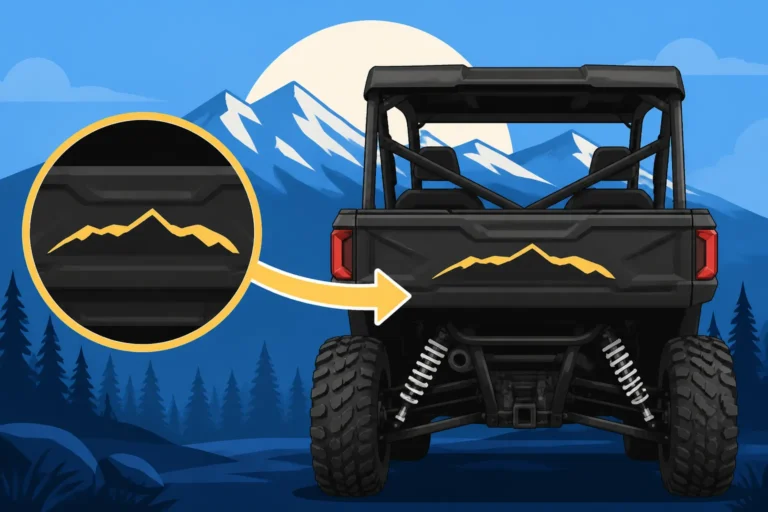
Montana has specific rules about where that precious decal needs to be displayed, and for good reason. It needs to be easily seen by anyone looking at your machine, especially enforcement. For ATVs, the decal typically goes on the rear fender, often near the taillight. For UTVs or side-by-sides, you'll usually place it on the rear of the machine, like the tailgate or a prominent spot on the cargo box. The idea is to make it visible from the rear, ensuring that if an officer is following you on a trail or you're parked at a staging area, they can quickly verify your registration. A decal that's peeling off, obscured by mud, or simply placed in an out-of-the-way spot defeats its entire purpose. It’s not just about having the decal; it's about having it correctly displayed. Take a moment to check [Where a Montana OHV Decal Goes] to ensure yours is in the right spot. If it's not visible, it might as well not be there at all in the eyes of the law.
Common Reasons You'd Need a Replacement Decal
Life in Montana is tough on everything, and your OHV decals are no exception. These little stickers are constantly exposed to the elements and the rigors of trail riding, making them susceptible to damage and loss. Understanding why they go missing can help you prepare and protect future decals.
Wear, Tear, and the Montana Elements
Let's be honest, our machines see a lot of action here in Montana. From scorching summer sun that fades colors faster than you can say "trail dust," to the freezing grip of winter that can cause adhesives to fail, our decals face an uphill battle. You might pull your quad out of the shed after a long winter, only to find the decal has curled up, cracked, or simply vanished, leaving behind a sticky residue. Rain, snow, mud, and even the high-pressure spray from your wash hose can all contribute to the breakdown of the decal material and its adhesive. It’s a common story around here: you come back from a muddy ride near the Garnet Backcountry Byway, give your side-by-side a good cleaning, and suddenly, part of the decal is gone. It’s not necessarily negligence; it’s just the reality of living and playing in Montana's incredible, but demanding, environment. We've even discussed this issue in depth in [When an OHV Decal Peels Off Over Winter].
Accidental Damage or Loss
Beyond the natural wear and tear, direct physical damage is another frequent culprit. Picture this: you're navigating a tight, brushy trail in the Lolo National Forest, and a low-hanging branch scrapes along the side of your UTV, tearing a piece right off your decal. Or maybe you're loading your ATV onto a trailer, and a tie-down strap snags the edge, ripping it. Sometimes, decals simply lose their adhesion on bumpy rides, especially if the surface wasn't perfectly clean when it was applied. It’s a disheartening discovery, but it happens to the best of us. Whether it's a minor scrape from tight trails or a complete loss during transport, the outcome is the same: you need a replacement. It’s not uncommon for riders to discover their decal missing only after a particularly rugged adventure, leaving them wondering exactly when and where it decided to part ways with their machine.
The Step-by-Step Process to Get a New Decal
Alright, so your decal is a goner. Don't sweat it. Getting a replacement is a straightforward process in Montana, but it does require a bit of preparation and a visit to the right place. Knowing what to expect makes it much easier.
Gathering Your Proof of Ownership
Before you even think about heading out the door, the first and most crucial step is to gather all your necessary paperwork. The county officials need to confirm that you are, in fact, the rightful owner of the OHV. This usually means bringing your current title and your most recent registration certificate. Think of these as your machine's birth certificate and current ID card. If you recently purchased the machine, having a solid bill of sale is also a smart move, even if it's just a backup. Organizations like LawDepot can help you generate comprehensive legal documents like a bill of sale, ensuring all the right information is captured, which can be invaluable when dealing with official processes. Having these documents on hand not only speeds up the process but also proves you’re legitimate. Without this proof, they can't issue you a new decal. It’s a good practice to keep these documents organized and easily accessible, not just for decal replacements but for any future needs concerning your machine. If you're unsure what a good bill of sale looks like, check out [What a Montana Bill of Sale Should Say].
Required Documents for Decal Replacement
| Document | Purpose | Notes |
|---|---|---|
| Current Title | Proof of legal ownership | Original or certified copy preferred. |
| Current Registration | Proof of active registration for the machine | The most recent annual or permanent registration document. |
| Valid Photo ID | Verifies your identity as the owner | Driver's license or state ID. |
| Bill of Sale (if recent purchase) | Supplemental proof of ownership | Helps if title/registration are new or pending. Consider using a template from a service like LawDepot. |
| Payment for Fee | Covers the cost of the replacement decal | Check with your county treasurer for current fees. |
Visiting Your Local County Treasurer's Office
Once your paperwork is in order, your next stop is your local County Treasurer's Office. This is the primary hub for all things OHV registration and titling in Montana. Whether you live in Missoula, Billings, or a smaller town like Dillon, your county's treasurer will handle this. When you arrive, be prepared to present your gathered documents and explain that you need a replacement OHV decal. They will verify your ownership and current registration status, process the necessary paperwork, and collect any applicable fees. The process is generally quick and efficient, assuming you have all your documents ready. Many people find it helpful to call ahead to their specific county office, such as the [Montana County Treasurer OHV Registration] in your area, to confirm hours and any specific requirements, especially if you have a unique situation. They are there to help, and being prepared on your end makes their job, and your experience, much smoother. You can find out more about what documents to bring in [Documents to Bring to a County Treasurer].
Online and Mail-In Options
While some states have moved towards more digital processes for things like decal replacements, Montana's system for OHVs often emphasizes in-person visits to the County Treasurer's Office, especially for direct decal issuance. This ensures immediate verification and prevents issues with lost mail or incorrect addresses. At present, a full online or mail-in process for replacement decals isn't as widely available or universally adopted as it might be for initial renewals of standard vehicle plates. It’s always best to assume you’ll need to make a trip to the County Treasurer. This direct interaction helps prevent fraud and ensures the correct decal is issued to the proper owner. Always verify the current capabilities with your specific County Treasurer's office, but planning for an in-person visit is generally the most reliable approach to guarantee you walk out with your new decal in hand.
What to Do While You Wait for Your Replacement
So you've submitted your request for a new decal, but it might take a little time to get the actual sticker. What do you do in the interim? It's a common concern, especially if you have a ride planned.
Temporary Solutions and Proof of Application
Montana recognizes that things happen, and a decal might be lost or damaged right before a planned trip. While you wait for your replacement, the most critical thing you can do is carry all your current registration paperwork with you whenever you ride. This includes your physical registration certificate. If a warden stops you and your decal is missing, you can present these documents as proof that your machine is legally registered and that you are in the process of replacing the decal. It demonstrates good faith and compliance. While it doesn't guarantee you won't get a warning, it significantly improves your situation compared to having no proof at all. You can even consider keeping a copy of your receipt or temporary paperwork from the County Treasurer if they provided one, showing you've initiated the replacement process. Always remember, the goal is to show you're a responsible rider adhering to the law. We often discuss the importance of keeping [Do You Carry Paperwork on a Montana Trail?] right on your machine.
Preventing Future Decal Issues
Once you get that shiny new decal, you'll want to protect it! A little proactive care can go a long way in preventing you from needing another replacement anytime soon. Here are a few tips:
- Clean Surface is Key: When applying the new decal, make sure the surface of your OHV is thoroughly clean, dry, and free of any old adhesive residue. A clean application surface allows the decal's adhesive to bond properly and strongly.
- Optimal Placement: Double-check the recommended placement for your specific machine (ATV vs. UTV) as described in your registration materials or by the County Treasurer. Ensure it's on a relatively flat, smooth surface where it won't be easily snagged by brush or equipment.
- Avoid High-Pressure Spray: When washing your machine, be mindful of using high-pressure washers directly on the decal. The intense spray can lift the edges and compromise the adhesive over time.
- Protective Sprays (Use with Caution): Some riders use clear protective films or sprays over their decals, but be careful. Always test these products in an inconspicuous area first to ensure they don't react negatively with the decal material or paint.
- Mindful Storage: If your machine is stored outdoors or under a tarp, ensure the decal isn't rubbing against anything that could cause friction or peeling. The extreme temperature fluctuations during Montana winters can be particularly harsh, so consider the advice in [When an OHV Decal Peels Off Over Winter].
Taking these small steps can significantly extend the life of your OHV decal, saving you the hassle and cost of frequent replacements. It's a small investment of time for a lot of peace of mind on the trails.
Disclaimer
This article is for general informational purposes only and does not constitute professional advice. Laws, prices and regulations vary by location and change over time. Consult a qualified professional for guidance on your specific situation.