Titling a Side-by-Side Under an LLC
Navigating the world of off-highway vehicle (OHV) ownership can feel like a labyrinth, especially when you're looking for ways to streamline the process or manage costs, and hear whispers about special options in Montana. Many folks eye Montana for their side-by-sides, wondering if setting up a Limited Liability Company (LLC) is truly a viable path for titling their new machine. This guide will walk you through the practicalities, paperwork, and important considerations involved in titling your side-by-side under a Montana LLC, so you can make informed decisions.
Understanding the Appeal of a Montana LLC for Your Side-by-Side
It's no secret that Montana has a unique draw for OHV enthusiasts, particularly those looking at high-value machines like a new side-by-side. The state is renowned for its lack of a general sales tax, which, on a machine that can easily cost tens of thousands of dollars, can represent significant savings right off the bat. This often sparks interest in titling a machine here, even for out-of-state residents. An LLC offers a legal structure that some find appealing for this purpose, though it's important to understand why and how it works.
Beyond the sales tax aspect, an LLC also provides a layer of legal separation between you and the vehicle. If the OHV is involved in an accident, any potential liability might be limited to the assets held within the LLC, rather than your personal assets. This is a fundamental principle of LLCs and can offer peace of mind for some owners. For those with multiple machines, or even a small fleet of OHVs used for business or rental purposes, consolidating them under an LLC can simplify management, accounting, and even future sales processes. However, these benefits come with their own set of responsibilities and potential complexities that are crucial to grasp before diving in.
The Montana Sales Tax Exemption for OHVs
Let's address the elephant in the room: Montana does not have a statewide general sales tax. This means that when you buy a new side-by-side from a dealer in Montana, or even a used one from a private seller, you won't pay a sales tax to Montana at the point of purchase. For a machine that could easily run upwards of $20,000 or $30,000, that's a substantial figure that stays in your pocket initially. This is a primary driver for many out-of-state buyers who look into options like forming an LLC here. The idea is to have the LLC purchase and own the machine, thereby benefiting from Montana's tax structure.
It’s easy to get excited about the immediate savings, but it's critical to remember that while Montana doesn't charge sales tax, your home state likely does have a "use tax." This use tax is essentially the equivalent of sales tax, assessed on goods purchased out-of-state and brought back for use in your home state. We'll delve deeper into this later, but for now, understand that the Montana sales tax exemption is a key piece of the puzzle, but not the whole picture. For those residing in Montana, this is a straightforward benefit with less complexity.
Legal Protection and Asset Segregation
One of the foundational reasons people form LLCs, regardless of the asset, is for legal protection. When your side-by-side is titled under an LLC, the LLC becomes the legal owner of the machine, not you personally. This creates a legal boundary between your personal assets (like your house, savings, or other vehicles) and the LLC's assets. Should your side-by-side be involved in an accident that results in a lawsuit, for example, the claim would typically be made against the LLC's assets first. This can potentially shield your personal wealth from such claims, offering a layer of security that individual ownership doesn't provide.
It's a common strategy for business owners or individuals with significant assets who want to mitigate risk. Of course, this protection isn't absolute. There are circumstances, often referred to as "piercing the corporate veil," where a court might hold you personally liable if the LLC is not properly maintained or is used to commit fraud. But generally, when set up and managed correctly, an LLC can be a powerful tool for [Registering an OHV Under a Montana Business] and protecting your personal interests. This is why it's not just about the tax implications; it's also about a more robust legal structure for asset management.
The Step-by-Step Process of Titling Your Side-by-Side Under a Montana LLC
So, you're convinced that a Montana LLC might be the right path for your side-by-side. What's next? The process involves several distinct steps, from forming the LLC itself to finally walking out of the county treasurer's office with your machine's new title. It's not overly complicated, but it does require attention to detail and a methodical approach. Skipping steps or doing them out of order can lead to delays and frustration, which is the last thing you want when you're itching to hit the trails.
The timeline can vary depending on how quickly you move through each phase and the processing times of the relevant state offices. Generally, it's best to tackle the LLC formation well before you even think about purchasing the side-by-side, so that the LLC is a legally existing entity ready to make the purchase. This ensures a clean paper trail from the start, avoiding any messy transfers from personal ownership to LLC ownership later down the line.
Forming Your Montana Limited Liability Company
The very first step is to establish your Montana LLC. This is a legal entity separate from yourself. You'll need to file Articles of Organization with the Montana Secretary of State. This document formally creates your LLC. You'll need to choose a unique name for your LLC that isn't already in use by another business in Montana. Think about a name that reflects your passion for the outdoors or your intended use for the side-by-side, maybe something like "Big Sky Adventures LLC" or "Montana Trailblazers LLC." Many people opt for services like LawDepot to help draft these initial organizational documents, ensuring they're legally sound and correctly filed. These services can guide you through selecting a registered agent, which is a required component for any LLC and must be a physical address in Montana where legal documents can be received.
After filing the Articles of Organization, you'll need an Operating Agreement. While not always required to be filed with the state, an Operating Agreement is a crucial internal document that outlines the ownership structure, responsibilities of members, and how the LLC will be managed. It's like the constitution for your LLC. Even if you're a single-member LLC, having this document is good practice, as it reinforces the legal separation between you and the company. Again, resources like LawDepot can be invaluable for creating a comprehensive and legally robust operating agreement without needing to hire an attorney from scratch.
Obtaining an EIN and Setting Up LLC Banking
Once your LLC is officially formed, the next crucial step is to obtain an Employer Identification Number (EIN) from the IRS. Even if your LLC has no employees and is a single-member entity, an EIN is often required to open a business bank account and for tax purposes. Applying for an EIN is free and can usually be done online through the IRS website, and you'll receive it almost instantly. This number acts as the Social Security number for your business and is essential for all financial and tax-related activities of the LLC.
With your EIN in hand, you can then proceed to open a dedicated bank account for your Montana LLC. This is a critical step for maintaining the legal separation between your personal finances and the LLC's finances. When the LLC purchases the side-by-side, the funds should come directly from this business account. All expenses related to the OHV, such as fuel, maintenance, [Insuring an ATV in Montana], or accessories, should ideally be paid from this account. This clear segregation of funds is vital for upholding the legal protections offered by the LLC and demonstrating that it's a legitimate entity, not just a facade for personal ownership.
Purchasing and Titling the Side-by-Side
Now for the exciting part: acquiring your side-by-side! The purchase should be made directly by your Montana LLC. This means the bill of sale, and any financing documents, should clearly list the LLC as the buyer. If you're buying from a dealer, they'll be familiar with this process. If you're purchasing from a private party, ensure the [What a Montana Bill of Sale Should Say] explicitly names your LLC as the purchaser. The seller will then endorse the existing title (if any) over to your LLC. This is where attention to detail is paramount to avoid snags when you go to the county treasurer.
With your bill of sale and the properly endorsed title (or manufacturer's statement of origin for a new machine) in hand, you'll visit a Montana County Treasurer's office. You'll need to bring your LLC's Articles of Organization, your EIN, and potentially a copy of your Operating Agreement to prove the LLC's existence and your authority to act on its behalf. The treasurer will process the application for a new title in the LLC's name and issue new registration decals. This is where the machine officially becomes an asset of your Montana LLC. Be prepared for the [Montana OHV Title Fee], which is a separate cost from any registration fees.
Essential Documents and What to Expect at the County Treasurer
When you finally head to the county treasurer's office to title your side-by-side under your LLC, you want to be as prepared as possible. Showing up with missing paperwork is a surefire way to get sent home, wasting precious time and leading to frustration. The clerks at the treasurer's office are there to help, but they can only work with the documents you provide. Having everything organized and ready will make the process smooth and efficient, getting you one step closer to hitting those beautiful Montana trails.
Remember, the purpose of all this paperwork is to legally establish your LLC as the owner of the side-by-side. Each document plays a role in verifying the LLC's existence, your authority to act on its behalf, and the legitimate transfer of ownership of the machine itself. Without this clear chain of custody and verifiable legal standing, the treasurer's office cannot issue a title in the LLC's name.
Documents to Bring for LLC Titling
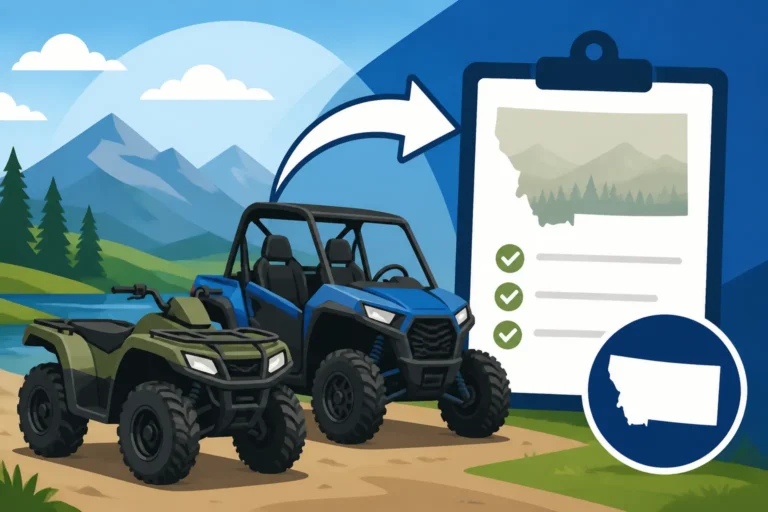
To successfully title your side-by-side in your LLC's name at the county treasurer, you will need a specific set of documents. Think of it as a checklist to ensure you're fully prepared. Missing even one item can mean a wasted trip.
Here's a breakdown of what you'll typically need:
- Original Montana LLC Articles of Organization: This is your proof that the LLC legally exists in Montana.
- Proof of EIN: The Employer Identification Number for your LLC.
- LLC Operating Agreement (recommended): While not always explicitly required, having a copy demonstrates the internal structure and who is authorized to act for the LLC, especially if you're not the sole member or organizer.
- Original Certificate of Origin (MCO/MSO) or Title: For new machines, this is the Manufacturer's Certificate of Origin. For used machines, it's the previous owner's signed-over title. Ensure it's correctly filled out and assigned to your LLC.
- Bill of Sale: This document confirms the purchase price and that the sale was made to your LLC. Make sure it explicitly names your LLC as the buyer.
- Valid Photo ID: Your personal identification as the authorized representative of the LLC.
- Proof of Montana Registered Agent: While not always a separate document you bring, you might need to confirm the registered agent's details.
- Payment for Fees: Be prepared to pay the title and registration fees. These are typically paid by check or cash, though some treasurers may accept cards.
It's always a good idea to call your specific county treasurer's office beforehand to confirm their exact requirements, as there can sometimes be minor variations between counties.
The Registration and Titling Process
Once you present all your documents at the county treasurer's office, the clerk will review everything to ensure it's in order and complete. They'll verify the VIN on the bill of sale and title matches the machine you're titling. For new machines, they will process the MSO; for used ones, they'll verify the previous owner's signature and the transfer to your LLC. They'll also check that your LLC's Articles of Organization are on file with the state and that your EIN is valid.
After all documents are confirmed, you'll pay the applicable fees. This will include the [Montana OHV Title Fee] and the [Montana OHV Registration Cost at the Treasurer]. Montana offers a [Montana's One-Time Permanent OHV Registration], which is a popular choice for side-by-sides, meaning you pay once and don't have to renew annually. This is another attractive feature that draws people to Montana for their OHV purchases. You will receive temporary registration paperwork and your new decals on the spot. The actual permanent title document will typically be mailed to your LLC's registered agent address within a few weeks. Remember, the registration belongs to the machine, so if the LLC later sells the side-by-side, the new owner will need to re-register it.
Here’s a helpful table summarizing the key documents for titling:
| Document Category | Specific Item | Purpose | Required for |
|---|---|---|---|
| LLC Formation | Articles of Organization | Proof of LLC's legal existence in Montana | Titling the machine in the LLC's name |
| LLC Operating Agreement (recommended) | Internal governance, member roles, proof of authority to act | Supporting documentation, especially for multi-member LLCs | |
| Federal Tax ID | EIN Confirmation | Federal identification number for the LLC (like a business SSN) | Opening LLC bank account, tax filings |
| Machine Ownership | Manufacturer's Certificate of Origin (new) | Original proof of ownership from manufacturer | First-time title for a new machine |
| Signed-Over Title (used) | Transfer of ownership from previous owner to your LLC | Titling a used machine | |
| Sales Transaction | Bill of Sale | Proof of purchase by the LLC, purchase price | All titling transactions |
| Identity & Payment | Personal Photo ID | Verification of the individual representing the LLC | Required for the person conducting the transaction |
| Payment for Fees | Covering title, registration, and decal costs | Issuance of title and registration |
Important Considerations for Out-of-State Owners
The allure of titling your side-by-side under a Montana LLC, especially for out-of-state residents, often centers on avoiding sales tax. However, this strategy comes with its own set of legal and practical considerations that you absolutely must understand. While Montana doesn't charge sales tax, your home state likely has its own rules regarding vehicles purchased out-of-state. Navigating these waters incorrectly can lead to unforeseen issues, so it's vital to be fully informed.
Many people hear about the "Montana LLC loophole" and jump into it without fully understanding the implications for their specific situation and state of residence. This isn't just about taxes; it's about the legitimate use of a business entity and complying with the laws of all states where the vehicle is used. Ignorance of the law is rarely a valid defense, so let's get real about what you need to think about.
Home State Use Tax and Registration Requirements
Here's the critical piece of information for out-of-state buyers: most states have a "use tax" that applies to items purchased outside the state but brought in and used within the state's borders. This use tax is typically equivalent to your home state's sales tax rate. So, while you might not pay sales tax to Montana, your home state will expect you to pay its use tax when you bring the side-by-side back home. Many states have mechanisms to track these purchases, and failing to pay the use tax can result in penalties, interest, and even legal action.
Furthermore, your home state will likely require the side-by-side to be registered in that state if it is primarily garaged or used there. Even if the machine is titled to a Montana LLC, if you're keeping it at your residence in, say, Colorado or Washington, those states will consider it a resident vehicle and expect it to be registered and titled there. Some states have specific rules about how long a vehicle can be in the state before it must be registered locally, often around 30 days. Ignoring these rules can lead to fines, impoundment, and legal trouble, not to mention the scrutiny that [States That Chase Montana-Plated Vehicles] sometimes apply.
Maintaining the LLC's Legal Standing
For your Montana LLC to effectively provide legal and tax benefits, you must treat it as a legitimate business entity. This means more than just filing the initial paperwork. You need to maintain proper corporate formalities. This includes:
- Separate Bank Accounts: As discussed, all income and expenses related to the OHV should flow through the LLC's bank account. Co-mingling funds with personal accounts can undermine the LLC's legal separation.
- Annual Reports: Montana requires LLCs to file an annual report with the Secretary of State. Missing this can lead to your LLC losing its "good standing" status, which can have significant repercussions.
- Operating Agreement Adherence: Follow the rules and procedures outlined in your LLC's Operating Agreement.
- No "Piercing the Corporate Veil": Avoid situations where a court could determine the LLC is merely an alter ego for your personal activities. This typically involves treating the LLC as a distinct entity, not just a personal piggy bank or an artificial construct to avoid taxes.
Failing to maintain these formalities can lead to a court "piercing the corporate veil," meaning you could be held personally liable for the LLC's debts or actions. This completely negates the asset protection benefits you sought in the first place. You need to be diligent in treating the LLC as a business, not just a holding entity for your machine. Understanding [The Montana LLC and Why Out-of-State Buyers Use It] is one thing, but understanding the responsibilities that come with it is another.
Potential Risks and Legal Scrutiny
While the Montana LLC route can offer legitimate benefits for specific situations, it also carries potential risks, particularly for out-of-state residents who use it primarily to avoid sales or use tax in their home state. State revenue departments are increasingly aware of this strategy and may actively investigate vehicles titled through Montana LLCs that appear to be primarily garaged and used in another state. This can lead to audits, demands for back taxes, penalties, and interest. In severe cases, intent to defraud could even lead to criminal charges.
It's crucial to consult with a tax professional or an attorney in your home state to understand the specific implications and potential risks for your individual circumstances. They can advise you on whether this strategy is genuinely suitable for you and how to ensure compliance with all applicable laws. While services like LawDepot can help you set up the LLC and provide general legal documents, they don't offer personalized tax or legal advice for your specific situation. The goal is to avoid potential headaches down the road, and sometimes that means a little extra upfront planning and consultation.
Disclaimer
This article is for general informational purposes only and does not constitute professional advice. Laws, prices and regulations vary by location and change over time. Consult a qualified professional for guidance on your specific situation.