Why a Montana Registration Does Not Follow the Machine
It’s a common misconception that when you sell your ATV or UTV, the registration just naturally transfers to the new owner, almost like it's a built-in feature of the machine itself. Many folks, especially if they're new to the off-highway vehicle (OHV) world or are used to how street vehicles work, get tripped up by this. This guide will walk you through exactly why Montana's OHV registration doesn't follow the machine, what that means for both sellers and buyers, and how to navigate the process smoothly.
The Foundational Principle: Registration Belongs to the Owner, Not the Machine
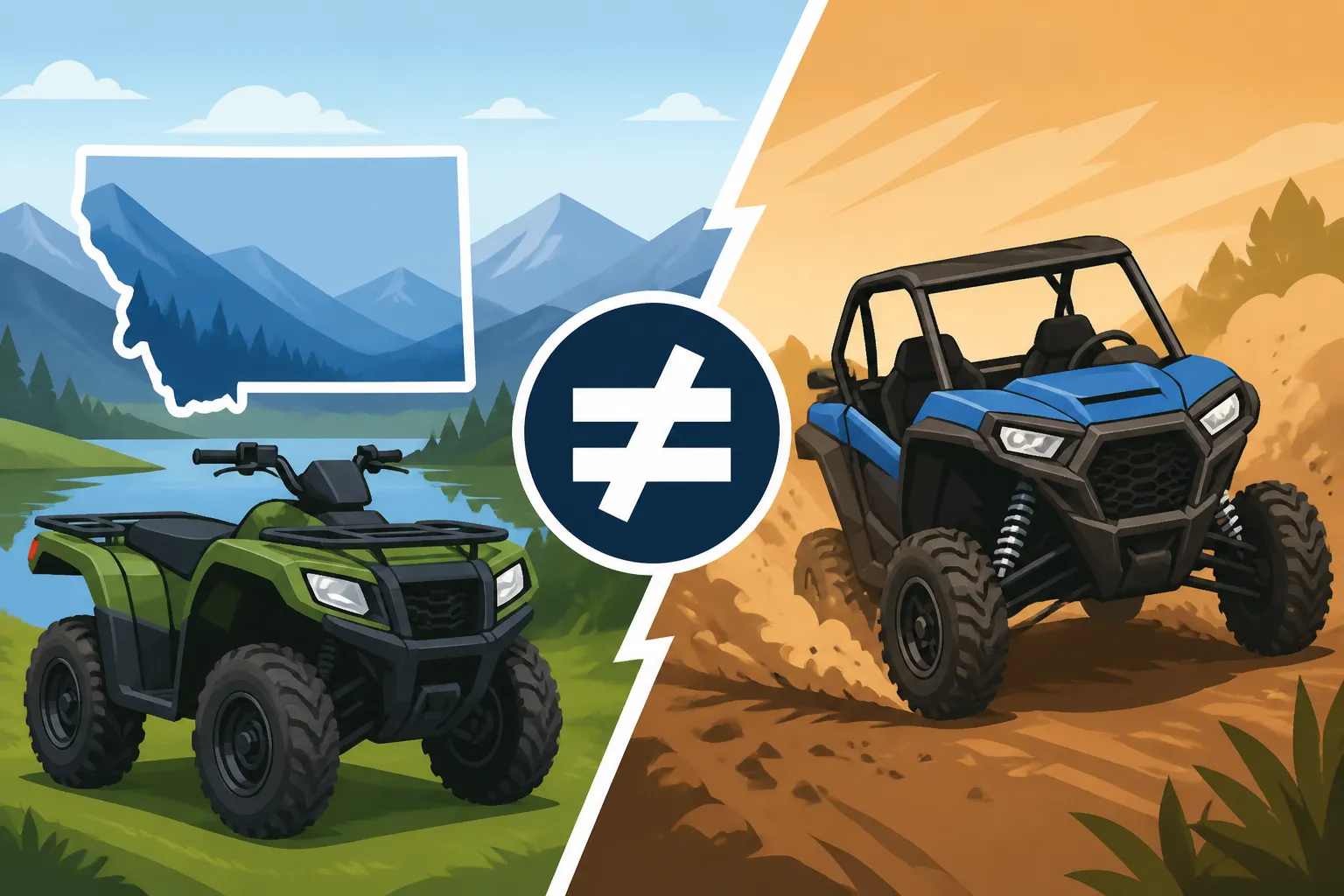
When you register an off-highway vehicle in Montana, whether it's an ATV, a UTV, or a dirt bike, you're not actually registering the machine in the same way you license a car. Instead, you're registering yourself as the owner of that specific machine, essentially creating a legal link between you and the vehicle. This is a crucial distinction that often surprises people and can lead to misunderstandings during a sale.
Think of it this less like a passport for the machine and more like a library card that authorizes you, the specific person, to use that particular book (the OHV) on public trails. When you return the book, your card doesn't automatically transfer to the next borrower; they need their own. It's about accountability and connecting the legal operator to the vehicle for administrative purposes, especially concerning trail use and compliance with state regulations.
This concept ties directly into who is responsible for the machine while it's in use. If there are any issues on the trails, a game warden or law enforcement officer needs to know who is legally tied to that OHV. By linking the registration to the individual, the state maintains a clear chain of ownership and responsibility, rather than having a registration 'float' with a vehicle that might change hands multiple times without proper updates. It ensures that the current active user is always identifiable, which is important for everything from accident reporting to trail access.
Why OHV Registration Differs from Road Vehicle Registration
Many states, including Montana, treat OHV registration differently from how they handle cars, trucks, and other on-road vehicles. For your family car, the registration often involves a plate that stays with the vehicle, and when you sell it, the new owner usually gets that plate or applies for a new one tied directly to the vehicle's unique identifier. It feels more permanent to the vehicle itself.
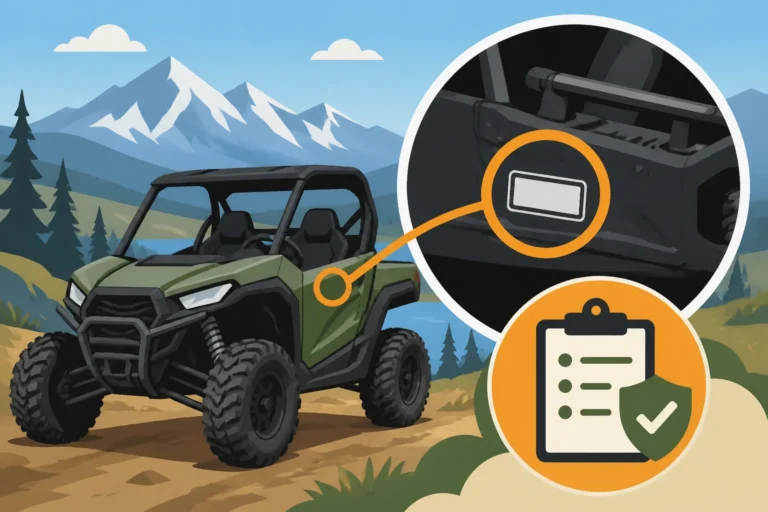
With off-highway vehicles in Montana, the registration is more about trail access and compliance for a specific owner. It's why you receive a small decal rather than a license plate for most OHVs. This decal is simply visual proof that the current owner has met the state's registration requirements and paid the necessary fees to use the machine on designated public lands and trails. It doesn't represent a transferable right for the machine itself.
This difference often stems from the varied uses and environments for these machines. Road vehicles operate under a strict, uniform set of rules, and their registration often includes things like emissions testing or safety inspections that are directly tied to the vehicle's roadworthiness. OHVs, while also having safety requirements, are primarily regulated for off-road use, and the focus shifts more to responsible riding and trail stewardship. The "permanent" nature of the registration in Montana for OHVs, which we'll delve into later, only adds another layer of unique administrative difference that separates it from standard vehicle registration.
What "Permanent" OHV Registration Really Means in Montana
Montana has a unique system for OHV registration that often leads to confusion because it's called "permanent." It sounds like once you register a machine, it's done forever, no matter what. However, the term "permanent" refers to the duration for a specific owner, not to the machine itself maintaining a registration through multiple owners. This is a critical distinction that can catch both sellers and buyers off guard if they don't understand the nuances.
When you obtain a Montana OHV registration, you pay a one-time fee. As long as you, the original registrant, own that particular machine, you don't need to renew that registration annually or periodically. This "permanence" is a significant convenience for long-term owners, saving them the hassle of yearly trips to the county treasurer. It's meant to simplify things for resident riders who plan to keep their machines for years.
But here's the kicker: this "permanent" status is inextricably linked to your ownership. The moment you sell, trade, or otherwise transfer ownership of that OHV to another individual, your "permanent" registration for that machine ceases to be valid. The new owner, even if they're a Montana resident, must then go through the process of obtaining a brand new registration in their name for that same machine. It's not a transfer; it's a termination and a fresh start. You can find more details on this process in [Montana's One-Time Permanent OHV Registration].
The Registration and Ownership Link
The connection between OHV registration and ownership in Montana is as fundamental as the machine itself. Essentially, the registration document and the accompanying decal are confirmations that you, as the individual or entity, are the legally recognized owner and have met the state's requirements for operating that specific off-highway vehicle. Without this personal link, the registration has no legal standing.
This means that if you were to gift your OHV to a family member, even if it stays within the same household, the original registration is no longer valid. The new owner, be it your spouse, child, or another relative, would need to re-register the machine in their name. The state's system is designed to ensure that the current, active legal owner is always the one associated with the registration, making it easy to track responsibility and compliance.
The reason for this strict adherence to ownership is rooted in liability and regulation. If a machine is involved in an accident, or if trail rules are violated, law enforcement needs to quickly and accurately identify the responsible party. If registrations simply transferred with the machine, it could create loopholes or make it difficult to ascertain who truly owns and operates the vehicle at any given moment. This system eliminates that ambiguity, ensuring clarity in all legal and administrative matters related to OHV use.
Why This Setup Protects Both Buyers and Sellers
While it might seem inconvenient that registration doesn't follow the machine, this system actually offers important protections for both sellers and buyers in Montana. For sellers, it cleanly severs their responsibility for the machine once it's sold. Your "permanent" registration is tied to you. Once you transfer the title and ownership, you are no longer associated with that machine's active registration. This means if the new owner takes the OHV out and causes damage, or rides it somewhere it shouldn't be, you as the previous owner are not legally implicated through an outdated registration. It's a clear break.
From a buyer's perspective, this system ensures that when you purchase a used OHV, you are starting with a clean slate regarding its registration. You're not inheriting any potential issues or outstanding obligations from the previous owner's registration status. It forces you to go through the proper channels, secure your own registration, and officially link yourself to the machine from day one. This guarantees that your registration is current, valid, and legally binding to you, giving you peace of mind when you hit the trails. It also implicitly nudges buyers to verify proper title transfer, which is the true proof of ownership.
Moreover, this separation prevents someone from fraudulently continuing to use a machine under a previous owner's registration after a sale, which could lead to all sorts of legal complications. By requiring a fresh registration for every new owner, Montana streamlines the process of establishing clear and undisputed legal ownership and operational rights for OHVs. This protects against scenarios where, for example, a seller might try to reclaim a machine or dispute a sale if the registration had ambiguously transferred.
The Seller's Responsibilities When Transferring an OHV
When you sell your ATV or UTV in Montana, even though the registration doesn't follow the machine, you still have some very important responsibilities to ensure a smooth and legal transfer of ownership. Neglecting these steps can lead to headaches down the road, potentially leaving you exposed to liability or chasing down paperwork long after the sale is complete. Your primary goal as the seller is to clearly and legally sever your connection to the machine.
First and foremost, you need to properly transfer the title. The title is the definitive proof of ownership for your OHV in Montana. You must sign the title over to the buyer, usually in a specific section on the back of the document. Make sure all fields are filled out accurately, including the sale date and price, and that the buyer's name is correctly entered. If there was a lien on the title (e.g., you financed the machine), ensure you have the lien release documentation from your lender before signing the title over. [Titling an OHV in Montana] provides more detail on this critical step.
Secondly, it's highly advisable to use a comprehensive bill of sale, even for private party transactions. While some states might consider a signed-over title sufficient, a detailed bill of sale provides an extra layer of protection for both parties. This document should clearly identify the OHV (make, model, VIN), the seller and buyer, the sale price, the date of sale, and explicitly state that the machine is sold "as-is" if that's the agreement. Both parties should sign and date it, and it's wise for each to keep a copy. You can often find reliable templates for this on platforms like LawDepot, which help ensure all necessary legal language is included.
Notifying the State You've Sold the Machine
Unlike some states where you might have a specific form to fill out to notify the Department of Motor Vehicles (DMV) that you've sold a vehicle, Montana's process for OHVs is a bit different due to the registration not following the machine. Because your "permanent" registration is tied to your ownership, it automatically becomes invalid upon the transfer of ownership. There isn't a separate form you fill out to "cancel" or "transfer" your OHV registration in the same way you might for a car.
However, the act of properly signing over the title is crucial. When the new owner takes that signed title to their county treasurer to register the machine in their name, that's when the state officially recognizes the change of ownership and essentially "closes out" your connection to that specific OHV's registration record. This is why it's so important for the buyer to register the machine promptly; until they do, the state's records might still reflect your previous ownership to some extent, even if your registration is no longer active.
While Montana doesn't have a formal "seller's report of sale" for OHVs like some other states, keeping a clear and detailed bill of sale is your best defense. This document serves as your proof of the transaction, detailing the date and time the machine left your possession. If, by some slim chance, the new owner delays registering and something happens in the interim, your dated bill of sale can be vital in demonstrating that you were no longer the owner. This protects you from any liability or fines that might arise from their activities.
Handling the Decal After the Sale
Since the Montana OHV registration is tied to the owner and not the machine, what do you do with that distinctive state decal that's affixed to your quad or side-by-side once you sell it? The simple answer is: it should no longer be on the machine when the new owner takes possession. The decal is proof of your current registration, which becomes invalid once ownership changes hands.
Most sellers will remove the decal before the buyer drives off. This visually reinforces that the machine is no longer registered under your name and that the new owner will need to obtain their own. Peeling off the decal is usually straightforward, though sometimes older, sun-baked decals might require a little more effort or a gentle adhesive remover. Make sure to do this carefully to avoid damaging the plastic or paint underneath, especially if the machine is in pristine condition.
By removing the decal, you avoid any potential confusion or misrepresentation. A new owner driving around with your old decal could inadvertently cause issues if they're stopped by law enforcement before they've completed their own registration. It sends a clear signal that the machine is currently unregistered and requires action from the new owner. While it might seem like a small detail, it's an important part of the clean break from your ownership responsibilities.
The Buyer's Journey: Registering Your Newly Acquired OHV
So, you've just bought a fantastic ATV or UTV in Montana – congratulations! Now comes the crucial step of getting it properly registered in your name. As we've discussed, the previous owner's registration, even if it was "permanent" for them, is now invalid. You must obtain a brand new registration that links the machine to you. Failing to do so means you'll be riding an unregistered machine, which can lead to fines and legal trouble.
Your first stop will be your local Montana County Treasurer's office. This is where all OHV registrations and titling actions take place. You'll need to bring several key documents with you. The most important is the properly signed-over title from the previous owner. Ensure their signature is present in the correct spot and that your name, as the buyer, is either already filled in or ready to be added. If you have a detailed bill of sale, bring that along too, as it provides additional proof of the transaction and can be helpful for verifying purchase price and date.
At the county treasurer's office, you will apply for a new OHV registration and pay the one-time fee. This fee covers your "permanent" registration as long as you own the machine. They will process your paperwork, issue you a new Montana OHV decal, and record the machine in your name. You can find more information about what documents to bring and what to expect in [Documents to Bring to a County Treasurer] and [Montana County Treasurer OHV Registration].
Documents You'll Need at the County Treasurer
When you head to your local county treasurer's office to register your recently purchased OHV, being prepared with all the correct documentation will save you a lot of time and potential frustration. Nothing is worse than getting all the way there, waiting in line, only to realize you've forgotten a critical piece of paper and have to make another trip. Being organized ensures a smooth process.
The absolute most important document is the vehicle's title, properly signed over to you by the previous owner. Check that the seller's signature is in the correct place, the odometer reading (if applicable and required for the type of OHV, though less common for ATVs/UTVs), and the date of sale are filled in. Your full legal name, as the new owner, should also be clearly stated. If there was a lienholder on the title, make sure they have signed off or provided a separate lien release document. Without a clear, unencumbered title signed by the seller, you won't be able to register the machine in your name.
It's also highly recommended to bring a bill of sale, even though the title is the primary document for proof of ownership. A bill of sale, especially one created using a template from a reputable source like LawDepot, can confirm the purchase price, date of sale, and condition (e.g., "as-is"), which can be useful for the treasurer's office and for your own records. Proof of your Montana residency (like a driver's license or state ID) will also be required. Finally, be ready to pay the applicable registration fee, which is a one-time charge for OHVs in Montana. Having everything in order ensures you walk out with your new decal and a clear path to hitting the trails.
The New Decal and Where It Goes
Once you've successfully navigated the paperwork at the county treasurer's office and paid your fees, you'll be issued a brand new Montana OHV decal. This decal is your tangible proof that the machine is now legally registered in your name. It's a small, adhesive sticker, but it carries a lot of weight in terms of compliance.
The decal needs to be prominently displayed on your OHV. Montana law is quite specific about its placement: it must be affixed to the rear of the machine, clearly visible. This ensures that law enforcement officers, game wardens, or forest service personnel can easily identify that your OHV is properly registered when you're out on public lands or designated trails. It's not uncommon to see riders with decals placed on the fender, the rear rack, or another flat surface on the back of the machine. [Where a Montana OHV Decal Goes] offers more detailed guidance on proper placement.
It's important to apply the decal to a clean, dry surface to ensure good adhesion. Take your time when applying it to prevent bubbles or wrinkles, as a damaged or unreadable decal might still draw unwanted attention from authorities. This new decal signifies your compliance with Montana's OHV laws and is your green light to enjoy the state's incredible trail systems responsibly. Remember, your personal "permanent" registration truly begins the moment that decal is applied.
Understanding the "Why": Legal Precedent and State Control
The reason Montana structures its OHV registration this way – as an owner-specific, non-transferable right – is rooted deeply in legal precedent and the state's desire for effective control and oversight of recreational activities on public and private lands. It's not an arbitrary rule designed to complicate things; rather, it's a deliberate choice aimed at ensuring accountability and proper management of resources.
From a legal standpoint, the concept of a "permanent" registration tied to the individual owner simplifies the legal framework around OHV use. It avoids the complexities that could arise if a registration were considered an intrinsic part of the vehicle itself, transferring through multiple hands without direct governmental oversight at each step. By requiring each new owner to register, the state maintains a current and accurate database of OHV owners, which is invaluable for enforcement, statistics, and even for communicating important updates regarding trail access or safety regulations.
This approach also grants the state greater control over who operates OHVs and where. It helps ensure that everyone who is actively using an OHV on Montana's trails has taken the necessary steps to acknowledge and comply with state laws, including any safety education requirements or other regulations. This level of control is essential for managing the impact of OHV use on natural resources, public safety, and the overall recreational experience for all users of Montana's vast outdoor spaces.
The Role of the County Treasurer in OHV Registration
The county treasurer's office plays a pivotal role in Montana's OHV registration system, acting as the primary point of contact for residents. Unlike some states that centralize all vehicle services, Montana delegates this responsibility to individual county offices. This means that whether you live in Yellowstone County, Flathead County, or any other county, your journey to register your ATV or UTV will begin and end at your local treasurer's desk.
These offices are not just places to hand over your money; they are the administrative hubs where ownership changes are officially recorded, new registrations are processed, and decals are issued. The staff at the county treasurer's office are responsible for verifying your documentation, ensuring the title transfer is legally sound, and collecting the correct fees. They are the gatekeepers of the registration process, making sure that every OHV on Montana's trails is properly linked to its current owner.
This decentralized approach means that while the rules are statewide, the specific experience might vary slightly from county to county depending on staffing and local procedures. However, the core requirements – presenting a properly signed title, proof of identity, and the registration fee – remain consistent. It's their diligent work that underpins the state's ability to maintain accurate records of OHV ownership and ensure compliance with registration laws. [Montana County Treasurer OHV Registration] gives a fuller picture of what these offices handle.
Why Montana Does Not Offer Reciprocity for OHV Registration
Another aspect that highlights Montana's unique approach to OHV registration is its lack of reciprocity with other states. While many states have agreements to honor each other's on-road vehicle registrations for visitors, this is generally not the case for OHV registrations in Montana. If you're visiting Montana from another state and plan to ride your ATV or UTV on designated public trails, your home state's registration is typically not enough.
This means that out-of-state riders are usually required to purchase a Montana Non-Resident Temporary Use Permit. This permit serves the same purpose as a resident's permanent registration for trail access, but it's designed for a limited duration for non-residents. The absence of reciprocity is part of Montana's strategy to ensure that all users of its OHV trail systems contribute to their maintenance and management, and that they are all operating under Montana's specific set of rules.
The fees collected from these non-resident permits, along with resident registrations, directly contribute to state funds that are often earmarked for OHV trail maintenance, signage, and other programs that benefit the riding community. So, while it might seem like an extra step for visitors, it's part of how Montana funds its extensive and beautiful trail networks. This also reinforces the idea that the right to ride in Montana's backcountry is regulated by Montana, regardless of where the machine is primarily registered.
Avoiding Common Misunderstandings and Pitfalls
Navigating the nuances of OHV registration, especially in a state like Montana with its unique "permanent" system, can sometimes lead to confusion. It's easy to make assumptions based on how other vehicles are registered or how things work in different states. However, a few common misunderstandings and pitfalls consistently trip up buyers and sellers. Being aware of these can save you time, money, and potential legal headaches.
One of the biggest mistakes is assuming that because the previous owner had a "permanent" registration, it automatically transfers to you. We've hammered this point home, but it bears repeating: it doesn't. Your new machine is unregistered the moment you drive it away from the seller, and you must act quickly to get it registered in your name. Riding without valid registration, even unintentionally, can result in fines and can be a significant inconvenience if you're stopped by authorities.
Another pitfall involves improper documentation during the sale. If the title isn't correctly signed over, or if vital information is missing, you might find yourself unable to register the machine at the county treasurer's office. This often happens if the seller vanished after the sale, leaving you with incomplete paperwork. Always double-check the title and insist on a comprehensive bill of sale before handing over payment. [What a Montana Bill of Sale Should Say] offers specific advice on creating this crucial document.
When a Sold Machine Loses Its Registration
It's a stark reality in Montana: the moment an OHV is sold, its prior registration is instantly null and void. There's no grace period, no lingering validity that transfers even for a day or two. This is because the "permanent" registration is tied strictly to the individual owner. Once ownership changes, that specific legal link is broken, and with it, the registration ceases to exist for that machine under the previous owner's name.
This means that if you sell your side-by-side on a Friday, and the new owner decides to take it for a spin that very afternoon before going to the county treasurer on Monday, they are operating an unregistered vehicle. While they might not immediately be caught, they are technically in violation of state law. This underscores the importance for both parties to understand that the registration process for the new owner needs to begin immediately.
From the seller's perspective, this means you are immediately released from any registration-related liabilities once you've properly transferred the title. You don't have to worry about the new owner's actions reflecting back on your registration. For the buyer, it's a clear signal that the responsibility to register the machine is entirely theirs, effective immediately. This strict rule eliminates ambiguity and ensures a clear administrative break between owners, which ultimately contributes to a more transparent and accountable system for all OHV users in Montana. You can learn more about this in [Why a Sold Machine Loses Its Registration].
The Importance of a Detailed Bill of Sale
While the title is the ultimate proof of ownership for your OHV, a detailed bill of sale is your best friend when it comes to documenting the specifics of the transaction. Especially since the registration doesn't follow the machine, and the entire process of getting the OHV into the new owner's name rests heavily on clear documentation, a robust bill of sale protects both parties from future disputes or misunderstandings.
A good bill of sale should clearly identify the seller and buyer, including their full legal names and addresses. It must specify the OHV in detail, including its make, model, year, and crucially, the Vehicle Identification Number (VIN). The sale price, date of transaction, and any specific conditions of the sale (e.g., "sold as-is, with no warranty expressed or implied") should also be clearly stated. Both the buyer and seller should sign and date the document, and each should retain an original copy. Using a reliable template, perhaps from a service like LawDepot, can ensure all legal bases are covered and that you don't miss any critical details.
This document serves as tangible proof of the transfer of ownership at a specific date and time. If, for instance, the buyer delays registering the machine and a parking ticket or other infraction is issued, your dated bill of sale can prove that the machine was no longer yours. For the buyer, it provides an additional record of their purchase and can be helpful when presenting documents to the county treasurer. It's a small piece of paper that carries immense legal weight, safeguarding everyone involved in the sale.
Ensuring a Smooth Transfer of Ownership (Beyond Registration)
Beyond the specific act of getting the OHV registered, a truly smooth transfer of ownership involves several other steps that protect both the buyer and the seller. In Montana, where the OHV culture is strong, both parties usually want to ensure everything is done by the book so the new owner can quickly and legally enjoy their machine. The focus here is on the definitive legal transfer of the machine itself, which then paves the way for the new owner to tackle their registration.
The paramount step is the proper transfer of the title. This cannot be overstated. The title is the legal deed to the machine, and without it, or with an improperly completed one, the buyer will face significant hurdles in establishing ownership and obtaining their own registration. As a seller, ensure you've signed in the correct place, accurately recorded the sale date and price, and that the title is free of any liens. As a buyer, inspect the title carefully, verifying the VIN matches the machine and that the seller's name on the title matches their identification. If anything seems off, pause the transaction until it's resolved. [Proof of Ownership for a Montana Title] delves into this.
Furthermore, communication is key. Both parties should clearly understand their responsibilities regarding the title, bill of sale, and subsequent registration steps. The seller should emphasize that the decal needs to be removed and that the buyer must immediately pursue their own registration. The buyer should understand that they cannot ride legally until they have their new Montana OHV decal. A clear conversation upfront can prevent a lot of confusion and ensure a positive experience for everyone involved in the transaction.
Handling Liens on a Montana OHV Title
When you're dealing with the sale or purchase of an OHV in Montana, especially if financing was involved, understanding how liens affect the title transfer is absolutely critical. A lien is a legal claim against the property (in this case, your ATV or UTV) by a creditor, usually a bank or credit union, to secure payment of a debt. Until that debt is fully paid off, the lienholder has a legal interest in your machine.
As a seller, if you still owe money on your OHV, your title will have a lien recorded against it. You must obtain a lien release from your lender before you can legally transfer a clear title to a new buyer. This typically involves paying off the loan in full, after which the lender will provide you with a signed lien release document. This document, along with the title, is what you'll give to the buyer. Without a proper lien release, the buyer will not be able to register the OHV in their name at the county treasurer's office, as the machine still legally belongs to the bank until the lien is satisfied. [Liens on a Montana OHV Title] is a helpful resource here.
For buyers, it's crucial to always check for liens on the title before purchasing an OHV, especially from a private seller. A clean title is one that shows no outstanding liens. If a seller presents a title with a lien still listed, demand to see the official lien release from the lender. Never purchase a machine with an active lien without that release, as you could inadvertently buy a machine that legally still belongs to someone else's lender, creating a massive legal headache for you down the road. Always ensure the title is completely clear before money changes hands.
The Paperwork Needed for the County Treasurer
To reiterate and provide a helpful checklist, when you, as the new owner, head to the Montana County Treasurer's office to register your newly acquired OHV, you'll want to have a precise stack of documents. Being prepared makes the process quick and painless, ensuring you can get out on the trails faster.
Here's a breakdown of what you'll typically need:
- The Original Montana Title: This is the big one. It must be signed over to you by the previous owner, with the sale date and price accurately filled in. If there was a lien, the title should either show the lien released or you must have a separate, official lien release document from the bank.
- A Bill of Sale: While the title is primary, a well-drafted bill of sale (like one from LawDepot) serves as supplementary proof of the transaction, detailing the VIN, sale price, date, and "as-is" condition. It's excellent for your records and can clarify details for the treasurer.
- Proof of Montana Residency: Your valid Montana driver's license or state ID card is usually sufficient. This confirms you're eligible for resident registration.
- Method of Payment: Be ready to pay the one-time registration fee. Most county treasurers accept various forms of payment, but it's always wise to confirm ahead of time or have cash/card options available.
Having these documents meticulously organized will ensure your visit to the county treasurer is efficient and successful, allowing you to quickly secure your new OHV registration and decal. Don't forget that this is your new "permanent" registration that will stay with you as long as you own that specific machine.
Table: Registration Transfer Comparison
To clarify the distinction between how many people assume registration works and how Montana's OHV registration actually functions, here's a quick comparison:
| Feature | Common Misconception (How People Assume It Works) | Montana OHV Reality |
|---|---|---|
| Registration Entity | The Machine Itself | The Owner (Individual or Business) |
| Transferability | Transfers automatically with sale | Does NOT transfer with sale; becomes invalid |
| Duration | Linked to the machine's lifespan | "Permanent" for a specific owner, terminates upon sale |
| Seller's Action | Just sign the title, registration takes care of itself | Must remove decal, ensure clear title transfer |
| Buyer's Action | Continues using existing registration/decal | Must obtain NEW registration and decal in their name |
| Proof of Validity | Existing plate/decal on machine | New decal issued to the new owner |
| Liability Implications | Seller could remain linked if registration persists | Seller's registration link immediately severed |
This table highlights the fundamental difference that Montana's system hinges upon: the owner, not the machine, is the primary focus of the OHV registration.
Disclaimer
This article is for general informational purposes only and does not constitute professional advice. Laws, prices and regulations vary by location and change over time. Consult a qualified professional for guidance on your specific situation.