Trailer Registration for Hauling ATVs in Montana
Trying to figure out the ins and outs of trailer registration when you're just itching to hit Montana's incredible trails with your ATV or UTV can feel like navigating a maze blindfolded. You've got your machine, you've got your truck, and you've got your trailer, but the last thing you want is a surprise roadside chat with a warden about missing paperwork. This guide is here to untangle all the details you need to know about registering your ATV or UTV trailer in the Treasure State, ensuring your rig is legal and ready for adventure.
Understanding Montana Trailer Registration Basics
Montana offers some fantastic opportunities for off-highway vehicle (OHV) enthusiasts, but getting your machines to those remote trailheads often means hauling them on a trailer. While the focus is often on the ATV or UTV itself, many folks overlook the equally important step of properly registering their trailer. This isn't just about avoiding a ticket; it's about making sure you're operating legally and safely on public roads.
Why Trailer Registration Matters in Montana
Just like any other vehicle that uses public roads, your trailer needs to be registered. This isn't a unique Montana quirk; it's a fundamental part of responsible vehicle ownership across the country. In Montana, registration helps the state keep track of vehicles on its roads, ensures proper ownership, and contributes to the funding of various services, including law enforcement and road maintenance. Without proper registration, you could face fines, delays, or even have your trailer impounded, which would definitely put a damper on your eagerly anticipated riding trip. Imagine pulling into a busy trailhead parking lot, only to realize your trailer's plates are expired or you never got them in the first place. That sinking feeling is real, and it’s completely avoidable with a little planning. The state wants you to be out enjoying its vast backcountry, but they also need you to do it within the established framework of the law.
What Kind of Trailer Needs Registering?
Generally speaking, if your trailer is designed to be towed on public roads and carries property—in this case, your beloved ATVs or UTVs—it needs to be registered. This includes everything from a small single-axle utility trailer you bought for occasional use to a massive toy hauler designed for multiple machines and living quarters. It doesn't matter if it's new or used, large or small; if it's going on the pavement with your off-road vehicles, it needs the proper Montana tag. Many people think that because their ATV or UTV is registered, the trailer is somehow covered by extension. That's a common misconception that can lead to problems. The trailer is its own separate entity in the eyes of the law, requiring its own distinct registration and license plate. Think of it this way: your truck needs registration, and your ATV needs its own registration; your trailer is no different. You'll need to know [Do You Need a Trailer Title in Montana?] to make sure you have all the necessary paperwork.
Exemptions to Registration Rules
While most trailers require registration, there are a few niche exemptions. For instance, very small, lightweight trailers—often referred to as "utility trailers" by manufacturers—that weigh under a certain threshold might have different requirements or even be exempt from specific titling rules, though they generally still need registration for road use. Sometimes, trailers used exclusively for specific agricultural purposes on private land or within a short distance on public roads might also have different rules. However, for the average person hauling an ATV or UTV to a trail, it's safest to assume your trailer will need to be registered. Don't rely on word-of-mouth or assume you're exempt without verifying with the Montana Motor Vehicle Division or your local County Treasurer's office. It's always better to over-prepare than to face an unexpected citation when you're miles from home and ready to ride.
The Registration Process for Your ATV/UTV Trailer
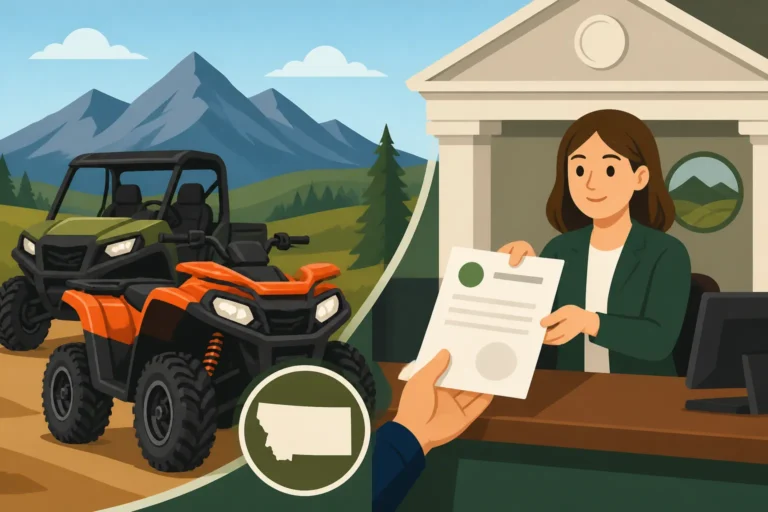
Registering a trailer in Montana is a fairly straightforward process, primarily handled at your local County Treasurer's office. It's similar to registering a car or a truck, but with a few specific details you'll want to keep in mind. Being prepared with the right documents and understanding the options can save you a lot of time and hassle.
Required Documents for Your County Treasurer Visit
When you head to the County Treasurer's office, think "preparedness." You'll need several key documents to successfully register your trailer. First and foremost, you'll need proof of ownership. If the trailer is new, this will be the Manufacturer's Certificate of Origin (MCO), sometimes called a Manufacturer's Statement of Origin (MSO). If you bought it used, you'll need the properly assigned title from the previous owner, along with a bill of sale. Make sure the bill of sale includes essential details like the make, model, year, VIN, purchase price, and the names and signatures of both buyer and seller. Sometimes, you can find generic bill of sale forms online through services like LawDepot, which can be helpful for private party sales to ensure all necessary fields are covered. You'll also need a valid form of identification for yourself. For a complete list of what to bring, check out [Documents to Bring to a County Treasurer]. Having everything in order before you go means you won't have to make multiple trips, which is a lifesaver when you've got a busy schedule.
Costs and Fees Associated with Trailer Registration
The cost to register your trailer in Montana isn't usually astronomical, but it's important to know what to expect. There will be a registration fee, which can vary based on the type of trailer, its weight, and whether you opt for annual or permanent registration. There might also be a small administrative fee or a title fee if you're titling it for the first time. Unlike many other states, Montana doesn't have a general sales tax, which is great news when you're buying a new trailer! However, you will still pay registration fees and potentially property tax fees. The exact figures can fluctuate slightly, so it's a good idea to call your local County Treasurer's office beforehand to get the most current information. They can provide a precise breakdown for your specific trailer type. For an idea of the costs, you might want to look at [Montana Trailer Plate Cost].
Permanent vs. Annual Registration Options
Montana offers both annual and permanent registration for trailers, and this is where you have a significant choice to make.
- Annual Registration: This is what most people are familiar with for their passenger vehicles. You pay a fee each year, and you get a new sticker for your license plate. It's straightforward and works well if you're not sure how long you'll keep the trailer or if you prefer smaller, recurring payments.
- Permanent Registration: This is a fantastic option for trailers you plan to keep for a long time. You pay a one-time fee, and the registration is valid for the life of the trailer as long as you own it. No more annual renewals, no more stickers to remember! This can be a huge time-saver and, over many years, often more cost-effective. However, if you sell the trailer, the permanent registration does not transfer to the new owner; they'll have to register it themselves. So, it's "permanent" for your ownership, not for the machine itself. For more details on what this entails, see [What Permanent Registration Actually Buys You].
Here's a quick comparison to help you decide:
| Feature | Annual Registration | Permanent Registration |
|---|---|---|
| Renewal | Annually | One-time |
| Cost Structure | Lower annual fee | Higher one-time fee |
| Longevity | Renews each year | Valid for the life of your ownership |
| Convenience | Annual reminder/renewal | No annual renewals needed |
| Transferability (Sale) | Does not transfer (new owner registers) | Does not transfer (new owner registers) |
| Best For | Short-term ownership, budget-conscious, less frequent use | Long-term ownership, convenience, cost-effective over time |
Most residents hauling ATVs and UTVs opt for permanent registration on their trailers due to the sheer convenience and the long-term savings. You'll handle this at the same County Treasurer's office where you might be taking care of your [Montana County Treasurer OHV Registration].
Special Considerations for Out-of-State Haulers
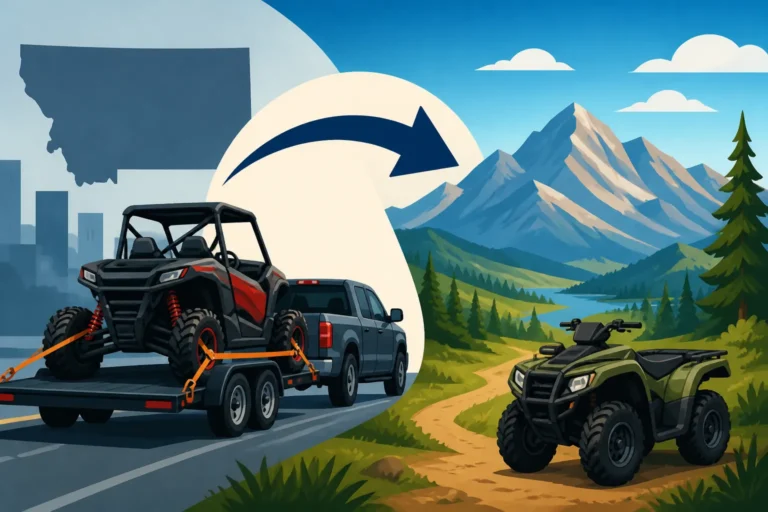
Montana is a destination state for many outdoor enthusiasts, and it's common for visitors to bring their ATVs and UTVs, along with their trailers, from other states. While Montana's no-sales-tax policy is a draw, there are important distinctions and potential pitfalls for out-of-state residents regarding trailer registration, especially if you plan to make a purchase here.
Bringing Your Registered Trailer into Montana
If you're simply visiting Montana, hauling your machines on a trailer that's already properly registered in your home state, you're generally good to go. Montana honors valid registrations from other states, just as your home state typically honors Montana registrations. You don't need to get a special Montana permit or re-register your trailer for a short visit. The key here is "properly registered." Ensure your plate is current, your registration documents are in order, and any required decals are displayed according to your home state's laws. This is crucial for avoiding any unexpected stops or questions from law enforcement while you're enjoying our roads and trails. Think of it as a courtesy between states: as long as you're legal where you're from, we're happy to have you.
When You Buy a Trailer in Montana as a Non-Resident
This is where things can get a little more complex. Montana famously has [No Sales Tax in Montana and What That Means], which can make purchasing a trailer here appealing. However, if you buy a trailer in Montana and plan to take it back to your home state, you will still need to register it there. Crucially, your home state will likely charge you a "use tax" upon registration, which is essentially their equivalent of sales tax. They do this to prevent residents from simply buying large items out-of-state to avoid local taxes. So, while you won't pay Montana sales tax, you'll almost certainly pay your own state's use tax when you bring it home and register it there. It's vital to research your home state's laws regarding out-of-state purchases before you buy, so you're not hit with an unexpected tax bill later. Don't assume that because Montana doesn't charge sales tax, you're completely off the hook for taxes.
Use Tax Implications for Out-of-State Buyers
As mentioned, the "use tax" is the primary financial consideration for out-of-state buyers. Many states have agreements to share information about vehicle registrations, and they are quite adept at identifying vehicles purchased elsewhere. They want their fair share of revenue, and they have systems in place to get it. When you register the trailer in your home state, you'll typically declare the purchase price, and they'll calculate the use tax based on their own rates. Failure to pay this can lead to penalties, back taxes, and even legal trouble in some cases. It's always best to be upfront and budget for this expense. You can find more specific information about this by searching for [Use Tax Your Home State Still Wants]. Being informed about these potential costs before you make a purchase in Montana will ensure a smoother transition back home with your new trailer.
Keeping Your Trailer Legal and Safe on Montana Roads
Registering your trailer is a crucial first step, but it’s just one piece of the puzzle. Once you’re on the road, operating safely and legally means adhering to rules about how you display your registration, the safety equipment you use, and how you behave as a driver. Montana’s scenic highways and rugged back roads demand respect and preparedness, especially when you’re hauling precious cargo like your ATVs and UTVs.
Proper Display of Plates and Decals
In Montana, your trailer's license plate must be securely fastened to the rear of the trailer, clearly visible, and kept clean. It should not be obstructed by anything, including your machines if they overhang or if accessories are mounted in a way that blocks the view. The registration decal, which indicates the current registration period (or states "Permanent" for permanent registrations), needs to be affixed to the plate in the designated area. This isn't just a suggestion; it's a legal requirement. An improperly displayed or missing plate or decal is an open invitation for a law enforcement officer to pull you over. Make it easy for them to see you're legitimate, and you'll keep cruising toward your destination without interruption. Imagine the frustration of getting pulled over minutes from your trailhead simply because a mudflap was obscuring your plate – completely avoidable!
Essential Safety Gear for Hauling in Montana
Safety is paramount when hauling any load, especially when you're navigating Montana's diverse terrain, which can include steep grades, winding mountain passes, and long stretches of highway. Beyond your registration, your trailer needs to meet specific safety standards. This includes working brake lights, turn signals, and taillights that are clearly visible, even during daylight hours. Adequate tires in good condition are a must, and many larger trailers are required to have their own braking system, often activated by the tow vehicle's brakes. Safety chains or cables, properly crossed under the trailer tongue, are also non-negotiable. These are your last line of defense should the trailer disconnect from the hitch. Regular maintenance checks of your trailer's lights, tires, brakes, and hitch components should be part of your routine before every trip. Don't forget, you'll need to know [Strapping a Machine Down for a Montana Pass] to ensure your ATVs and UTVs are secure on the trailer.
Common Pitfalls and Penalties
Ignoring trailer registration and safety rules can lead to more than just a stern talking-to. The penalties for non-compliance can range from monetary fines to more serious consequences, such as having your trailer or machines impounded. For instance, if you're found operating an unregistered trailer, you could face fines, and if there are serious safety defects, you might even be prohibited from continuing your journey until repairs are made. Imagine being stuck on the side of a mountain pass, having to arrange for a tow and repair, all because of an oversight you could have prevented. Furthermore, an unregistered or unsafe trailer could lead to insurance complications if you're involved in an accident. Your insurance provider might deny coverage if you weren't operating legally. While we often talk about [Penalties for an Unregistered OHV in Montana], remember that similar penalties apply to trailers. It's a legal and financial risk that no one wants to take, especially when you're out to enjoy the wilderness.
Additional Tips for Hauling Your Machines in Montana
Beyond the legalities of registration and basic safety equipment, there are practical considerations that can make your ATV/UTV hauling experience in Montana much smoother and safer. From how you load your machines to where you acquire necessary forms, a little extra knowledge goes a long way.
Strapping Down Your ATVs and UTVs Securely
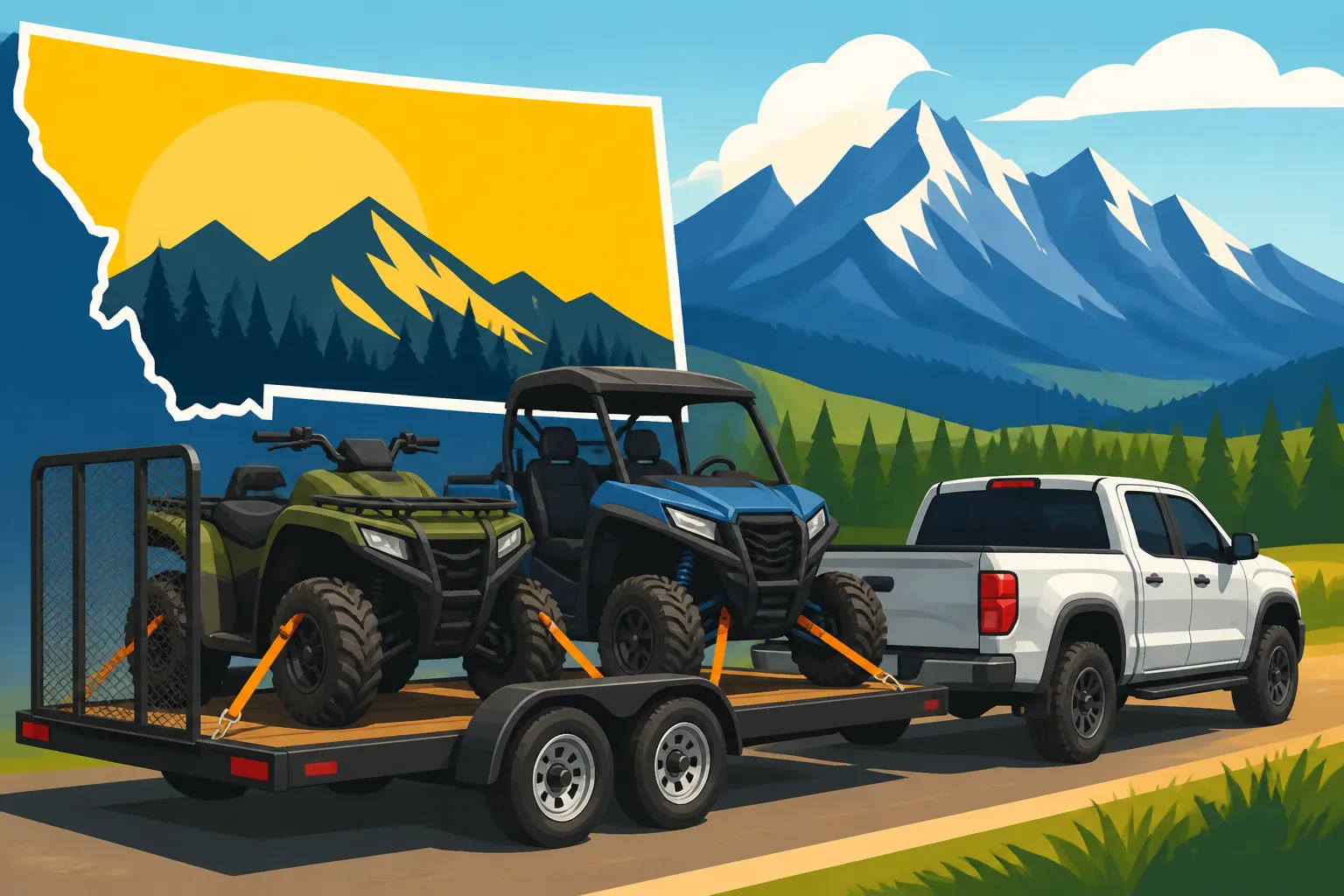
This might seem obvious, but improperly securing your ATVs and UTVs on the trailer is one of the most common and dangerous mistakes. Your machines are heavy, and they create significant forces when you brake, accelerate, or turn, especially on Montana's sometimes winding roads. Always use high-quality ratchet straps—never bungee cords—and secure each machine at multiple points. Aim for at least four straps per machine, pulling down and slightly outward to prevent any shifting. Consider using wheel chocks or specialty straps that go over the tires for even greater security, especially for larger UTVs. Before you pull away, give each machine a good shake test to ensure it's not going anywhere. When you stop for fuel or a stretch break, quickly check your straps again. They can loosen during travel, particularly over rough roads. For more in-depth advice on this, you should review [Strapping a Machine Down for a Montana Pass]. Your goal is to make sure your precious cargo arrives exactly as it was loaded.
Fitting Multiple Machines on One Trailer
Hauling more than one ATV or UTV presents its own set of challenges, particularly when it comes to maximizing space and maintaining weight distribution. If you're planning to load multiple machines, consider their dimensions carefully. Some trailers are specifically designed with wider decks or dovetails to accommodate side-by-sides. When loading, try to distribute the weight as evenly as possible over the trailer axles to prevent sway and excessive tongue weight (which puts too much pressure on your tow vehicle) or insufficient tongue weight (which can cause dangerous fishtailing). Placing the heaviest machine first, centered over the axles, and then balancing lighter machines around it is often a good strategy. Always be aware of your trailer's maximum load capacity and the gross vehicle weight rating (GVWR) of your tow vehicle. Overloading is not only unsafe but illegal. For detailed strategies on fitting multiple machines, take a look at [Fitting Two Machines on One Trailer].
Finding Reputable Trailer Dealers and Documentation
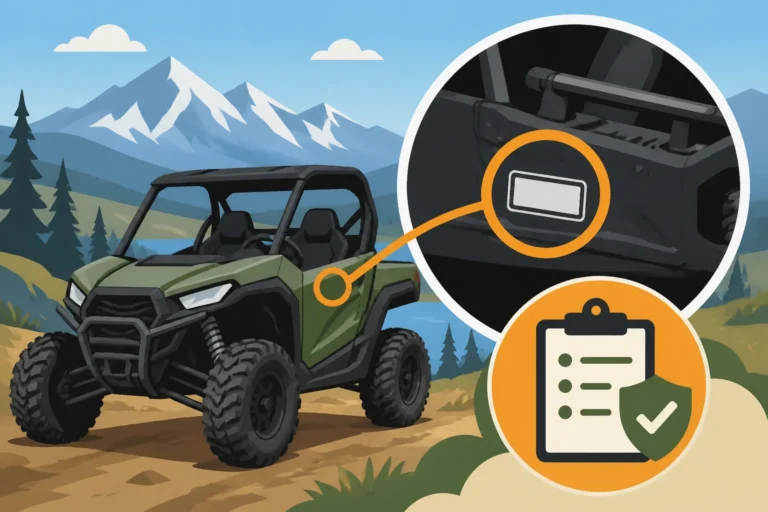
When you're in the market for a trailer, whether new or used, choosing a reputable dealer or seller is crucial. A good dealer will provide all the necessary paperwork, including the Manufacturer's Certificate of Origin (MCO) for new trailers or a properly executed title and bill of sale for used ones. They should be able to answer all your questions about registration requirements and even help you understand the process. If you're buying a used trailer from a private party, ensure you get a clear title and a detailed bill of sale. Don't be afraid to use standardized forms for your bill of sale; a resource like LawDepot can offer templates that ensure you've covered all the legal bases, protecting both buyer and seller. Always double-check the Vehicle Identification Number (VIN) on the trailer against the VIN on the title and bill of sale to prevent any issues with fraudulent sales or misidentification. A reliable seller ensures a smooth transition of ownership, which translates directly into an easier registration process for you.
Disclaimer
This article is for general informational purposes only and does not constitute professional advice. Laws, prices and regulations vary by location and change over time. Consult a qualified professional for guidance on your specific situation.