Montana Penalties for a Missing Decal
It’s a frustrating moment we’ve all faced: you’re geared up, your Montana-registered ATV or UTV is ready to hit some epic trails, and then you spot it – your critical registration decal is either missing, faded beyond recognition, or peeling off faster than an old sunburn. That little sticker, seemingly insignificant, is actually a big deal in Montana, and not having a current, visible one can quickly turn a fun day into a costly encounter with law enforcement. This guide is here to walk you through exactly why that decal matters so much, what kind of penalties you might face, and most importantly, how to avoid this particular headache altogether.
Why That Little Decal Matters More Than You Think
When you register your off-highway vehicle (OHV) in Montana, you're issued a registration decal. This isn't just a pretty sticker; it's tangible proof that your machine is legally registered with the state, that you’ve paid your dues, and that your fees are contributing to the very trail systems and enforcement efforts that keep our riding areas open and safe. Ignoring or losing this decal might seem minor, but it signals to officials that your machine might not be in compliance with state law.
More Than Just a Sticker: Proof of Compliance
Think of your OHV decal as the equivalent of a license plate sticker on your car. It’s a quick, visual confirmation for any Montana Fish, Wildlife & Parks (FWP) warden, sheriff’s deputy, or state highway patrol officer that your machine has met its basic registration requirements. Without it, there’s no immediate way for them to tell if you’re riding legally or if you’ve simply forgotten (or chosen not) to register your machine. This immediate lack of visible compliance can quickly lead to an officer stopping you to investigate further, which is rarely a quick or pleasant experience when you’re just trying to enjoy the outdoors.
Beyond mere aesthetics, the decal is tied directly to the fees you pay for registration. These fees are vital. They help fund the maintenance of existing trails, the development of new riding opportunities, and critical search and rescue operations across the state. So, when your decal is missing, it not only raises questions about your legal standing but also disconnects your machine from the very system it's meant to support.
The Law is Crystal Clear on Decal Placement
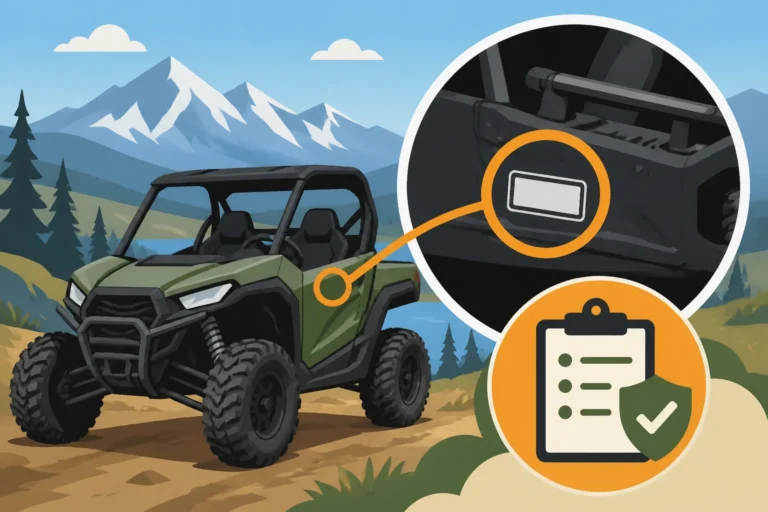
Montana law has specific requirements for how and where your OHV registration decal must be displayed. It's not optional. Generally, the decal needs to be prominently displayed on the rear of the machine. For a side-by-side (UTV), this often means a visible, flat surface on the rear fender or cargo box. For an ATV, it’s typically on the rear fender. The goal is clear visibility from the rear, allowing enforcement officers to easily identify your machine's registration status.
This isn't just a suggestion; it's a legal mandate. The intent is to ensure that all OHVs operating on public lands or designated routes are easily identifiable as legally registered. If you're ever unsure about the exact placement, it's always best to consult the FWP guidelines or even ask at your local county treasurer's office when you're registering. Having the correct placement from the start can save you a lot of grief down the line. You might find our post on [Where a Montana OHV Decal Goes] helpful for specific guidance.
The Specific Penalties You Could Face in Montana
Let's get down to the brass tacks: what actually happens if you're caught riding in Montana with a missing, unreadable, or improperly displayed registration decal? While it might not seem as severe as, say, riding without any registration at all, it's still a violation, and there are consequences. Enforcement officers have the discretion to issue warnings, but they are absolutely within their rights to issue a citation, which means a fine and a mark on your record.
Fines and Citations: The Most Common Outcome
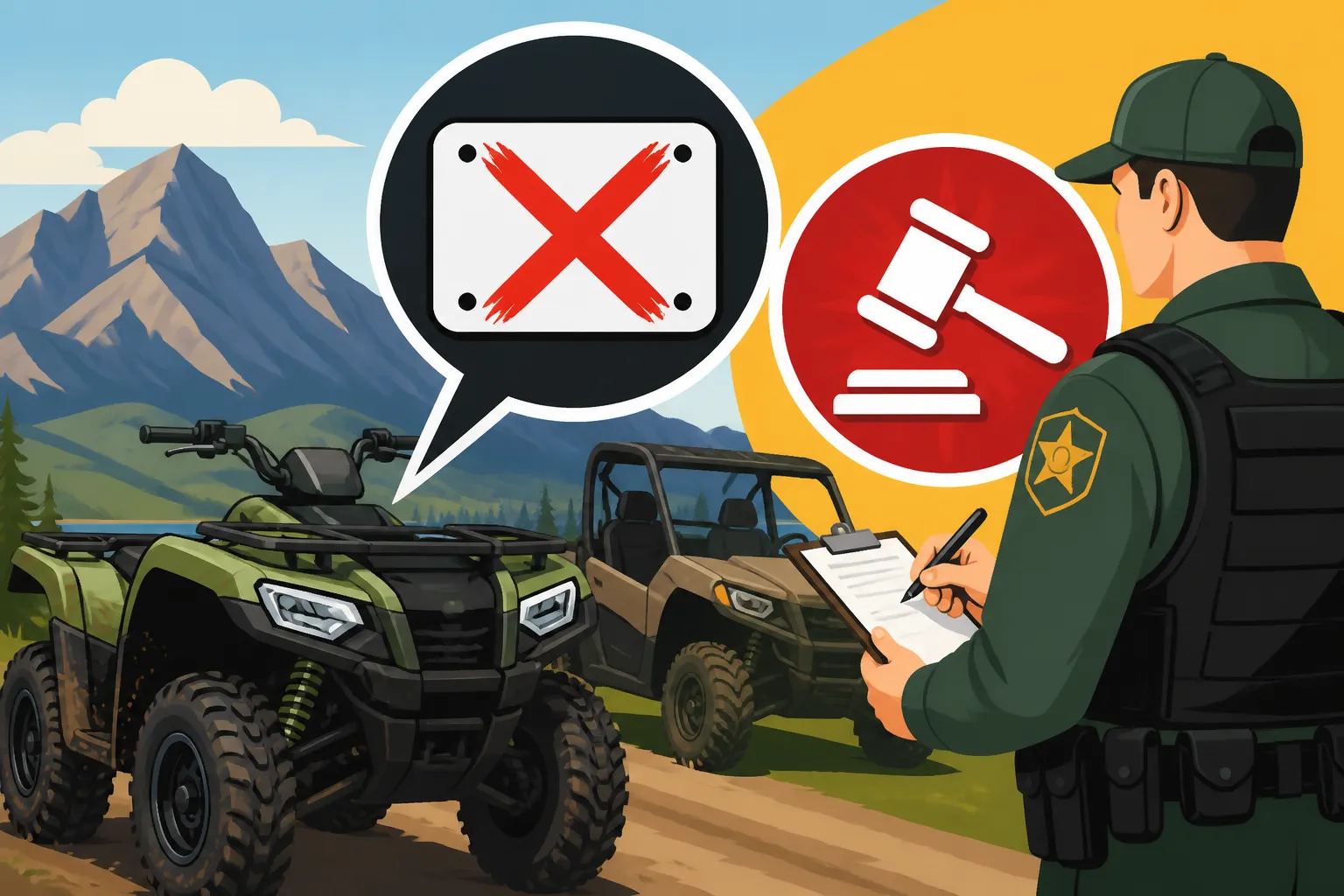
The most frequent penalty for a missing or improper decal is a citation resulting in a fine. While the exact amount can vary depending on the county and the specific circumstances (such as whether it’s your first offense, or if the officer suspects deliberate non-compliance), you can expect it to be a misdemeanor. These aren't typically "fix-it tickets" where you just show proof later; you're usually on the hook for a monetary penalty.
Imagine this scenario: you're enjoying a beautiful ride near the [Custer Gallatin Trails Near Bozeman] and a warden spots your machine. He pulls you over and immediately notices the absence of your decal. Even if you have your physical registration papers in your pocket, the missing decal is still a violation of the display requirements. The warden might ask for your papers, verify your registration, but then issue a ticket for the missing decal itself. It's a hassle, a dent in your wallet, and a definite buzzkill for your day. Remember, the decal is part of the required visible proof.
Deeper Scrutiny and Related Offenses
A missing decal often serves as a red flag that can prompt an officer to dig deeper into your compliance. What might start as a simple stop for a missing sticker can quickly escalate into a more thorough check of everything else. Officers might then verify your actual registration papers (if you have them), check for proof of any required safety education, or even your driver's license if you're operating on a county road or designated route that requires one. Our post on [What a Montana Warden Asks a Rider For] details what else they might inquire about.
If, during this deeper inspection, other violations are uncovered – perhaps your machine isn't registered at all, or you don't have the required safety certificate for your age – then the penalties can become much more severe, potentially including higher fines or even temporary impoundment of your machine. The missing decal effectively opens the door for a comprehensive review of your OHV's legal status, and you want to be prepared for that.
Here's a quick look at potential consequences:
| Violation Type | Potential Outcome | Severity |
|---|---|---|
| Missing/Unreadable Decal | Monetary fine (misdemeanor), verbal warning | Moderate |
| No Registration (discovered via decal check) | Higher fines, potential impoundment, extended scrutiny | High |
| Improper Decal Placement | Monetary fine, verbal warning | Moderate |
| Decal Expired | Monetary fine, requirement to re-register | Moderate |
| Combined with other offenses (e.g., no safety course, illegal road use) | Increased fines, potential loss of riding privileges, impoundment | High/Severe |
How to Avoid a Missing Decal Hassle and What to Do If It Happens
The best defense against penalties for a missing decal is a good offense: proactive care and quick action if it does go missing. There are simple steps you can take to ensure your decal stays put and readable, and a clear process for getting a replacement if the worst happens. Being prepared and informed can save you a lot of frustration and money.
Proper Application and Protection is Key
When you first receive your Montana OHV decal, how you apply it makes all the difference. Always ensure the surface is clean, dry, and free of dirt, grease, or wax. Applying it to a warm surface on a warm day can help it adhere better. Once applied, pressing firmly over the entire decal ensures good contact. Many riders also choose to place a clear protective film or a designated decal cover over their registration sticker. These affordable additions can shield the decal from UV rays, mud, pressure washing, and abrasive contact, significantly extending its lifespan.
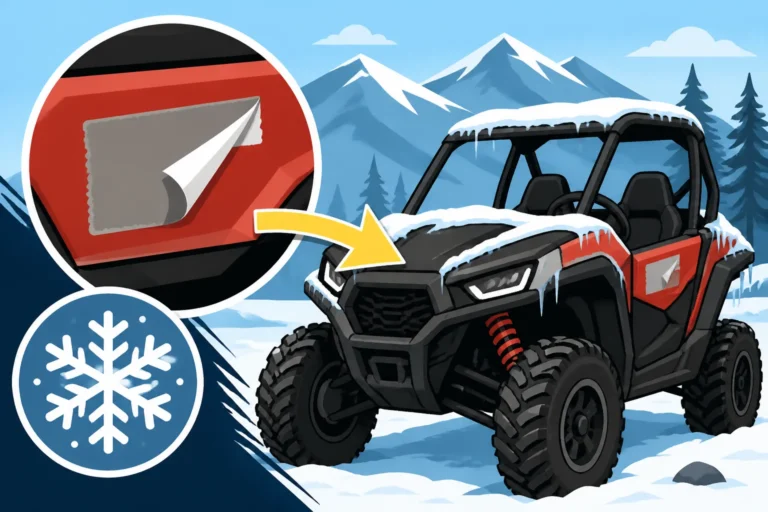
For machines that see a lot of aggressive riding, mud, or extreme weather, this protection is even more crucial. Think about where your decal is placed: is it in a high-impact zone that gets scraped by boots, branches, or cargo? If so, extra protection is definitely warranted. Protecting your decal is a simple, cost-effective measure compared to the hassle and expense of a ticket or replacement. Our article on [When an OHV Decal Peels Off Over Winter] offers more tips on keeping that sticker stuck.
Getting a Replacement Decal: Your Action Plan
Life happens. Decals get lost, torn, or fade. If you discover your decal is missing or unreadable, don't just hope for the best. You need to get a replacement. The process usually involves contacting your local Montana county treasurer's office – the same place where you initially registered your machine. They will have the forms and procedures in place to issue a new decal. You'll typically need to provide proof of ownership and your existing registration information. There will usually be a small fee for the replacement decal.
It's a good idea to call ahead to your specific county treasurer's office to confirm their exact requirements and fees before you make the trip. They can tell you exactly what documents to bring, which might include your original registration certificate or a bill of sale. While the state provides specific forms for this, sometimes having supplementary documents, like a properly filled out bill of sale for a new machine you're about to register or an affidavit of ownership if you're dealing with a lost title for example, can be helpful, and resources like LawDepot offer templates for a range of legal documents to assist with various ownership scenarios. For the direct replacement decal, however, you'll work directly with the county. Read more about this process in [Replacing a Montana OHV Decal].
Always Carry Your Paperwork
While the decal is the visual proof, always carry a copy of your actual registration papers with you when you ride. This can be a physical copy in a waterproof bag or even a clear, legible photo on your phone (though relying solely on a phone can be risky if your battery dies or reception is poor). This provides undeniable proof of registration if an officer stops you and your decal is compromised.
Even if you get a ticket for a missing decal, having your current registration papers can at least confirm that the machine is registered, potentially softening the officer's approach or avoiding further investigation into unregistered status. It shows you've done your part, even if the decal itself failed. For more advice on what documents to keep on hand, check out [Do You Carry Paperwork on a Montana Trail?].
Beyond the Fine: Other Consequences and Best Practices
While a fine is the immediate sting of a missing decal, there can be broader implications for your riding experience and reputation as a responsible OHV enthusiast in Montana. Adhering to all regulations, including proper decal display, is part of being a good steward of our public lands and trails.
Impact on Riding Privileges and Public Perception
Repeated violations, even for something seemingly minor like a missing decal, could potentially lead to more severe actions than just a fine. While rare, persistent non-compliance could, in extreme cases or combined with other serious infractions, affect your ability to ride on certain public lands or even lead to temporary suspension of riding privileges. More commonly, it simply creates a negative impression. When enforcement officers or even other riders see machines that aren’t properly marked, it detracts from the overall image of the OHV community as responsible and law-abiding.
Montana’s OHV community relies heavily on maintaining good relationships with land managers, local communities, and enforcement agencies. Every time someone rides illegally or carelessly, it jeopardizes access for everyone. Ensuring your decal is always visible contributes to the collective effort to keep Montana’s beautiful trails open for all of us.
The Bigger Picture: Funding and Trail Access
Those registration fees, confirmed by your decal, aren't just taxes; they are direct investments in the OHV experience. A significant portion of these funds goes towards maintaining and improving our trail systems, ensuring they are safe, accessible, and enjoyable. These funds also support enforcement, which helps keep illegal activity off the trails and protects resources.
Consider the [Montana State Parks Grants for Trails] program, which relies on these funds. When riders fail to properly register or display their decals, it undermines this funding mechanism. It’s a small piece of a much larger puzzle, but every piece contributes to the health and future of OHV riding in Montana. Being diligent about your decal is a small way to support the sport you love.
Staying Prepared with Essential Documentation
Beyond just the decal, having all your necessary documents in order is crucial. This includes your machine's title, proof of insurance (especially if you're riding on roads where it's required), and any safety course certificates for younger riders. For situations like transferring ownership or establishing a new registration, having correctly prepared documents, such as a bill of sale, is paramount. Many riders find it helpful to use reliable templates for such forms; for instance, LawDepot provides customizable bill of sale templates that can ensure you have all the necessary information covered for your records or for future transactions. This proactive approach to documentation can prevent many headaches down the road.
Even for machines used primarily for ranch work, it’s important to understand the rules. While some agricultural uses might have exemptions on private land, if you venture onto public roads or designated trails, the same registration and decal rules apply. Our article on [Montana OHV Rules for Ranch Machines] delves into these specifics. Ultimately, being fully informed and compliant is the easiest way to enjoy Montana’s incredible OHV opportunities without unnecessary stress.
Disclaimer
This article is for general informational purposes only and does not constitute professional advice. Laws, prices and regulations vary by location and change over time. Consult a qualified professional for guidance on your specific situation.