Keeping a Machine at a Montana Cabin
It’s a dream for many of us: owning a little slice of Big Sky Country, a cozy cabin tucked away in the mountains, a perfect base for outdoor adventures. Naturally, you want to keep your ATV or UTV right there, ready to hit the trails the moment you arrive. But if your primary residence isn't in Montana, the rules around registering and titling that off-highway vehicle (OHV) can feel as tangled as a forgotten fishing line. This guide is here to untangle that knot, walking you through the ins and outs of keeping your machine legally ready for fun at your Montana cabin.
Who Needs to Register an OHV in Montana When You Have a Cabin?
This is probably the biggest head-scratcher for out-of-state cabin owners. You own property, you pay taxes, you spend a good chunk of time here – surely that counts for something, right? Well, it does, but the state has specific definitions for who qualifies for resident OHV registration versus who needs a non-resident permit. It’s not always black and white, and understanding this distinction can save you a lot of grief.
The Fine Line Between "Visitor" and "Resident"
Montana's laws generally define residency for vehicle registration purposes based on where you primarily live, work, and vote. Owning a cabin, even if you spend months there during the summer or winter, doesn't automatically make you a Montana resident for vehicle registration. The state is looking for indicators like having a Montana driver's license, registering to vote here, or showing an intent to permanently reside in the state. If you still have a driver's license and pay income tax in another state, you're likely considered a non-resident, even with a beautiful Montana cabin.
This distinction is important because it dictates which registration path you need to follow for your ATV or UTV. If you're a true non-resident, you have specific options that are different from someone who's establishing full Montana residency. Misunderstanding this can lead to issues, especially if you get stopped by a warden or deputy who is just ensuring compliance. They're not trying to ruin your fun, but they are looking to see that your machine is properly documented for use on public lands and roads.
What Montana Requires for Permanent OHV Registration
If you do qualify as a Montana resident, or you decide to make the move and establish full residency, then your OHV would be eligible for Montana's unique "permanent" registration. This is quite appealing for cabin owners because it means you don't have to worry about renewing it every year. Once it's done, it's done – as long as you own the machine.
To get this "permanent" registration, you'll generally need to go to your local county treasurer's office. You'll need proof of ownership, such as a title, a manufacturer's certificate of origin (MCO) for new machines, or a bill of sale. You'll also need proof that you are indeed a Montana resident. The process involves paying a one-time fee, and then you'll receive your permanent decal. It’s a pretty straightforward process if you have all your ducks in a row. For more details on this, you can look up [Montana's One-Time Permanent OHV Registration]. It's a great benefit for those who call Montana home, or are making that transition.
Non-Resident Options for Short-Term Use
For those who own a Montana cabin but remain residents of another state, Montana offers a straightforward solution for using your OHV: the Non-Resident Temporary Use Permit. This permit allows you to legally operate your out-of-state registered ATV or UTV on Montana's public trails and lands. It's designed specifically for visitors and seasonal residents, acknowledging that you're here to enjoy the state's incredible riding opportunities without needing to establish full residency or completely re-register your machine.
The permit is usually valid for a year from the date of purchase. This means you can buy it once, stick the decal on your machine, and you're good to go for all your cabin visits within that year. It’s much less hassle than trying to navigate a full resident registration if you don't truly live here. You can generally purchase these permits online through Montana Fish, Wildlife & Parks, or at various vendors across the state, including some county treasurers or local businesses near popular trailheads. Having this permit prominently displayed is crucial, as it’s what game wardens and other enforcement officers will look for when you’re out on the trails. You can find more information on this specific option by checking out [Montana's Non-Resident Temporary Use Permit].
The Nitty-Gritty of Titling and Registering Your Cabin Machine
Whether you're bringing a machine from your home state or buying one locally, the actual steps for titling and registering your ATV or UTV for your Montana cabin can vary. It’s essential to get this right from the start to avoid any legal headaches down the road, especially if you plan on using the machine for years to come during your Montana getaways.
Registering a Machine You Already Own (and Brought from Out-of-State)
If you've decided to bring your trusty ATV or UTV from your home state to keep at your Montana cabin, the process hinges on your residency status. If you remain a non-resident, you'll keep your machine registered and titled in your home state and simply purchase the Montana Non-Resident Temporary Use Permit. This is generally the easiest route for most seasonal cabin owners. You maintain your home state's registration, which often comes with its own insurance and licensing requirements, and the Montana permit allows you to legally ride on Montana's public lands.
However, if you're making the full move to Montana and establishing residency, you'll need to transfer your out-of-state title and registration to Montana. This involves bringing your existing title, along with proof of your new Montana residency, to a county treasurer's office. They will process your out-of-state title, issue you a new Montana title, and then you can proceed with the permanent OHV registration. It's a process similar to transferring any other vehicle. For a deeper dive into this, check out [Registering an Out-of-State Machine in Montana]. Remember to check with your specific county treasurer's office beforehand, as they can sometimes have particular requirements or forms.
Buying a Machine Directly in Montana for Your Cabin
This is often a very attractive option for cabin owners, especially since Montana does not have a general sales tax. Imagine, no sales tax on that brand-new side-by-side! This makes purchasing a machine in Montana for your cabin quite appealing. When you buy a machine from a dealer in Montana, they will typically handle a lot of the initial paperwork for you, submitting the necessary documents to the county treasurer to get the title process started. You'll still need to go to the county treasurer to finalize the permanent registration and pick up your decal if you are a Montana resident.
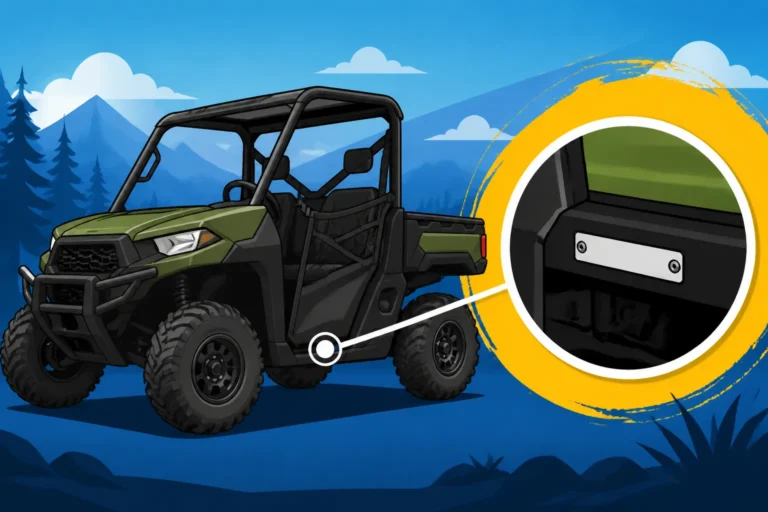
If you purchase a used machine from a private party, the responsibility for titling and registration falls entirely on you. You'll need a properly completed bill of sale, signed by both you and the seller, and the original title that has been assigned over to you. This is where a resource like LawDepot can come in handy for customizable bill of sale templates, ensuring you have all the necessary information. It’s vital that the VIN on the bill of sale matches the VIN on the title and, of course, on the machine itself. Once you have these documents, you'll take them to the county treasurer's office to apply for your new Montana title and permanent OHV registration. The absence of a sales tax on your purchase is a definite perk, as explained further in [No Sales Tax on a Montana Machine Purchase]. For the steps to take at the treasurer's office, refer to [Titling an ATV at a Montana County Treasurer].
What "Permanent" Registration Really Means for a Cabin Owner
The term "permanent registration" in Montana is a bit unique and can sometimes be misunderstood, especially by out-of-state cabin owners considering full residency. It doesn't mean the registration lasts forever, no matter what. Rather, it means that for the specific machine you own, while you own it, you won't need to renew its OHV registration annually. You pay a one-time fee, receive your decal, and that's generally it for as long as the machine is in your name.
However, if you sell the machine, trade it in, or it gets stolen or totaled, that "permanent" registration effectively ends. The new owner, if they are a Montana resident, will then go through the process of applying for their own permanent registration for that machine. It’s tied to the owner, not just the vehicle itself, in a way that annual renewals in other states are not. This is a significant convenience for long-term cabin owners who plan to keep their machine for many years, removing the recurring hassle of annual renewals. You can read more about the specifics of what this entails in [What Permanent Registration Actually Buys You]. It’s certainly a benefit that many resident riders appreciate, making it one less thing to worry about during your precious time in Montana.
| Scenario for Cabin Owner | Residency Status | Required Montana Documentation | Annual Renewal? |
|---|---|---|---|
| Keep existing OHV | Non-Resident | Non-Resident Temporary Use Permit | Yes (for permit) |
| Buy new/used OHV in MT | Non-Resident | Non-Resident Temporary Use Permit | Yes (for permit) |
| Bring existing OHV | New MT Resident | MT Title & Permanent Registration | No |
| Buy new/used OHV in MT | MT Resident | MT Title & Permanent Registration | No |
Practical Considerations for Your Montana Cabin OHV
Beyond the paperwork, keeping an OHV at your Montana cabin brings up several practical considerations. From making sure it’s safe and sound when you’re not there to having the right insurance, these details can significantly impact your ownership experience and peace of mind.
Storage, Maintenance, and Security at the Cabin
Leaving an expensive machine unattended at your cabin for extended periods, especially during the off-season, requires some thought. Montana weather can be harsh, from blistering summer sun to deep winter freezes. Proper storage is paramount. Ideally, your OHV should be stored in a secure, enclosed garage or shed. This not only protects it from theft but also from the elements, which can cause significant wear and tear over time. If you don't have an enclosed space, a sturdy cover is a must.
Before you leave the cabin for an extended period, remember basic maintenance steps. Stabilize the fuel, disconnect the battery, and ensure tires are properly inflated (or even off the ground if storing for many months). A full tank of stabilized fuel can prevent moisture buildup in the tank, and a disconnected battery prevents parasitic drains.
Security is another major concern. Many cabins are in remote areas, making them targets for opportunistic thieves. Robust locks on your garage or shed, wheel locks, and even GPS trackers for your machine can provide an extra layer of defense. Consider investing in a heavy-duty chain and lock to secure your ATV or UTV to a permanent fixture within its storage space. Even if you're using a LawDepot bill of sale to document your ownership, preventing theft is always better than dealing with the aftermath.
Insurance for Your Montana-Based OHV
Just like any other vehicle, having the right insurance for your ATV or UTV is incredibly important, perhaps even more so when it's located at a remote cabin. While Montana only mandates liability insurance for OHVs if you're riding on public roads, having comprehensive coverage is a smart move. This is especially true if you're storing it at a cabin that might be unoccupied for stretches of time.
Your homeowners' insurance for the cabin might offer some limited coverage for personal property, but it's unlikely to cover your OHV for theft, damage, or liability when it's being operated. A dedicated OHV insurance policy can cover damage to your machine (from accidents, fire, or theft), medical payments if you or a passenger are injured, and liability in case you cause damage to another's property or injure someone. Given the value of these machines and the potential for accidents on rugged terrain, skimping on insurance is a risk not worth taking. For more detailed information, consider [Insuring an ATV in Montana]. Don't assume your existing auto or home policy automatically extends to your off-road machine in a different state. Always contact your insurance provider to clarify coverage.
The Importance of Keeping Your Paperwork Accessible
You’ve gone through all the trouble of titling, registering, and insuring your OHV for your Montana cabin. Don't let all that effort go to waste by not having the proof readily available. When you're out on the trails or even just driving the machine around your cabin property, a warden or deputy might ask to see your registration and proof of permit or ownership.
It's highly recommended to keep a copy of your registration, your non-resident permit (if applicable), and proof of insurance with the machine itself, perhaps in a waterproof bag in a storage compartment. You don't necessarily need to carry the original title, as that's best kept in a safe place at your cabin or primary residence. However, easy access to current registration and proof of any required permits is crucial. If you're pulled over or encounter an enforcement officer, being able to quickly produce the requested documents will make the interaction much smoother. For an expanded discussion on what to carry, take a look at [Do You Carry Paperwork on a Montana Trail?]. Having your ducks in a row with physical documentation is just as important as having the correct online records.
Navigating Common Hurdles and Avoiding Misunderstandings
Keeping an OHV at a Montana cabin, especially as an out-of-state owner, can sometimes lead to confusion. There are specific scenarios and misunderstandings that frequently arise, and being aware of them can help you avoid unwelcome surprises or legal complications.
Avoiding the "Perpetual Visitor" Trap
While Montana welcomes visitors, there's a point where an out-of-state resident's connection to Montana, particularly through property ownership and consistent use of vehicles here, can raise questions about their "visitor" status. If you own a cabin, keep an OHV there year-round, and spend several months out of the year using it, you might be seen as operating in a legal grey area by some enforcement agencies. While you might legally maintain residency in another state, continuously using and storing a vehicle in Montana without full Montana registration (if eligible) could draw attention.
This isn't to say you're doing anything wrong if you're following the non-resident permit rules. However, it's a reminder to always be transparent and follow the rules strictly. Trying to bend the definitions of residency to avoid a particular fee or regulation can lead to more scrutiny. If you find yourself spending more and more time at your Montana cabin and less time in your "home" state, it might be worth re-evaluating your residency status for all vehicles, including your OHV. Establishing full Montana residency brings with it the benefit of permanent OHV registration, which simplifies things considerably.
When Your Home State Still Wants Its Cut
This is a big one that often surprises out-of-state buyers. Even though Montana boasts no general sales tax, that doesn't mean you're entirely off the hook for taxes on your purchase. Many states have what's called a "use tax." This tax is essentially a sales tax by another name, levied on goods purchased outside the state but brought into and used within the state where you do reside.
So, if you buy a brand-new side-by-side in Montana for your cabin, and your primary residence is in, say, Washington or Colorado, your home state will likely expect you to report that purchase and pay their state's use tax. They typically give you a window, often 30-90 days, to declare such purchases. Failing to do so can result in penalties, interest, and even back taxes if they discover the transaction later. This is often how states find out: through vehicle registration databases or audits. So, while Montana won't charge you sales tax, your home state might still be waiting for its portion. Always check your home state's use tax laws to avoid an unpleasant surprise down the road. You can learn more about this common issue in [Use Tax Your Home State Still Wants].
What Happens if You Don't Register Your OHV Properly
Ignoring Montana's registration and permit requirements can turn your exciting cabin adventure into a frustrating, and expensive, ordeal. Operating an unregistered OHV on public lands or roads in Montana is illegal, regardless of whether you're a resident or non-resident. If you're caught, you can expect to receive a citation. The penalties can include fines, and in some cases, your machine could even be impounded.
Imagine this scenario: you're enjoying a beautiful day on a forest road near your cabin, only to be stopped by a warden who discovers your machine lacks the proper decal or permit. Not only will your ride be cut short, but you'll also be facing a fine and the headache of resolving the issue. It's simply not worth the risk. The small cost of a non-resident permit or the time invested in permanent registration is far less than the cost of a ticket, potential impound fees, and the embarrassment of being caught. Make sure you understand the rules for whatever scenario applies to you, and always comply. For a detailed look at the consequences, read [Penalties for an Unregistered OHV in Montana].
Disclaimer
This article is for general informational purposes only and does not constitute professional advice. Laws, prices and regulations vary by location and change over time. Consult a qualified professional for guidance on your specific situation.