Riding to a Cafe in a Montana Trail Town
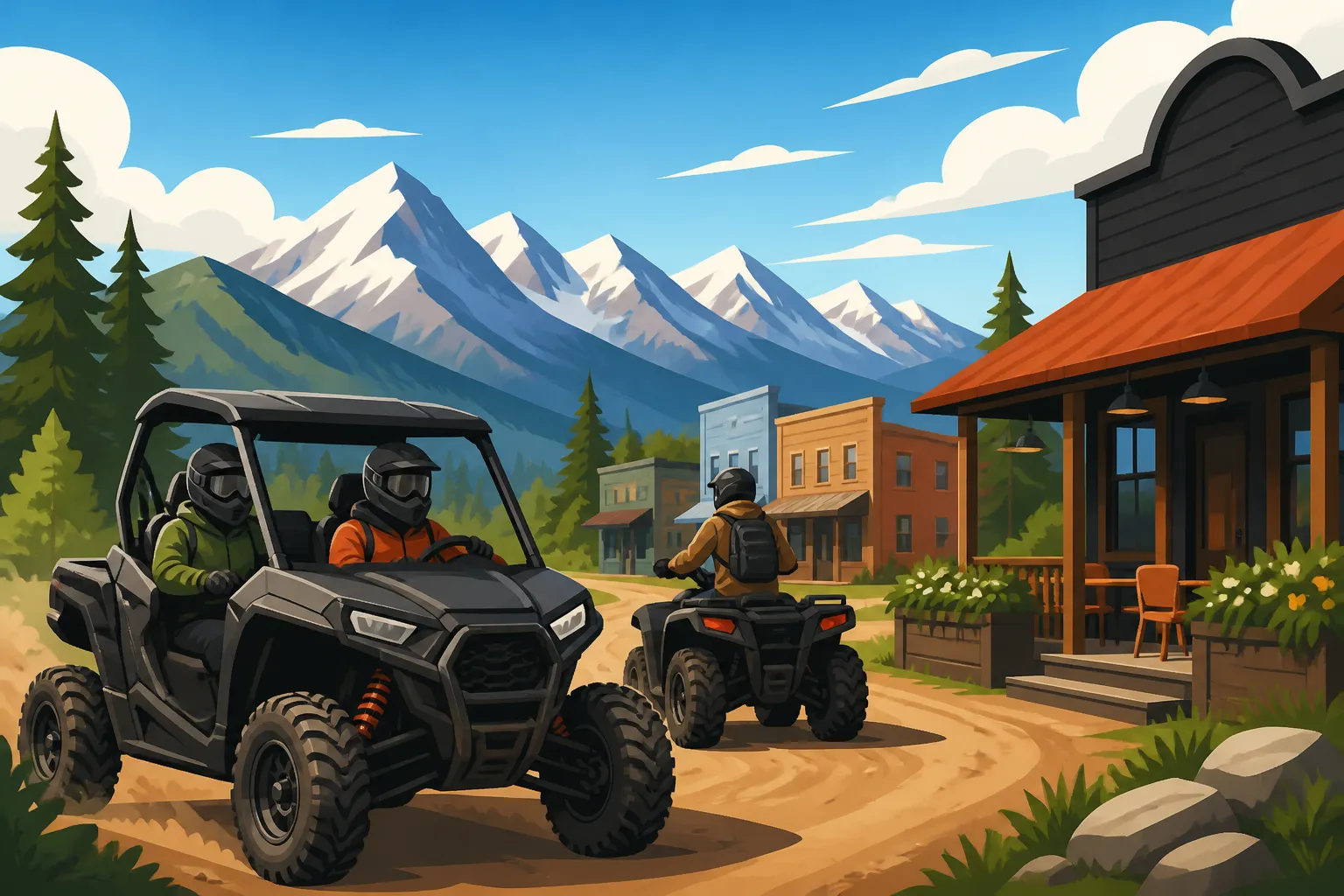
There's nothing quite like a long day on the trails, carving through Montana's stunning backcountry on your ATV or UTV, and then the craving hits: a hot cup of coffee, a hearty burger, or a slice of huckleberry pie at a cozy cafe in a nearby trail town. It's a fantastic vision, but connecting that trail ride directly to a Main Street establishment isn't always as simple as it sounds. This guide will walk you through the essential steps, rules, and considerations to safely and legally ride your off-highway vehicle (OHV) into a Montana trail town for that much-deserved refreshment.
Understanding Montana's Road Rules for OHVs
Before you even think about turning off the dirt two-track onto a paved road, it's absolutely crucial to understand the legal landscape. Montana has specific state laws regarding OHV use, but a lot of the real-world application, especially in populated areas, comes down to local decisions.
The Basics: State vs. Local Laws
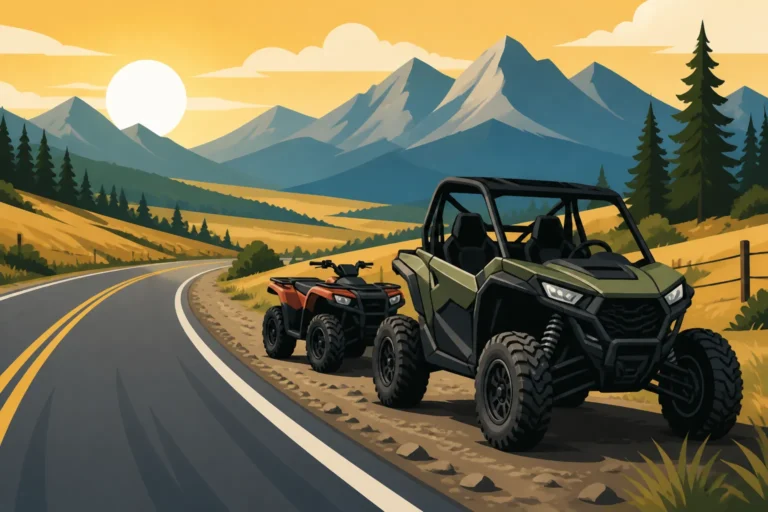
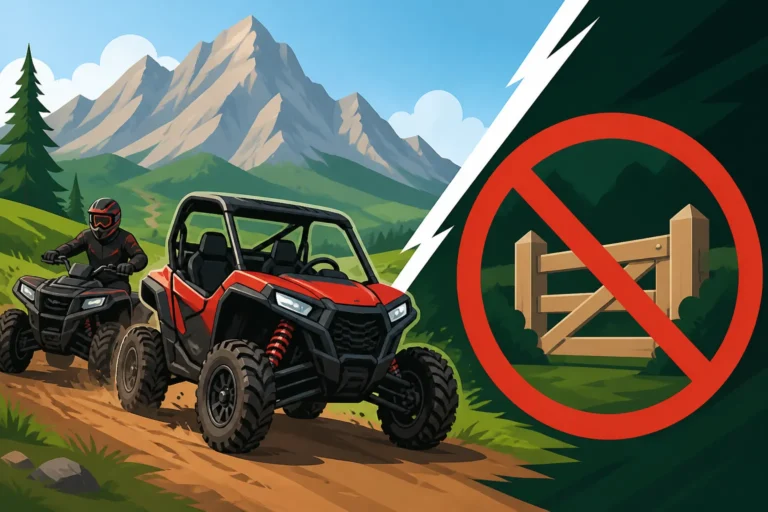
Montana state law generally allows OHVs to operate on public roads, but there's a big caveat: this allowance is unless otherwise prohibited by local ordinance. This means that while the state might give a general green light, a county's commissioners or a town's council can say "no" to OHVs on their specific roads and streets. It's a patchwork quilt of regulations, which can be incredibly frustrating when you're just trying to grab a bite.
For instance, you might be riding miles of legal county roads, enjoying the scenery, only to hit the city limits of a charming little town and find yourself suddenly in violation because that town has chosen to prohibit OHV use on its streets. This isn't meant to be a roadblock to your fun, but rather an important legal distinction you need to be aware of. Always remember that the state provides the framework, but local entities truly dictate daily access. This is why knowing the specific rules for the town you're aiming for is paramount. [County Roads and the Montana Commissioners' Say] often sets the tone for larger areas, but towns can override that within their boundaries.
Essential Equipment for Street Legality
To even consider riding on any public road in Montana, your ATV or UTV needs to meet certain equipment standards to be considered "street legal." This isn't just about safety; it's a legal requirement that wardens and local law enforcement will be looking for. Your trail-ready machine often needs some upgrades to pass muster for pavement.
First and foremost, you need proper lighting. This includes at least one headlight (that works day and night) and at least one taillight and brake light. Many factory machines come with these, but ensuring they are bright enough for road use, especially at dusk or in bad weather, is key. If you've been doing some upgrades, ensure your new light bar isn't the only light source, as those are usually too bright for road use. You'll also need a horn. A bicycle bell won't cut it; it needs to be an audible warning device for other drivers. Brakes are a given, but they need to be fully functional, both front and rear.
Beyond these basics, you'll need at least one rear-view mirror. Many side-by-sides come with a rearview mirror, but if you're on an ATV, you'll almost certainly need to add one. Some riders even add side mirrors for better visibility, especially if they’re riding a wider UTV. Aftermarket companies like SuperATV offer a range of mirrors, turn signal kits, and horn setups specifically designed for OHV street-legal conversions, making it easier to meet these requirements. Make sure your tires are in good shape and designed for varied terrain, not just mud or sand. Finally, a muffler and spark arrester are required to keep noise levels reasonable and prevent wildfires, which is especially critical in Montana. [What Montana Requires on an OHV Road Ride] goes into more detail about these specific requirements.
Driver Licensing and Age Requirements
Just like driving a car, operating an OHV on a public road in Montana comes with specific driver requirements. It's not enough for your machine to be street legal; you, as the operator, must also be compliant with the law.
For starters, any person operating an OHV on a public road or highway in Montana must possess a valid driver's license. This means your regular car driver's license is what you'll need. A learner's permit for a car won't suffice for unsupervised OHV road use. This rule is straightforward: if you can't legally drive a car on that road, you can't legally drive your OHV on it either.
Age also plays a significant role, particularly for younger riders. While Montana has rules for youth OHV operation on trails, those rules are different when it comes to roads. If you're under 16, even if you have an OHV safety certificate, you generally cannot operate an OHV on a public road in Montana unless under very specific circumstances, often involving agricultural use or direct supervision on designated county roads. For the purpose of riding into a cafe, assume a licensed adult driver is required. This is a common area of confusion, so always err on the side of caution. [Do You Need a Driver's License to Ride a Montana Road?] provides further clarification on this.
Navigating Local Ordinances in Montana Trail Towns
One of the biggest hurdles to riding your OHV straight to a cafe is the variability of local ordinances. What's legal in one town might be strictly forbidden in the next, even if they're only a few miles apart. Understanding how these decisions are made and how to find them is key to a hassle-free trip.
How Towns Decide OHV Access
Montana towns and counties have the authority to regulate OHV use on roads within their jurisdiction. This authority is often exercised by the local city council or county commissioners. Their decisions are typically influenced by a variety of factors: public safety concerns, noise complaints from residents, traffic flow, potential damage to paved roads, and the overall economic impact of OHV tourism. Some towns actively encourage OHV traffic as a way to boost local businesses, seeing riders as valuable customers for gas, food, and lodging. Others might prioritize resident quality of life or safety, choosing to limit or prohibit OHVs on their streets.
For example, a small, bustling tourist town with narrow streets and heavy pedestrian traffic might decide against allowing OHVs on its main thoroughfares to prevent congestion and potential accidents. Conversely, a remote trail town that relies heavily on outdoor recreation tourism might embrace OHVs, designating specific routes for access to services. These decisions often involve public meetings and input from local residents and businesses. [Montana Towns That Allow OHVs on Their Streets] outlines some examples, but these ordinances can change, so it's always best to check current rules.
Finding Specific Town Rules
This is where your research skills come into play. You can't just assume a town welcomes OHVs because a neighboring one does. The best way to find out is to go directly to the source. Most towns and counties will have their ordinances posted on their official government websites. Look for sections related to "municipal code," "traffic ordinances," or "recreation." You might need to search for keywords like "OHV," "ATV," "UTV," or "off-highway vehicle."
If you can't find clear information online, don't hesitate to call the town clerk's office or the local sheriff's department. They can provide accurate, up-to-date information on where OHVs are permitted, what specific streets are open or closed, and any other unique local requirements. It's always better to make a quick phone call than to risk a ticket or, worse, an accident. Some trail towns might even have signs posted at their city limits indicating OHV access, but these might not be comprehensive. For instance, the town of Red Lodge has a clear policy for OHV access to specific streets, but this might not apply to every street, and it certainly doesn't apply to every other town in Montana. [Montana City Streets and Municipal Ordinances] is a good resource to consult.
Practical Tips for Riding Through Town
Once you've confirmed your route into a trail town is legal, safe, and your machine meets all the requirements, there are still some common-sense practices that will make your experience smoother and help ensure OHV access remains open for everyone.
First, slow down. Trail speeds are not town speeds. Adhere strictly to posted speed limits, which are often much lower in residential and commercial areas. This isn't just about avoiding a ticket; it's about safety for pedestrians, cyclists, and other vehicles. Also, remember that OHVs can sometimes be louder than typical street vehicles, especially with aftermarket exhaust systems, so being respectful of noise levels is key. SuperATV, for example, offers various exhaust components, and while some are designed for performance, ensuring yours meets noise regulations is part of responsible riding.
Second, ride predictably. Use hand signals or turn signals if your machine is equipped. Maintain a safe following distance from other vehicles. Don't weave in and out of traffic. Treat your OHV like any other vehicle on the road. Remember that not all drivers are accustomed to sharing the road with ATVs and UTVs, so be extra vigilant and defensive.
Third, be courteous. Wave to pedestrians, give way to cars when appropriate, and generally act as a good ambassador for the OHV community. The perception of OHV riders can greatly influence local decisions on continued access. A polite, responsible rider contributes positively to that perception. If you're riding with a group, stay in a single file and avoid blocking traffic. [Group Etiquette Riding Through a Montana Town] is an important read.
The Experience: Riding to and Parking at a Cafe
So, you've done your homework, your machine is legal, and you know the town's rules. Now for the fun part: enjoying the amenities! But even with all the preparations, there are still some practical aspects of getting to and settling in at that cafe.
Choosing Your Route
When planning your ride, don't just point your machine at the town. Look at a map – a physical map or a GPS app like onX Offroad. Identify the specific roads that are open to OHVs (if any are designated). Many towns will have a "through route" or specific access points rather than allowing OHVs on every single street. You might find that you can ride to the edge of town on a county road, then transition to a designated street that takes you to the main commercial area.
Consider the time of day. Riding through a busy downtown area during peak lunch hours might be less enjoyable and more congested than an early morning coffee run. Also, think about the surface: are you going from dirt directly to pavement, or will there be gravel roads in between? Riding long stretches of pavement on aggressive mud tires can be uncomfortable and wear them down quickly. Factor in fuel stops. While many trail towns will have gas stations, some might not be immediately accessible from OHV-friendly routes. [Fueling an OHV in a Montana Trail Town] can help you plan this.
Parking Your OHV in Town
Once you reach your destination cafe, parking can be a bit of a puzzle. OHVs aren't cars, and they don't always fit neatly into standard parking spaces, nor are they welcome everywhere a car might park.
First, look for designated OHV parking if the town provides it. Some trail-friendly communities will have specific areas set aside for OHV parking, often near trailheads or main commercial districts. If not, treat your OHV like a motorcycle or small car. Park it legally in a standard parking spot. Be mindful of not taking up excessive space, especially if you have a larger side-by-side. Avoid parking on sidewalks, in handicapped spots (unless you have a valid placard), or blocking entrances or fire hydrants.
If you're unsure, ask. Pop into a local shop or the cafe itself and politely inquire about the best place to park. Local business owners are often happy to help riders who are also their customers. Always lock your machine, even if you're just going in for a quick bite. Montana, while generally friendly, is not immune to theft, and a visible, unlocked OHV can be an easy target. Consider a disc lock, cable lock, or even a steering wheel club for side-by-sides. [Parking an OHV on a Montana Main Street] offers further advice.
Fueling Up and Other Amenities
Riding into a trail town offers more than just a meal; it's an opportunity to resupply and take care of other needs before heading back out onto the trails.
Fuel: Many gas stations in Montana trail towns are accustomed to OHVs. Just be sure your machine is legally allowed on the roads leading to the station. Fill up your tank, and if you're planning a long, remote ride, consider carrying an approved extra fuel can. Companies like SuperATV sell jerry can mounts and other utility accessories that can be handy for this.
Supplies: Need snacks, water, a fresh pair of gloves, or maybe some forgotten toiletries? The local general store or supermarket is your friend. This is also a good time to check tire pressure, especially if you've transitioned from aggressive trail riding to pavement. A portable air compressor can be a lifesaver.
Repairs/Parts: While you hopefully won't need them, some larger trail towns might have small engine shops or powersports dealers that could help with an unexpected flat tire or a minor mechanical issue. It's always a good idea to know where the closest one is, just in case.
Remember, the goal is a seamless and enjoyable experience. By being prepared, knowledgeable, and respectful of local rules and residents, you can turn that trail town cafe stop into one of the highlights of your Montana OHV adventure.
Disclaimer
This article is for general informational purposes only and does not constitute professional advice. Laws, prices and regulations vary by location and change over time. Consult a qualified professional for guidance on your specific situation.