Riding the Shoulder of a County Road
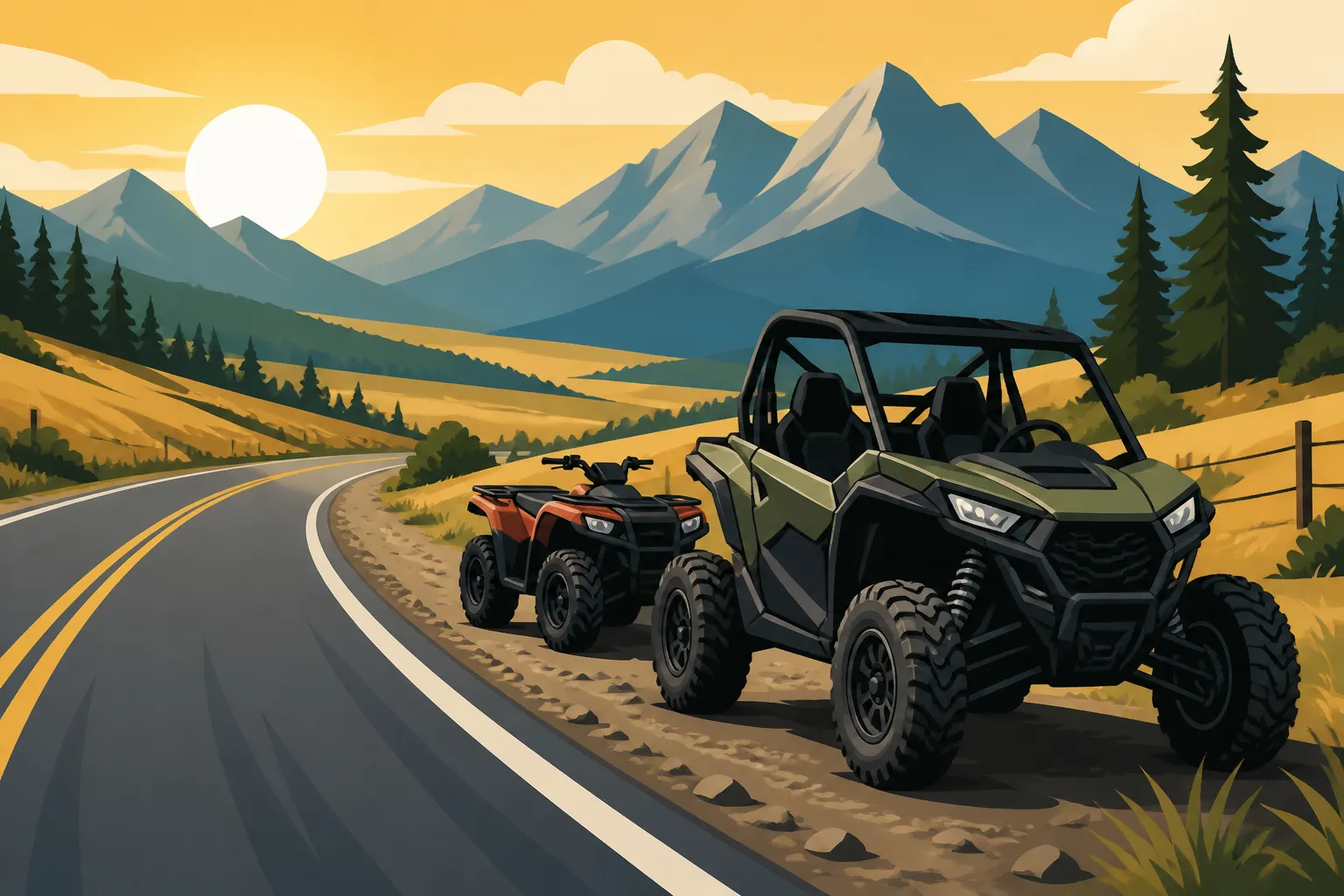
It's a familiar scenario for so many of us Montana ATV and UTV enthusiasts: you're out on the trails, maybe exploring some incredible Forest Service roads, and suddenly you need to connect to another trail, grab a bite in a small town, or just get back to your camp down a county road. The paved or gravel road ahead seems like the most direct path, and you wonder, "Can I just stick to the shoulder?" This guide is all about demystifying the rules, safety concerns, and practicalities of riding your off-highway vehicle (OHV) on the shoulder of a Montana county road.
The Nuances of Montana's OHV Road Access and the Shoulder
Navigating Montana's roads with an ATV or UTV can feel like walking a tightrope. On one hand, Big Sky Country is known for its wide-open spaces and trail opportunities. On the other, the rules for getting to those places on a motorized vehicle that isn't a car or truck can be incredibly confusing and vary wildly from one jurisdiction to the next. Many riders assume that if they stick to the very edge of the road, the shoulder, they're somehow exempt from the specific rules that apply to the main travel lanes. Unfortunately, it's rarely that simple.
Montana's General Philosophy on OHV Road Use
Montana's approach to OHV road access is generally permissive compared to some other states, but it comes with a lot of conditions. The fundamental principle is that county commissioners and municipal governments have the authority to open or close roads within their jurisdiction to OHV use. This means that what's perfectly legal in one county or town might land you a ticket just a few miles down the road. The shoulder of a road is still considered part of the public right-of-way, and as such, it falls under the same general regulations that govern the main travel lanes. It's not a separate, unregulated zone for OHVs. The idea that "if I'm not in traffic, I'm fine" is a common misconception that can lead to headaches and fines. Remember, you'll still need proper [Montana County Treasurer OHV Registration] before you even think about hitting a shoulder.
Why Riding the Shoulder Isn't Always a Loophole
Many riders believe that riding on the shoulder makes them less of a "road user" and therefore somehow exempt from specific road-legal requirements or local ordinances. This simply isn't true in most cases. If a road is closed to OHVs, it's closed, whether you're in the middle of the lane or hugging the gravel shoulder. Conversely, if a road is open to OHVs, you're generally expected to follow all the rules, including those related to speed, equipment, and operator licensing, regardless of whether you're on the shoulder or not. The shoulder does offer a practical safety advantage, keeping you out of the direct flow of traffic, but it doesn't change the legal classification of your ride.
Consider a scenario where you're trying to get your side-by-side from one section of a trail system to another, and the only connection is a half-mile stretch of county road. You see cars flying by at 55 mph and naturally want to give them as much room as possible. So, you edge over to the gravel shoulder. While this is certainly a safer practice in terms of avoiding direct collisions, it doesn't magically make the road legal for your OHV if the county commissioners haven't explicitly opened that road to OHV traffic. You could still face [Montana Penalties for an Unregistered OHV in Montana] or other violations if you don't meet all the local requirements.
Safety First: Practical Considerations for Shoulder Riding
Even when riding the shoulder is legally permissible, safety should always be your absolute top priority. You're operating a vehicle that is often smaller, lighter, and less visible than the cars, trucks, and even semi-trucks that might share that stretch of road. The shoulder itself can present unique hazards not found on the main travel lanes.
Visibility Challenges and Mitigation
One of the biggest issues when riding an OHV on a road shoulder is visibility. Your machine, especially an ATV, sits much lower than a typical passenger vehicle, let alone an SUV or a truck. This makes it harder for other drivers to see you, particularly on curves, over hills, or in adverse weather conditions. Dust kicked up by your own machine or by passing vehicles can further reduce visibility for both you and others.
To combat this, think about making yourself as conspicuous as possible. Brightly colored machines, helmets, and riding gear are a great start. Consider adding aftermarket lighting like a high-mounted whip flag with an LED light, especially if you're riding around dawn or dusk. Some riders even add additional reflective tape to their machines, or upgrade their factory lights to brighter, more visible options. Companies like SuperATV offer a range of lighting solutions and mirrors that can significantly improve your visibility and situational awareness, which is crucial when you're sharing the road. Don't forget that [Headlight and Taillight Rules in Montana] are a must for any road riding.
Road Surface Hazards on the Shoulder
The shoulder of a county road isn't always smooth sailing. It's often where debris collects—loose gravel, sand, potholes, discarded tires, or even sharp objects like broken glass or metal. These hazards can be particularly dangerous for an OHV with smaller tires and different suspension characteristics than a car. A patch of loose gravel, for instance, could cause you to lose traction, especially if you have to brake or steer suddenly. Potholes can jar your machine, potentially causing you to lose control or even damaging your suspension or tires.
It's vital to ride defensively and pay close attention to the road surface ahead. Reduce your speed on the shoulder, especially if visibility is poor or you're unsure of the conditions. Give yourself plenty of stopping distance and be prepared for sudden changes in terrain. If you're running a wider side-by-side, you might find that the shoulder itself isn't wide enough, forcing one side of your machine closer to the ditch or, worse, into the main travel lane.
Interacting with Other Traffic and Pedestrians
Even on the shoulder, you'll be interacting with other road users. Cars and trucks might drift onto the shoulder, or pull over unexpectedly. You might encounter cyclists, pedestrians, or even horseback riders, especially in rural areas. Maintaining a predictable path, using turn signals (if equipped), and avoiding sudden movements are key. If you don't have turn signals, clear hand signals are a must. Always yield to larger vehicles and give them ample space.
Imagine you're on a relatively straight stretch of county road shoulder, and a large pickup truck passes you, creating a significant amount of wind buffeting and kicking up a cloud of dust. If you're not prepared for that, it could throw you off balance. This is why a steady grip, maintaining a controlled speed, and having your wits about you are so important. Always remember, just because you're on the shoulder doesn't mean you're invisible or that other vehicles will always see you or account for you.
Legal Requirements and Local Ordinances for Road Riding
This is where the rubber meets the road, so to speak. Riding on the shoulder of a county road is not a special exemption from Montana's OHV laws; it's still considered public road use. Therefore, you must meet all applicable state and local requirements.
Registration, Decals, and Equipment
First and foremost, your OHV must be properly registered with the State of Montana. This means having an up-to-date registration and displaying the proper [Montana OHV Decals and Rear Placement]. While some machines are permanently registered, others require annual renewal. For out-of-state riders, Montana offers a [Montana's Non-Resident Temporary Use Permit] that covers trail use, but road use may have additional stipulations.
Beyond registration, your machine needs to meet specific equipment standards to be considered road-legal, even if you're just on the shoulder. This typically includes:
- Headlights and Taillights: These must be on at all times when operating on a public road, even during daylight hours.
- Brakes: Functional brakes on all wheels.
- Mirrors: At least one rearview mirror. Many riders opt for two for better visibility. SuperATV has some great mirror kits designed for UTVs.
- Muffler and Spark Arrester: To keep noise levels down and prevent wildfires.
- Horn: A working horn or warning device.
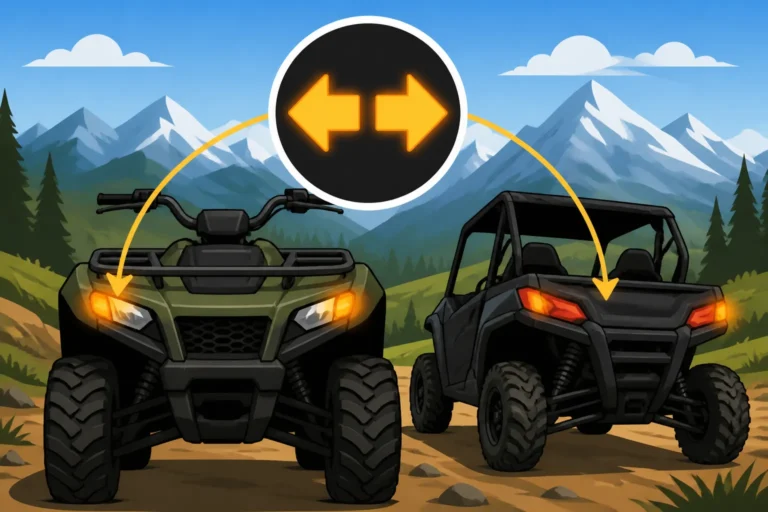
- Turn Signals: While not always explicitly required by state law for all road-legal OHVs on all roads, they are highly recommended for safety and often required by local ordinances that open roads to OHVs.
- Windshield: Some local ordinances might require a windshield for side-by-sides.
Operator Licensing and Age Restrictions
Just like driving a car, operating an OHV on a public road, including its shoulder, requires a valid driver's license. If you're a young rider, there are specific [Montana Road Rules for Young Riders] and [Montana Rules for a Rider Who Turns 16] that apply. Generally, riders under 16 have stricter rules about where and when they can operate an OHV on a public road, and often require direct adult supervision and/or completion of a safety course. A 15-year-old on the shoulder of a county road, for example, would likely fall under these regulations, regardless of how close they are to the ditch.
Local Ordinances and the County Commissioner's Say
This is the most critical and often overlooked aspect: the authority of local governments. While Montana state law provides a framework, it's the county commissioners in each county and the city councils in each town that ultimately decide which of their roads are open to OHV use. This means you absolutely cannot assume that every county road's shoulder is fair game.
Before you plan to use a county road or its shoulder to connect trails or access a town, you must check with the local county sheriff's office or the county commissioners' office. They can tell you if a particular road is open to OHVs and what specific local ordinances might apply. Many counties have maps or lists of approved OHV routes. Without this prior research, you risk a citation. Think about it: a small town in rural Montana might embrace OHV tourism and have wide-open policies, while a suburban county near a larger city might have very restrictive rules. The physical characteristics of the road—paved or gravel—don't change the legal status.
| Aspect | General State Rule (as a baseline) | Local Ordinance Impact (County/City) | Safety Considerations for Shoulder Riding |
|---|---|---|---|
| Registration | Required for all public land/road use (permanent or annual). | No change; local rules don't override state registration. | Essential for legal operation. |
| Operator License | Valid driver's license generally required for road use. | Local rules might specify age limits for certain roads. | Crucial for safe operation; ensures basic driving competency. |
| Equipment (Lights, Brakes) | Mandatory working headlights, taillights, brakes, muffler, horn. | Local rules may add requirements (e.g., turn signals, windshield). | Enhances visibility and ability to react to hazards. |
| Road Access | County commissioners/cities determine specific road openings. | Determines if any OHV use is allowed, on shoulder or in lane. | Riding an "open" road's shoulder is safer than main lane. |
| Speed Limit | Follow posted limits, or 10 mph on local/county roads if none. | Local rules might specify lower limits for OHVs. | Lower speed on shoulder reduces risk of losing control on debris. |
| Passing | Generally follow vehicle passing laws. | No specific shoulder passing rules; OHVs often yield to faster traffic. | Stay right, allow ample space for passing vehicles. |
| Passenger Rules | Varies by machine type (designed for one or more). | No specific shoulder-riding passenger rule beyond general OHV rules. | Ensure passengers are secure and aware of potential hazards. |
| Helmet Law | Required for riders under 18 on public roads. | Local rules cannot override state helmet law. | Always recommended for safety, even if not legally required for adults. |
Avoiding Common Pitfalls and Staying Legal
It's easy to get caught up in the excitement of exploring Montana, but a little preparation goes a long way in avoiding legal trouble and ensuring a safe ride, especially when you're thinking about mixing your OHV with road traffic.
Research Before You Ride
This cannot be stressed enough: do your homework. Before you ever load up your machine and head out, identify the specific county roads you intend to use. Call the county sheriff's office for that county, or visit their website. Many counties have a dedicated section for OHV rules and maps. Some of the larger counties like Yellowstone County, Gallatin County, or Flathead County might have more resources online. Don't rely on word-of-mouth or assume that because you saw someone else do it, it's legal. Things change, and enforcement can be sporadic until someone complains or an accident occurs. This is true whether you're planning a trip to the [Custer Gallatin Trails Near Bozeman] or exploring new areas near the [Bitterroot National Forest OHV Trails].
Equip Your Machine Properly
As discussed, meeting the state's minimum equipment requirements is non-negotiable for road use. But for shoulder riding, going above and beyond those minimums can significantly enhance your safety. Think about:
- Enhanced Lighting: Brighter headlights, additional taillights, or even light bars (used responsibly and covered when on public roads).
- Whip Flags: A tall, brightly colored whip flag makes your machine much more visible, especially on dusty roads or over hills.
- Mirrors: While one is often the minimum, having two well-adjusted rearview mirrors gives you much better situational awareness of traffic approaching from behind.
- Good Tires: Ensure your tires are in good condition and suitable for the mixed terrain (dirt/gravel and potentially some pavement).
Many riders upgrade their machines with aftermarket parts for durability and performance on trails. However, it's worth considering parts that also enhance road safety, such as those from SuperATV, which makes a variety of components designed to withstand rugged use while also contributing to visibility and control.
Ride Responsibly and Defensively
When you're on a county road shoulder, even if it's legal, you're still a guest.
- Maintain a Safe Speed: Drive slower than you might on a trail. Account for loose gravel, dust, and other road users.
- Stay as Far Right as Safely Possible: This is the purpose of using the shoulder, to create separation from faster traffic.
- Yield to Other Traffic: Pull further off if needed to allow faster vehicles to pass safely.
- Be Predictable: Use turn signals or hand signals, and avoid sudden swerves.
- No Reckless Behavior: Spinning tires, excessive noise, or horseplay will quickly draw unwanted attention from law enforcement and could lead to the revocation of OHV access in that area. Remember that [Montana Alcohol Limits for OHV Operators] apply to road riding too, so don't even think about mixing alcohol and driving.
Riding the shoulder of a county road in Montana can be a practical way to connect trails or access amenities, but it's crucial to understand that it's not a free pass. It requires adherence to specific state and local laws, and a heightened awareness of safety. By being informed, equipping your machine correctly, and riding responsibly, you can minimize risks and enjoy all that Montana has to offer on your ATV or UTV.
Disclaimer
This article is for general informational purposes only and does not constitute professional advice. Laws, prices and regulations vary by location and change over time. Consult a qualified professional for guidance on your specific situation.