DOT Helmet Standards Montana Accepts
Riding ATVs and UTVs in Big Sky Country is an unparalleled experience, but navigating the specific rules, especially when it comes to safety gear like helmets, can feel like trying to read a trail map printed in invisible ink. Many riders, both residents and visitors, are often left scratching their heads, wondering exactly what kind of helmet is truly acceptable under Montana law, or if any helmet at all is required. This guide is here to cut through the confusion and explain the DOT helmet standards Montana accepts, ensuring you can hit the trails and approved roads safely and legally.
Why DOT Standards Matter (And What They Are)
When you're out exploring Montana's vast landscapes on your ATV or UTV, safety is paramount. The right gear can make all the difference between a minor tumble and a life-altering incident. Helmets are, without a doubt, the most critical piece of personal protective equipment. But it's not enough to just wear "a" helmet; it needs to meet certain standards, and in Montana, like most places, that often means adhering to Department of Transportation (DOT) certifications.
The Frustration of Ambiguous Rules
Let's be honest, the world of regulations can be a bit of a labyrinth. You buy a shiny new helmet, it looks robust, it feels good, but then someone mentions "DOT certified," and suddenly you're wondering if your new lid is just a fancy hat. It's frustrating to invest in safety gear only to discover it might not meet the letter of the law, potentially leaving you vulnerable to fines or, more importantly, inadequate protection. Riders just want clear, actionable information so they can make informed choices and focus on enjoying their ride, not worrying about obscure legalities. This confusion is particularly prevalent because many people assume all helmets are created equal, or that a helmet designed for one sport is fine for another. However, the rigor of testing varies wildly, and understanding the baseline for street-legal riding, which often applies to ATV/UTV use on designated roads, is crucial.
What "DOT Certified" Actually Means
When a helmet is "DOT certified," it means the manufacturer has affirmed that the helmet meets the minimum performance standards set by the U.S. Department of Transportation's Federal Motor Vehicle Safety Standard (FMVSS) No. 218. This standard outlines specific requirements for how a helmet must perform in a crash, focusing on aspects like impact attenuation (how well it absorbs shock), penetration resistance (how well it resists sharp objects), and retention system strength (how well the strap stays put).
It's a self-certification process, meaning manufacturers test their helmets according to DOT guidelines and then label them as compliant. However, the DOT does conduct random audits and tests to ensure manufacturers are adhering to these claims. This standard isn't just a suggestion; it's a legal requirement for helmets intended for use on public roads. For ATV and UTV riders in Montana, especially those who plan to use their machines on county roads or other approved routes, meeting this standard isn't just about avoiding a ticket; it's about providing a baseline level of protection against common head injuries. While not every trail ride mandates a DOT helmet, any time you interact with public roadways, the DOT standard becomes highly relevant, and it's generally good practice to always wear a helmet that meets this standard for maximum safety.
Identifying a DOT-Compliant Helmet
Knowing what DOT certification means is one thing; identifying it on a helmet is another. There are specific markings and indicators you need to look for to ensure your helmet, or one you're considering purchasing, genuinely meets the standard. This isn't just about a brand's marketing; it's about verifiable proof of safety compliance.
The Crucial DOT Sticker
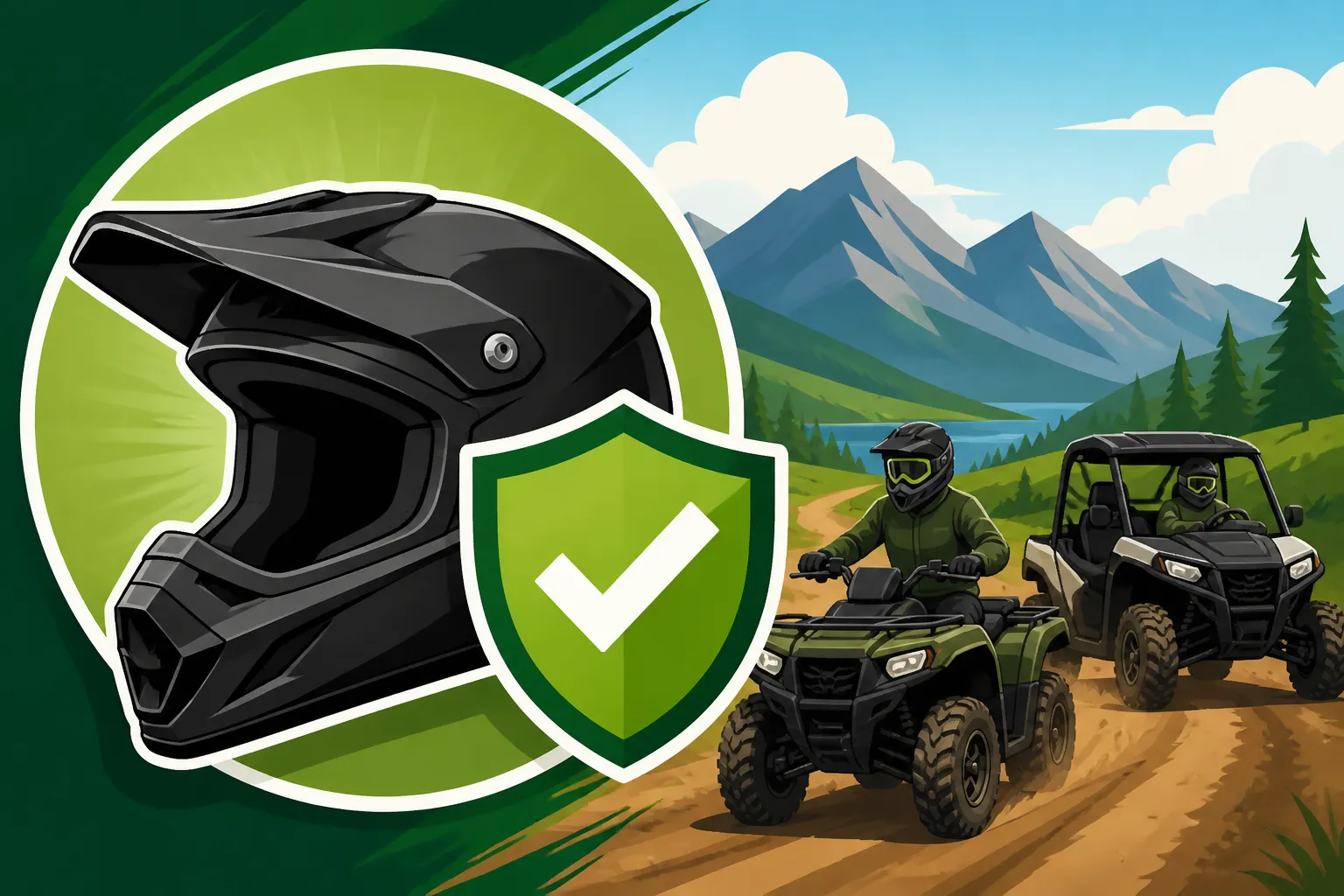
The most definitive way to identify a DOT-compliant helmet is by finding the "DOT" sticker. This sticker is almost always located on the back exterior of the helmet. It's not just a fancy logo; it's a declaration from the manufacturer that the helmet meets FMVSS No. 218. The sticker is usually about 1.5 inches tall and will clearly state "DOT FMVSS No. 218 CERTIFIED" or something very similar. Sometimes it will also include the specific model number and the manufacturer's name.
It's important to look for this exact sticker. If a helmet claims to be DOT compliant but lacks this external marking, it's a red flag. While some helmets might be sold in other countries with different certifications (like ECE 22.05 in Europe), for legal use on public roads in the United States, including Montana, the DOT certification is what's required for riders who fall under the helmet law. Don't be fooled by generic "approved for road use" claims unless they are backed up by the specific DOT marking. When you're buying a new helmet, whether from a local Montana dealer or an online retailer like SuperATV, always confirm this sticker is present.
Internal Labels and Manufacturer Claims
Beyond the exterior sticker, a DOT-compliant helmet will also typically have an internal label. This label is usually sewn into the liner or affixed permanently inside the shell. It provides more detailed information, including the manufacturer's name, the model name, the size, the month and year of manufacture, and again, explicit confirmation that it meets FMVSS No. 218. This internal label serves as a secondary verification and can be particularly helpful if the exterior sticker somehow gets damaged or peels off over time.
While manufacturer claims on packaging or product descriptions are a good starting point, they are not a substitute for seeing the actual DOT certification on the helmet itself. A reputable manufacturer will always ensure their helmets are correctly marked. If you're buying a used helmet, verifying both the external sticker and the internal label is even more critical, as you don't have the original packaging to consult. Always be a diligent buyer when it comes to safety equipment.
Beyond the Sticker: Quality and Fit
While DOT certification is a crucial minimum standard, it's just that—a minimum. A helmet can be DOT certified and still not be the best choice for your specific riding style, comfort, or desired level of protection. Think of it like this: a basic car might meet all safety regulations, but a luxury car often provides additional safety features and a more comfortable ride. The same goes for helmets.
When choosing a helmet for your Montana ATV or UTV adventures, consider factors beyond the DOT sticker. A proper fit is absolutely paramount. A helmet that is too loose can shift during an impact, failing to protect effectively, while one that is too tight can be uncomfortable and distracting. Look for features like good ventilation, especially important during hot Montana summers or strenuous rides. The weight of the helmet can also impact rider fatigue. Materials like carbon fiber offer excellent strength-to-weight ratios, but might come at a higher price point. Features like removable, washable liners, integrated sun visors, and communication system compatibility can significantly enhance your riding experience. Remember, the best helmet is one you'll actually wear consistently because it's comfortable, fits well, and inspires confidence. Even if Montana law doesn't explicitly require it for every situation, wearing a high-quality, well-fitting, DOT-certified helmet every time you ride is just plain smart.
Montana's Helmet Laws and How DOT Fits In
Montana's open spaces often give a feeling of boundless freedom, and that's largely true for off-highway vehicle (OHV) riding. However, even in the "Last Best Place," there are specific rules, especially regarding helmets, particularly when riding on or across public roads. Understanding these nuances is key to staying safe and legal.
Who Needs to Wear a Helmet in Montana
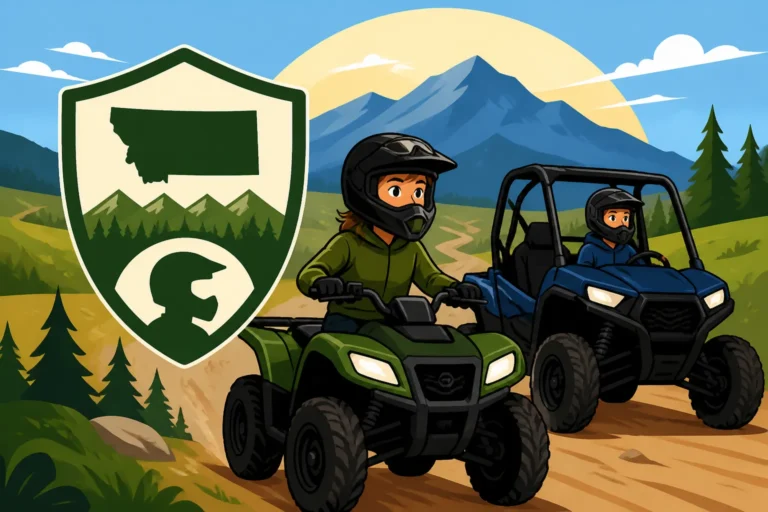
Montana law specifically addresses helmet use for younger riders and in certain contexts. Generally, any operator or passenger of an OHV who is under 18 years of age must wear a safety helmet that meets DOT standards when operating on public lands or highways. This means if you have a teenager or a younger child riding with you, or if they're operating their own machine, they absolutely need a DOT-certified helmet. This rule is designed to protect the most vulnerable riders and aligns with similar regulations for motorcycles and other motorized vehicles. For adults 18 and over, Montana does not mandate helmet use for OHV riding on public lands or designated trails. However, this lack of a mandate does not equate to a lack of risk. Many seasoned riders, regardless of age, choose to wear a helmet for every ride, recognizing the inherent dangers of the sport. [Montana Helmet Rules for Riders Under 18] provides more detail on this specific age group.
Road Riding vs. Off-Trail Riding
This is where things can get a bit tricky and often cause confusion. While Montana generally has a more relaxed stance on adult helmet use on trails, the rules tighten up considerably when you venture onto public roads. If you are operating your ATV or UTV on a county road, forest service road, or any other public thoroughfare where OHVs are permitted, the rules governing street-legal vehicles often come into play. Many [Montana Towns That Allow OHVs on Their Streets] will have specific ordinances, and the state's general road rules apply to anyone, regardless of age, when riding a vehicle designed for highway use.
For OHVs, even if you're an adult, if you're riding your machine on a public road in Montana, it is generally prudent to wear a DOT-certified helmet, as you are then subject to the same safety standards as a motorcycle operator. While the specific wording for OHVs can be ambiguous for adults on county roads, the safest and most legally defensible position is always to wear a DOT-compliant helmet when on any public road. This also ties into other requirements like [Montana Headlight Rules After Dark] and [Montana Eye Protection on a Road Ride], which further emphasize the need for proper road-use equipment. When you're transitioning from a trail system to a paved or gravel county road to connect to another trail, those moments of road use are when you're most likely to encounter enforcement or, more importantly, another vehicle.
Consequences of Non-Compliance
Ignoring helmet laws, particularly for those under 18, can lead to various penalties. At a minimum, you might face a fine. A Montana Fish, Wildlife & Parks (FWP) warden or local sheriff's deputy could issue a citation for a minor riding without a proper helmet. These fines can add up, and repeat offenses might lead to stricter consequences. Beyond monetary penalties, there's the much more serious consequence of injury. Riding without a DOT-certified helmet significantly increases the risk of severe head trauma in the event of an accident. Even a slow-speed tip-over can result in a dangerous impact with the ground or an obstacle. Consider the potential medical costs, long-term health implications, and emotional toll of a preventable head injury. No scenic ride or perceived freedom is worth that risk. Understanding [Montana Penalties for Illegal Road Riding] highlights the broader risks of not adhering to OHV regulations.
Here's a quick summary of Montana's general helmet guidelines:
| Rider Age Group | Riding on Trails/Public Lands (OHV Specific) | Riding on Public Roads (Where Permitted) | Recommended Helmet Standard |
|---|---|---|---|
| Under 18 | Required | Required | DOT FMVSS No. 218 Certified |
| 18 and Over | Not required by state law | Highly Recommended (often implied by road laws) | DOT FMVSS No. 218 Certified |
Remember, local ordinances can sometimes supersede or add to state laws, so always check with the specific county or town you plan to ride in.
Choosing the Right DOT-Compliant Helmet for Montana Riding
Once you understand the "why" and "what" of DOT standards, the next step is selecting a helmet that meets these requirements and suits your riding style in Montana. The market is flooded with options, and while DOT certification is non-negotiable for some situations, there are many other factors that contribute to a truly great helmet.
Styles of Helmets for ATV/UTV Use
The world of helmets is diverse, each style offering different levels of protection, ventilation, and field of view. For ATV and UTV riders, several common styles are DOT-approved and widely available:
- Full-Face Helmets: These offer the most comprehensive protection, covering your entire head, face, and chin. They often have an integrated visor for eye protection. They're excellent for high-speed riding, dusty conditions, or colder weather. The downside can be limited airflow in hot conditions, though many modern designs have excellent ventilation systems.
- Open-Face (3/4) Helmets: These cover the top, back, and sides of your head, but leave your face exposed. They offer better airflow and a wider field of vision, making them popular for slower rides or in very hot weather. However, they require separate eye protection (goggles or glasses) and offer no chin or facial impact protection.
- Modular (Flip-Up) Helmets: A hybrid design, these helmets allow the chin bar and visor to flip up, essentially transforming from a full-face to an open-face helmet. They offer the flexibility of an open-face with the protection of a full-face when closed. They tend to be heavier than other styles.
- Off-Road/Motocross Helmets: Characterized by their aggressive styling, prominent visors (to block roost and sun), and extended chin bars for ventilation and protection. These are designed specifically for the rigors of dirt riding. They require separate goggles for eye protection. Many of these are DOT certified and are a popular choice for serious trail riders.
Consider the type of riding you do most often. Are you tackling technical single track, cruising forest roads, or doing ranch work? Your environment will heavily influence the best helmet style for you.
Features to Look For Beyond DOT Certification
As we discussed, DOT is a baseline. To truly optimize your safety and comfort, you'll want to look for additional features:
- Ventilation: This is crucial, especially in Montana's varied climate. Look for helmets with multiple intake and exhaust vents to keep you cool and prevent fogging. Good airflow also helps reduce fatigue.
- Weight: A lighter helmet reduces neck strain, especially on long rides. Advanced materials like fiberglass, carbon fiber, or high-tech composites contribute to lighter, yet stronger, shells.
- Comfort and Fit: A helmet should fit snugly without being uncomfortably tight or causing pressure points. The padding should cradle your head evenly. Many helmets offer removable and washable liners, a huge bonus for hygiene after dusty rides. When you try on a helmet, shake your head side to side; the helmet should move with your head, not slide around.
- Material: Shell materials range from polycarbonate (thermoplastic) to fiberglass composites and carbon fiber. Polycarbonate is durable and cost-effective, while fiberglass and carbon fiber offer superior strength-to-weight ratios and better impact dissipation, often at a higher price.
- Eye Protection: If you choose an open-face or off-road helmet, ensure you have quality goggles that offer UV protection and a good seal to keep out dust and debris. Many full-face and modular helmets come with anti-fog and scratch-resistant visors. Remember, [Montana Eye Protection on a Road Ride] is also a consideration.
- Additional Certifications: Some helmets might also carry Snell or ECE certifications. Snell (often found on racing helmets) is a more stringent standard for impact protection. ECE is the European standard, known for its rigorous testing process. While not legally required by Montana for OHV use, these can indicate an even higher level of protection.
Where to Purchase and What to Ask
You can find DOT-certified helmets at a variety of places. Local powersports dealerships in Montana are an excellent resource, as they often have staff who are knowledgeable about local riding conditions and regulations. They also allow you to try on different helmets to ensure a proper fit. Online retailers, including specialized sites like SuperATV, offer a vast selection, often at competitive prices. When shopping online, pay close attention to sizing charts and read reviews regarding fit.
Regardless of where you buy, here are some questions to ask:
- "Does this helmet meet DOT FMVSS No. 218 standards?" (Always double-check the sticker yourself!)
- "What is the return policy if the fit isn't right?"
- "Are replacement parts like visors or liners readily available?"
- "What is the helmet's weight, and what materials is it made from?"
- "Does it have good ventilation for warm weather riding?"
Investing in a high-quality, DOT-certified helmet is an investment in your safety and enjoyment of Montana's incredible OHV opportunities. Don't skimp on this crucial piece of gear. Choosing a helmet is a personal decision, but making an informed choice based on safety standards and personal needs will ensure many years of safe adventuring. And remember, pairing your helmet with other vital safety gear and riding within your limits are equally important for a great day out on the trails.
Disclaimer
This article is for general informational purposes only and does not constitute professional advice. Laws, prices and regulations vary by location and change over time. Consult a qualified professional for guidance on your specific situation.