Face Shield or Goggles on a Montana Road Ride
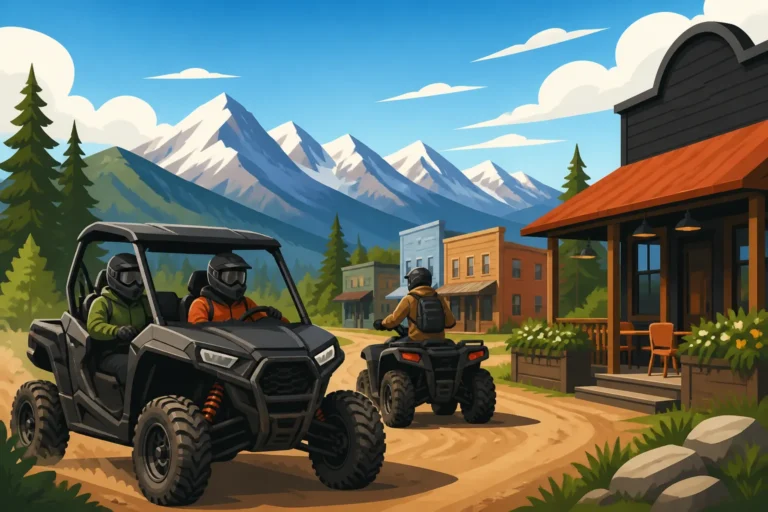
Riding your ATV or UTV on Montana's roads can be an incredible experience, offering freedom and access to breathtaking landscapes, but it also means navigating a different set of rules than you might find on the trails. One common point of confusion for many riders, especially those new to mixing road and trail, revolves around eye protection: do you need a face shield or goggles, and what's the real difference in practice? This guide will cut through the uncertainty, helping you understand Montana's requirements and make an informed choice for your next ride.
Montana's Eye Protection Requirements for Road Riding
Let's start with the basics, because understanding the law is the first step to a worry-free ride. When you're rolling your machine on a county road or a designated city street here in Montana, eye protection isn't just a good idea for comfort and safety; it's often a legal requirement. The state wants to make sure you can see where you're going, plain and simple, and that means keeping dust, bugs, and debris out of your eyes.
Understanding the Legal Mandate for Eye Protection
Montana's rules are generally straightforward when it comes to road use for OHVs. If you're operating an ATV or UTV on a public road where OHV use is allowed, you must have adequate eye protection. This isn't just about avoiding a ticket; it's about your ability to react quickly to changing road conditions, wildlife, or other vehicles. Think about a sudden gust of wind kicking up gravel, or a persistent swarm of bugs on a warm evening ride. Without proper eye protection, your vision can be compromised in an instant, turning a pleasant outing into a dangerous situation.
The specific language often refers to "adequate eye protection," which is a broad term but generally means something that covers your eyes effectively from foreign objects and provides clear vision. This can include a helmet visor, a full face shield, or goggles. What it doesn't mean is just sunglasses, which, while great for glare, won't stop a rock chip or a bee from hitting you squarely in the eye. It's about a physical barrier, not just tinting. This requirement applies to both the operator and any passengers. [Montana Helmet Rules for Riders Under 18] outlines additional considerations for younger riders, who often have more stringent helmet and eye protection rules.
How Age and Helmet Laws Influence Eye Protection
The specific rules around helmets and eye protection in Montana are also influenced by age. While adults generally have more discretion regarding helmet use on public roads (unless a specific local ordinance dictates otherwise), riders under 18 must wear a DOT-approved helmet, and that helmet must include either a face shield or be accompanied by goggles. This isn't an either/or situation for minors; if their helmet doesn't have a built-in shield, they absolutely need goggles.
For adult riders, if you choose to wear a helmet, it's often easiest to have one with a built-in face shield. Many modular or full-face helmets designed for street use offer excellent protection and convenience. If you opt for an open-face helmet, then goggles become a necessity to meet the eye protection standard. It's also worth remembering that regardless of the law, wearing a helmet, especially a full-face one, offers superior protection in the event of an accident. When considering options, you might look at specialized off-road gear, or even accessories that enhance safety and comfort, as companies like SuperATV often provide a range of aftermarket options that can integrate seamlessly with various helmet styles.
Deciding Between a Face Shield and Goggles
So, with the legal requirements understood, how do you choose what's right for you? Both face shields and goggles offer effective eye protection, but they each have their own set of advantages and disadvantages, especially when you're alternating between dusty trails and paved county roads. Your riding style, the type of helmet you wear, and even the weather can all play a role in your decision.
Face Shields: Pros and Cons
A face shield is typically an integral part of a full-face or modular helmet, extending down to cover your entire face from the brow line to your chin. For many riders, the convenience is a huge draw. With a simple flip, you can raise or lower it, making it easy to talk, drink, or get a breath of fresh air when stopped. They offer a wide, unobstructed field of vision, which is fantastic for road riding where peripheral awareness is key. You're less likely to have frames or straps interfering with your sight. Plus, they usually seal quite well against the helmet, keeping out wind, rain, and cold air, which can be a real blessing on a long Montana ride in cooler weather. [Montana Helmet Standards and Who Must Wear One] delves deeper into what makes a helmet compliant.
However, face shields aren't without their drawbacks. They can fog up, especially in humid conditions or when you're exerting yourself at slower speeds. While many come with anti-fog coatings or pinlock inserts, these aren't always perfect. Scratches can also become a problem over time, diminishing clarity, and replacing a shield can sometimes be more expensive than a new pair of goggles. If you take your helmet off the road and hit the dusty trails hard, the fine silt can get behind the shield and scratch it when you try to wipe it clean. Also, when riding on very dusty trails, dust can sometimes sneak in under the bottom edge, though a good seal minimizes this.
Goggles: When They Shine on the Road
Goggles, on the other hand, are a separate piece of equipment worn with an open-face helmet or, for UTV riders, sometimes even without a helmet in situations where the vehicle offers roll-over protection and local laws allow. Their primary advantage lies in their superior seal against your face. Because they strap tightly to your head (or helmet), they create a much better barrier against fine dust, mud, and debris, which is invaluable when you transition from a paved road to a gravel forest service road. Many goggles also offer interchangeable lenses, allowing you to swap tints for different light conditions – clear for night riding, dark for bright sunny days, or amber for overcast conditions. This versatility can be a big plus for [Riding Back to Camp After Sunset].
The cons of goggles often come down to comfort and convenience. Some riders find them less comfortable over long periods, especially if they're worn too tight. They can also create pressure points on your face or around your eyes. Unlike a face shield, you can't just flip them up for a quick conversation or a drink; you have to remove them entirely or push them up onto your helmet. And while they seal well against dust, they can still fog up, sometimes more readily than a well-vented face shield, due to less airflow directly across the lens. Pairing goggles with an open-face helmet might also expose more of your face to the elements, meaning windburn or bug splatters on your cheeks.
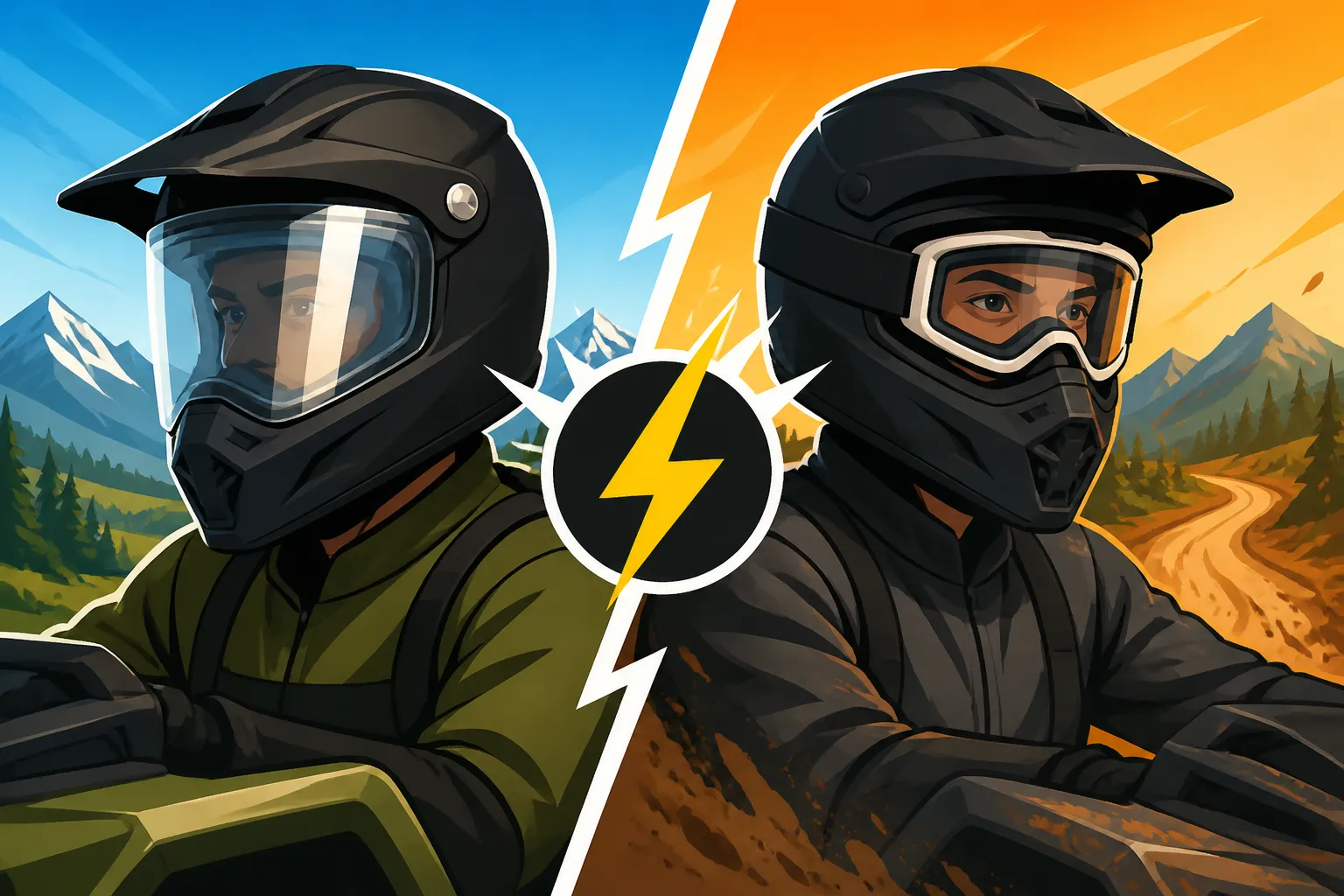
Here's a quick comparison of face shields and goggles for Montana road riding:
| Feature | Face Shield | Goggles |
|---|---|---|
| Visibility | Wide, unobstructed peripheral vision | Can have frame obstruction; excellent clarity |
| Dust/Debris | Good, but fine dust can sometimes creep in | Excellent seal against dust, mud, and debris |
| Weather | Excellent for wind, rain, and cold protection | Good for protecting eyes; face still exposed |
| Fogging | Can fog, but many have anti-fog features/inserts | Can fog, often due to less airflow |
| Convenience | Flips up easily for quick access | Must be removed or moved to helmet for access |
| Durability | Susceptible to scratches; replacements can vary | Lenses can be scratched; often interchangeable |
| Comfort | Generally comfortable for long rides | Can create pressure points, depending on fit |
| Cost | Part of helmet; replacement shields vary | Standalone item; various price points for lenses |
When One Might Be Preferable Over the Other
Choosing between a face shield and goggles often comes down to the primary use of your machine and your personal preferences. If your riding consists mostly of longer stretches on designated OHV roads, county roads, and street-legal sections, a full-face or modular helmet with a clear, anti-fog face shield might be the most comfortable and convenient option. It provides excellent all-around protection from wind, sun, and road debris, and the ability to flip it up is a game-changer for quick stops or interactions. Many riders find this combination ideal for cruising through towns that allow OHVs on their streets, like [Riding an OHV Into West Yellowstone].
However, if you know your ride will involve significant time on truly dusty trails, through mud puddles, or in areas where debris is common, goggles worn with an open-face helmet (or a full-face helmet where the face shield is removed) could be a better choice. The superior seal of goggles will save your eyes from countless particles. Many trail riders swear by goggles for their ability to maintain clear vision in the grittiest conditions. Some riders even carry both: using a face shield for road sections and then switching to goggles when they hit the serious dirt. For UTV riders in particular, a good set of goggles, perhaps paired with a windshield (some of which are offered by brands like SuperATV) and a roof, offers a great combination of protection and open-air enjoyment.
Practical Considerations for Montana Weather and Trails
Montana's weather is famously unpredictable, and its diverse terrain, from dusty plains to high-mountain passes, presents unique challenges for riders. Your choice of eye protection needs to be robust enough to handle everything the Big Sky Country throws at it. Thinking through these practical considerations will ensure your comfort, safety, and compliance with the rules, no matter where your adventure takes you.
Adapting to Dust, Rain, and Temperature Swings
Riding in Montana means being prepared for anything. One minute you might be cruising on a perfectly clear, warm day, and the next, you could encounter a sudden downpour or ride through a thick cloud of dust kicked up by another vehicle. Dust is perhaps the most common adversary for eye protection on trails and even some gravel roads. Goggles, with their tight seal, are generally superior at keeping fine dust out of your eyes, preventing irritation and maintaining clear vision. [Dust Behind You on a Ranch Road] is a reality for many rural rides.
When it comes to rain, a face shield integrated into a full-face helmet typically offers the best protection for your entire face, keeping water off your skin and out of your eyes. While goggles will protect your eyes from rain, the rest of your face will be exposed. In cold temperatures, a face shield also provides better insulation for your face, which can make a big difference in comfort on chilly mornings or at higher elevations. However, both can fog up in humid or cold conditions, so investing in anti-fog treatments or lenses is always a smart move.
Eye Protection and Sun Glare in Big Sky Country
Montana's big skies mean plenty of sunshine, and sun glare can be a serious issue, especially when riding at dawn, dusk, or on reflective surfaces like snow or water. For this reason, having tinted or polarized lenses, whether in a face shield or goggles, is highly beneficial. Many face shields are available in various tints, and some even come with integrated drop-down sun visors for added convenience. [Riding Back to Camp After Sunset] can be particularly challenging with glare.
Goggles often offer an even wider range of lens options, from mirror finishes to specific tints designed to enhance contrast in different light conditions. The ability to quickly swap lenses on goggles can be a major advantage if your ride takes you through varying light situations throughout the day. If you choose a clear face shield, consider wearing sunglasses underneath for glare protection, but ensure they fit comfortably and don't create pressure points, which can be tricky inside a helmet. Always make sure whatever you choose meets the 'adequate eye protection' standard, meaning it’s designed to protect from impacts, not just glare.
Essential Gear Beyond Eye Protection
While eye protection is crucial for legal and safe riding on Montana's roads, it's just one piece of the puzzle. A truly prepared rider understands that a comprehensive approach to gear ensures maximum safety, comfort, and compliance, whether you're heading to [Riding to a Cafe in a Montana Trail Town] or tackling a remote two-track. Overlooking other essential items can quickly turn a great ride into a challenging one.
Helmets, Gloves, and Appropriate Clothing
Beyond your eye protection, a DOT-approved helmet is paramount. As mentioned, it's legally required for riders under 18 and a strong recommendation for adults. A good helmet protects your most valuable asset. When selecting a helmet, consider factors like ventilation, fit, and compatibility with your chosen eye protection. Some full-face helmets are designed with enough interior space to comfortably wear goggles if you prefer them over a face shield.
Gloves are another often-underestimated piece of gear. They protect your hands from abrasions in a fall, deflect branches and debris, and provide better grip on the handlebars, especially in wet or dusty conditions. Look for gloves with good dexterity so you can easily operate controls. Appropriate clothing means layers. Montana weather can change rapidly, so having moisture-wicking base layers, an insulating middle layer, and a waterproof outer shell is ideal. This allows you to adapt to temperature swings, sudden rain showers, or the chill of riding at higher elevations. Even a simple bandana or neck gaiter can offer extra protection from dust and sun for the rest of your face and neck. For serious protection on longer rides, some riders invest in a full suit, like those offered by specialized brands, or even a cab enclosure for their UTV, often available through accessory providers like SuperATV.
Carrying Important Documents and Safety Equipment
When you're out on Montana's roads, always carry your necessary documents. This includes your driver's license (if applicable for road riding, which it often is), proof of registration for your OHV, and proof of insurance. [Do You Need a Driver's License to Ride a Montana Road?] covers the specific requirements. These are things a Montana warden or sheriff might ask to see during a routine stop or if you're involved in an incident. Keeping these in a waterproof bag or a secure pocket on your person or machine is a good habit.
Beyond documentation, consider a basic safety kit. This could include a small first-aid kit, a multi-tool, a tire repair kit, and a small air pump. Even if you're only planning a short ride, a mechanical issue or a minor injury can happen unexpectedly. A cell phone is useful, but remember that many areas in Montana's backcountry have limited or no cell service, so don't rely on it as your sole means of communication. Carrying water and some emergency snacks is also wise, especially on longer rides or when exploring remote areas. Making sure your machine is well-maintained, with properly functioning [Headlight and Taillight Rules in Montana] and [Brakes a Montana Road Ride Requires], will also contribute significantly to your overall safety and compliance.
Disclaimer
This article is for general informational purposes only and does not constitute professional advice. Laws, prices and regulations vary by location and change over time. Consult a qualified professional for guidance on your specific situation.