Montana Rules on Forest Service Roads
Navigating the vast network of Forest Service roads in Montana can feel like trying to solve a complex puzzle, especially when you're just trying to enjoy a ride on your ATV or UTV. The rules can be confusing, changing from one forest to another, and even from one section of road to the next. This guide aims to demystify those regulations, helping you confidently explore Montana's stunning backcountry without inadvertently breaking the law.
Decoding Montana's Forest Service Roads: What You Need to Know
Montana boasts millions of acres of national forest land, crisscrossed by countless roads and trails. For ATV and UTV riders, these lands offer incredible access to some of the most breathtaking scenery in the country. However, unlike private land where the owner sets the rules, Forest Service land operates under federal regulations, which are then often tailored to local conditions and specific forest plans. This means that a road open to your side-by-side in the Flathead National Forest might be completely off-limits in a different section of the Lolo National Forest. It's a patchwork that can certainly lead to frustration for riders eager to hit the dirt.
The primary goal of the Forest Service is to manage these lands for multiple uses, including recreation, timber, wildlife, and water. This often means balancing motorized access with protecting sensitive resources and ensuring public safety. For us riders, this translates into a system of designated routes. You can't just head off-road wherever you please; access is generally restricted to clearly marked, authorized roads and trails. Ignoring these designations can lead to significant fines and environmental damage, so understanding the basics is your first, most crucial step.
System Roads Versus Designated Trails
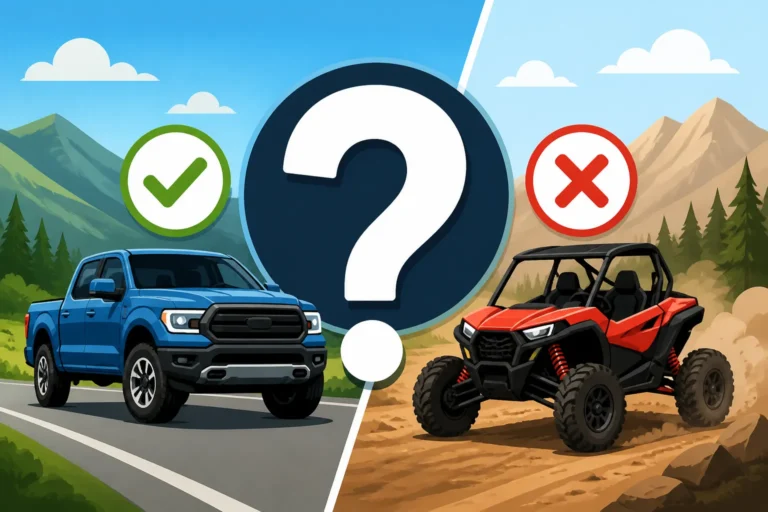
When you look at a Forest Service map or sign, you'll often see references to "system roads" and "system trails." These terms are key to understanding where you can and cannot ride your ATV or UTV. A "system road" is typically wider, maintained for vehicular traffic, and might be gravel or paved in sections. These are generally roads that are part of the official Forest Service transportation system. Often, these roads are open to all vehicles, including passenger cars, trucks, and, yes, your OHV, provided it's registered and you adhere to any specific rules for OHVs. However, it's not a given that all system roads are open to OHVs. Some might be too narrow, or pass through areas with special restrictions.
"System trails," on the other hand, are usually narrower and specifically designed for non-highway legal vehicles like ATVs, dirt bikes, or even hiking and horseback riding. These trails are often a single track or a tight two-track, winding through the landscape. While a street-legal truck can drive on many system roads, it absolutely cannot drive on an ATV-designated system trail. Conversely, your ATV or UTV is usually right at home on these trails, but you must ensure it matches the vehicle type and width restrictions for that particular trail. For instance, some trails are designated for motorcycles only, while others might have a 50-inch width limit that excludes many larger side-by-sides. If you own a wider machine, checking [Montana Trails That Suit a 50-Inch Machine] can be incredibly helpful.
The Often-Confusing "Closed to Motorized Use" Rule
One of the most common sources of confusion and frustration for riders is encountering roads or areas marked "Closed to Motorized Use." This sign means exactly what it says: no motorized vehicles allowed, period. This can apply to entire areas, specific roads, or even certain times of the year. The reasons for these closures are varied. They might be implemented to protect wildlife during sensitive periods, prevent resource damage during wet conditions, or maintain quiet recreation areas. It's frustrating when your GPS shows a tempting route, only to find it blocked by a "Closed" sign.
It's important to remember that these closures are not arbitrary; they are part of the land management plan. Disregarding a "Closed to Motorized Use" sign isn't just a minor infraction; it can lead to hefty fines and environmental damage. Riding on muddy trails, for example, can create deep ruts that accelerate erosion and make the trail unusable for others. Sometimes, a closure might be seasonal, meaning the road is open during drier months but closed during spring thaw to prevent rutting. Always pay close attention to signs, and if in doubt, err on the side of caution. Getting caught riding where you shouldn't be can definitely put a damper on your adventure.
Navigating the MVUM: Your Essential Map for Forest Access
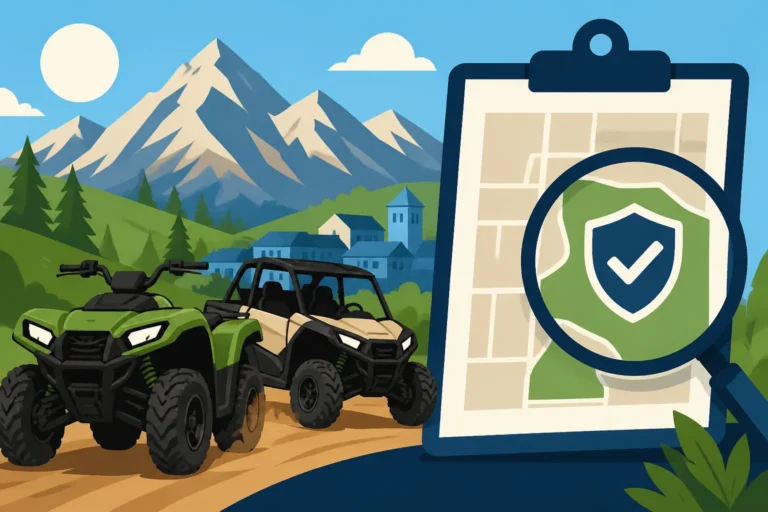
If you're planning to ride an ATV or UTV on any Forest Service land in Montana, the single most important document you need to understand is the Motor Vehicle Use Map, or MVUM (pronounced "M-V-U-M"). Think of it as your official, legal roadmap for motorized recreation in the national forests. Unlike a general recreational map, the MVUM specifically details which roads and trails are open to which types of motorized vehicles, and during what times of the year. This map is not merely a suggestion; it is the law.
Many riders, especially those new to exploring public lands, rely on general GPS apps or outdated paper maps. While those can be helpful for navigation, they often don't contain the specific, legally binding details found on an MVUM. The Forest Service updates these maps regularly, reflecting changes in land management decisions, seasonal closures, and trail conditions. Relying on old information can easily lead you down a closed route, resulting in a ticket and potential resource damage. Take the time to understand and use these maps correctly; it's the best way to ensure your ride is legal and enjoyable.
How to Find and Read a Motor Vehicle Use Map
Finding an MVUM is easier than it used to be. Each National Forest in Montana will have its MVUMs available on its official Forest Service website. You can usually find them under the "Recreation" or "Maps & Publications" sections. Many ranger district offices also have paper copies available for free. Given the spotty cell service in much of Montana's backcountry, it's always a good idea to download the digital version to your phone or tablet for offline use, or better yet, print out the relevant sections and carry a physical copy with you. [Reading a Montana Motor Vehicle Use Map] offers a deep dive into using these maps effectively.
Once you have an MVUM in hand, understanding its symbols is critical. The maps use a variety of lines and colors to indicate different types of routes and their allowed uses. Typically, a solid black line might represent a road open to all vehicles, while a dashed line might be a trail open only to vehicles 50 inches wide or less. There are specific symbols for motorcycles, mountain bikes, and even routes closed during certain seasons. Pay very close attention to the legend on the map – it will explain exactly what each line type and symbol means. Don't assume; read the legend carefully before you head out.
Understanding Route Designations: Open, Closed, and Seasonal
The MVUM explicitly designates routes as "open," "closed," or "seasonally restricted." "Open" means the route is available for your specific vehicle type, provided you meet all other requirements (registration, etc.). "Closed" means no motorized vehicles are allowed at any time. These closures are usually permanent, often to protect wilderness areas or critical wildlife habitat. Trying to bypass a closed gate or ride around a barrier is not only illegal but also incredibly disrespectful to the land and the efforts to preserve it.
"Seasonal" designations are perhaps the trickiest for riders, especially if you're visiting Montana or riding during shoulder seasons. A route marked "seasonal" will have specific dates indicating when it is open or closed. For example, a trail might be open from June 15th to October 31st, but closed outside of those dates to protect wintering wildlife or prevent damage during spring thaw. These dates are strictly enforced. Imagine planning a trip in early June, only to find your favorite trails are still closed. Always check the MVUM for current seasonal dates and be aware that conditions like heavy snow or early thaws can sometimes affect actual opening dates, even if the map doesn't immediately reflect it. [Checking Montana Trail Status Before You Drive] can provide even more detail on this.
| Route Type | Description | Common OHV Access | Key Indicator on MVUM |
|---|---|---|---|
| System Road | Maintained for wheeled vehicles, often wider. | Often yes, check MVUM for specifics | Solid black lines, sometimes with vehicle symbols |
| System Trail | Narrower, designated for specific recreation types (OHV, hike, bike). | Yes, if designated for OHV/your width | Dashed lines, specific vehicle symbols/width limits |
| Non-System Route | Unofficial, user-created, or decommissioned routes. | NEVER allowed for OHV use | Not typically shown, or marked as closed/reclaimed |
| Closed Route | Permanently or seasonally closed to motorized vehicles. | NEVER allowed | Lines with specific closure symbols or dates |
Essential Gear and Compliance for Forest Service Riding
Beyond knowing where you can ride, it's equally important to know how to ride legally and safely on Forest Service lands in Montana. This involves ensuring your machine is properly registered, equipped with the necessary safety features, and that you and your passengers are adequately prepared. Forest Service rangers, county sheriffs, and game wardens all have the authority to enforce these regulations, and ignorance of the law is rarely an excuse that will get you out of a citation.
Taking the time to prepare your machine and yourself before hitting the trails is not just about avoiding fines; it's about ensuring a safe and enjoyable experience for everyone. A well-maintained machine with the right gear reduces the risk of breakdowns in remote areas, and knowing the rules prevents conflicts with other users and land managers.
Montana Registration, Decals, and Non-Resident Permits
First and foremost, any ATV or UTV ridden on public lands in Montana, including Forest Service roads and trails, must be properly registered. Montana offers a [Montana's One-Time Permanent OHV Registration] which is a huge convenience for residents. Once you register, you'll receive a decal that needs to be displayed on your machine. For non-residents, things are a little different. You'll need to purchase a [Montana's Non-Resident Temporary Use Permit], which is valid for a specific period. This permit acts as your authorization to use public OHV trails and routes in the state. Always make sure your registration or permit is current and that the decal is properly affixed to your machine. [Where a Montana OHV Decal Goes] explains the correct placement.
It’s easy to overlook this step, especially if you’re used to riding on private land. But on public lands, it's a non-negotiable requirement. These fees go towards maintaining trails, developing new riding opportunities, and funding enforcement, so your compliance directly supports the very trails you enjoy. Ensure you have proof of ownership and registration papers with you when you ride, as law enforcement may ask for them.
Safety Equipment and Spark Arresters
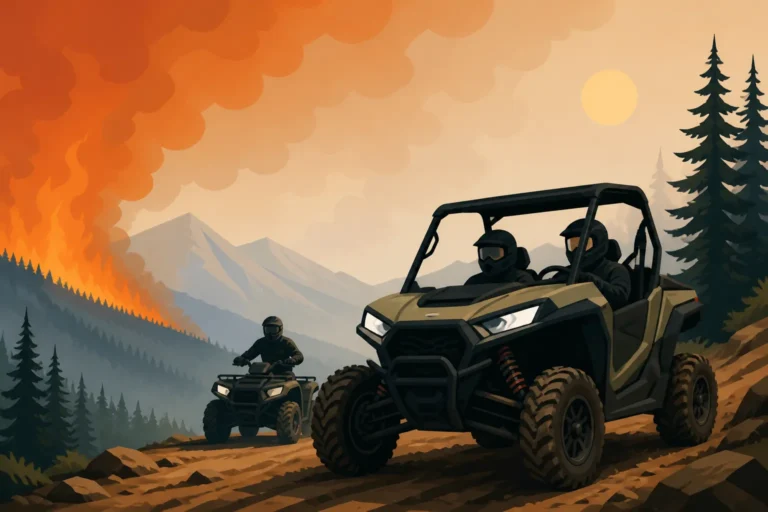
Safety is paramount, and the Forest Service, in conjunction with state laws, has specific requirements for OHV equipment. A critical component for any machine operating on public lands, particularly in dry areas, is a U.S. Forest Service approved spark arrester. This device prevents hot carbon particles from escaping your exhaust and potentially igniting dry grasses or leaves, which could spark a devastating wildfire. If your machine doesn't have one, or if it's not in good working order, you could face a significant fine and be ordered off the trail. Many aftermarket exhaust systems come with spark arresters, but always double-check. [Spark Arrester Rules on Public Land] delves deeper into this essential requirement.
Beyond spark arresters, helmets are a big one, especially for younger riders. In Montana, all riders under the age of 18 are required to wear a helmet when operating an OHV. While adults might not be legally mandated to wear one on all types of roads, it's always a smart choice for safety, especially on rugged forest trails where unexpected obstacles or terrain changes are common. Eye protection is also highly recommended to shield against dust, debris, and branches. If you're looking to upgrade your machine with additional safety features, like reinforced roll cages or advanced lighting for better visibility on dusty roads, companies like SuperATV offer a variety of robust accessories designed for serious trail use.
Are Your Lights and Brakes Up to Snuff?
While Forest Service roads might not always demand full "street legal" status in the same way county roads do, certain basic equipment is still necessary for safe operation, particularly if you plan on riding during dawn, dusk, or in adverse weather. Headlights and taillights are crucial for visibility, both for you to see the trail and for others to see you. Many Forest Service roads are shared with logging trucks, hikers, and other recreational users, so being seen is a major safety factor.
Your brakes must also be in excellent working condition. Montana's terrain can be steep and challenging, with unexpected turns and obstacles. Reliable brakes are non-negotiable for maintaining control, especially when descending a long, loose gravel grade. It's a good habit to give your machine a quick pre-ride inspection, checking brake function, tire pressure, and ensuring all lights are working. For those who frequently ride in low-light conditions or want enhanced visibility, upgrading to brighter LED lights or adding auxiliary light bars, readily available from retailers like SuperATV, can significantly improve your safety margin. Remember, a machine that's road-legal for a state highway has extra requirements, but even for Forest Service roads, basic functionality of lights and brakes is a must. [What Montana Requires on an OHV Road Ride] gives a good overview of general road riding requirements.
Common Challenges and Smart Practices on Forest Roads
Even with a thorough understanding of the MVUM and all the necessary gear, riding on Montana's Forest Service roads can present unique challenges. From navigating private lands embedded within the forest to dealing with unpredictable weather, being prepared for the unexpected is part of the adventure. Knowing how to handle these situations not only makes your ride smoother but also ensures you're a responsible visitor to these beautiful public lands.
Riding in the backcountry means being self-sufficient and adaptable. Cell service is often nonexistent, help can be hours away, and conditions can change rapidly. Embracing a mindset of preparedness will help you overcome these hurdles and have a more fulfilling experience.
Private Inholdings and Right-of-Way
One of the most common pitfalls for riders on Forest Service lands is encountering private property. Many national forests contain "private inholdings" – parcels of private land completely surrounded by public land. While a Forest Service road might pass through or near these private lands, you absolutely do not have the right to ride off the designated public route onto private property without explicit permission from the landowner. Trespassing is a serious offense, and Montana landowners are often very protective of their property. Signs like "No Trespassing" or "Private Property" should be respected immediately.
Sometimes, a Forest Service road itself might cross a small section of private land, but you usually have a public easement or right-of-way to stay on the road. The key is to stay on the marked route. If you see fences, gates, or "No Trespassing" signs adjacent to the road, do not deviate. Respecting private property boundaries is crucial for maintaining good relationships between public land users and private landowners. Always be aware of your surroundings and consult your MVUM, which often indicates private land boundaries, to avoid accidental trespass.
Seasonal Closures and Weather Impacts
We've touched on seasonal closures, but it bears repeating: Montana weather is notoriously unpredictable and can significantly impact trail conditions and access. A clear, sunny morning can turn into a torrential downpour by afternoon, making a previously passable road a muddy, rutted mess. Similarly, early season rides can mean encountering lingering snowdrifts at higher elevations, even on routes technically "open" for the season. [Trail Conditions After Snowmelt] is an excellent resource for understanding these dynamics.
Always check local weather forecasts and current trail conditions before you head out. Call the local ranger district office if you have questions about specific routes. Respecting seasonal closures, especially those designed to protect roads and trails from damage during wet periods, helps preserve these resources for everyone. Riding on a muddy, soft trail not only causes significant erosion and damage but also makes it less enjoyable for subsequent users. If you encounter unexpectedly bad conditions, it's always best to turn around. No ride is worth destroying a trail or risking a dangerous stuck situation.
Enforcement and Penalties on Forest Lands
It's easy to feel like you're alone out there in the vastness of Montana's national forests, but law enforcement is present, and they do patrol these areas. Forest Service rangers, county sheriffs, and state game wardens all have the authority to enforce OHV regulations. Penalties for violations can range from monetary fines to impoundment of your machine, and in severe cases, even criminal charges, particularly for repeated offenses or significant resource damage. [Montana Fines for Illegal Road Riding] gives examples of potential costs.
Common violations include riding off designated routes, operating an unregistered machine, failing to have a spark arrester, or disregarding seasonal closures. Beyond the legal consequences, there's also the moral responsibility to protect the land. Unpermitted riding, especially in sensitive areas, can lead to erosion, spread invasive species, and disturb wildlife. When you're out there, remember you're an ambassador for the OHV community. A little respect for the rules goes a long way in ensuring continued access for all.
Embracing Responsible Riding in Montana's National Forests
Riding an ATV or UTV in Montana's national forests is a privilege, not a right. By adopting a mindset of responsible recreation, we can help ensure these incredible landscapes remain open and accessible for future generations of riders, hikers, hunters, and all other public land users. This goes beyond simply following the rules; it's about actively minimizing your impact and being a good steward of the land.
The beauty of Montana's backcountry is fragile, and it's up to each of us to do our part to protect it. Every decision we make on the trail, from how we ride to what we pack out, has an impact. Let's make sure that impact is a positive one.
Tread Lightly: Protecting Montana's Natural Beauty
The "Tread Lightly!" principles are an excellent framework for responsible motorized recreation, and they apply perfectly to riding on Forest Service roads in Montana. These principles encourage us to:
- Travel and recreate with minimum impact: Stay on designated roads and trails. Avoid sensitive areas like meadows, wetlands, or stream banks.
- Respect the rights of others: Be courteous to other trail users, including hikers, mountain bikers, and horseback riders. Reduce your speed and give them plenty of space.
- Educate yourself: Understand the rules and regulations specific to the area you're visiting.
- Avoid sensitive areas: Protect stream banks, lake shores, and wetlands.
- Do your part: Pack out what you pack in, and help maintain trails.
By adhering to these simple guidelines, you're not just avoiding a ticket; you're actively contributing to the preservation of Montana's natural heritage. This includes things like being mindful of noise levels, especially when riding near residential areas or campgrounds, and ensuring your machine is properly tuned to minimize emissions.
Wildlife Encounters and Bear Safety
Montana is grizzly country, and encountering wildlife on Forest Service roads is not uncommon. From elk and deer to bears and moose, these animals call the forest home. Always give wildlife a wide berth; never approach or try to feed them. If you see a bear, make noise, make yourself look big, and slowly back away. Carrying [Bear Spray on an OHV] is highly recommended, and knowing how to use it is even more important. Keep it accessible, not buried in a storage box.
Be especially vigilant during dawn and dusk, when many animals are most active. Slow down around blind corners and through dense vegetation. Hitting an animal, especially a large one like an elk or moose, can be devastating for both you and the animal. Respecting their space and habitat is crucial. Remember, you are a visitor in their home, and ensuring minimal disturbance to wildlife populations is part of being a responsible rider.
Leaving No Trace: Packing it Out
The "Leave No Trace" principle is simple: whatever you bring into the backcountry, you pack out. This includes all trash, food scraps, and anything else you generate during your ride. Don't leave anything behind, not even biodegradable items like fruit peels, as they take a long time to decompose and can attract wildlife.
Beyond your own trash, if you see litter left by others, consider packing it out if you have space. A small act of kindness for the environment can make a big difference. This also extends to how you handle your machine; avoid fluid leaks, and if you have a breakdown, ensure any broken parts or debris are collected. Keeping our Forest Service roads and trails clean and pristine ensures that future generations can enjoy the same wild beauty that drew us there in the first place.
Disclaimer
This article is for general informational purposes only and does not constitute professional advice. Laws, prices and regulations vary by location and change over time. Consult a qualified professional for guidance on your specific situation.