Montana Gas Stations That Serve Riders
One of the biggest anxieties for any ATV or UTV rider hitting the trails in Montana is undoubtedly fuel. You're out there, miles from civilization, having the time of your life, and suddenly that fuel gauge starts looking a little too low for comfort. It's a real worry, especially in a state as vast and wild as Montana, where gas stations aren't exactly on every corner. This guide is all about helping you understand how to approach fueling your machine in Big Sky Country, covering everything from road legality to carrying extra gas, so you can focus on the adventure.
Navigating Fuel Stops: Road Legality and Access for OHVs
Hitting the trails in Montana is an unparalleled experience, but eventually, your machine will get thirsty. The big question then becomes: how do you get it to a gas station? This isn't as straightforward as it is with your truck, especially given Montana's specific rules around off-highway vehicle (OHV) use on public roads. Understanding these rules is crucial for safe and legal fueling.
Understanding Montana's Road Access Rules for OHVs
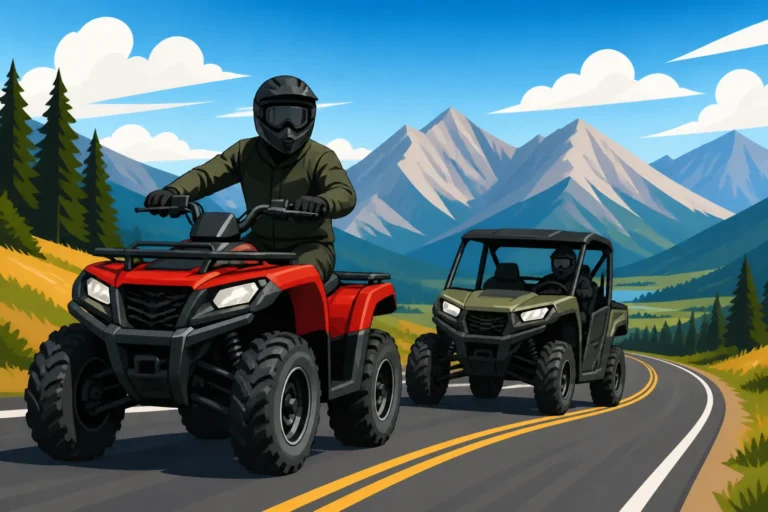
First things first, let's clear up a common misconception: you generally can't just ride your ATV or UTV on any public road in Montana. The state's default rule is that OHVs are designed for off-road use. However, there are significant exceptions, and these are your golden tickets to getting to the gas station directly on your machine. Many counties and towns across Montana have passed ordinances that do allow OHVs on certain county roads or even town streets. This is often done to facilitate access from lodging or trailheads to services like, you guessed it, gas stations.
These local ordinances are critical. You might find yourself in a small trail town, like Lincoln or Seeley Lake, where OHVs are a common sight on Main Street, openly allowed to travel to restaurants, hotels, and yes, the local gas pump. In these areas, provided your machine meets the necessary safety equipment requirements – things like headlights, taillights, mirrors, and a horn – you can often ride straight to the station. However, crossing major highways (like U.S. routes or interstates) is usually restricted to designated crossings only, and riding on them is almost always forbidden. The specifics can vary greatly from one jurisdiction to another, so it’s never a bad idea to check the local ordinances for any area you plan to ride. For a deeper dive into the ins and outs, check out [Riding an OHV on the Road in Montana] to get a clearer picture of what's permitted.
Planning Your Fuel Stops Around Designated Routes
Because of these varying rules, smart riders don't leave their fuel strategy to chance. Planning is paramount. Before you even load up your machine, you should be consulting Motor Vehicle Use Maps (MVUMs) for National Forests and checking local county and town websites for OHV ordinances. Many popular trail systems in Montana have sections that link up with small towns that do permit OHV street access, making direct fuel-ups possible. Imagine finishing a long loop in the Lolo National Forest and being able to ride directly into a place like Seeley Lake for gas, a burger, and a cold drink without having to load your machine back onto a trailer. It’s incredibly convenient when it works out.
The flip side, however, is that Montana is big. Distances between towns, and therefore between gas stations, can be immense, especially in the more remote eastern plains or high mountain passes. You can't assume there will be a gas station just around the bend. If you’re exploring areas without direct OHV access to services, or if you're not sure about the road rules, you'll need a backup plan. This is where carrying auxiliary fuel becomes not just a convenience, but a necessity, which we'll discuss more shortly. Always keep in mind [What Montana Requires on an OHV Road Ride] if you do plan to venture onto pavement to get to a pump.
Strategies for Fueling Your OHV in Montana
Knowing where you can ride to a gas station is only half the battle. The other half is understanding the best methods for actually fueling your machine, whether that involves a trailer, riding directly to the pump, or carrying extra gas. Each strategy has its place depending on your ride, location, and the rules of the road.
The Conventional Method: Trailering to Town
For most riders exploring Montana's vast backcountry, trailering your ATV or UTV to the nearest town with services, or even just for a dedicated fuel run, remains the most common and often most practical approach. This strategy bypasses all concerns about OHV road legality, safety equipment, or navigating traffic. You simply load your machine back onto your truck or toy hauler, drive to the nearest gas station, fill up your machine's tank (and any spare fuel cans you have), and then head back to the trailhead or camp.
This method is especially prevalent when you're staging deep in a National Forest or on Bureau of Land Management (BLM) land, far from any towns that might allow OHV access on their streets. It's also the safest option if you're not entirely confident about the local road ordinances or if your machine isn't fully equipped for street legality. Many riders will even carry large auxiliary fuel tanks in the bed of their truck, allowing them to refill their machines several times over a long weekend without having to leave the trailhead. This flexibility is key to enjoying Montana's more remote riding opportunities.
Riding to the Pump: What to Expect and How to Prepare
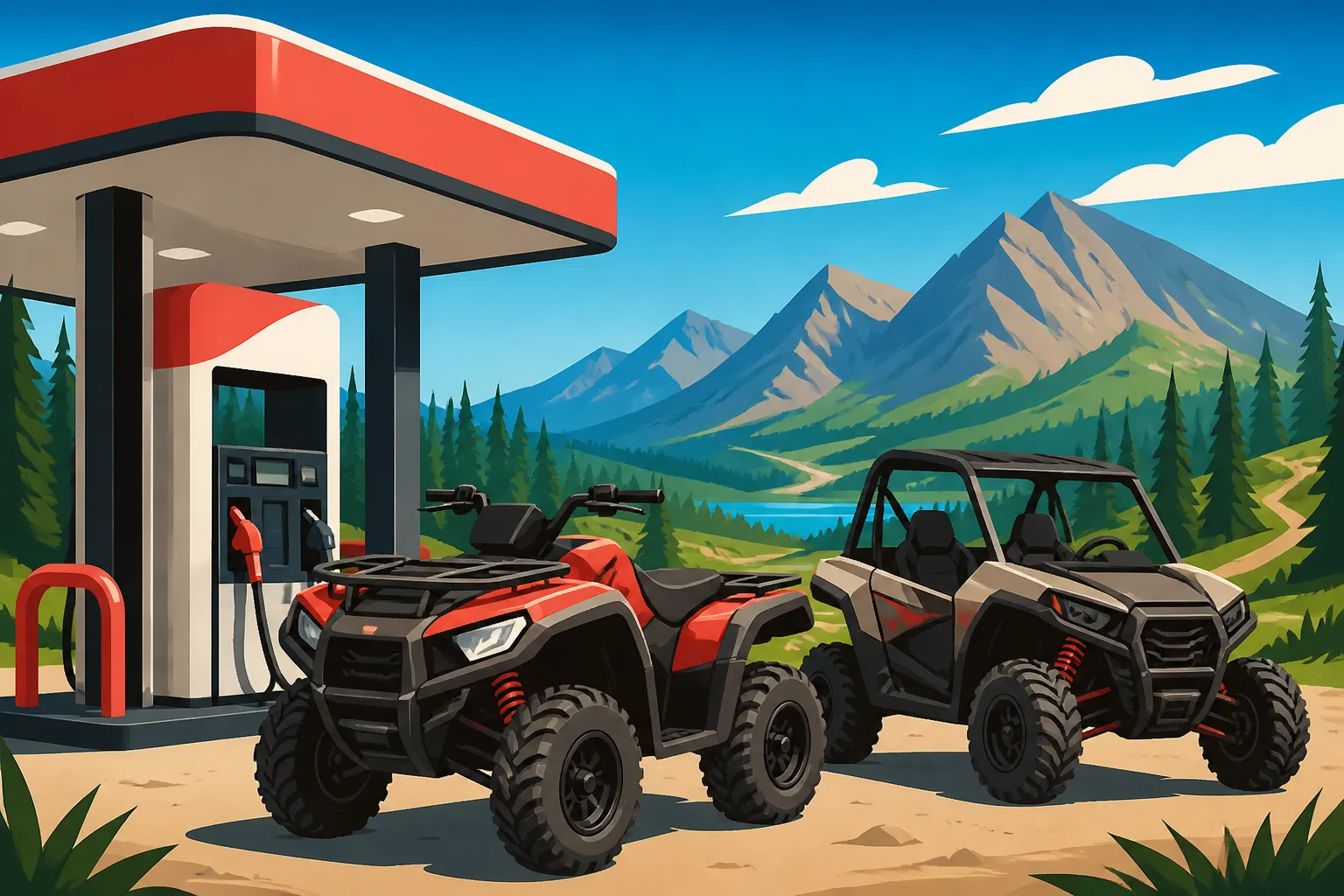
If you're fortunate enough to be riding in an area where local ordinances permit OHVs on specific roads and town streets, riding directly to the gas pump is incredibly convenient. When you pull up to the pump on your ATV or side-by-side, treat it just like you would any other vehicle. Park courteously, ensuring you don't block access for other vehicles. Smaller machines might even fit neatly out of the way, taking up less space than a typical car.
When it comes to the fuel itself, most ATVs and UTVs run perfectly fine on regular unleaded gasoline. However, always double-check your owner's manual for your specific machine's recommendations. Some high-performance models might suggest premium fuel, though it's less common for typical trail machines. One crucial thing to remember is to always have your registration and proof of insurance with you, especially if you're riding on public roads. A local sheriff or Fish, Wildlife & Parks warden might pull you over to check your compliance, and having your paperwork easily accessible is important. For more on what to have on hand, read [Keeping Registration Papers on the Machine] and [What a Montana Warden Asks a Rider For]. Smaller gas stations in trail towns are often very accustomed to seeing OHVs at their pumps, so don't be shy. You're a part of the local economy!
Carrying Auxiliary Fuel: Extending Your Range
No matter how you plan your trip, carrying auxiliary fuel is a wise decision for any serious Montana OHV rider. This strategy offers peace of mind and allows you to explore further, especially when you're venturing into areas with few or no services. Imagine tackling a long-distance loop or a multi-day trip where the nearest gas station is 50 or 60 miles away. Having an extra gallon or two strapped securely to your machine can be the difference between making it back to camp and calling for an expensive rescue.
There are many excellent options for carrying fuel safely. Popular choices include Rotopax containers, which are durable, leak-proof, and designed to mount securely to racks or beds on ATVs and UTVs. Traditional jerry cans are also viable, provided they are securely strapped down and away from hot exhaust components. Companies like SuperATV offer a range of accessories, from sturdy cargo boxes to specialized fuel pack mounts, that help integrate extra fuel storage seamlessly with your machine. These solutions ensure your fuel is stable, protected from the elements, and won't slosh around on rough terrain. Always prioritize safety when transporting fuel; ensure containers are properly sealed, vented, and stored away from ignition sources. This foresight can literally save your ride.
Finding OHV-Friendly Gas Stations and Amenities
Montana’s OHV community is robust, and many towns and businesses recognize the economic boost that riders bring. Knowing which places welcome OHVs and offer more than just a pump can significantly enhance your riding experience.
Identifying Rider-Friendly Towns and Businesses
In Montana, certain towns have truly embraced the OHV culture, often because their economy benefits directly from it. These are typically smaller communities located near popular trail networks. Think of places like West Yellowstone, the gateway to some incredible riding near the national park, or Red Lodge, nestled at the base of the Beartooth Mountains. Other notable mentions include Lincoln, Seeley Lake, Ovando, and Philipsburg, all of which have a strong connection to outdoor recreation. In these towns, you'll often see other ATVs and UTVs legally parked on the streets, local businesses displaying "rider welcome" signs, and sometimes even trail maps available at the gas station or convenience store. These are the places where fueling up becomes part of the adventure, not a logistical nightmare.
When you're rolling into a town like this, the gas station usually isn't just a place to fill up; it's a hub. It might be where you grab a cold drink, an ice cream, or even a basic trail snack. Some of these more rider-centric establishments might even offer amenities like coin-operated wash-down stations for muddy machines, or air compressors for airing up tires after a rough section of trail. Knowing which towns are truly OHV-friendly can make a huge difference in planning your routes and ensuring a smoother, more enjoyable trip. For instance, both [Riding an OHV Into West Yellowstone] and [OHV Access on Red Lodge Streets] dive into specific examples of how these towns cater to riders.
Beyond Fuel: Other Services Riders Appreciate
While getting fuel is the primary goal, OHV-friendly gas stations often provide a host of other services that riders truly appreciate after hours on the trail. Convenience stores are a given, offering everything from snacks and cold beverages to much-needed coffee. Imagine coming off a dusty trail, pulling up to the pump, filling your tank, and then stepping inside for a giant bag of chips and a frosty soda – it’s a simple pleasure, but a powerful one.
Beyond sustenance, these stops often provide clean restrooms, which are invaluable on a long riding day. Some might even stock basic repair items like tire plugs, engine oil, or small tools, which can be lifesavers if you're experiencing minor mechanical issues far from a full-service shop. If you're traveling with a toy hauler, you might even find propane refills for your camper. And don't underestimate the value of local knowledge: the staff at these gas stations often live and work in the area, meaning they can be a great source for up-to-date information on trail conditions, recent closures, or even the best local eatery. This local intel can be priceless, helping you navigate unexpected situations or discover hidden gems.
Planning with Apps and Maps
In today's digital age, planning your fuel stops is easier than ever, but it still requires a strategic approach, especially in Montana's vast landscapes. Mapping applications like onX Offroad are invaluable tools for OHV riders. These apps not only show you detailed trail systems but also highlight points of interest, including gas stations, restaurants, and lodging. By layering trail maps with service locations, you can meticulously plan your route to ensure you hit a fuel stop exactly when you need it.
However, relying solely on technology in the Montana backcountry can be risky. Cell service is notoriously spotty or non-existent in many remote areas. That's why it's always a good idea to supplement your digital planning with old-fashioned paper maps. Mark potential fuel stops on a physical map before you leave, noting distances and estimated fuel consumption. Better yet, call ahead to smaller, seasonal gas stations in advance, especially if you're riding during the shoulder seasons, to confirm their operating hours. This dual approach ensures that even if your phone dies or you lose signal, you'll still have a clear plan for getting fuel and staying safe. Remember, preparation is key when venturing into the wild, so check [Checking Montana Trail Status Before You Drive] and [Cell Service in the Montana Backcountry] for more planning advice.
| Fueling Strategy | Pros | Cons | Best Use Case |
|---|---|---|---|
| Trailering to Town | Always legal, safe, no OHV road concerns | Requires loading/unloading, takes time | Remote trailheads, areas with strict road rules |
| Riding to the Pump | Convenient, immediate, fun | Requires OHV road-legal setup, limited areas | Towns with OHV ordinances, short trips for fuel |
| Carrying Auxiliary | Extends range, peace of mind, flexibility | Requires secure storage, weight on machine | Long rides, remote exploration, emergency backup |
Disclaimer
This article is for general informational purposes only and does not constitute professional advice. Laws, prices and regulations vary by location and change over time. Consult a qualified professional for guidance on your specific situation.