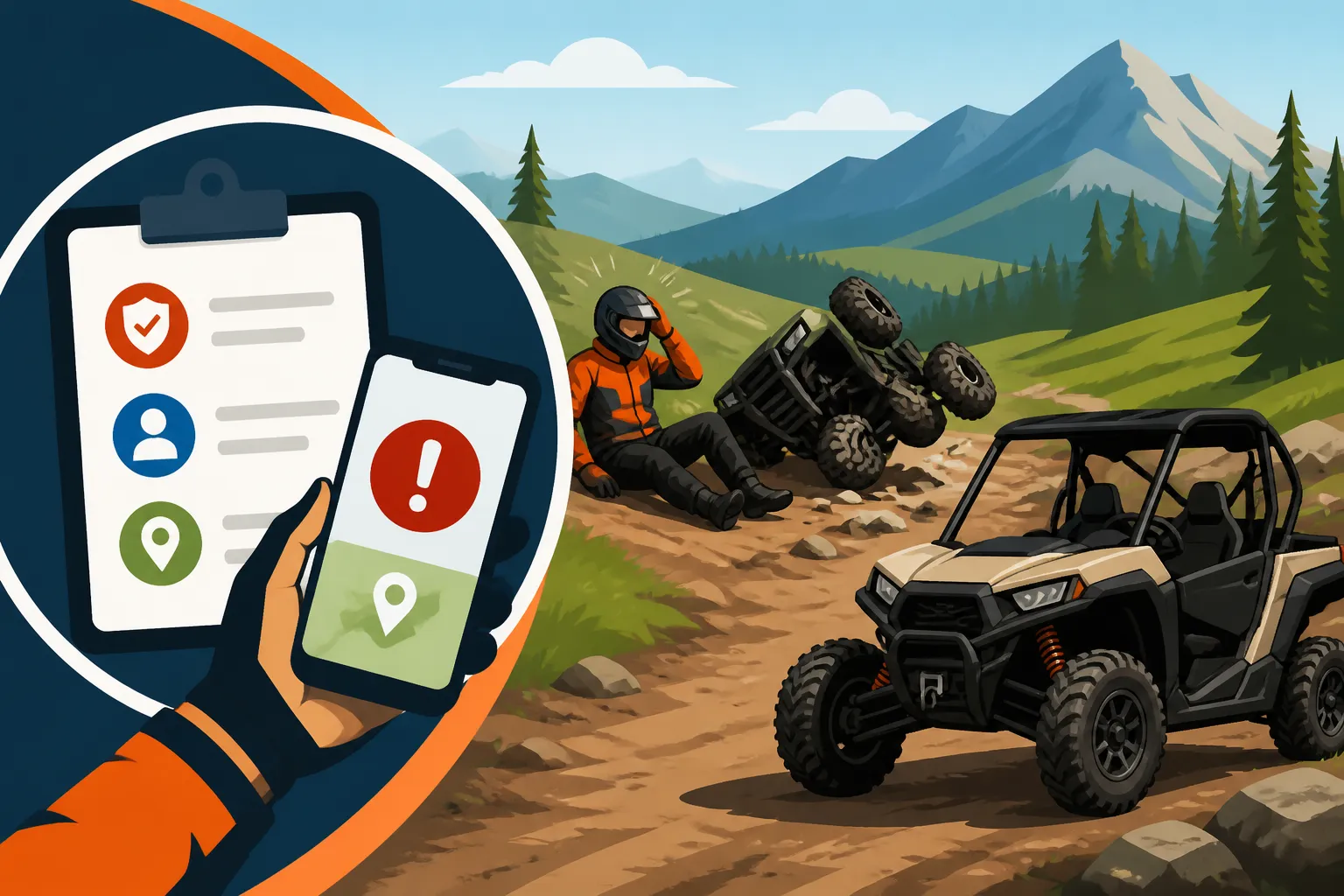
Montana OHV Accident Reporting Rules
Riding the wide-open spaces and challenging trails of Montana on your ATV or UTV is an absolute dream for many, but even the most cautious riders can find themselves in an unexpected situation. When an accident happens, the adrenaline can be overwhelming, leaving you shaken and unsure of what to do next, especially when it comes to the legalities of reporting. This guide is here to cut through the confusion and walk you through Montana's essential rules for reporting an OHV accident, ensuring you're prepared if the unthinkable occurs.
Understanding Montana's Legal Requirements for Accident Reporting
When you're out exploring Montana's incredible landscapes on your ATV or UTV, the last thing you want to think about is an accident. Yet, knowing when and how to report an incident isn't just a good idea; it's often a legal requirement. The state has clear guidelines that dictate whether an OHV accident needs to be reported to law enforcement, and understanding these can save you a lot of grief and potential legal headaches down the road. It's not always about fault; sometimes, it's simply about meeting your obligations as a responsible rider.
Defining "Reportable" Incidents: Injury, Death, and Property Damage
Montana statutes are pretty straightforward about what makes an OHV accident "reportable." Generally, if an accident involves any of the following, you're looking at a mandatory report: a death, an injury to any person requiring professional medical treatment beyond basic first aid, or property damage exceeding a certain monetary threshold. This isn't just for accidents involving other vehicles; it applies to single-vehicle incidents too, like rolling your side-by-side or hitting a tree. The state wants to ensure accurate records for safety analysis and, of course, to facilitate legal and insurance processes. For example, if your riding buddy takes a spill and clearly breaks an arm, that's a reportable injury. If someone is tragically killed, a report is absolutely critical. Even if it's just your own machine, and it's severely damaged, you're likely in reporting territory.
It’s easy to think, "Oh, it's just a fender bender on the trail," but the "injury" part is key. If someone gets knocked around but insists they're fine, only to complain of whiplash days later, you'll wish you had reported it from the start. Better safe than sorry when it comes to documenting potential bodily harm. Remember, that initial jolt of adrenaline can mask pain, so encourage anyone involved to get checked out.
The Specifics of Property Damage Thresholds
The property damage threshold is where things can get a little fuzzy for many riders, and it's also where you might be tempted to just "handle it yourselves." However, Montana law specifies a dollar amount that, if exceeded, triggers a mandatory accident report. This amount can shift over time, so it's always wise to check the current figures from the Montana Highway Patrol or your local Sheriff's Office. Historically, if the aggregate damage to all property (including your machine, the other machine, or even state-owned trail markers or fences) goes above a certain value, you need to report it. Let's say you're navigating a tight turn on a rocky trail and misjudge it, scraping the side of your UTV and dinging a parked ATV. If the estimated repairs for both machines combined exceed that magic number, you're legally obligated to report it.
This threshold isn't just about the visible dents and scratches; it includes potential mechanical damage that might not be obvious at first glance. A bent frame, a damaged axle, or a compromised suspension system can quickly rack up repair costs, especially with today's advanced machines. Even if you think it's a minor scrape, the cost of parts and labor from a reputable shop can quickly push you over the reporting limit. Always err on the side of caution and consider the potential cost of repairs fully before deciding to skip a report.
What to Do When a Collision Involves Unregistered Machines or Hit-and-Run
Accidents sometimes involve complexities that go beyond a simple collision. What if you're involved in an incident with a machine that appears to be unregistered, or worse, the other party simply takes off? These situations present their own set of challenges, but the core principle remains: protect yourself. If you suspect an unregistered machine, or if the other operator flees the scene, it's absolutely crucial to contact law enforcement immediately. Don't try to chase them down or confront them. Your priority is safety and gathering as much information as possible from a safe distance.
In a hit-and-run scenario, try to note down any identifying details about the machine and the rider: make, model, color, any unique decals, direction of travel, and a description of the rider. This information, however minimal, can be invaluable to law enforcement. Even without a direct interaction with the other party, documenting the incident with authorities is vital for your own insurance claims and to avoid potential liability for damage that wasn't your fault. Remember, if you get caught riding an unregistered machine, there can be [Fines for an Unregistered Machine in Montana], which can further complicate an accident. Always do your part to report the incident, even if the other party doesn't.
Step-by-Step Guide to Reporting an OHV Accident
The moments right after an OHV accident can be chaotic and confusing. Taking a deep breath and following a structured approach can make a huge difference in managing the situation effectively and ensuring you meet all your reporting obligations. It's not just about compliance; it's about protecting yourself, your passengers, and your investment in your machine. Having a plan in place, even a mental one, can provide a sense of calm when things go sideways.
Immediate Actions at the Scene of an OHV Accident
Your first priority after any accident is always safety. Check for injuries to yourself and anyone else involved. If there are serious injuries, call 911 immediately. Administer first aid if you're trained, but do not move anyone with suspected head, neck, or spinal injuries unless absolutely necessary to prevent further harm. Once immediate medical needs are addressed, secure the scene. If possible and safe, move your machines to a safe spot off the main trail or road to prevent further collisions. Turn off engines and activate hazard lights if your machine has them.
Next, gather information. This is critical.
Start by taking photos and videos of everything: the scene from multiple angles, damage to all vehicles, any skid marks, trail conditions, relevant landmarks, and injuries. Exchange information with other parties involved: names, contact numbers, addresses, insurance details, and OHV registration numbers. Don't admit fault or engage in arguments. Stick to the facts. If there were witnesses, get their contact information too. This diligent collection of evidence will be invaluable later for your report and any potential [Montana OHV Injury Claims After a Crash] or property damage claims.
| Information to Collect at the Scene | Details to Record |
|---|---|
| Date & Time | Specific date and exact time of the accident |
| Location | Precise location (GPS coordinates, nearest trail marker, road name, landmarks) |
| Parties Involved | Names, contact info, addresses, insurance info, OHV registration numbers for all operators and passengers |
| Witnesses | Names, contact info, statements from anyone who saw the accident |
| Vehicle Information | Make, model, year, VIN/serial number, license/registration plate, damage description for all OHVs involved |
| Injuries | Description of injuries to all persons, whether emergency services were called, hospital transport details |
| Property Damage | Description of damage to OHVs, other property (e.g., fences, signs), photos of all damage |
| Contributing Factors | Weather conditions, trail conditions, lighting, visibility, estimated speeds, any observations about other drivers |
| Law Enforcement | Agency, officer's name, badge number, incident report number (if available) |
Who to Contact and What Information You Need to Share
After tending to immediate needs and gathering initial information at the scene, the next step is to officially report the accident to the proper authorities. In Montana, this generally means contacting your local Sheriff's Office, the Montana Highway Patrol, or, if you're on public lands managed by Fish, Wildlife & Parks (FWP) or the Forest Service, a game warden or Forest Service law enforcement officer. The specific agency will depend on where the accident occurred. For instance, an incident on a county road might go to the Sheriff or Highway Patrol, while a crash deep in the national forest could involve FWP or Forest Service law enforcement. [Sheriff Enforcement on Montana Back Roads] is common.
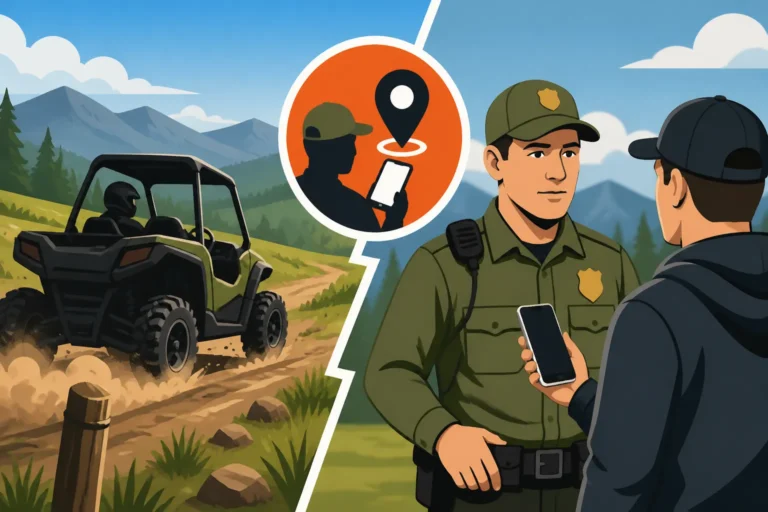
When you contact them, be prepared to provide a concise and factual account of what happened. You'll need to share all the information you collected at the scene: names of those involved, contact details, vehicle information (including VINs and registration numbers), a description of injuries and property damage, and the exact location of the accident. It's helpful to have a [What a Montana Warden Asks a Rider For] in mind to ensure you're ready with the necessary details. Be cooperative and honest, but remember, you're not obligated to speculate or admit fault. Stick to the facts of the incident as you observed them. They will conduct their own investigation.
Documentation and Evidence Gathering for Your Report
The reporting process doesn't end with a phone call; thorough documentation is your best friend. Beyond the initial photos and contact info, you'll want to keep an organized file of everything related to the accident. This includes the incident report number from law enforcement, any medical records for injuries sustained, repair estimates for your machine, and communication logs with insurance companies. If you've modified your OHV, especially with aftermarket parts, having receipts for those parts from reputable manufacturers, like SuperATV, can be helpful if your insurance company needs to assess replacement value or repair costs.
A detailed written account of the accident, from your perspective, should be drafted as soon as possible after the event, while the details are still fresh in your mind. Include dates, times, and specific sequences of events. If you had to replace parts, keep track of all the invoices. This meticulous record-keeping is vital for navigating insurance claims, protecting yourself from potential liability, and if necessary, pursuing any legal action. It ensures that you have a clear, consistent story supported by evidence, which can be crucial months down the line when memories fade or disputes arise.
The Critical Role of Accident Reports for Your Future
An official accident report isn't just a bureaucratic hurdle; it's a fundamental piece of documentation that can significantly impact your legal standing, financial recovery, and even contribute to broader safety improvements for the entire OHV community. Skipping a report might seem like an easy way to avoid hassle in the moment, but it can open the door to far greater problems down the road. This report serves as an impartial record of the event, which becomes foundational for almost everything that follows.
Navigating Insurance Claims and Personal Liability
Imagine this: you've had a minor fender bender on the trail, everyone seems okay, and you decide to just shake hands and go your separate ways. A week later, the other rider contacts you, claiming severe back pain and demanding that you pay for their medical bills and a new side-by-side. Without an official accident report, you're in a much weaker position. An official report provides a documented account of the incident, which is usually a prerequisite for filing any insurance claim. Your insurance company will likely ask for it, and without it, they might deny or delay your claim for damages to your machine or any liability claims against you. This is why having [Montana Liability Insurance for Riders] is so important, and why you need that report to utilize it.
The report helps establish the facts, identifies who was involved, and documents the initial assessment of damages and injuries. This can be crucial in determining who is at fault and, consequently, whose insurance will cover what. Without a report, it becomes a "he said, she said" situation, which is notoriously difficult to resolve. It protects you from exaggerated claims or claims that are entirely fabricated after the fact. It can also be vital in cases of [Who Pays After a Montana OHV Collision], offering a solid starting point for negotiations and settlements.
Avoiding Further Legal Complications
Beyond insurance, an official accident report can be a bulwark against future legal complications. If an injury is more severe than initially thought, or if property damage disputes arise, that report is your primary piece of evidence. Without it, you could face legal action with very little to back up your version of events. In Montana, if an accident involves significant injury or death, a failure to report could even lead to criminal charges, separate from any civil liabilities. Even if the accident seems minor, there's always the potential for it to escalate.
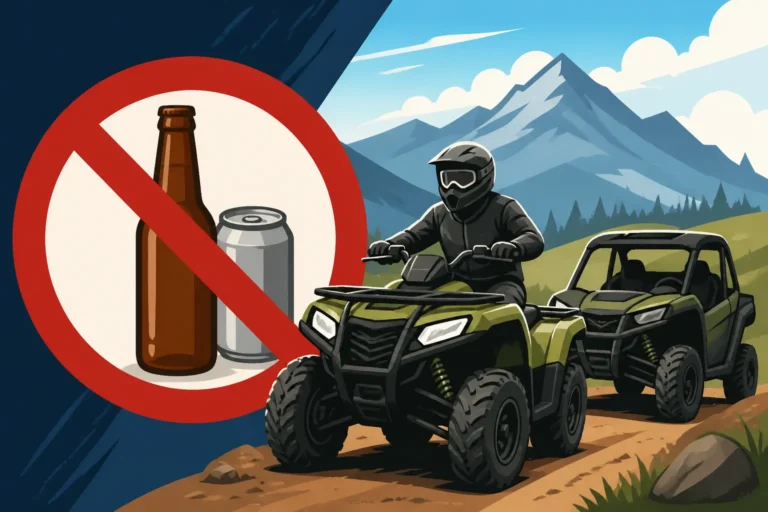
Furthermore, if the accident involved any behaviors like reckless riding or impairment, the report helps law enforcement take appropriate action. For instance, if someone was operating an OHV under the influence, reporting the accident can lead to charges like [A DUI on an OHV in Montana], which protects other riders and holds individuals accountable. A properly filed report also prevents situations where you might unknowingly violate reporting laws, which themselves carry penalties. In essence, the report acts as a legal timestamp and factual summary, minimizing ambiguity and helping to ensure due process for all parties involved.
Contributing to OHV Safety Data and Infrastructure
While you might be focused on your immediate situation, every accident report contributes to a larger picture: improving OHV safety across Montana. Accident data collected from these reports helps state agencies, like Montana Fish, Wildlife & Parks, understand common causes of accidents, identify dangerous areas, and recognize patterns in injuries or vehicle damage. This information is invaluable for developing targeted safety campaigns, improving rider education programs, and making informed decisions about trail maintenance and new infrastructure projects.
For example, if reports consistently show accidents at a particular blind curve on a popular trail, agencies might install warning signs, modify the trail, or even implement specific speed limits. This data also informs manufacturers about potential design flaws or areas where vehicle durability needs improvement. By filing an accurate report, you're not just looking out for yourself; you're playing a small but important role in making Montana's OHV trails safer for everyone, from experienced riders to families taking their first spin. It's a collective responsibility that ultimately benefits the entire riding community.
Disclaimer
This article is for general informational purposes only and does not constitute professional advice. Laws, prices and regulations vary by location and change over time. Consult a qualified professional for guidance on your specific situation.