Best Month to Ride Montana High Country
Montana’s high-country ATV and UTV season can feel frustratingly hard to pin down: a trail may look dry in town while snow still blocks the route higher up. For most riders, late July through August offers the broadest chance of finding accessible mountain routes, but conditions vary by elevation, weather, and closures. This guide helps you choose a month and plan around the uncertainty.
The best month to ride Montana high country
Why late July and August are usually the strongest window
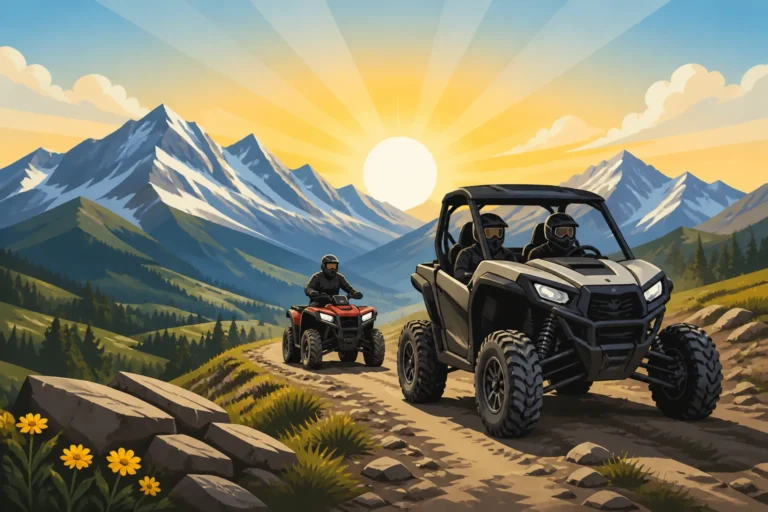
If you want one practical answer, aim for late July or August. By then, many high-elevation routes have had more time to shed snow and dry out than they have earlier in summer. That can make this period a better bet for riders hoping to explore mountain terrain rather than limiting the trip to lower, easier-to-reach roads.
It is still a window, not a promise. A snowy winter, a cool spring, or a stretch of unsettled weather can delay access. And “open” does not necessarily mean every spur or connecting trail is passable. In the Beartooth area, the Bridger Range, the Bangtail Divide, and the Little Belt Mountains, elevation and local conditions can change quickly from one route to the next. Check the route’s status before setting out, especially if your plan depends on reaching a high pass or completing a loop.
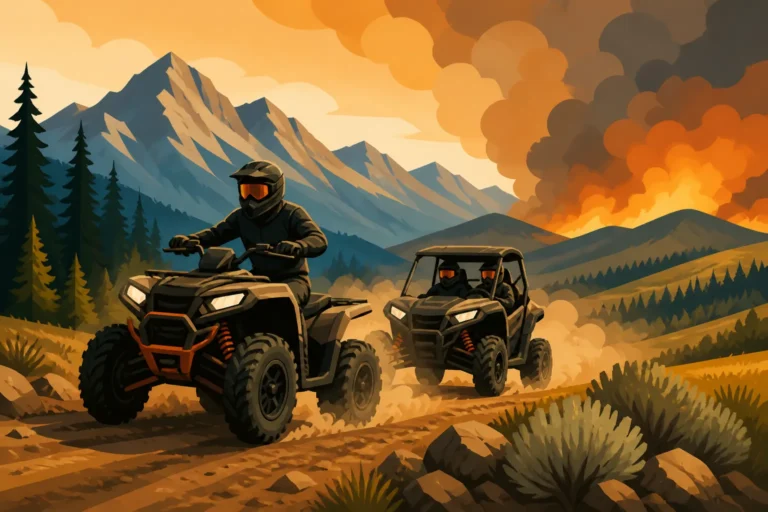
August often suits people who want to make the most of a longer trip: more potential route choices may be available, and lingering snow is less likely to be the main obstacle than it can be earlier in summer. But August can also bring smoke, afternoon storms, busy trailheads, and fire-related restrictions. If you prefer quieter riding, or want cooler weather, September can be appealing—provided the route is still open and conditions cooperate.
When another month may suit your ride better
A later start to summer does not mean there is nothing to ride in June or early July. Lower-elevation roads and trails may be accessible while higher ground remains snowy or muddy. That can work well if you are flexible about route choice and do not expect to reach the highest terrain. For a broader sense of seasonal timing, see [When Montana High-Country Trails Open] and [Montana Trails Open in June].
Early-season mud deserves special care. A route that is technically passable can still be soft enough for tires to leave deep ruts or damage the trail. If the ground is wet, turning around is often the better choice than pushing on and making the route worse. To help distinguish a promising early-season outing from a frustrating one, review [Trail Conditions After Snowmelt] and [Spring Mud and Montana Trail Damage].
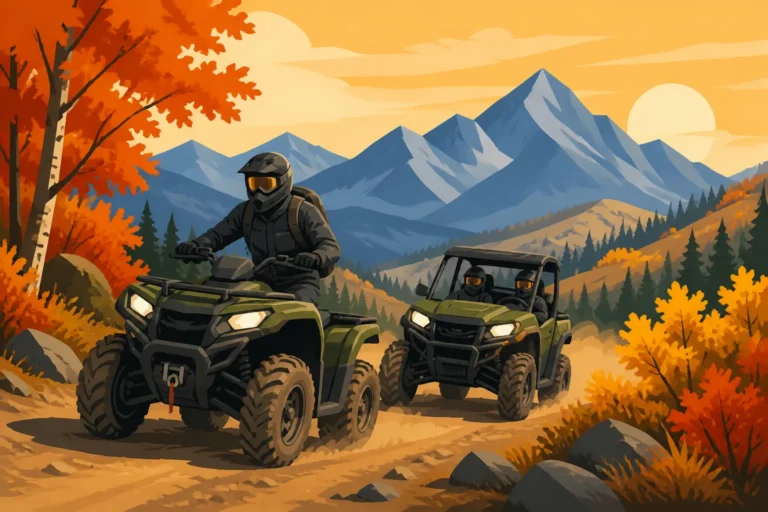
September can be a lovely month for a ride: temperatures may feel more comfortable, fall color begins to show in some areas, and the summer rush may ease. But shorter daylight, cold nights, early snow, and seasonal closures matter more as the month goes on. Check [Riding Montana Trails in September] when weighing a quieter trip against the risk of a shorter riding window.
How the season changes from June through September
A month-by-month planning comparison
The table below is a starting point for planning, not a trail-opening calendar. A warm, dry season can bring different conditions from a snowy or wet one, and nearby routes can behave differently at the same time.
| Month | What may work well | Common challenges | Best fit |
|---|---|---|---|
| June | Lower-elevation roads and routes where snow has cleared | Snow at higher elevations, wet ground, lingering closures | Flexible riders willing to change plans |
| Early July | Lower and mid-elevation outings as conditions improve | Snow or mud on high routes; uncertain connections | Riders building a trip around several route options |
| Late July | A stronger chance of access to higher terrain | Conditions still vary by elevation and recent weather | Riders hoping to reach mountain routes |
| August | Often the broadest summer planning window for high country | Smoke, storms, crowds, fire restrictions | Riders looking for a fuller summer riding itinerary |
| September | Cooler days, fall scenery, potentially quieter routes | Early snow, shorter daylight, seasonal closures | Prepared riders with flexible plans and an early start |
If you are deciding between early July and August, ask what matters most. If your priority is simply getting out for a ride, an earlier trip can work if you choose a lower route and keep a backup nearby. If your priority is reaching higher terrain, waiting until later in the summer may improve your odds—but you should still verify current access and trail conditions.
The [Best Month to Ride Montana High Country] question is also a question about what kind of experience you want. A family looking for an unhurried day on a manageable route may value cooler weather and a nearby turnaround point more than access to the highest elevation. A group planning a full-day mountain loop may care more about snowmelt, route connections, fuel planning, and daylight.
Match your route to the conditions, not just the calendar
Montana’s high country is not one uniform riding area. The Beartooth region, the Bridger Range near Bozeman, the Bangtail Divide, and parts of the Little Belt Mountains have different elevations, access points, and route characteristics. Even within one area, a sunny lower trailhead can lead toward a shaded stretch that holds snow or stays muddy longer.
Before choosing a route, think about the machine you are bringing and the trails it can legally and physically use. A wide side-by-side may not fit a narrow route, while a road that appears on a map may not be designated for motorized travel. Check the applicable [Montana Trails Rated for Full-Size Rigs] information when vehicle width could affect your options, and use the official Motor Vehicle Use Map for the forest or land area you plan to visit.
This is where a mapping tool such as onX Offroad can help you prepare: it can make it easier to organize route options and see how a planned ride fits together. Use it as a planning aid rather than a substitute for official land-manager information, posted signs, or closure notices. Before leaving, compare your intended route with [Finding a Forest's Motor Vehicle Use Map] and [Checking Montana Trail Status Before You Drive].
Plan a high-country ride without betting everything on one trail
Build a primary route and a realistic backup
A common planning mistake is choosing one ambitious route, booking the whole day around it, and assuming the trail will be clear. If snow, mud, a closure, or a vehicle-width restriction interrupts the plan, the group can end up scrambling for an alternative with poor cell service and limited daylight.
Instead, choose a main route and at least one backup in the same general area. Ideally, the backup should be shorter or lower in elevation, so you have somewhere sensible to go if the high route is not ready. For example, a group headed toward a mountain ride near Bozeman could identify a lower-elevation alternative before leaving town rather than trying to make a last-minute decision at a trailhead. Use onX Offroad to save and review the options, then confirm the routes are open and allowed for your machine.
Share the plan with someone who is not riding with you. Include your expected return time, the general area, and the vehicle you are taking. If the group gets delayed or loses cell service, that person will have useful information. In remote country, do not count on a phone map loading when you need it; carry an offline map or a paper backup and know how to use it.
Check access, weather, and daylight before departure
Check conditions close to your departure, not only when you first book the trip. A storm can change a route, and a fire-related closure can alter access even when the riding weather seems pleasant. Review current land-manager notices and posted information for the area, and follow signs on the ground if they differ from an older route plan.
Weather needs more attention in the mountains than a town forecast alone may suggest. Temperatures can drop at elevation, afternoon storms can develop, and visibility may change. Carry clothing for a cold or wet shift in conditions, even if the trailhead feels warm. If smoke is present, consider how it affects breathing, visibility, and whether the ride is worth the exposure for your group.
Plan your turnaround time before you start. High-country routes can take longer than expected because of rough surfaces, stops, route-finding, or slow travel through rocky sections. A late start can turn a manageable ride into a stressful one as daylight fades. For broader preparation, [Planning a Montana Riding Trip] can help you think through logistics, while [What to Carry on a Remote Montana Ride] covers the practical gear side.
Make the most of the riding window
Ride thoughtfully when trails are wet, busy, or smoky
The best month is not always the month with the most open ground; it is the month when the route, conditions, and your group’s experience line up. If the trail is saturated, avoid spinning tires or widening the track to get around a muddy section. If you encounter a closure, turn around rather than trying to route around it. Following restrictions helps protect trails and keeps access from becoming more difficult for everyone.
Busy summer weekends can also change the feel of a ride. A narrow route may be slower when you meet other users, and a crowded staging area can take extra time to navigate. Keep a conservative pace, leave room for other riders, and be prepared to wait at tight spots rather than forcing a pass. On dusty roads, leave enough distance to see clearly and avoid riding close behind another machine.
Smoke requires a personal judgment call. A route may remain open while conditions are uncomfortable or unhealthy for a particular rider. Consider the most vulnerable people in your group, including children and anyone with respiratory concerns. If visibility is poor or breathing feels difficult, shorten the ride or choose another day.
Use a flexible calendar rather than a fixed promise
For a high-country trip, late July or August is usually the most useful starting point when choosing dates. June and early July can reward flexible riders who are comfortable with lower routes and changing plans. September can be rewarding for cooler weather and fall scenery, but the shorter season makes it especially important to check access shortly before the ride.
If you are traveling a long distance, avoid making one high-elevation route the only reason for the trip. Leave room in the itinerary for a lower alternative, a shorter ride, or a rest day if conditions are poor. onX Offroad can help you keep alternate routes organized, but confirm each option against official maps and current notices before riding.
The simplest planning rule is to choose your month for the kind of ride you want, then let verified conditions decide the route. That approach cannot guarantee snow-free trails or perfect weather, but it can save you from driving to a closed trailhead or forcing a ride that the terrain is not ready for. A little flexibility is often what turns a uncertain mountain outing into a good day outside.
Disclaimer
This article is for general informational purposes only and does not constitute professional advice. Laws, prices and regulations vary by location and change over time. Consult a qualified professional for guidance on your specific situation.