Montana Alcohol Limit on an OHV
It's easy to get caught up in the thrill of exploring Montana's vast backcountry on your ATV or UTV. The open trails, the stunning views, and the sense of freedom can make you feel like you're a million miles from any rules. But a common and dangerous misconception is that "off-road" also means "off-the-hook" when it comes to things like alcohol. This guide is here to clear up any confusion about Montana's alcohol limits for operating an Off-Highway Vehicle (OHV) and help you understand the serious implications of impaired riding, ensuring your adventures stay safe and legal.
Understanding Montana's DUI Laws and OHVs
Many riders understandably think that because they're on a dirt trail, a Forest Service road, or even just a field, the same laws that apply to cars on paved highways don't quite reach them. That's a dangerous assumption, and one that can lead to severe consequences. When it comes to operating an OHV under the influence of alcohol or drugs, Montana takes it just as seriously as if you were driving your truck down the highway.
The Same Rules Apply: Impaired Driving on the Trail
The simple truth is, if you can drive it, you can get a DUI on it. Montana law is pretty clear that operating an OHV while impaired is illegal. This isn't just about public roads; it extends to public lands, designated OHV trails, and even unpaved county roads. A warden or sheriff's deputy patrolling our beautiful state's riding areas is fully empowered to stop you, assess your sobriety, and issue a citation or make an arrest for impaired driving on your ATV or UTV.
The frustration is real – you're out in nature, away from the daily grind, and maybe enjoying a cold one at camp. But the moment you put that machine in gear and head down a trail, you're operating a motorized vehicle, and all the responsibilities that come with that kick in. The dangers are amplified in the backcountry, too. Uneven terrain, unexpected obstacles, and the sheer remoteness mean that any lapse in judgment due to impairment can have catastrophic results, not just for you but for your passengers and anyone else on the trail. Just because you're out where the deer and the antelope play doesn't mean the law takes a holiday.
What "Impaired" Really Means in Montana
In Montana, the legal blood alcohol content (BAC) limit for operating a motor vehicle – which includes your ATV or UTV – is 0.08% for adults aged 21 and over. This is often referred to as the "per se" limit, meaning if your BAC is at or above this level, you are legally presumed to be impaired, regardless of whether you feel "fine" or not. For commercial drivers, this limit is even lower, at 0.04%. And if you're under 21, Montana has a zero-tolerance policy, meaning any detectable amount of alcohol can lead to a DUI.
It's also crucial to understand that you can still be charged with driving under the influence even if your BAC is below 0.08%. If an officer observes that your driving is impaired to any degree by alcohol, drugs, or a combination of both, you can still face charges. This means swerving, difficulty maintaining balance, slow reaction times, or any behavior that suggests you're not in full control of your machine can be used as evidence of impairment. Montana also has an "implied consent" law, which means that by operating a motor vehicle (including an OHV) on public lands, you've implicitly agreed to submit to a chemical test (like a breathalyzer, blood, or urine test) if a law enforcement officer has reasonable grounds to believe you're impaired. Refusing such a test can lead to immediate penalties, often more severe than those for the DUI itself. This isn't just some abstract legal concept; it's a very real part of what a Montana warden asks a rider for if they suspect impairment.
Consequences of an OHV DUI in Montana
Getting a DUI on an OHV in Montana isn't just an inconvenience; it can have serious immediate and long-term consequences that reach far beyond your day on the trail. People often assume an OHV DUI is somehow "lesser" than a car DUI, but that simply isn't the case in our state. The penalties are substantial and can truly impact your life.
Immediate Penalties: What Happens on the Spot
If a law enforcement officer, whether it's a local sheriff, a Fish, Wildlife & Parks (FWP) warden, or a Forest Service ranger, suspects you're operating your OHV while impaired, they have the authority to pull you over. They'll likely administer field sobriety tests, just as they would if you were in a car. These can include tasks like walking a straight line, standing on one leg, or following a light with your eyes. If they determine there's probable cause, you'll be arrested. Your ATV or UTV will likely be impounded on the spot, leaving you stranded in the backcountry or at the trailhead, often requiring a costly tow and impound fees to retrieve it. This can quickly turn a fun outing into a logistical nightmare, not to mention a very embarrassing and expensive situation. The immediate loss of your riding privileges and the hassle of arranging for transport out of a remote area are just the start of the headache.
Long-Term Repercussions: Beyond the Trail
The fallout from an OHV DUI extends far past the initial stop. If convicted, you're looking at a range of penalties that can significantly disrupt your life. These typically include substantial fines, which can quickly add up, and mandatory jail time, even for a first offense. Many people don't realize that an OHV DUI conviction can also lead to the suspension or revocation of your standard driver's license – yes, the one you use for your car or truck! This means your ability to get to work, run errands, or even pick up groceries can be severely impacted.
Beyond the legal system, your insurance rates will almost certainly skyrocket, making it much more expensive to insure all your vehicles, including future OHV purchases. You'll likely be required to complete alcohol education programs or substance abuse treatment, which come with their own costs and time commitments. A DUI conviction can also appear on background checks, potentially affecting future employment opportunities, especially for jobs that require driving or a clean record. It can even make it difficult to rent an OHV from reputable outfitters like Yellowstone Adventures or Summit ATR Rentals, as they often have strict policies regarding previous driving offenses. Investing in quality accessories from a brand like SuperATV, such as a strong skid plate or winch, is a great idea for safety, but nothing protects you from the legal and personal costs of an impaired driving charge.
Preventing Impaired Riding and Staying Safe
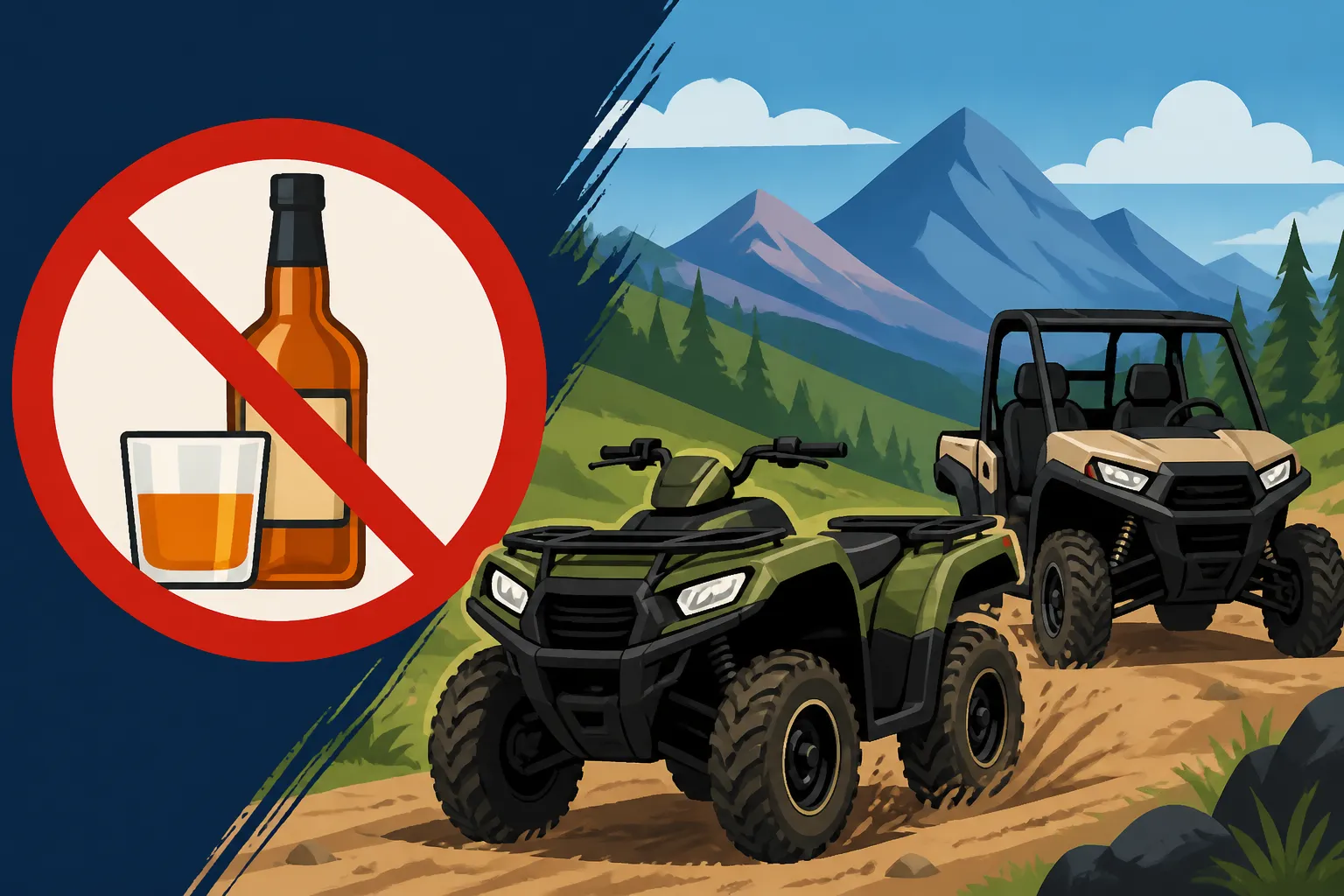
The best way to avoid the severe consequences of an OHV DUI in Montana is simple: don't drink and ride. It's really that straightforward. Planning ahead and making conscious decisions about alcohol consumption when you're going to be operating an OHV is crucial for your safety and legal standing.
Designating a Sober Rider
Just like you would for a night out with friends or a road trip, designate a sober rider for your OHV adventures. This means someone in your group commits to abstaining from alcohol entirely, taking on the responsibility of operating the machines. This person can ensure everyone gets back to camp or the truck safely, especially when navigating unfamiliar or challenging terrain. For multi-day trips, consider rotating the designated rider each day so everyone gets a chance to enjoy themselves responsibly.
It takes a bit of forethought, but a few minutes of planning can save you years of regret. Before you even head out the door for your Montana adventure, have that conversation. Who's driving the truck and trailer to the trailhead? Who's going to be the sober pilot of the UTV? It's about prioritizing safety and legal compliance over a fleeting moment of perceived fun. Remember, the goal is to enjoy the unparalleled beauty of Montana's outdoors, and you can't truly enjoy it if you're worried about getting a ticket or, worse, causing an accident. For those longer hauls or more challenging terrain, make sure your designated rider is familiar with any specialized gear, like the heavy-duty axles or lift kits from SuperATV, to ensure maximum control and safety.
Alternatives to Drinking and Riding
Montana offers so much incredible scenery and adventure that you truly don't need alcohol to enhance the experience. Consider separating your activities: spend the day riding the trails, exploring ghost towns, or fishing, and then enjoy adult beverages after the machines are parked for the night at camp. This clear separation eliminates the temptation and the risk. Many riders find that a crisp, non-alcoholic drink tastes just as refreshing after a long day of riding.
Focus on the thrill of the ride, the stunning vistas, and the camaraderie with your fellow adventurers. Bring plenty of water, sports drinks, or other non-alcoholic refreshments. Pack a good lunch and snacks. Enjoy the sounds of nature, the fresh air, and the adrenaline of navigating challenging routes. You can even equip your UTV with robust accessories from SuperATV, like a cargo box or a cooler rack, specifically for carrying your non-alcoholic refreshments and snacks, keeping them secure and accessible for those scenic breaks. The point is, there are countless ways to have an absolutely fantastic time on your OHV in Montana without introducing the risks associated with alcohol.
Understanding Open Container Laws
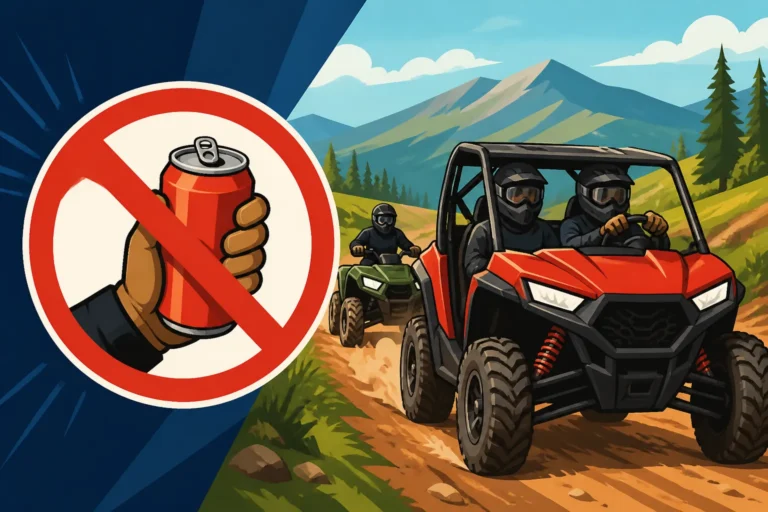
It's not just about being impaired; open container laws also apply to OHVs on public lands and roads in Montana. Generally, it's illegal to have an open container of alcohol in a motor vehicle (including your ATV or UTV) in areas accessible to the public. This means that even if you're a passenger, or if the machine is parked, having an unsealed alcoholic beverage within reach can lead to a citation.
These laws are in place to reduce impaired driving and ensure public safety. So, while you might be tempted to crack open a cold one while taking a break on a picturesque overlook, doing so with the can or bottle visible and accessible can put you in legal jeopardy. Plan to keep all alcoholic beverages sealed and stored away until you are completely done riding for the day and the machines are off-limits for operation. This is especially true if you find yourself needing to ride an OHV on the road in Montana, where standard traffic laws are even more strictly enforced. Remember that rules like [Open Container Rules on a Ride] are there to keep everyone safe.
Frequently Asked Questions About Alcohol and OHVs
Even with the laws clearly laid out, some common questions and scenarios often arise regarding alcohol consumption and OHV operation. Let's tackle a few of these to further clarify things.
Can I drink at my campsite and then ride a short distance to the trailhead?
This is a scenario many riders wonder about. You're camped near a trailhead, you've had a couple of beers, and now you want to make a quick run to the staging area or just move your machine. The answer is a resounding no. Even a "short distance" on public land or a designated trail is considered operating an OHV, and if you've consumed alcohol and are over the legal limit, or otherwise impaired, you are breaking the law.
The law doesn't differentiate between a short trip and a long one when it comes to impaired operation. If you start your engine and move, you're operating the vehicle. It's a common mistake that can land you in serious trouble. The best practice is to consider your riding day over the moment you start consuming alcohol. Don't risk a DUI for the sake of a few hundred feet.
Does the same rule apply if I'm on private property, like a friend's ranch?
This is where things can get a little nuanced, but generally, the spirit of the law, and certainly common sense and safety, still apply. If you're strictly on private land, completely enclosed, and not accessible by the public in any way, state DUI laws might not directly apply in the same manner as on public roads or trails. However, you could still face charges for reckless endangerment, assault, or other offenses if your impaired driving leads to an accident or injury.
More importantly, civil liability is a massive concern. If you injure yourself or someone else while impaired on private property, you could be facing significant lawsuits. Furthermore, many ranches have easements or access points that are considered public, or their roads might be open to the public at certain times, which would bring you under state jurisdiction. It's far safer to assume that the same rules regarding impaired operation apply, regardless of whether you're on public land or private property like a friend's ranch. Safety should always be your top priority, whether you're riding through [Montana's Lolo National Forest OHV Trails] or on a cattle ranch.
What if I'm just a passenger?
As a passenger in an OHV, you are generally not subject to the same DUI laws as the operator. The DUI offense specifically targets the person operating the vehicle. However, open container laws can still apply to passengers depending on where you are riding and how the alcohol is stored. If you have an open alcoholic beverage in your hand or within easy reach while riding on public land, even as a passenger, you could be cited for an open container violation.
The safest approach for everyone in the group, driver and passenger alike, is to avoid open containers entirely while the machine is in operation. Plus, an impaired driver is a danger to everyone, especially passengers. So, even if you're not driving, it's wise to ensure your operator is sober and that any alcoholic beverages are properly stowed until you've reached your destination and the ride is truly over.
I've heard different rules for UTVs that are street legal. Is that true?
The opposite is true, in fact! If your UTV is street legal, meaning it has been modified and registered to be legally operated on Montana public roads (with a kit potentially including lights, mirrors, and turn signals, possibly from SuperATV), it is more subject to standard motor vehicle laws, not less. When your OHV becomes street legal, it essentially becomes another type of vehicle on the road, alongside cars and trucks.
This means that all Montana traffic laws, including those pertaining to DUI, speed limits, right-of-way, and carrying proper [Montana Liability Insurance for Riders], apply fully. There is no special exemption for street-legal UTVs when it comes to alcohol. In fact, driving a street-legal UTV while impaired carries the exact same penalties and consequences as driving a regular car while impaired. This is one of the [Montana Road Rules Riders Get Wrong] quite often, and it's vital to understand the distinction.
Here’s a quick overview of general DUI penalties in Montana, applicable to both OHVs and standard vehicles:
| Offense Type | Potential Fines (Approx.) | Potential Jail Time (Approx.) | Driver's License Impact | Other Penalties |
|---|---|---|---|---|
| First Offense | Moderate to Significant | Minimum to Several Days | Suspension | Mandatory Alcohol Education, Increased Insurance |
| Second Offense | Significant | Minimum to Several Months | Longer Suspension | Ignition Interlock Device, Treatment, Increased Insurance |
| Third/Subsequent | Very Significant | Several Months to Years | Revocation | Felony Charges, Extended Treatment, Permanent Record |
| Refusal to Test | Separate Fines | Not Applicable | Immediate Suspension | Longer Suspension than DUI Conviction Alone |
Note: These are general categories and not specific figures. Actual penalties depend on the specific circumstances of the case, county, and judge. Always consult current Montana statutes and legal counsel for precise details.
Disclaimer
This article is for general informational purposes only and does not constitute professional advice. Laws, prices and regulations vary by location and change over time. Consult a qualified professional for guidance on your specific situation.