Montana Helmet Law for Riders Over 18
Riding an ATV or UTV in Montana offers an unparalleled sense of freedom, with vast landscapes just waiting to be explored. However, many adult riders, particularly those new to the state or visiting from elsewhere, often grapple with understanding Montana's specific helmet laws. It's a common point of confusion, trying to figure out if you need to don a helmet when you're over 18, especially when planning a trip with friends or family. This guide aims to clear up that confusion, providing a comprehensive look at the regulations, the wisdom behind them, and practical advice for staying safe on Montana's diverse trails and roads.
Unpacking Montana's Helmet Law for Adult OHV Riders
When you're out enjoying the Big Sky Country on your ATV or UTV, the question of whether or not you need a helmet often comes up, especially for seasoned riders over the age of 18. Montana's approach to off-highway vehicle (OHV) safety, particularly concerning helmets for adults, stands out from many other states. It's important to understand the specifics so you can ride legally and, more importantly, safely.
The General Rule: No Mandate for Those Over 18
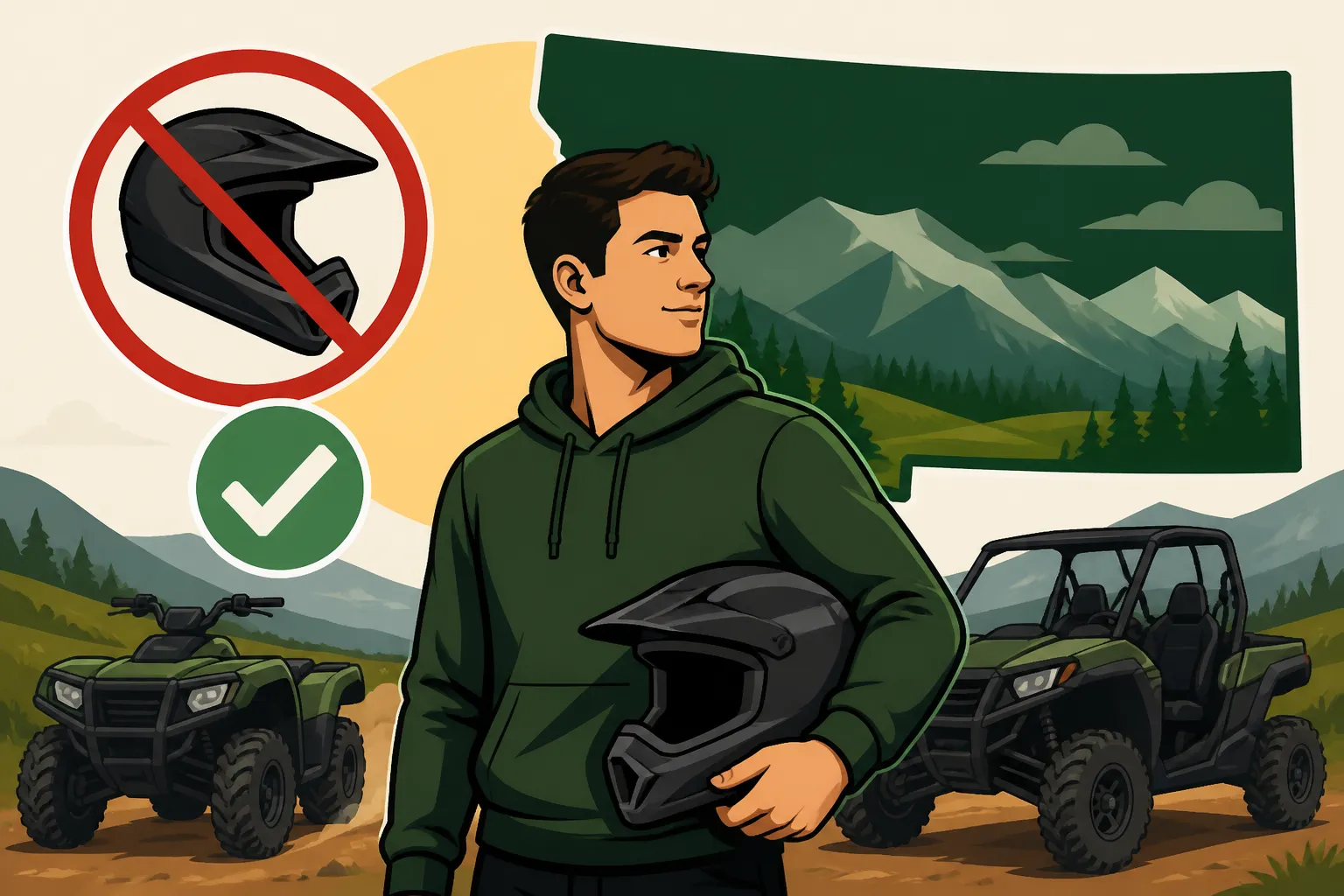
Let's cut right to the chase: In Montana, if you are 18 years of age or older, there is generally no state law that mandates you wear a helmet while operating an off-highway vehicle, whether it's an ATV, UTV, or dirt bike. This often comes as a surprise to riders from states with universal helmet laws, where every rider, regardless of age, must wear head protection. Montana largely allows adult riders to make their own choices regarding helmets on public lands and designated OHV trails. This freedom is a hallmark of the state's outdoor recreation culture, trusting individuals to assess their own risks and act accordingly. It's part of the independent spirit that draws many to Montana's wild spaces.
However, this freedom comes with a significant caveat: "generally" is the key word. While the state doesn't require it for adults, there are critical considerations and scenarios where it becomes highly advisable, if not implicitly necessary, for your well-being. Thinking that "no law" means "no need" can be a dangerous misconception. Consider the varied terrain, from rocky mountain passes to dusty prairie trails, each presenting unique hazards.
Where the Confusion Often Comes From
The frequent confusion regarding adult helmet laws in Montana largely stems from a few factors. Firstly, the laws do require helmets for younger riders. Anyone under the age of 18 operating or riding on an OHV in Montana is legally required to wear a helmet. This makes perfect sense, given the increased vulnerability of minors and the importance of protecting developing brains. So, when parents are getting their kids geared up, they might naturally wonder if the same rules apply to them. You can learn more about the specific requirements for younger riders in our guide on [Montana Helmet Rules for Riders Under 18]. This age-based distinction is a primary source of the common misunderstandings.
Secondly, many other states, as mentioned, have much stricter, universal helmet laws. Riders traveling from places like California, New York, or even neighboring states with different regulations often assume Montana's laws will be similar. They might arrive with their helmets packed, ready to comply, only to find out the rules are different for them. This creates a patchwork of expectations, and it's why getting clear, localized information is so crucial before you hit the trail. Finally, specific local ordinances or private land rules can add another layer of complexity, which we'll delve into shortly. It's not always a one-size-fits-all situation across the vastness of Montana.
The Underlying Philosophy of Montana's Law
Montana's stance on adult helmet use reflects a broader philosophy that emphasizes individual responsibility and personal freedom, a deeply ingrained value in the state. The belief is that adults are capable of assessing risks and making informed decisions about their own safety gear. This approach extends to many aspects of outdoor recreation in Montana, where self-reliance is highly prized. While the state doesn't mandate helmets for adults, it certainly recommends them, especially for certain types of riding or in challenging conditions. The absence of a legal requirement should never be interpreted as an endorsement of unsafe practices. Instead, it places the onus squarely on the rider to prioritize their own safety.
This philosophy acknowledges that some riders might be traveling at low speeds for utility work, such as on a ranch, where perceived risks might be different than high-speed trail riding. For example, a rancher using a UTV to check fences on their own property might feel a helmet is unnecessary, and Montana law supports their right to make that decision. However, the unexpected can always happen, even at low speeds or on familiar terrain. Ultimately, the law grants freedom, but personal wisdom dictates wearing a helmet even when not legally required, especially for anything beyond the most sedate, controlled environments.
Situations Where Helmets Are Still Wise (or Required) for Adults
While Montana's state law offers adults latitude on helmet use, there are very real scenarios where wearing one isn't just a good idea, it might be implicitly required by other entities or simply the smartest move you can make. Riding an OHV involves inherent risks, and protecting your head is paramount regardless of legal mandates.
County Roads and Local Ordinances: A Different Story
Here's where things can get a bit more nuanced. While state law doesn't mandate helmets for adults on public OHV trails, individual counties or even specific towns in Montana have the authority to enact their own ordinances regarding OHV use on local roads. This means that if you plan on riding your ATV or UTV on a county road or within the city limits of a particular town—perhaps to get from your campsite to a trailhead, or to grab a bite at a local diner—you might encounter different rules. Some county commissioners, after careful consideration, may decide that helmets are indeed required for all OHV operators on roads under their jurisdiction, especially given the increased interaction with other vehicles and higher speeds.
It’s absolutely crucial to check local regulations before you venture out onto any public road. What’s perfectly legal in Gallatin County might be against the rules in Flathead County, or vice-versa. Before hitting the pavement, consult the specific county or municipal office for their ordinances regarding [Riding an OHV on the Road in Montana]. Failing to do so could result in a citation, even if you were perfectly legal on a forest service trail just five minutes prior. This localized control is an important part of Montana's governance, allowing communities to tailor rules to their specific conditions and traffic volumes. Don't assume; always verify.
Insurance Implications and Personal Liability
Beyond legal requirements, consider the very practical implications for your insurance and personal liability. If you're involved in an accident while riding an OHV without a helmet and sustain a head injury, your insurance company might look at this through a very different lens. While not legally required by the state, choosing not to wear a helmet could be seen as contributory negligence, potentially affecting the payout of medical claims or even liability in a severe accident. This isn't just about protecting your head; it's about protecting your financial well-being and mitigating potential legal headaches.
Imagine a scenario where you're involved in a collision with another rider or even a deer on a remote forest road. If you're wearing a helmet, you're not only better protected, but it also demonstrates a commitment to safety that could be favorable in any subsequent legal or insurance discussions. Insurers often emphasize personal responsibility in their policies, and demonstrating that you took reasonable precautions, like wearing appropriate safety gear, is always beneficial. Our article on [Montana Liability Insurance for Riders] delves deeper into what types of coverage are available and how they might apply in accident situations. It’s a powerful incentive to wear a helmet, even if you’re over 18 and the law doesn’t explicitly demand it.
Group Rides and Club Rules
Another situation where helmets for adult riders become a de facto requirement is when participating in organized group rides or through OHV clubs. Many clubs, especially those focused on safety and responsible riding, have their own internal rules that mandate helmets for all participants, regardless of age. These rules are often put in place to ensure the safety of all members and to protect the club from liability. If you're joining a guided tour, like those offered by Yellowstone Adventures or Summit ATR Rentals, they will almost certainly require helmets for all riders as part of their rental agreement and safety protocols.
Even if it’s a casual ride with friends, many groups adopt a "helmet-on" policy out of solidarity and common sense. It's often seen as a sign of respect for other riders and an acknowledgment of the inherent risks of the sport. No one wants to be the cause of a serious injury, and collective safety often dictates higher standards than the bare minimum legal requirements. Always check with the organizer or the club before showing up for a ride. Adhering to these rules not only keeps you safe but also ensures a smoother, more enjoyable experience for everyone involved.
Beyond the Helmet: Other Critical Safety Gear for Adult Riders
While the focus here is on helmets, it’s vital to remember that a helmet is just one piece of a comprehensive safety strategy. For adult riders, especially given Montana's varied terrain and riding conditions, a full suite of protective gear is essential to prevent injuries and ensure an enjoyable experience. No matter how experienced you are, accidents can happen, and proper gear can be the difference between a minor scrape and a serious injury.
Eye Protection: Essential for Visibility and Safety
If there’s one piece of gear that’s nearly as critical as a helmet – and often mandated even when helmets aren’t – it’s eye protection. Riding an ATV or UTV, whether on a dusty trail or a muddy track, means you’re constantly exposed to hazards that can impact your vision. This includes flying dust, gravel, mud, insects, branches, and even unexpected splashes from water crossings. A sudden impact to the eye can cause immediate blindness, loss of control, and a dangerous crash. High-quality goggles or a full-face helmet with a clear visor are indispensable. You cannot effectively operate an OHV if your vision is compromised.
Montana state law does require eye protection for all OHV operators and passengers when riding on any public land or road, regardless of age. This specific requirement underscores its importance. Our guide on [Montana Eye Protection on a Road Ride] details these rules further. Even if you choose not to wear a helmet on a given ride, never, ever skip the goggles or a face shield. There are fantastic options from brands like SuperATV that offer durable, comfortable goggles designed specifically for the rigors of off-road riding, ensuring clear vision and robust protection against debris. Don’t just grab your sunglasses; invest in proper, impact-resistant eye protection that won’t fog up and will stay securely on your face.
Protective Clothing and Footwear
Beyond your head and eyes, the rest of your body needs protection too. Choosing the right protective clothing and footwear can significantly reduce the severity of injuries in a fall or collision. Think about sturdy long-sleeved shirts and pants made of durable materials like denim or specialized riding fabrics. These offer protection against abrasions, scrapes, and minor impacts from branches or flying debris. While a light T-shirt might feel comfortable on a hot day, it offers virtually no protection against road rash or cuts. Layering is often key in Montana's unpredictable weather, allowing you to adapt to changing temperatures throughout the day.
For footwear, sturdy over-the-ankle boots are a must. They protect your feet and ankles from impacts, provide good grip on pegs or floorboards, and prevent sprains or breaks if your foot slips or gets caught. Avoid open-toed shoes, sandals, or even regular sneakers, as they offer minimal protection in an off-road environment. Gloves are also highly recommended to protect your hands from blisters, impacts, and branches. They also improve your grip on the handlebars, which is crucial for control. Consider knee and elbow pads, especially for more aggressive riding or if you're navigating technical terrain.
Machine Enhancements for Safety
It's not just about what you wear; it's also about ensuring your machine is as safe as possible. Machine enhancements for safety can play a huge role in preventing accidents or mitigating their effects. Roll cages are standard on UTVs, but ensuring they are in good condition and considering additional bracing can provide extra peace of mind. Seatbelts are non-negotiable for UTVs and must always be worn. Some riders also install aftermarket nets or doors for added security, preventing limbs from flailing outside the vehicle in a rollover.
For both ATVs and UTVs, maintaining your brakes, tires, and suspension is paramount. Regularly checking tire pressure, ensuring brakes are responsive, and that your suspension is functioning correctly directly impacts your ability to control the machine and react to hazards. Consider adding features like extra lighting for better visibility, especially if you plan on riding near dusk or dawn. Products from companies like SuperATV offer a range of aftermarket accessories, from robust skid plates to enhanced lighting kits, that not only improve performance but also significantly boost the overall safety of your ride. Regular maintenance checks, as detailed in many owner's manuals, are also a form of safety enhancement, ensuring all components are operating as they should.
Making Informed Decisions for Your Montana Ride
The freedom to choose whether or not to wear a helmet as an adult rider in Montana is a privilege, but it’s one that comes with a significant responsibility. Making an informed decision isn't just about knowing the law; it's about understanding the risks, setting an example, and staying updated. Your choices impact not only your own safety but also the experience of those riding with you and the perception of OHV enthusiasts in general.
Assessing Risk and Choosing Your Gear
Before every ride, take a moment to assess the risk and choose your gear accordingly. This isn't a one-size-fits-all decision. Consider the type of terrain you'll be riding: Are you on smooth, wide gravel roads, or are you tackling steep, rocky, technical single track? What speeds do you anticipate reaching? What are the weather conditions like – dusty, muddy, or icy? All these factors should influence your decision. For a slow, leisurely ride on a wide, flat dirt road, some adults might feel comfortable without a helmet (though still not recommended). However, if you're hitting challenging trails, navigating tight corners, or riding at higher speeds, a helmet becomes unequivocally the smartest choice.
Think about your skill level and recent riding experience. Are you a seasoned veteran, or are you shaking off the dust after a long hiatus? Even experienced riders can have unexpected spills. It's also worth considering your physical condition; a head injury can be far more debilitating as you age. While the law permits it, choosing to ride without a helmet when the risk is high is a gamble with potentially life-altering consequences. Always err on the side of caution. Even a simple, lightweight helmet can provide a critical layer of protection in an unforeseen incident.
Setting a Good Example for Younger Riders
If you're an adult riding with children or teenagers, setting a good example for younger riders is paramount. As we've discussed, Montana law requires helmets for anyone under 18. If the adults in the group aren't wearing helmets, it can send a mixed message, making younger riders question the necessity of their own. Children look up to adults and often mimic their behavior. By consistently wearing a helmet yourself, you reinforce the importance of safety and compliance with the rules. It demonstrates that helmets aren't just for kids, but for all responsible riders.
This isn't just about legal compliance; it's about fostering a culture of safety within your riding group and the broader OHV community. Showing younger riders that safety gear is cool and non-negotiable helps instill good habits that will serve them well throughout their riding lives. Imagine the conversations: "Why do I have to wear one if you don't, Dad?" By wearing your helmet, you remove that question and simply show them "this is what we do to stay safe when we ride." This also extends to other safety practices, like wearing seatbelts in a side-by-side or not drinking and riding.
Staying Current with Local Regulations
Finally, it’s impossible to overstate the importance of staying current with local regulations. Montana's laws are not static. While the general state law on adult helmets has remained consistent, local jurisdictions can and do change their rules. County commissioners might hold public meetings to discuss new ordinances for county roads, or a town might update its municipal codes. What was permissible last year might not be this year. Moreover, public land management agencies, such as the Forest Service or BLM, can implement their own specific rules for designated riding areas, though these typically focus on vehicle requirements and trail access rather than personal protective equipment.
Before embarking on any significant trip, especially if you plan to explore new areas, take a few moments to check the websites of the relevant county sheriff's office, county commissioner's office, or local town hall. Sometimes, local OHV clubs are excellent resources for up-to-date information on trail conditions and regulations. The rules around [Montana Road Rules Riders Get Wrong] often include these local variations, so it’s always wise to be proactive. This vigilance ensures that you're always riding legally and safely, respecting both the letter of the law and the spirit of responsible recreation in Montana.
| Rider Age Category | State Helmet Requirement | Best Practice Recommendation | Common Misconceptions |
|---|---|---|---|
| Under 18 | Mandatory | Always wear a DOT-approved helmet. | Some riders think private land exempts this rule (it doesn't). |
| 18 and Over | Generally Not Mandated | Always wear a DOT-approved helmet for maximum safety. | "No law means no need for adults." "My experience makes me immune." |
| On County Roads / Local Ordinances | Varies by Local Jurisdiction | Check local rules; helmet often wise/required. | "State law applies everywhere." "County roads are like trails." |
| In Organized Group Rides / Rentals | Often Mandatory by Organizer | Always wear a DOT-approved helmet; check rules. | "Personal choice overrides group safety rules." |
Disclaimer
This article is for general informational purposes only and does not constitute professional advice. Laws, prices and regulations vary by location and change over time. Consult a qualified professional for guidance on your specific situation.