Questions Montana Buyers Forget to Ask
Buying a new-to-you ATV or UTV in Montana is an exciting prospect, especially with all the incredible trails and open spaces we have here. But that rush of finding the perfect machine can sometimes make us overlook the nitty-gritty details, leaving us vulnerable to unexpected headaches down the line. This guide is all about equipping you with the crucial questions to ask before you hand over your hard-earned cash, ensuring your next off-road adventure starts off right.
Digging into the Machine's Past and Present Condition
It's easy to get swept up in the shiny paint or the roar of a well-tuned engine, but what really matters often lies beneath the surface or in the machine's history. Asking about these less obvious details can save you a world of trouble and expense down the road. You want to make sure you're buying a solid machine, not someone else's problem.
The VIN: Your First Line of Defense
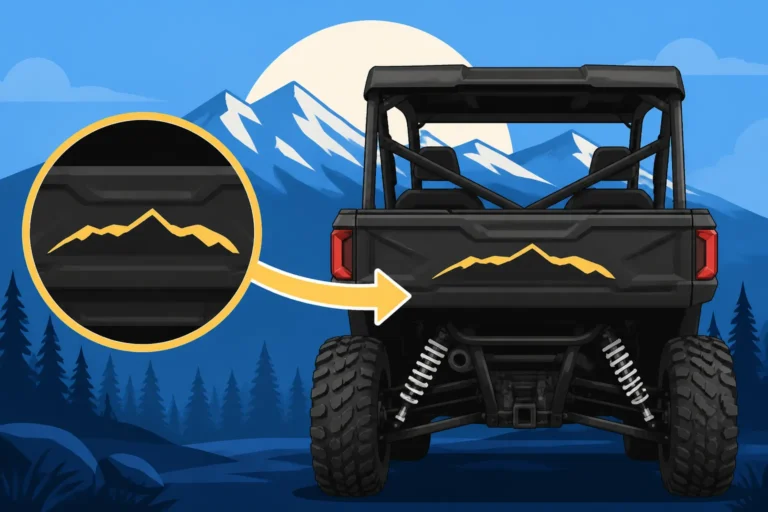
Every ATV and UTV has a Vehicle Identification Number (VIN), and this isn't just a random string of characters; it's the machine's unique fingerprint and story. Locating and verifying the VIN is your absolute first step. You'll typically find it stamped on the frame, often near the steering column, on a frame rail under a fender, or under the seat. Sometimes it’s on a sticker, but always look for the stamped number too.
Once you have the VIN, you absolutely must run a check. This crucial step helps confirm the machine hasn't been reported stolen and verifies its make, model, and year. Imagine buying a quad, only to have a sheriff show up later because it was stolen from another county. It happens, and it's a nightmare no one wants to live through. You can start by checking online databases or even contacting local law enforcement for assistance. Don't skip this, ever. It’s your best defense against inadvertently buying illegal property. For more on this, check out [Checking a Used Quad for a Theft Report] and [Running the Serial Number First].
Beyond theft, the VIN can sometimes reveal if the machine has a salvage title or has been rebuilt after a major accident, information the seller might conveniently "forget" to mention. Look closely at the VIN plate or stamping itself. Does it look original? Are there signs of tampering, like scratches, different font sizes, or rivets that don't match? If anything looks off, walk away. It's not worth the risk.
Maintenance History and Usage
After verifying the VIN, delve into the machine's life story. How has it been used? Was it a weekend warrior on scenic trails, a workhorse on a Montana ranch, or a competitive racer? The answers can tell you a lot about the wear and tear it might have sustained. A machine used for heavy ranch work, for instance, might have had consistent oil changes but could also have endured constant heavy loads or rough terrain, stressing components in different ways than a recreational trail machine.
Ask the seller for maintenance records. Did they keep a logbook? Do they have receipts for oil changes, tire replacements, or major repairs? While not every private seller will have a meticulously organized binder, any proof of regular upkeep is a good sign. If they can tell you when the last oil change was, when the air filter was cleaned, or when the brakes were last inspected, it shows they cared for the machine. A vague "Oh, I changed the oil sometimes" should raise a red flag.
Consider the common wear items for the specific make and model you're looking at. For example, some UTVs are known for needing frequent belt replacements, while others might have specific suspension points that wear quickly. Ask direct questions about these known issues. Understanding what kind of life the machine has lived helps you predict future maintenance needs and potential expenses.
Inspecting for Wear, Tear, and Damage
A thorough physical inspection is non-negotiable. Don't just kick the tires; get down and dirty. Look for signs of stress, abuse, or neglect. Are there bent tie rods, cracked plastics, or obvious frame damage? Check all the pivot points, bushings, and bearings for excessive play. Grab each wheel and try to wiggle it—any clunking or looseness could indicate worn wheel bearings or suspension components.
Check the condition of the tires; uneven wear can point to alignment issues or suspension problems. Look for fluid leaks from the engine, transmission, or differentials. A little dust is normal, but fresh oil or coolant stains are not. Test all the lights, the horn, and ensure the brakes work effectively, both front and rear. If it’s a side-by-side, check the seatbelts, doors, and roll cage for any damage.
If possible, ask for a cold start so you can hear how the engine sounds before it's warmed up and any potential noises quiet down. A test ride, if the seller allows and the environment is safe, is invaluable. Pay attention to how it shifts, accelerates, brakes, and handles. Does it pull to one side? Are there any strange vibrations or noises? Even if you're not a mechanic, your gut can often tell you if something feels off. If you’re unsure, consider investing a little bit to have a trusted mechanic give it a once-over before you commit.
Navigating the Paperwork Maze
The fun of riding often distracts from the vital, but sometimes tedious, world of paperwork. In Montana, getting the ownership and registration right from the start is paramount. Skipping steps here can lead to legal headaches and a machine you can't even ride.
Proving Ownership: The Title and Bill of Sale
This is arguably the most critical step in the entire buying process: getting a clear, properly executed title. In Montana, an OHV must be titled. The title proves legal ownership. Without it, you cannot register the machine in your name, and you certainly can't prove it's yours if it's ever stolen. Always insist on seeing the physical title in the seller's hand before you even discuss payment. Check that the VIN on the title matches the VIN on the machine perfectly.
Confirm that the seller's name on their ID matches the name printed on the title. If it doesn't, or if they have a flimsy excuse, be extremely wary. If the title has a lienholder listed, you'll need proof that the lien has been satisfied (often a lien release document from the bank). Never accept a title that isn't signed or one that has cross-outs or correction fluid. A properly signed-over title is essential for you to transfer ownership. Don't let a seller tell you "you don't need a title for an ATV" – that's a red flag in Montana. If you're concerned about what constitutes a valid title or what to do if the seller has no paperwork at all, understanding the ins and outs of [Selling a Machine With No Title] versus [Buying a Machine With No Paperwork at All] can be really helpful.
Alongside the title, a robust bill of sale is more than just a receipt; it's a legal record of the transaction. This document should include the full names and addresses of both buyer and seller, the date of sale, the purchase price, the machine's make, model, year, and—most importantly—its VIN. It's wise to state that the machine is sold "as-is" to protect the seller, but as a buyer, it also means you've acknowledged its current condition. Both parties should sign and date it, and each should retain a copy. For comprehensive guidance on what to include, refer to [What a Montana Bill of Sale Should Say] and [Wording a Montana Sale Agreement]. If you need help drafting one, online resources like LawDepot can provide templates and guidance to ensure your bill of sale is legally sound and thorough.
Registration Status and Transferring Ownership
Montana has a "permanent" registration system for OHVs, which sounds great, but it's often misunderstood by new buyers. Here's the critical point: the permanent registration does not follow the machine to the new owner. When you buy a used ATV or UTV in Montana, even if the previous owner had it permanently registered, that registration ends with their ownership. You, as the new owner, must register it in your name. This is a common point of confusion that can lead to unexpected costs and delays. You can learn more about this by reading [Montana's One-Time Permanent OHV Registration] and [Why a Montana Registration Does Not Follow the Machine].
Once you've secured the title, your next stop is your local County Treasurer's office to get the machine registered in your name. You'll need the properly signed-over title, your bill of sale, and proof of identification. At the Treasurer's office, you'll pay a new registration fee (which is the permanent registration fee for your ownership) and a title fee. It’s a one-time fee, but it’s still your one-time fee for your ownership. Getting this done promptly is essential not only for legal riding but also for proving ownership if any issues arise later. For detailed steps on this process, see [Titling an ATV at a Montana County Treasurer] and [Registering an OHV in Montana].
If you've just purchased a machine, you can't simply assume the old registration decal is valid for you. You need to handle your own new registration promptly. The process for [Re-Registering a Machine You Just Bought] is straightforward at the County Treasurer's office, but it requires you to be proactive.
Out-of-State Purchases and Future Use
If you're buying a machine that originally came from out of state, or if you're an out-of-state buyer purchasing in Montana, there are additional considerations. For a machine from another state, ensure that its title and any previous registration documents are legitimate and properly endorsed for transfer. Montana's titling process for out-of-state machines generally follows the same steps, but the County Treasurer will want to see all the prior documentation.
For out-of-state buyers, Montana is often attractive because it has [No Sales Tax on a Montana Machine Purchase]. This is a great perk, but it's critical to understand that this typically only applies to the transaction in Montana. Your home state likely has a "use tax" that applies to goods purchased out-of-state and brought into your home state. This means that while you might save on sales tax in Montana, you might still owe an equivalent tax to your resident state. Failing to report this can lead to penalties down the line. To fully grasp this, make sure to read [Use Tax Your Home State Still Wants].
Many buyers from neighboring states come to Montana specifically for vehicle purchases. If you're one of them, it's wise to be fully informed about [Buying a Machine in Montana as a Visitor] and how the lack of sales tax here might impact your tax obligations when you return home. Always check your home state's Department of Revenue website for the most current rules on use tax for out-of-state vehicle purchases.
The Financial Realities Beyond the Purchase Price
It's natural to focus on the sticker price of the ATV or UTV, but smart buyers know that the purchase price is only the beginning. Overlooking the associated fees and ongoing costs can quickly turn a great deal into a financial strain. Don't let excitement overshadow the full financial picture.
Accounting for Registration, Titling, and Fees
As we touched on, the "permanent" registration in Montana is a one-time fee per owner. So, even if the seller registered it, you'll still need to pay your own registration fee and a separate title fee when you transfer ownership at the County Treasurer's office. These aren't trivial amounts, and they need to be factored into your immediate budget. Imagine you've saved just enough for the machine itself, only to realize you can't even get it legally registered until you come up with another couple hundred dollars for fees.
When you budget, think of the purchase price, the title fee, and the registration fee as a package deal. It's all money that has to leave your pocket upfront to make the machine legally yours and ready to ride. Before you commit to a purchase, you can call your local County Treasurer's office or check their website for current fee schedules. Having a clear understanding of the [Montana OHV Registration Cost at the Treasurer] and the [Montana OHV Title Fee] will prevent any unwelcome surprises.
Insurance, Maintenance, and Upgrades
Once the machine is legally yours, the costs don't stop. Insurance is a big one. While not always mandatory for private land use, if you plan to ride on public roads (where allowed) or certain public lands, liability insurance is often required. Even if it's not mandated, protecting your investment against theft, damage, or liability from an accident is just plain smart. What would you do if you rolled your brand-new side-by-side on a trail ride? Without insurance, that's a bill coming straight to you. For more information on coverage, consult [Insuring an ATV in Montana].
Then there's maintenance. ATVs and UTVs are rugged, but they require regular care, especially when used in Montana's demanding conditions. Think oil changes, air filter cleaning, tire rotation or replacement, brake pads, drive belts, and occasional repairs to suspension components. These aren't "if" costs; they're "when" costs. Budgeting a certain amount per year for routine maintenance is a smart move.
Finally, consider upgrades. It's incredibly tempting to add a winch, new tires, light bars, or a stereo system. While these can enhance your riding experience, they can also add up quickly. Be realistic about what you'll want to add and factor some of that into your overall budget, or you might find yourself with a bare-bones machine wishing you'd saved a bit more for those coveted accessories.
Considering Montana's Luxury Tax (if applicable)
For most standard ATVs and UTVs, Montana's luxury tax isn't a concern. However, for those eyeing high-end, powerful side-by-sides that can push into the tens of thousands of dollars, it's a question worth asking. Montana imposes a specific "luxury tax" on certain vehicles that exceed a particular value threshold upon their initial registration in the state.
While designed to target expensive passenger vehicles, some top-tier, fully loaded UTVs might flirt with the lower end of this threshold. It's not common for the average quad, but if you're splurging on a premium, highly accessorized side-by-side, it's a detail that could add an unexpected amount to your overall cost. It's always best to check the current thresholds and definitions with the Montana Department of Revenue or your County Treasurer's office. Knowing whether your dream machine falls into this category can prevent a nasty surprise at the counter. For more details on this, you might review [Montana's Luxury Tax on Expensive Vehicles].
Protecting Your Investment and Peace of Mind
Beyond the immediate transaction, taking proactive steps to secure your purchase and understand your responsibilities can protect you from future headaches and ensure a smooth ownership experience. This is about buying smart, not just buying.
Securing the Deal: Payment and Written Agreements
When it comes to payment, cash is often king in private sales, but it also carries risks. For larger sums, a cashier's check or a direct bank transfer is often safer, as it provides a clear record of the transaction. Avoid personal checks from the buyer unless you have a relationship, and never send money via wire transfer to a seller you haven't met or to secure a machine you haven't seen in person. Scammers love these methods.
While the bill of sale covers the basic transaction, don't rely solely on a handshake for any additional agreements or contingencies. For instance, if the seller promised to deliver the machine, include that detail. If certain accessories are included or excluded, put it in writing. A written sale agreement, perhaps drafted using a service like LawDepot, can outline specific terms and conditions beyond just the transfer of ownership. This protects both parties and provides clarity if a dispute ever arises. Without it, a verbal agreement isn't worth the paper it's not printed on.
What Happens if Things Go Wrong?
Despite all your best efforts, sometimes things can still go sideways. What if the machine breaks down a week after you buy it, and the seller had claimed it was in "perfect condition"? What if you later discover a hidden lien you weren't told about? In private party sales, machines are typically sold "as-is," meaning you usually have limited recourse for mechanical issues after the sale. This underscores why your initial inspection and questions about maintenance are so vital.
However, if a seller deliberately misrepresented a major fact—like hiding a salvage title or selling a stolen machine—that's a different story. If you suspect fraud or if you discover the machine was stolen, contact local law enforcement immediately. They can investigate and potentially help you recover your funds or the machine (if it was legitimately yours). The key here is always having clear documentation: the bill of sale, the signed title, and any communication you had with the seller. These documents are your evidence.
Post-Purchase To-Dos
Once the ink is dry and the machine is in your possession, your work isn't quite done. Your first priority should be to visit your local Montana County Treasurer's office. You'll need to bring the properly signed-over title, your bill of sale, and your identification. Make sure you have all the [Documents to Bring to a County Treasurer] so you don't make multiple trips. They will process the title transfer and issue you a new permanent registration and a registration decal for your machine. This officially makes the machine yours in the eyes of the state and gets you legal to ride.
Beyond registration, take the time to familiarize yourself with Montana's specific OHV rules and regulations. This includes understanding where you can legally ride, any noise restrictions, and safety requirements like helmets for youth riders. Knowing these rules ensures you're riding responsibly and helps avoid unnecessary fines. Finally, consider what you'll do for security. ATVs and UTVs are unfortunately popular targets for thieves. Invest in good locks, store your machine in a secure location, and consider a GPS tracker. Protecting your investment goes beyond the paperwork; it's about safeguarding it for years of enjoyment on Montana's beautiful trails.
| Question Category | Key Questions to Ask | Why It Matters |
|---|---|---|
| Machine History | What is the full VIN? | Crucial for theft checks, verifying make/model, and title accuracy. |
| Can I see maintenance records? | Indicates care, predicts future issues, and verifies past repairs. | |
| How has the machine been primarily used? | Reveals potential stress points (ranch work, racing, trail riding). | |
| Physical Condition | Has it ever been in a major accident? | Alerts you to frame damage, hidden repairs, or structural weaknesses. |
| Are there any fluid leaks or unusual noises during a test ride? | Signals immediate mechanical issues or deferred maintenance. | |
| What is the condition of tires, brakes, and suspension components? | Impacts safety, performance, and immediate repair costs. | |
| Ownership & Paperwork | Do you have the clear, signed title in hand? | Essential for legal ownership transfer and registration. |
| Will you provide a detailed bill of sale with the VIN and price? | Legal record of transaction, protects both buyer and seller. | |
| What is the current registration status, and is it valid for me? | Montana's "permanent" registration is per owner; you must re-register. | |
| Financial/Future | What are the total costs, including title and registration fees? | Avoids hidden upfront expenses beyond the sticker price. |
| What are your home state's use tax implications (for out-of-state buyers)? | Prevents unexpected tax bills from your resident state. | |
| What are the estimated ongoing costs for insurance and maintenance? | Helps budget for responsible ownership beyond the initial purchase. |
Disclaimer
This article is for general informational purposes only and does not constitute professional advice. Laws, prices and regulations vary by location and change over time. Consult a qualified professional for guidance on your specific situation.