Youth Machine Size Rules Montana Parents Ask About
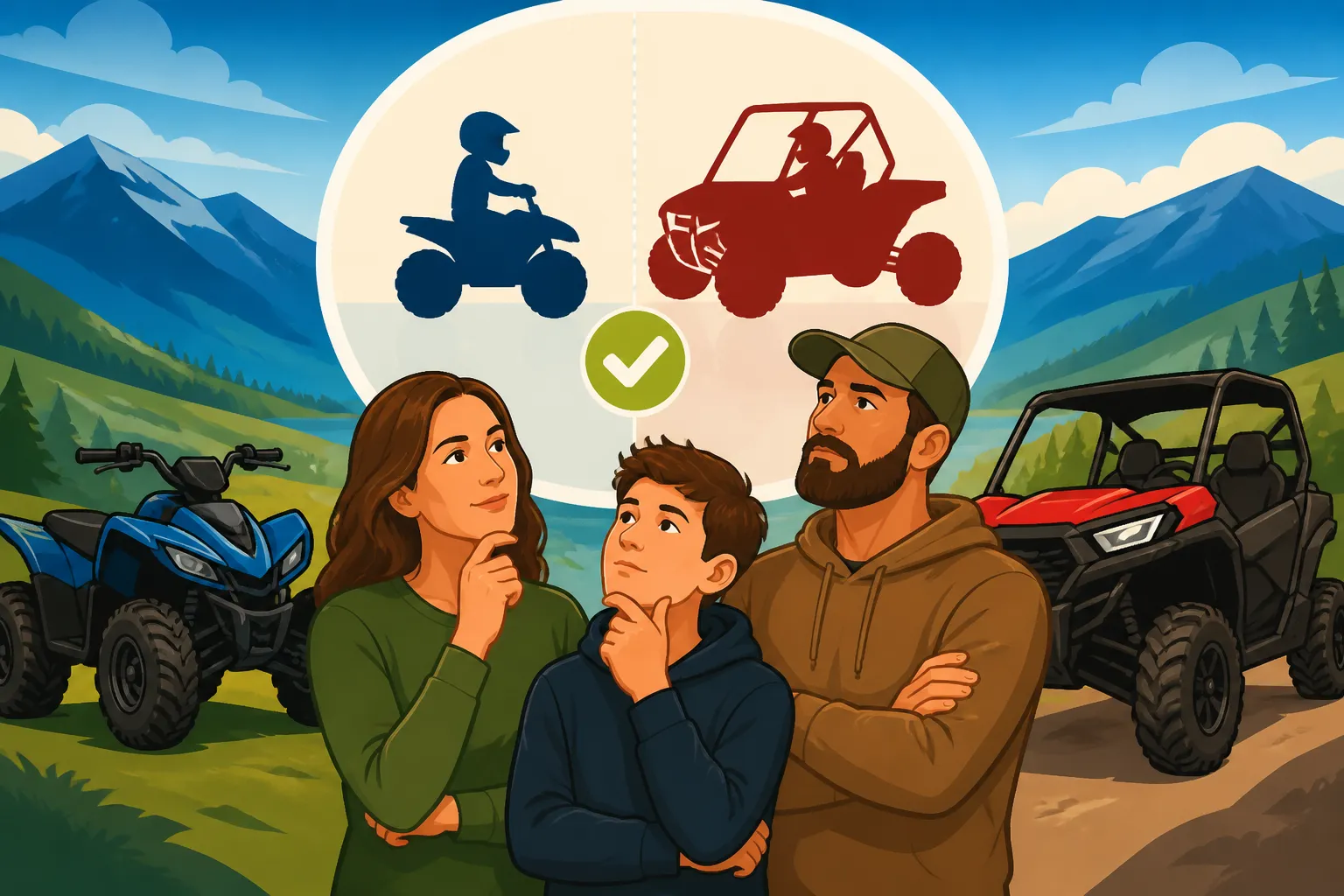
It can feel like a maze trying to figure out all the rules and regulations when you're a parent wanting to get your kids into the exciting world of ATV and UTV riding here in Montana. You want them to have fun, experience the incredible backcountry, and build skills, but above all, you want them to be safe. This guide is going to walk you through Montana's specific rules regarding machine size for young riders, supervision, safety education, and everything else you need to know to ensure your kids are riding legally and, most importantly, safely.
Understanding Montana's Approach to Youth OHV Riding
Montana is a fantastic place for off-highway vehicle (OHV) enthusiasts, and that includes families. We've got thousands of miles of trails, old logging roads, and open spaces just waiting to be explored. Naturally, parents are eager to share this passion with their children. However, the state, like many others, recognizes that young riders have different needs and capabilities than adults. It's not about making things complicated; it's about protecting our kids.
Why Montana Sets Age and Size Restrictions
Let's be honest, an ATV or UTV can be a powerful machine, and in the wrong hands, it can be dangerous. When it comes to kids, their physical size, strength, and reaction times are still developing. Imagine putting a five-year-old behind the wheel of a full-size pickup truck – sounds absurd, right? The same principle applies to OHVs, albeit on a different scale. Younger children often lack the muscle strength to properly control a larger, heavier machine, especially when it comes to steering, braking effectively, or managing the throttle over varied terrain. Their judgment and risk assessment skills are also not fully formed, meaning they might take chances or react impulsively in situations an adult would handle with more caution.
The rules around age and machine size are really designed as guardrails to ensure that a child is physically and mentally capable of handling the specific machine they're operating. It's not just about avoiding catastrophic accidents, but also preventing minor spills and tumbles that can shake a child's confidence and turn them off the sport entirely. Montana wants to foster a love for riding from a young age, and that means starting them off right, with equipment they can manage. These regulations help guide parents in making responsible choices that align with a child's developmental stage.
The Philosophy Behind Graduated Machine Power
Think of it like learning to ride a bicycle. You don't start a child on a full-size mountain bike; you begin with training wheels or a balance bike, then a smaller pedal bike, gradually increasing the size and complexity as their skills grow. Montana's OHV regulations for youth follow a similar "graduated power" philosophy. It's about slowly introducing more powerful machines as the rider matures and gains experience. This structured approach allows children to develop fundamental riding skills – throttle control, braking, steering, balance, and obstacle negotiation – on machines that are forgiving and less intimidating.
Starting with a machine that's too powerful can overwhelm a young rider, leading to fear, poor technique, or even dangerous situations they can't recover from. By providing lower-powered, smaller-framed OHVs for younger age groups, the state encourages a natural progression. It ensures that kids aren't just physically capable of reaching the controls, but that the machine's performance matches their cognitive and motor skill development. This method helps build confidence gradually, allowing children to master one stage before moving on to the next, ultimately creating more competent and safer riders in the long run. It fosters a lifelong passion for the sport built on a foundation of safety and respect for the machine.
Age-Specific Machine Size Limits for Young Riders
Montana has specific guidelines when it comes to the engine size, or cubic centimeters (cc), of off-highway vehicles that young riders can operate. These rules are crucial for ensuring that children are matched with machines appropriate for their age, physical size, and experience level. Understanding these limits is the first step in responsible youth riding.
Machines for Riders Under 12 Years Old
For our youngest adventurers, typically those under 12 years of age, Montana's regulations are quite clear: they are generally limited to the smallest category of OHVs. For ATVs, this usually means machines with an engine displacement of 70cc or less. For UTVs, which tend to be a bit larger and more stable, the limit is often around 90cc or less. These machines are specifically designed with young riders in mind. They feature smaller frames, lower seat heights, and often include speed governors or limiters that parents can set to prevent excessive speeds while their child is learning.
These smaller machines are fantastic for introducing the basics of OHV operation. They allow a child to comfortably reach the handlebars, footpegs, and controls, and to manage the weight and balance of the machine without being overpowered. The lower engine displacement means less acceleration and a more manageable top speed, reducing the risk of a child losing control due to sudden power surges. It's about giving them a safe platform to learn fundamental skills like throttle feathering, smooth braking, and controlled steering in a relatively low-stakes environment. Remember, even with these smaller machines, appropriate safety gear and diligent adult supervision are non-negotiable.
Rules for Riders Aged 12 to 15
As children grow and gain more experience, they become eligible for slightly larger and more capable machines. For riders aged 12 to 15, Montana generally allows for a step up in engine size. For ATVs, this often translates to machines in the 70cc to 90cc range, or sometimes slightly higher depending on specific machine design, while UTVs may go up to 250cc. This increase in power and size reflects the developing physical capabilities and judgment of pre-teen and early-teen riders. They typically have better coordination, increased strength, and a more developed understanding of risk compared to younger children.
However, with increased power comes increased responsibility and the need for more advanced skills. These machines can travel faster and respond more quickly, demanding quicker reaction times and better decision-making from the rider. This is also the age bracket where safety education becomes absolutely critical, and often mandatory. Montana has a [Montana's Safety Education Requirement] for riders under 16, which means completing an approved OHV safety course is a must if they plan to ride on public lands. This course is designed to equip them with the knowledge to handle these more capable machines safely, understand trail etiquette, and navigate various riding conditions responsibly. Close adult supervision remains a key component, ensuring that even as they explore more challenging terrain, they have guidance and support.
Moving Up: 16 Years and Older and Adult Machines
Once a rider turns 16, they generally enter the category where they are permitted to operate "adult-sized" off-highway vehicles without the specific engine displacement restrictions applied to younger riders. This means they can legally operate OHVs with larger engines, often hundreds of cubic centimeters, that are designed for adult strength, weight, and experience. At this age, the assumption is that the rider possesses the necessary physical maturity, coordination, and judgment to safely handle these more powerful machines.
However, "adult-sized" doesn't automatically mean "adult skills." Even though the machine size restrictions largely lift at 16, the importance of continued safe riding practices, ongoing skill development, and adherence to all other OHV laws remains paramount. If a 16-year-old is new to riding, it's still prudent for parents to ensure they start on a machine that's manageable for their individual skill level, rather than immediately jumping onto the most powerful UTV available. Additionally, while machine size limits are relaxed, other regulations regarding road access, helmet use (for certain ages or situations), and carrying proof of safety education might still apply. For example, if a 16-year-old is operating an OHV on a public road where permitted, they would likely need a valid driver's license. Understanding nuances like [Montana's Rule for Riders Aged 12 to 15] transitioning to adult rules helps bridge this gap. The goal is to ensure that even as they gain access to more powerful equipment, their approach to riding remains responsible and safety-conscious.
Supervision Requirements for Underage OHV Operators
Beyond machine size, one of the most critical aspects of youth OHV riding in Montana is supervision. It's not enough to simply put a child on an age-appropriate machine; an adult must be actively involved in ensuring their safety, especially on public lands. This isn't just a recommendation; it's a legal requirement designed to protect our young riders.
Direct Adult Supervision: What it Means
When Montana law speaks of "direct adult supervision" for underage OHV operators, it's not a casual suggestion. It means that a parent, legal guardian, or an authorized adult must be present and actively monitoring the child's riding activity. This isn't about being somewhere in the same general area, like "they're in the same national forest as me." It implies being within visual and auditory range, close enough to intervene immediately if a problem arises. This could mean riding alongside them on another OHV, or positioning oneself at a vantage point where the child is always visible and within earshot.
Direct supervision is especially crucial when children are learning new skills, navigating unfamiliar terrain, or riding in areas with potential hazards like steep inclines, water crossings, or other trail users. The supervising adult is responsible for ensuring the child adheres to all safety rules, including wearing appropriate gear, maintaining safe speeds, respecting trail etiquette, and avoiding risky maneuvers. It's an active role that requires vigilance and readiness to provide guidance, correction, or assistance at a moment's notice. The adult is the primary safety net, providing a crucial layer of protection as the child develops their riding prowess and judgment.
Parental or Guardian Presence on Public Lands
When a minor is operating an OHV on public lands in Montana – whether it's a national forest, BLM land, or state park trails – the law specifically requires the presence of a parent, legal guardian, or an authorized adult. This is a fundamental distinction from private land. While it's always wise to supervise children on any property, the legal mandate comes into play when accessing public resources. This means if you're planning a family riding trip to a designated OHV trail system, ensure that a responsible adult is with any rider under the legal age threshold.
This requirement underscores the state's commitment to safety on shared public spaces. An authorized adult can be someone designated by the parent or guardian, but they must be at least 18 years old and capable of providing the necessary supervision and guidance. It's not a burden; it's a critical safety measure. Imagine a situation where a young rider has a mechanical issue or gets stuck far from anyone who knows they're out there. The presence of an adult ensures that help is immediately available. While the rules may be different for [Riding a Family Ranch Without Registration], when you're on public ground, understanding and adhering to these adult presence requirements is paramount to a safe and lawful riding experience for your kids. This also means being prepared to show identification and potentially answer questions from law enforcement or land management officials if asked.
Safety Education and Certification for Montana Youth
Learning to ride an OHV isn't just about knowing how to start, stop, and turn. It's about understanding the machine, the environment, and the rules of the trail. That's why Montana places a strong emphasis on safety education, particularly for its younger riders. Getting certified isn't just a hoop to jump through; it's an investment in a child's safety and confidence.
Mandatory Safety Course for Young Riders
Montana law mandates that any OHV operator under the age of 16 must complete an approved OHV safety education course if they intend to operate on public lands. This is a non-negotiable requirement and a cornerstone of safe youth riding in our state. These courses are comprehensive, covering a wide array of topics far beyond simple machine operation. Participants learn about proper riding techniques, the importance of wearing appropriate safety gear (like a DOT-approved helmet, goggles, gloves, and sturdy boots), environmental ethics (such as staying on designated trails and respecting wildlife), and the specific laws and regulations pertaining to OHVs in Montana.
The goal of these courses is to equip young riders with the knowledge and judgment necessary to make safe decisions on the trail, prevent accidents, and become responsible ambassadors for the sport. Many of these courses are available online, offering flexibility for families, while some areas might still offer in-person options. For example, there are [Approved Online Course Providers] that make it convenient to complete the training from home. Completing this course not only fulfills a legal requirement but also instills a sense of confidence and competence in young riders, knowing they have been properly trained and are prepared for whatever the trail might bring. It's an essential step in ensuring a lifetime of enjoyable and safe riding.
Proving Compliance: Carrying the Certificate
So, your child has completed their Montana OHV safety course – that's a fantastic achievement! But the journey doesn't end there. Just like an adult driver needs to carry their driver's license when operating a motor vehicle, a young OHV operator in Montana must carry proof of their safety education certification when riding on public lands. This certificate is their "license" to ride and demonstrates their compliance with state law. It's not uncommon for wardens, forest rangers, or other law enforcement officers to conduct spot checks on trails, especially in popular riding areas. If a minor is found operating an OHV without the required safety certificate, both the rider and the supervising adult could face citations and fines.
To avoid any issues, it's wise to carry a physical copy of the certificate. Many families opt to laminate the card or keep it in a protective sleeve to prevent damage from the elements. Some even keep a digital photo on a phone as a backup, though a physical copy is generally preferred by enforcement officials. Ensuring your child knows where their certificate is and understands its importance is part of their riding responsibility. It’s a tangible piece of proof that they've invested the time and effort into learning how to ride safely and legally. Always make sure that your young rider has their [Carrying a Safety Certificate on a Road Ride] for every outing on public land, ensuring peace of mind for everyone involved.
Titling and Registration Considerations for Youth Machines
When you get an ATV or UTV for a young rider in Montana, the machine itself still needs to be properly titled and registered, just like any other off-highway vehicle. However, there are a few nuances to consider given the age of the intended operator, particularly when it comes to whose name appears on the official paperwork.
Whose Name Goes on the Title and Registration
This is a common question, and the answer is straightforward: minors cannot legally own or register a vehicle in their own name. Therefore, when you purchase an ATV or UTV for a child, the title and registration must be in the name of a parent or legal guardian who is 18 years of age or older. This adult then becomes the legal owner of the machine. This setup clarifies legal responsibility, particularly for liability and insurance purposes. The adult owner is ultimately accountable for the machine's lawful operation and any incidents that might occur while it's being used.
When you go to the county treasurer's office for registration, or if you purchase from a dealer, all the paperwork – including the bill of sale, application for title, and registration forms – will require the adult's signature as the purchaser and owner. It's important to be meticulous with this paperwork. For example, knowing [What a Montana Bill of Sale Should Say] is crucial to ensure all details are correct and the transfer of ownership to the adult is legally sound. When preparing documents like a bill of sale for a youth machine, services like LawDepot can be helpful for creating legally sound forms, ensuring the adult's name is correctly listed as the purchaser. This legal ownership by an adult is a standard practice that protects both the minor and the adult, ensuring clear lines of responsibility for the machine's use.
Permanent Registration for Youth OHVs
One of the great advantages of registering an OHV in Montana, regardless of who will primarily operate it, is the state's unique "one-time permanent" registration system. This applies equally to machines purchased for youth riders. Once you register the ATV or UTV with your local county treasurer, that registration generally stays with the machine for its entire operational life in Montana, rather than requiring annual renewals. This means you pay a single registration fee, and you're done.
This permanent registration covers the machine itself, not the rider. So, while the ATV or UTV will always be considered registered in Montana once this process is complete, the rules regarding the age, safety education, and supervision of the rider still apply. A permanently registered machine for a child under 16 still requires that child to complete an OHV safety course and be under direct adult supervision when riding on public lands. This system simplifies the administrative burden for OHV owners, allowing families to focus more on riding and less on yearly paperwork. Knowing about [Montana's One-Time Permanent OHV Registration] is key for any parent getting a machine for their child, as it streamlines the ongoing legal requirements for the vehicle itself.
Road Riding and Public Land Access Rules for Young Riders
While Montana offers incredible opportunities for OHV riding, it's crucial for parents to understand where young riders are legally permitted to operate their machines, especially when it comes to roads and different types of public land. The rules are often stricter for minors, prioritizing their safety in environments that can present unique hazards.
Restrictions on Public Roads and Highways
This is perhaps one of the most important areas of understanding for parents: youth riders generally face significant, if not outright complete, restrictions on operating OHVs on public roads and highways in Montana. Unlike adult riders who, under specific conditions and in certain jurisdictions, might be able to ride an OHV on a county road, these allowances are typically not extended to minors. The reasons are clear: public roads involve higher speeds, interactions with full-size motor vehicles, and a level of traffic complexity that is simply too dangerous for developing riders. A young rider's slower reaction time, limited peripheral vision, and inexperience with road hazards make public roads an extremely high-risk environment.
Even in towns or counties that have ordinances allowing OHV use on certain streets, these typically come with age restrictions and often require a valid driver's license, which a minor would not possess. Therefore, the safest and almost universally legal approach is to assume that a child on an ATV or UTV should never be on a public road or highway, unless it's a very specific, marked crossing point under strict adult supervision. Violating these rules can lead to serious consequences, including significant fines for both the minor and the supervising adult, and potential legal issues in the event of an accident. [Montana Road Rules for Young Riders] are very specific, and typically exclude underage operators from most road access. Understanding [Montana Fines for Illegal Road Riding] is a good incentive to always keep kids off paved or high-traffic roadways.
Navigating Montana's Trail Systems and Land Ownership
The vast majority of legal and safe OHV riding for youth in Montana will take place on designated trail systems within national forests, Bureau of Land Management (BLM) lands, state parks (where permitted), or private property with explicit permission. These are the environments where OHVs are designed to be ridden and where the age and machine size regulations are specifically crafted to ensure safety. Before heading out, parents should always consult a Motor Vehicle Use Map (MVUM) for the specific area they plan to ride. These maps clearly delineate which trails are open to OHVs, what types of vehicles are allowed, and any seasonal closures or restrictions. This is a critical step in avoiding accidental trespass or illegal riding.
When it comes to private land, the rules are generally set by the landowner. If you're riding on a friend's ranch or family property, ensure you have explicit permission. [Riding Posted Ground in Montana] without permission is illegal and disrespectful. Even on designated public trails, all the rules we've discussed – age-appropriate machines, mandatory safety education, and direct adult supervision – still apply. These trails are designed to be enjoyed responsibly, and following all regulations ensures that these precious resources remain open and accessible for future generations of riders. By focusing on designated trail systems, families can enjoy the beauty of Montana's backcountry while keeping their young riders safe and within legal boundaries.
| Age Group | ATV Engine Size (Approx.) | UTV Engine Size (Approx.) | Supervision Required | Safety Course Required | Road Access (Public) |
|---|---|---|---|---|---|
| Under 12 years | 70cc or less | 90cc or less | Yes, direct | No | No |
| 12-15 years | 70cc to 90cc (or slightly higher) | Up to 250cc | Yes, direct | Yes, for public lands | No |
| 16 years and older | Any (adult size) | Any (adult size) | No | No (if 16+) | Limited, licensed driver |
Note: These are general guidelines for Montana. Always verify specific regulations with the Montana Fish, Wildlife & Parks or the local land management agency for the area you plan to ride.
Common Parental Concerns and Practical Advice
As a parent, you want to do everything right to introduce your children to OHV riding safely and responsibly. Beyond the official rules, there are many practical considerations and concerns that often come up. Let's tackle some of those and provide advice that can make the experience smoother and more enjoyable for everyone.
Choosing the Right Machine and Safety Gear
Selecting the perfect machine for your child goes beyond just adhering to the legal cc limits. You also need to consider your child's individual physical size, strength, and overall maturity. A child might be technically old enough for a 90cc machine, but if they are smaller for their age or less coordinated, starting them on a 70cc might be a much safer and more effective way to build their skills and confidence. Always have your child sit on the machine, ensure they can comfortably reach all the controls, and that their feet can touch the ground if it's an ATV, or they are securely seated with seatbelts and roll bars if it's a UTV. Don't be afraid to ask for professional advice from dealers or experienced riders. For instance, when asking [Questions Montana Buyers Forget to Ask] about a used youth machine, definitely include questions about its maintenance history and if any modifications have been made that might affect its safety or performance.
Just as critical as the right machine is the right safety gear. This is non-negotiable. Every rider, regardless of age, should always wear a DOT-approved helmet that fits snugly and securely. Ill-fitting helmets offer little protection. Goggles are essential for eye protection from dust, debris, and branches. Sturdy gloves protect hands. Long-sleeved shirts, long pants, and over-the-ankle boots are vital for protecting skin and ankles from scrapes, burns, and minor impacts. Think of it as their "riding uniform" – it's part of the ritual and reinforces the seriousness of safety. Even if you're just riding in the backyard, safety gear should always be worn. When buying a used machine, even a youth model, using a comprehensive bill of sale from resources like LawDepot can protect both buyer and seller, detailing the machine's condition and ensuring proper transfer of ownership.
Preparing for a Safe and Enjoyable Ride
Preparation is key to a successful and safe family OHV outing. Before every ride, conduct a quick pre-ride check on the machine: ensure tires are properly inflated, brakes are working, all fluids are topped off, and there's enough fuel. Check the weather forecast and dress in layers, as mountain weather can change quickly in Montana. Plan your route, especially on unfamiliar trails, and make sure someone knows where you're going and when you expect to return. Always pack emergency supplies, including a first-aid kit, water, snacks, and basic tools.
Equally important is clear communication with your children. Before starting, review the rules: stay on designated trails, keep a safe following distance, signal turns, and always respect nature and other trail users. Establish hand signals or call-outs if you'll be riding in dusty conditions or out of close earshot. Encourage a gradual approach to skill development; start on easy, flat terrain and slowly introduce more challenging conditions as their confidence and abilities grow. The goal is to make every ride a positive experience where they learn and grow, not one filled with fear or frustration. For families planning extensive riding or managing multiple machines, especially if there are shared ownership arrangements, a formal agreement drafted using a service like LawDepot can provide clarity and prevent future disputes. By prioritizing safety and preparation, you're not just adhering to rules; you're building a foundation for a lifetime of adventure and cherished family memories in Montana's incredible outdoors.
Disclaimer
This article is for general informational purposes only and does not constitute professional advice. Laws, prices and regulations vary by location and change over time. Consult a qualified professional for guidance on your specific situation.