Montana’s One-Time Permanent OHV Registration
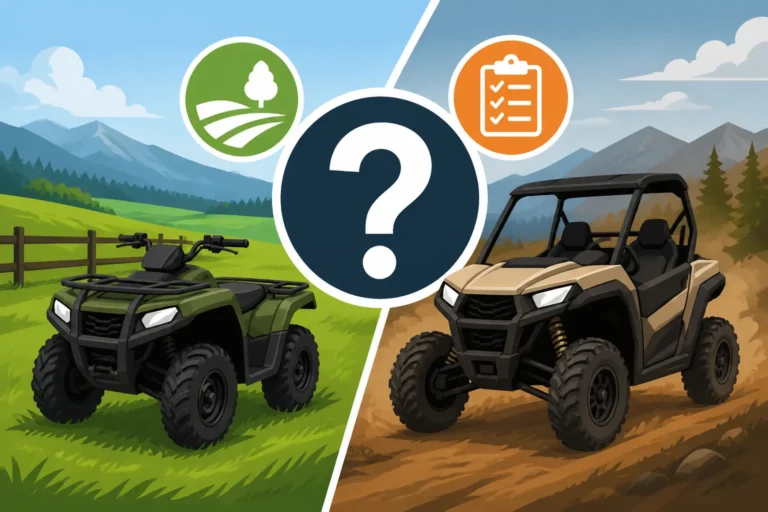
If you've ever dealt with the annual headache of renewing an ATV or UTV registration in another state, you know the drill: digging through paperwork, finding proof of insurance, writing a check, and hoping you don't miss the deadline. It's a frustrating cycle that can really take the joy out of planning your next big ride. But here in Montana, things are a little different, offering a breath of fresh air with our unique one-time permanent OHV registration, designed to give you peace of mind and more time on the trails. This guide will walk you through exactly what that means, who qualifies, and how to navigate the process so you can get out and explore our incredible landscape without the yearly hassle.
Understanding Montana's Unique OHV Registration Landscape
The notion of "permanent" registration can sound almost too good to be true, especially if you're coming from a state where vehicle paperwork seems to be a never-ending saga. But Montana genuinely offers a distinct approach to off-highway vehicle registration that aims to simplify things for owners. It's a system built on a different philosophy, recognizing the transient nature of many recreational machines and the desire for riders to just, well, ride.
The Frustration of Annual Renewals in Other States
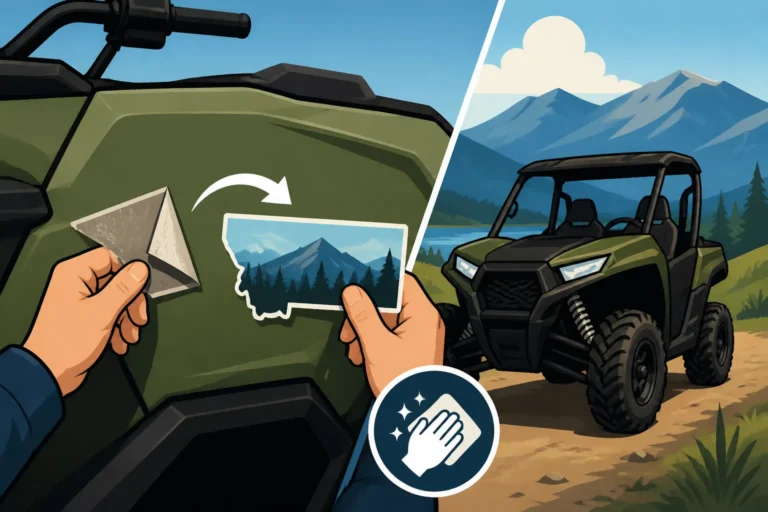
Let's be honest, those annual registration stickers in other states are a persistent nuisance. You might get a postcard in the mail, or maybe an email if you're lucky, reminding you that another payment and another round of paperwork is due. Then you have to find that little sticker and try to peel off the old one without leaving a sticky mess, only to realize the new one is a slightly different size. It's not just the monetary cost; it's the mental load, the memory game of "when did I register this one again?" and the nagging fear of getting pulled over for an expired tag when all you want to do is enjoy a sunny afternoon on the trails.
Many riders have stories of getting ticketed simply because they forgot to renew their registration, perhaps because the notice got lost in a pile of junk mail, or they were simply too busy with life. Imagine planning a long weekend trip to a new trail system, only to realize the night before that your registration expired last month. Now you're scrambling, possibly paying late fees, or even worse, cancelling your trip altogether. This cycle of recurring paperwork and fees can genuinely dampen the enthusiasm for owning and enjoying your OHV. Montana offers a way out of that loop.
What "Permanent" Really Means in Montana
When Montana says "one-time permanent OHV registration," they truly mean it for the lifespan of your ownership of that specific machine within the state. This isn't a temporary fix or a placeholder for an eventual renewal; it's a commitment that once you register your off-highway vehicle (OHV) in Montana, you generally won't have to deal with the registration process again for that machine as long as you own it. It's a significant departure from the annual or biennial systems found in most other states, and it's a huge part of what makes Montana so appealing to OHV enthusiasts.
However, it's vital to understand the nuances here. "Permanent" refers to the registration remaining valid for the same owner. It doesn't mean the registration transfers with the machine if you sell it to someone else. The moment that OHV changes hands, the permanent registration effectively ceases to exist for the new owner, and they will need to initiate their own new registration process. This is a common misconception, so it's good to clarify that upfront. Think of it as a permanent bond between you and your machine for the purpose of Montana's OHV system.
The Benefit of a One-Time Investment
The most immediate and obvious benefit of Montana's permanent registration is the profound peace of mind it offers. Imagine never having to worry about an expired OHV registration sticker again. No more annual reminders, no more scrambling for paperwork, and no more budgeting for a recurring fee. Once you've completed the process and received your decal, you're set for as long as you own that specific ATV or UTV. This single act of registration liberates you from a recurring administrative burden, allowing you to focus entirely on the joy of riding.
This one-time investment saves you not just money over the long term, but also an invaluable amount of time and mental energy. Instead of dedicating precious hours to state bureaucracy each year, you can spend that time prepping your machine for a ride, planning new routes, or simply relaxing with family and friends. For anyone who values efficiency and hassle-free ownership, Montana's permanent OHV registration is a game-changer. It represents a real commitment from the state to make off-highway riding more accessible and enjoyable for its residents and those who choose to register here.
Who Qualifies for Montana's Permanent OHV Registration?
The permanent registration system in Montana isn't exclusive to certain types of riders, but there are specific criteria related to residency and machine type that determine eligibility. Understanding these parameters is crucial before you head to the county treasurer's office, saving you time and potential frustration.
Montana Residents and Their Machines
For those who call Montana home, qualifying for permanent OHV registration is typically a straightforward process. If you possess a Montana driver's license, own property in the state, or otherwise meet the legal definition of a Montana resident, you are generally eligible to register your off-highway vehicle permanently. This applies whether you've just purchased a brand-new side-by-side from a dealer in Billings or you're bringing an old, trusty quad with you as a new resident moving to Missoula. The state wants its residents to enjoy the vast recreational opportunities available, and a simple registration process is part of that commitment.
The process for a Montana resident registering an OHV usually involves presenting your proof of ownership, like a title or [What a Montana Bill of Sale Should Say], along with your identification, at your local county treasurer's office. If you're buying a new machine, the dealership often handles some of the initial paperwork to get the titling process started. For used machines, ensuring you have a clear chain of title and a properly executed bill of sale is paramount. Remember, the goal is to establish you as the rightful owner residing in Montana, and then your machine can receive its permanent registration.
Out-of-State Buyers and the Montana LLC Route
This is where things can get a bit more complex, and also where Montana's registration system gains significant attention from beyond its borders. Many out-of-state buyers, drawn by Montana's lack of sales tax on vehicles and the allure of permanent registration, explore avenues like setting up a Montana Limited Liability Company (LLC) to register their OHVs here. The premise is that if your OHV is owned by a Montana-based legal entity (your LLC), then that entity qualifies for Montana registration, even if you, the LLC owner, live elsewhere. This strategy is often employed for high-value machines, where avoiding sales tax in one's home state can lead to substantial savings.
However, pursuing the Montana LLC route for registration is not without its considerations. It involves setting up and maintaining a legal business entity, which comes with its own costs and administrative responsibilities, such as registered agent fees and annual state filings. Furthermore, states outside of Montana have increasingly scrutinized this practice, with some actively pursuing residents who attempt to avoid their home state's sales and use taxes. Before diving into this option, it's crucial to understand the implications, both financially and legally, in your home state. For a deeper dive into this, you might find [The Montana LLC and Why Out-of-State Buyers Use It] helpful.
Specific Machine Types That Apply
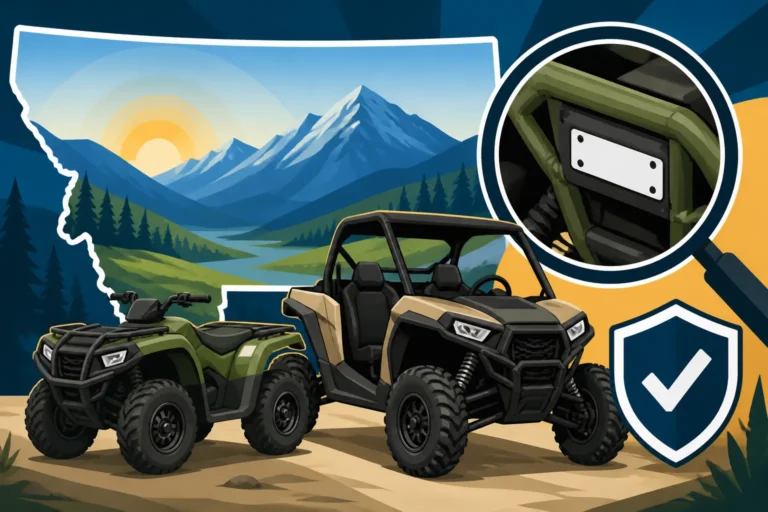
Montana's permanent OHV registration generally applies to vehicles specifically designed and manufactured for off-highway use. This includes a wide range of machines that we commonly see on trails across the state. Think of the popular quad-style All-Terrain Vehicles (ATVs), the increasingly common Utility Terrain Vehicles (UTVs) or side-by-sides, and also dirt bikes. These are machines primarily intended for recreational use on unpaved roads and trails, often equipped with specific features like off-road tires, higher ground clearance, and robust suspension systems.
However, there can be some gray areas and exceptions. For instance, modified golf carts or machines that have been extensively customized might require additional scrutiny during the registration process to ensure they meet the criteria for an OHV. Likewise, if you're attempting to make your OHV street legal, while it still needs OHV registration for off-road use, it would also need to meet additional requirements and potentially receive standard vehicle plates for road use, which is a separate process. The key takeaway is that the machine must be predominantly an "off-highway vehicle" in its design and purpose to qualify for this specific type of permanent registration.
The Step-by-Step Process for Permanent Registration
Getting your OHV permanently registered in Montana isn't complicated, but it does require attention to detail and a visit to the right place with the correct documents. It's a structured process designed to ensure proper ownership and compliance.
Gathering Your Essential Documents
Before you even think about heading to the county office, the single most important step is to gather all your necessary paperwork. This is where most people hit snags, so being prepared can save you a significant amount of time and a return trip. You'll typically need proof of ownership, which could be the manufacturer's certificate of origin (for a new machine), the previous owner's properly assigned title, or a valid [What a Montana Bill of Sale Should Say] alongside a previous registration if a title was never issued (common for very old machines or those coming from non-titling states). You'll also need personal identification, such as your Montana driver's license.
If you're an out-of-state buyer using an LLC, you'll need the LLC's articles of organization, a document proving your authority to act on behalf of the LLC, and the bill of sale made out to the LLC. It's crucial that the VIN (Vehicle Identification Number) on all your documents matches exactly. Any discrepancies can halt the process in its tracks, requiring additional verification or corrections. A complete and accurate set of documents is your golden ticket to a smooth registration experience.
Visiting Your Local County Treasurer's Office
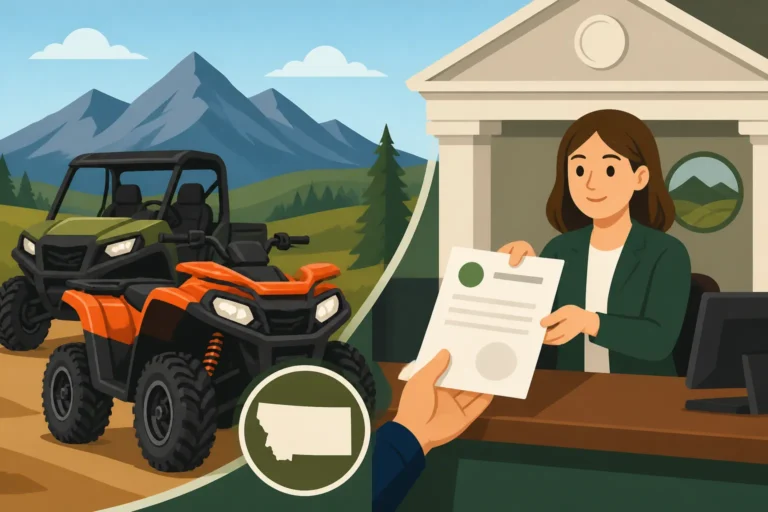
Once your documents are in order, your next stop will be your local [Montana County Treasurer OHV Registration] office. These offices handle all vehicle registrations, including OHVs, for residents of their respective counties. Whether you're in Flathead County, Gallatin County, or a smaller, more rural county, the process will generally be consistent, though wait times can certainly vary depending on the time of day, week, or even season. Mid-morning on a Tuesday often beats lunchtime on a Friday, for example.
When you arrive, you'll present your documents to a clerk, who will review them, verify your identity, and process the application. They'll input your machine's information into the state system and calculate the fees due. Patience is key here; the clerks handle a wide range of transactions, and thoroughness is more important than speed. Don't hesitate to ask questions if something isn't clear, but ensure you have everything ready to go to make their job, and your experience, as efficient as possible.
Fees and What They Cover
While the term "one-time permanent" implies a single payment, it's important to understand what those fees actually encompass. You'll typically pay a title fee, which covers the cost of issuing your machine's official Montana title. Then there's the OHV registration fee itself, which is the "permanent" part. Additionally, there's often a state park grant fee or similar contribution that goes towards maintaining and improving OHV trails and facilities across Montana. These fees are collected at the time of registration and are a one-time cost for the duration of your ownership.
Unlike annual renewals that require repeated payments, this is a lump sum investment. While the exact figures can vary and are subject to change (so always check with your county treasurer for the latest amounts), the structure remains consistent: one payment for titling, one for registration, and one for trail system support.
Here’s a general overview of the types of fees you might encounter when permanently registering your OHV in Montana:
| Fee Type | Purpose | Frequency |
|---|---|---|
| Title Fee | Covers the administrative cost of issuing an official Montana Certificate of Title for your OHV, establishing legal ownership. This fee applies whether your machine is new or used, and ensures your ownership is properly recorded with the state. | One-time |
| Permanent Registration | This is the core "one-time" fee for the actual registration. It ensures your machine is registered for the duration of your ownership in Montana, eliminating the need for annual renewals. The specific amount can vary based on machine type or year of purchase. | One-time |
| State Park Grant Fee | A portion of your registration funds recreational programs, trail maintenance, safety education, and grants to local OHV clubs, ensuring a well-maintained and accessible trail system for all riders. | One-time |
| Administrative Fee | A small fee often collected by the county for processing the transaction and issuing the various documents and decals. | One-time |
It's a comprehensive approach that ensures your machine is legally recognized and that you're contributing to the upkeep of the very trails you'll be enjoying. This makes the "one-time investment" a sound contribution to the entire OHV community. For a more detailed breakdown, you might want to look into [Montana OHV Registration Cost at the Treasurer].
Receiving Your Decal and How to Display It
Once all your paperwork is processed and fees are paid, the county treasurer's office will issue you a permanent OHV registration decal. This decal is your visible proof that your machine is legally registered for off-highway use in Montana. It’s not just a decorative sticker; it’s a compliance requirement, and proper placement is essential for law enforcement and trail managers to quickly identify registered machines.
The decal itself is typically designed to be durable and weather-resistant, able to withstand Montana's varied climates. Instructions for placement are usually provided, but generally, the decal should be affixed in a visible location on the rear of the machine. For ATVs, this might be on the fender or a designated plate. For side-by-sides, it’s often on the rear body panel or roll cage, where it’s easily seen from behind. Knowing [Where a Montana OHV Decal Goes] ensures you avoid any issues with wardens or deputies who check for proper registration while you're out exploring the backcountry. Make sure it’s securely attached and not obscured by mud, gear, or modifications, as this is your ticket to hassle-free trail access.
What Permanent Registration Actually Buys You (and What It Doesn't)
Having a permanent OHV registration in Montana is incredibly convenient, but it's important to have a clear understanding of its scope. It opens up many doors for enjoying the state's vast outdoors, but it doesn't automatically grant unrestricted access or negate other responsibilities.
Access to Montana's Public Trails
The primary and most significant benefit of your permanent Montana OHV registration is the legal access it grants you to the state's incredible network of public trails. This includes vast expanses of National Forest lands, Bureau of Land Management (BLM) areas, and State Parks or Fish, Wildlife & Parks (FWP) sites that permit OHV use. With your permanent decal prominently displayed, you can confidently explore designated routes without needing additional state-level permits for trail use. This is truly where the "permanent" aspect shines, allowing you to ride year after year on these stunning public lands.
Imagine heading out for a week-long camping and riding trip in the Lolo National Forest or tackling the challenging routes in the Custer Gallatin area near Bozeman. Your permanent registration ensures that your machine is recognized as legitimate for use on these federal and state lands, as long as you adhere to all local regulations and respect any seasonal closures or specific trail rules. It's the key to unlocking countless adventures, from high mountain passes in the summer to crisp, low-elevation rides in the fall. You can spend less time on paperwork and more time enjoying the miles of trails that Montana has to offer.
Road-Legal Considerations and Limitations
This is a crucial point that often leads to confusion: Montana's permanent OHV registration does not automatically make your ATV or UTV street legal. An OHV registration is specifically for off-highway use. While Montana does have provisions for OHVs to operate on certain public roads, especially county roads and specific city streets, this access is typically granted by local ordinances and often requires your machine to meet additional equipment requirements. These can include headlights, taillights, brake lights, mirrors, turn signals, and sometimes even a horn.
So, while you might be able to ride your permanently registered side-by-side down a gravel county road to get to a trailhead in certain areas, you can't just hop on a state highway or main street in any town. Always check local ordinances and state statutes for specific rules regarding road use. You might also need a valid driver's license to operate on roads, regardless of your OHV registration status. The freedom to ride on certain roads is a bonus, but it's a separate consideration from the fundamental OHV registration. For detailed information on where and how you can ride on public roads, refer to guides like [Riding an OHV on the Road in Montana].
Insurance Requirements and Recommendations
Even with the ease and permanence of Montana's OHV registration, the subject of insurance cannot be overlooked. While Montana typically does not mandate liability insurance for OHVs operating strictly off-highway on public lands, it is an absolutely critical recommendation for any responsible owner. Accidents happen, and without proper insurance, you could be facing substantial financial hardship for damages, injuries, or legal fees if you're involved in a collision, even if it's not your fault.
Moreover, if you plan to operate your OHV on any public roads where allowed by local ordinance, Montana law does require you to carry liability insurance, just as you would for a regular automobile. Beyond liability, considering comprehensive or collision coverage is wise, especially for newer or more expensive machines. This protects your investment from theft, vandalism, fire, or damage sustained in an accident. Always verify your coverage with an insurer, as not all home or auto policies extend to OHVs. A small premium for peace of mind is always worth it, protecting both yourself and your assets. You can find more insights on this topic in articles like [Insuring an ATV in Montana].
Common Pitfalls and How to Avoid Them
Even with the simplicity of Montana's permanent OHV registration, there are a few common scenarios that can trip up owners. Being aware of these potential pitfalls can save you significant time, money, and frustration down the road.
Transferring Ownership and Registration Expiration
One of the most frequently misunderstood aspects of Montana's "permanent" OHV registration is what happens when you sell your machine. As mentioned earlier, the registration is permanent for the owner. The moment you sell your ATV or UTV, that permanent registration effectively expires. It does not transfer to the new buyer. This is a critical distinction that new owners, especially those moving to Montana or buying a used machine from within the state, often overlook.
The new owner must then go through the entire registration process themselves, acquiring a new title and their own permanent OHV registration for the machine. This ensures that the state maintains an accurate record of ownership and that new owners are properly inducted into the system. If you're selling your machine, make sure to clearly communicate this to the buyer so they aren't surprised by the need to register it anew. Understanding [Why a Sold Machine Loses Its Registration] is paramount for both buyers and sellers in Montana.
The Importance of a Clean Title
A clean and clear title is the bedrock of any vehicle transaction, and OHVs are no exception. Dealing with a machine that has a lien against it, a "salvage" brand on its title, or worse, no title at all, can lead to monumental headaches during the registration process. The county treasurer's office needs to confirm legitimate ownership, and any cloud on the title will raise red flags. A lien, for example, means someone else has a financial claim to the machine, and it cannot be transferred or registered in your name without that lien being officially released.
If you buy a machine from a private seller and they vanish before you get all the paperwork straightened out, or if the title is missing crucial signatures, you could be left with a machine you can't legally register. In such cases, you might need to pursue a bonded title, which involves a more complex and sometimes lengthy process. Always insist on a clear title, properly signed and dated, from the seller. If you're ever in a situation where [Titling a Machine the Seller Vanished On], prepare for extra legwork and potentially legal assistance. Websites like LawDepot can be useful here, offering templates for legally sound bills of sale and other ownership transfer documents that can help prevent these issues from the outset.
Out-of-State Use and Reciprocity (or Lack Thereof)
While Montana's permanent OHV registration is fantastic for riding within the Treasure State, it's crucial to understand its limitations when you venture outside its borders. Many states do not offer reciprocity for Montana's permanent registration. This means that if you trailer your permanently registered ATV or UTV to Idaho, Wyoming, or any other state, you will likely need to acquire a non-resident permit or temporary registration for that specific state before you can legally ride on their public lands.
Each state has its own rules and fees for out-of-state OHV operators, and assuming your Montana registration covers you everywhere else can lead to fines and unwanted complications. Always research the OHV laws of any state you plan to visit before you leave home. This foresight will save you from potential disappointment or legal trouble. The permanent registration is a wonderful asset for Montana adventures, but it's primarily a Montana solution. For more details on this, check out [Riding a Montana Machine in Another State].
Special Circumstances and Nuances
Life isn't always straightforward, and neither are all OHV situations. Montana's registration system, while generally clear, also has provisions and specific requirements for less common scenarios. Understanding these nuances ensures you remain compliant, no matter your situation.
Registering a Homemade or Modified Machine
The passion for custom builds and highly modified machines runs deep in the OHV community. Whether you've built a "buggy" from the ground up or significantly altered a factory machine, registering it in Montana can present some unique challenges. The primary hurdle is establishing a Vehicle Identification Number (VIN) for homemade machines or verifying the original VIN for heavily modified ones. A VIN is essential for titling and registration, as it uniquely identifies your machine and links it to ownership records.
For homemade machines, you'll typically need to go through a VIN inspection process, where law enforcement or an authorized agent will inspect your build, assign a state-issued VIN, and then create a record of your machine. This ensures that even unique creations can be legally registered. For modified machines, as long as the original VIN is still intact and readable, the process is generally the same as a standard OHV, but be prepared to answer questions about the modifications if they significantly alter the machine's original design or safety features.
Estate Planning and Inherited Machines
Losing a loved one is difficult enough without the added stress of navigating paperwork for their possessions. When an OHV is part of an estate, transferring ownership to heirs or beneficiaries requires specific steps to ensure legal continuity. If the deceased owner had a Montana title for the OHV, the transfer typically involves the personal representative of the estate (executor) signing off on the title, often with supporting documents like letters of testamentary or an affidavit of heirship, especially for smaller estates.
The goal is to legally establish the new owner, at which point they can then apply for a new title and their own permanent OHV registration. If the estate is complex or if the title is missing, it might require a more involved legal process. In such sensitive times, having access to reliable legal forms can be a real help. Services like LawDepot offer templates for affidavits of heirship, bills of sale, or other legal documents that can assist families in properly transferring ownership during estate settlement. Knowing [Transferring a Montana OHV After an Owner Dies] can provide specific guidance during such a challenging period.
Dealing with Lost or Damaged Decals
Life on the trails can be rough, and sometimes, despite your best efforts, your permanent OHV registration decal can get lost, damaged, or simply peel off over time due to weather exposure. While your registration itself is "permanent" for your ownership, the decal is the physical proof. Riding without a visible, intact decal can lead to questions from law enforcement or trail managers, who rely on it for quick verification. It’s always best to replace a compromised decal as soon as you notice the issue.
Thankfully, replacing a lost or damaged decal is a relatively straightforward process. You'll typically need to visit your county treasurer's office again, provide your identification and proof of your existing registration (like your title or prior registration receipt), and pay a small replacement fee. They will then issue you a new decal. It’s a minor inconvenience, but it ensures you remain compliant and can continue enjoying Montana's trails without worry. For more details, consult [Replacing a Montana OHV Decal].
The Bigger Picture: Supporting Montana's OHV Infrastructure
While the personal convenience of permanent registration is a huge draw, it's also important to recognize that your fees contribute to a much larger effort. This system isn't just about individual peace of mind; it's about sustaining and enhancing the OHV experience for everyone in Montana.
Where Your Registration Fees Go
Ever wonder where those one-time registration fees actually end up? It's a valid question, and the answer is quite reassuring for any OHV enthusiast. A significant portion of the funds collected from OHV registrations, including the permanent fees, is dedicated to the enhancement and maintenance of Montana's extensive network of motorized trails. This isn't just theory; these funds directly support projects like clearing fallen trees, repairing washed-out sections, installing signage, and improving trailheads.
Beyond direct trail work, these fees also contribute to state park grant programs that fund local OHV clubs and organizations. These clubs often serve as the boots on the ground, performing much of the vital volunteer work to keep trails open and enjoyable. Additionally, some funds may be allocated to OHV safety education initiatives and even support search and rescue operations, ensuring that help is available when and where it's needed in Montana's vast backcountry. It's a self-sustaining system where riders' contributions directly benefit the riding community. For a more detailed look, check out [Where Montana OHV Fees Go].
Advocacy and the Future of Montana OHV Riding
Every registered OHV in Montana, especially those with permanent registration, contributes to the overall strength and visibility of the OHV community within the state. A robust number of registered machines demonstrates the popularity and economic impact of off-highway riding to state legislators, land managers, and the general public. This collective voice is crucial for advocating for continued trail access, preventing unwarranted closures, and even expanding riding opportunities.
When decisions are made about land use, recreational access, and funding for outdoor activities, the number of registered users is a powerful metric. By registering your OHV, you're not just getting a sticker; you're becoming a statistic that helps illustrate the demand for and importance of motorized recreation. This contributes to a healthier and more secure future for OHV riding across Montana, ensuring that future generations can enjoy the same incredible access to trails that we do today.
Understanding the "No Sales Tax" Advantage (for out-of-state buyers)
It's impossible to discuss Montana's OHV registration without briefly touching on one of the state's most famous fiscal quirks: the absence of a general sales tax. This is a massive draw for buyers of all types of vehicles, including ATVs and UTVs, particularly for those coming from states with high sales tax rates. When you purchase a machine in Montana, whether new or used, you simply don't pay sales tax at the point of sale. This can amount to thousands of dollars in savings on an expensive side-by-side, making the overall cost of acquisition significantly lower.
While this is a clear advantage for Montana residents, and a driving factor for out-of-state buyers exploring the LLC route, it comes with a strong caveat: your home state will almost certainly expect you to pay "use tax" when you bring the machine home. This use tax is typically equivalent to the sales tax you would have paid if you had bought the vehicle in your state of residence. Therefore, while Montana offers a "no sales tax" advantage, it doesn't always translate to avoiding tax altogether, especially if you're not a Montana resident. However, the direct savings at the point of purchase are undeniable and contribute to the appeal of registering a machine in Montana. You can learn more about this in [No Sales Tax on a Montana Machine Purchase].
Disclaimer
This article is for general informational purposes only and does not constitute professional advice. Laws, prices and regulations vary by location and change over time. Consult a qualified professional for guidance on your specific situation.