Why a Sold Machine Loses Its Registration
It can be incredibly confusing and even frustrating when you buy or sell an ATV or UTV in Montana, only to find out the registration doesn't just transfer with the machine like a vehicle plate might. Many folks assume that if a machine is registered, it stays registered until that sticker expires. However, Montana has a unique system for off-highway vehicles (OHVs) that ties the registration to the owner, not the machine itself. This guide will walk you through exactly why a sold machine loses its registration in Montana and what new owners need to do to get on the trails legally.
The Core Principle: Registration Follows the Owner, Not the Machine
One of the biggest differences between registering a standard vehicle, like your pickup truck, and an OHV in Montana is who or what the registration actually "belongs" to. For cars and trucks, the license plate and registration are tied directly to that specific vehicle, following it through multiple owners until it's retired. With ATVs, UTVs, and other OHVs in Montana, it's a different story entirely. The state's system is designed to register the owner as the responsible party for a particular machine, not to assign a transferable registration to the machine itself.
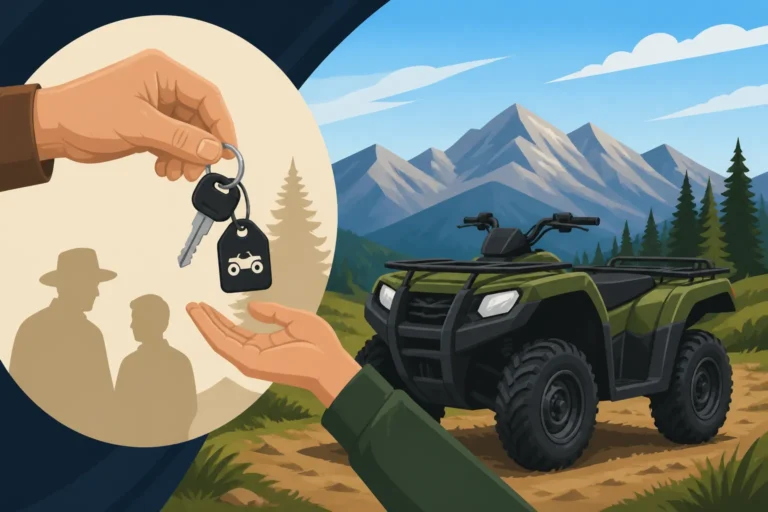
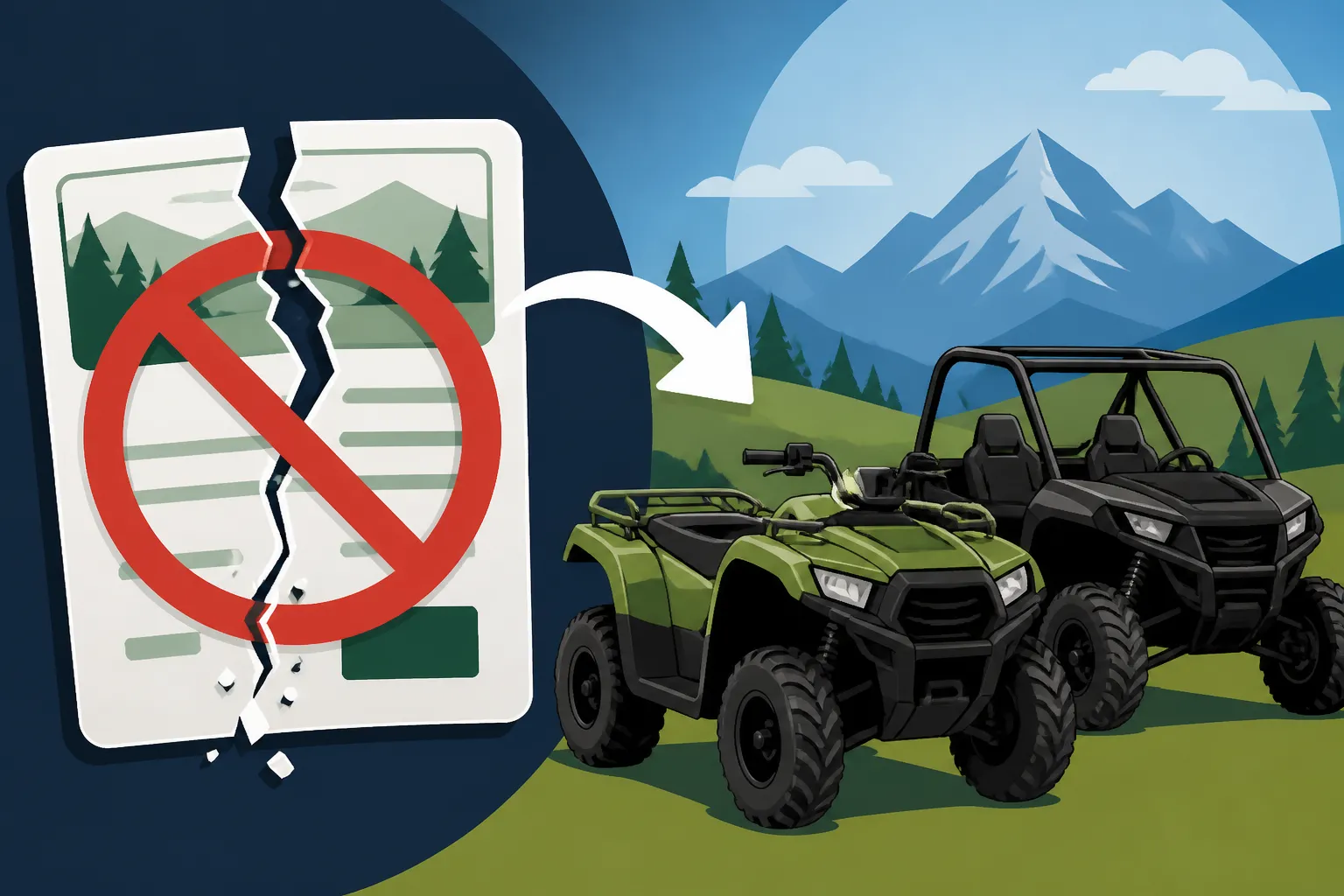
When you purchase an OHV, you, the individual, are registering your intent to operate that specific machine on public lands and trails. If you decide to sell that machine down the road, your registration with the state for that specific OHV effectively ends. It doesn't transfer to the new buyer because the state sees it as your registration, not the machine's. This means the new owner can't just slap your old decal on their machine and call it good. They have to start the registration process from scratch under their own name. This might seem like an extra step, but it's crucial for understanding how to stay legal on Montana's fantastic network of trails.
How Montana OHV Registration Works
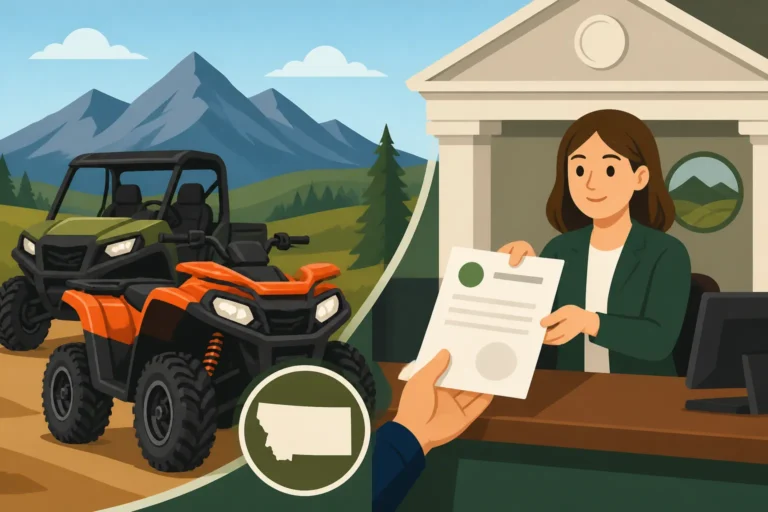
In Montana, registering an OHV is typically a one-time affair for residents, often referred to as "permanent" registration. You go to your local county treasurer's office, provide proof of ownership – usually a title or a properly executed bill of sale – and pay the necessary fees. Once processed, you receive a registration document and a decal. This decal includes information specific to your ownership, like the year it was issued and often a unique identifier. It's meant to signify that you are the registered owner of that machine.
When you sell your machine, that previous registration becomes invalid. Think of it like a library card: it identifies you as the borrower of a book. If you give the book to a friend, they can't use your library card to check out more books under your name. They need their own card. Similarly, the new owner of your OHV needs to establish their own registration with the state. This helps the state track ownership and ensures that every machine operating on public land has a currently registered, identifiable owner responsible for it. For more details on the initial process, check out [Registering an OHV in Montana].
What "Permanent" Really Means in Montana
The term "permanent registration" for OHVs in Montana can be a little misleading and often causes confusion. It doesn't mean the registration lasts forever, no matter who owns the machine. Instead, it means that for you, the original owner, your initial registration payment covers the lifetime of your ownership of that specific machine. You generally won't have to renew it annually or pay recurring fees as long as you own it. However, if you sell the machine, that "permanence" ends for you, and it certainly doesn't carry over to the next buyer.
For the new owner, their "permanent" registration will also last for their duration of ownership. It's more accurate to think of it as a "one-time registration per owner." This system simplifies things for long-term owners by removing the need for annual renewals, which can be a hassle. But it also places the responsibility squarely on the new buyer to complete their own registration process. Understanding [What Permanent Registration Actually Buys You] can help clarify this further.
Why This System Benefits Montana Buyers and Sellers
While it might seem like an extra bureaucratic hurdle, Montana's owner-centric OHV registration system actually offers some distinct benefits for both sellers and buyers, even if it requires a little more upfront understanding. It clearly defines who is responsible for a machine's legal status at any given time, preventing confusion and potential liability issues that could arise from a transferable system.
For sellers, it's a clean break. Once the machine is sold, their responsibility for its registration ends. They don't have to worry about the new owner forgetting to transfer the registration and then still having the machine associated with their name. For buyers, it ensures they are starting with a fresh slate, with their own legal documents and decals, leaving no doubt about their ownership and compliance. This structure might be different from what some are used to, especially if they're coming from states with different regulations, but it has its merits in keeping things clear cut in Big Sky Country.
Seller's Perspective: No Transfer Hassle
As a seller, the fact that your registration doesn't transfer is actually a relief. You don't have to concern yourself with ensuring the buyer completes a transfer of registration in a timely manner. Once you've sold the machine, signed over the title, and provided a [What a Montana Bill of Sale Should Say], your part in the registration process is essentially complete. Your registration is no longer valid for that machine, and the responsibility shifts entirely to the new owner to get their own.
This also protects you from potential liability. Imagine if your registration did follow the machine, and the new owner committed a violation or was involved in an incident with it before transferring the registration. In some systems, there could be lingering legal questions that trace back to you. Montana's system largely avoids this by making it clear that once the machine is out of your hands, the registration is no longer tied to you. It's a clean break, allowing you to focus on your next adventure or whatever comes after the sale.
Buyer's Responsibility: Starting Fresh
For the buyer, this means they have a clear and unambiguous responsibility to register the machine in their own name immediately after purchase. There's no gray area where they might "borrow" the previous owner's registration. This is a good thing because it means you, the new owner, are establishing your own legal ownership and right to operate the machine. It ensures all the documentation—title, registration, and decals—are in your name, which is vital for any future transactions, insurance claims, or if you ever need to prove ownership.
Starting fresh means you're not inheriting any potential issues from the previous owner's registration. You're creating your own official record with the state. While it requires a trip to the county treasurer, it's a straightforward process that puts you in full compliance from day one. It also ensures you receive a new decal that is current and clearly indicates your legal right to ride. Many folks find that getting this paperwork handled quickly provides peace of mind before they even hit the trails.
What the New Owner Must Do (and Why It's Crucial)
So, you've just bought an ATV or UTV in Montana, and you understand that the old registration is no longer valid. What's next? Your very first step, before you even think about hitting a public trail, is to properly register the machine in your name. This isn't just a suggestion; it's a legal requirement. Operating an unregistered OHV on public lands in Montana can lead to citations and penalties, which nobody wants when they're out trying to enjoy the incredible scenery.
The process for the new owner is essentially the same as if you were registering an OHV for the very first time. You'll need specific documents and a trip to the county treasurer's office. This ensures that the state records reflect the current, legal owner and that you have valid proof of registration and the necessary decals displayed on your machine. Don't let the excitement of a new machine overshadow the importance of getting your paperwork in order.
Steps for Registering Your Newly Acquired OHV
To get your newly acquired OHV registered in your name, you'll need to head to your local [Montana County Treasurer OHV Registration]. Here’s a general rundown of what to expect and what to bring:
- Proof of Ownership: This is paramount. If the machine has a title, you'll need the original title, properly signed over to you by the previous owner. If it's an older machine and doesn't have a title (some very old ATVs or those not originally titled might fall into this category), a clear and complete [What a Montana Bill of Sale Should Say] is essential. This bill of sale should include the make, model, year, and most importantly, the Vehicle Identification Number (VIN) of the OHV. LawDepot can be a useful resource if you need a template for a comprehensive bill of sale, ensuring all necessary details are covered.
- Identification: Bring your valid driver's license or other state-issued ID.
- Payment for Fees: There will be a fee for titling (if applicable) and a fee for the OHV registration itself. Remember, Montana has no general sales tax on machines, which is a nice perk! You can find more about this at [No Sales Tax on a Montana Machine Purchase].
- Application: The treasurer's office will provide you with the necessary application forms to fill out.
Once everything is submitted and approved, you'll receive your new registration document and a new OHV decal. You'll need to make sure this decal is placed correctly on your machine, typically on the rear, clearly visible. See [Where a Montana OHV Decal Goes] for specific placement guidelines. This process effectively makes the machine legally yours in the eyes of the state for public land use. If you need more details on [Re-Registering a Machine You Just Bought], we have a full guide on that too.
The Importance of a Bill of Sale
Even if you have a title, a detailed bill of sale is incredibly important when buying or selling an OHV in Montana. It serves as a legal document confirming the transaction, outlining the terms, and identifying both the buyer and seller. For machines that may not have a title, it becomes your primary proof of ownership, which is absolutely critical for registration. Without proper [Proof of Ownership for a Montana Title], the county treasurer won't be able to issue you a new title or registration.
A well-crafted bill of sale should include:
- Full names and addresses of both buyer and seller.
- The date of the sale.
- A clear description of the OHV (make, model, year, color).
- The complete Vehicle Identification Number (VIN).
- The purchase price.
- A statement that the seller is transferring all rights and ownership to the buyer.
- Signatures of both parties.
Using a reliable template from a service like LawDepot can help ensure you don't miss any critical information. This document protects both parties and is your golden ticket to getting that machine legally registered in your name. If you encounter issues because the seller didn't provide adequate paperwork, it can become a real headache, potentially leading to you being unable to register the machine.
Common Misconceptions and Avoiding Pitfalls
Understanding Montana's OHV registration system can save you a lot of grief. Many people, especially those new to the state or coming from areas with different regulations, make understandable assumptions that simply don't apply here. Avoiding these common pitfalls means a smoother experience and more time enjoying Montana's vast backcountry. The state's unique approach is designed for clarity, but it requires a bit of education to navigate successfully.
The key takeaway is that an OHV is treated differently than a road-legal vehicle in terms of registration transfer. This distinction is foundational to how Montana manages its motorized recreation, and respecting it is essential for every rider. By being informed, you can ensure your transition into or out of OHV ownership is as hassle-free as possible.
Don't Confuse OHV Registration with Vehicle Plates
This is perhaps the most frequent source of confusion. When you buy a used car or truck with existing license plates, those plates usually stay on the vehicle, and you complete a title transfer and new registration in your name. You then receive a new registration card for those existing plates, or new plates if the old ones were personalized. This is not how it works for OHVs in Montana.
An OHV decal, while looking somewhat similar to a vehicle sticker, serves a different purpose. It's a marker of your individual, "permanent" registration for that machine. When the machine is sold, that decal (and the registration it represents) becomes invalid. The new owner must obtain a new title (if not already titled in their name) and a new registration, which will come with a brand-new decal. Assuming an old decal is still good for the new owner is a surefire way to run into problems with wardens or law enforcement on the trails. Remember, [Penalties for an Unregistered OHV in Montana] can be steep, so always err on the side of caution.
Out-of-State Buyers and Montana's System
If you're an out-of-state buyer purchasing a machine in Montana and planning to take it back to your home state, Montana's owner-centric registration system still impacts you. Even if you don't intend to register the machine in Montana, the seller's Montana registration is still invalid upon sale. Your responsibility will then be to comply with your home state's registration and titling laws.
However, if you're an out-of-state visitor planning to ride in Montana, you'll need to be aware of Montana's separate rules for non-resident use permits, unless your home state has reciprocity. Montana's system ensures that every machine on its public lands is accounted for by a current, identifiable owner, whether that owner is a resident or a visitor with the appropriate temporary permit. Even if you're just buying the machine in Montana to export it, understanding that the previous owner's registration is null and void is important for a smooth transaction.
| Aspect | Montana OHV Registration (Sold Machine) | Standard Vehicle Registration (Transfer) |
|---|---|---|
| Registration Validity | Ends with sale to a new owner | Transfers or renewed with new owner for same vehicle |
| Decal/Plate | Old decal becomes invalid; new owner gets new decal | Existing plates often stay; new owner gets new registration for them |
| System Focus | Owner-specific for that machine | Vehicle-specific, transferable between owners |
| Buyer's Action | Must get new registration and decal | Transfers existing registration/plate to their name |
| Seller's Action | Signs title/bill of sale; registration ends | Signs title; often removes plates if state requires |
Disclaimer
This article is for general informational purposes only and does not constitute professional advice. Laws, prices and regulations vary by location and change over time. Consult a qualified professional for guidance on your specific situation.