Buying a Salvage Machine in Montana
It's an exciting prospect, isn't it? Finding an ATV or UTV with a price tag that seems too good to be true, perhaps an off-road machine that's suffered some damage but still holds the promise of epic Montana adventures. But buying a salvage-titled vehicle, especially an OHV, can quickly turn a dream deal into a wrench-turning nightmare if you're not prepared. This guide will help you understand exactly what you're getting into, the critical steps to take, and whether bringing a damaged machine back to life in Big Sky Country is truly worth it for your budget and your sanity.
Understanding Salvage Titles in Montana for ATVs and UTVs
When you're browsing online listings or local ads, you might stumble upon an ATV or UTV advertised with a "salvage title." This phrase often catches the eye because it usually means a significantly lower asking price. But in the world of off-highway vehicles, "salvage" carries a weight of implications that go far beyond a simple discount. It's crucial to understand what this designation truly signifies before you even think about handing over your hard-earned cash.
What "Salvage" Really Means for Your Off-Road Machine
A salvage title in Montana, like in most states, means that an insurance company has deemed the cost to repair the vehicle to be greater than a certain percentage of its fair market value, or it has been recovered after a theft. For ATVs and UTVs, this "total loss" threshold can be met surprisingly quickly due to their often lower initial value compared to cars or trucks. A rollover on a rocky trail, significant water damage from an unexpected ford crossing, or even extensive cosmetic damage could push a machine into salvage territory.
The temptation to snap up a machine with a salvage title is understandable. Who doesn't love a bargain? However, that low sticker price often hides a multitude of potential problems. You might see a bent frame, a seized engine from water ingestion, or a tangled wiring harness that looks like a rat's nest. Many buyers look at a salvage machine and envision a few hours of work and some cheap parts, ready to hit the trails. The reality, however, is often far more complex, time-consuming, and expensive than initial appearances suggest. It's rarely just a simple "fix and ride" situation.
The Difference Between Salvage and Rebuilt Titles
This is a critical distinction that many buyers overlook. A vehicle with a "salvage" title is effectively considered unrideable and unregistrable for public use. It cannot legally be operated on any public land, trail, or road until it has been properly repaired and inspected. Think of it as a patient fresh out of a major accident, waiting for surgery.
Once the repairs have been made to bring the machine back to safe operating condition, it then goes through a rigorous inspection process. If it passes, the state of Montana will issue a "rebuilt" title. This "rebuilt" designation signifies that the vehicle has been repaired and is now deemed safe for use. However, the "rebuilt" brand remains permanently on the title, a clear indicator to all future buyers of its past. Knowing [What a Rebuilt Title Warns a Buyer About] is essential for understanding its long-term value and any potential future challenges. It's a badge of its history, and it means the machine will likely always carry a lower resale value than one with a clean title, even after extensive repairs.
Why Montana OHVs End Up With Salvage Titles
Montana's rugged terrain and adventurous spirit are fantastic for riding, but they also contribute to the number of OHVs ending up with salvage titles. Imagine a side-by-side navigating a steep, rocky incline in the Little Belt Mountains and rolling over, crushing the cage and damaging suspension components. Or consider an ATV left too close to a rising river during spring runoff, resulting in waterlogged electronics and engine damage. Theft recoveries in bigger towns like Bozeman or Missoula can also lead to salvage titles if the machine suffers significant damage during the theft or recovery process, or if the insurer has already paid out a claim.
Another significant factor is the depreciation rate of off-road vehicles. Unlike some classic cars, ATVs and UTVs often lose value rapidly. This means that relatively moderate damage, which might be a straightforward repair on a newer, higher-value vehicle, can quickly exceed the "total loss" threshold for an OHV. A $3,000 repair bill on a quad only valued at $5,000 will almost certainly result in a salvage declaration, even if the damage isn't fundamentally catastrophic. So, while the initial damage might seem minor, the cost of genuine parts and skilled labor can quickly add up, pushing it into the salvage category.
The Risks and Rewards of Buying a Salvage OHV
Venturing into the world of salvage OHVs is a high-stakes gamble. On one hand, there's the undeniable allure of a machine you might otherwise not be able to afford, offering the chance to hit Montana's incredible trails for less. On the other hand, there's a minefield of potential problems that can drain your wallet, your time, and your enthusiasm. It's about weighing the promise of a deal against the very real possibility of a money pit.
The Lure of a Low Price vs. Potential Money Pits
That deeply discounted price tag is often the primary motivator for considering a salvage ATV or UTV. It feels like you're getting away with something, scoring a fantastic deal that others missed. Maybe you've seen a pristine UTV that retails for $20,000, and here's a similar model for $5,000, "just needs a little work." This perception of a bargain is powerful, but it's also where many buyers get into trouble.
The "little work" can quickly escalate into a massive, unexpected investment. Hidden costs are the bane of salvage buyers. What if the frame, which looked okay at a glance, is actually twisted? What if the "repaired" engine has internal damage that only manifests after a few hours of hard riding? Electrical gremlins from water damage can be notoriously difficult and expensive to diagnose and fix, requiring specialized tools and knowledge. Rust can creep into places you can't easily see, compromising structural integrity. Suspension components, wheels, and tires might all need replacing. What seems like a few hundred dollars in parts can easily balloon into thousands, potentially even exceeding the cost of a clean-titled machine, not to mention the value of your own time spent wrenching.
Essential Due Diligence: What to Check Before You Buy
If you're still considering a salvage OHV, performing rigorous due diligence is not just recommended, it's absolutely mandatory. You wouldn't buy a house without an inspection, and a salvage OHV deserves the same level of scrutiny. The single most important step you can take is to get a pre-purchase inspection from a qualified, independent mechanic who specializes in ATVs and UTVs. Don't rely on the seller's assurances or your own untrained eye. A good mechanic can spot issues you'd never notice, like subtle frame damage, signs of internal engine problems, or overlooked electrical faults.
Beyond a mechanic's inspection, you need to be a detective yourself. Always verify the VIN (Vehicle Identification Number) on the machine against the title documents. This ensures the machine is what the seller claims it is and hasn't been re-stamped or altered. Run the VIN through an online database or contact your local law enforcement to check for any theft history or prior damage reports. [Checking a Used Quad for a Theft Report] is a vital step in protecting yourself from buying stolen property. Ask the seller for detailed documentation of the damage that led to the salvage title and any repairs that have already been made. The more transparency, the better. When finalizing any purchase, ensure you have a comprehensive bill of sale. A resource like LawDepot can be invaluable here, offering customizable bill of sale templates that clearly outline the terms of the sale, the "as-is" condition, and any specific disclosures. This protects both you and the seller and is crucial for future titling.
Titling and Registration Challenges in Montana
This is where many aspiring salvage OHV owners hit a significant roadblock. You cannot simply take a salvage-titled ATV or UTV to the county treasurer's office and expect to get it registered. The "salvage" brand means it's not considered street or trail legal until it has been properly repaired and re-certified. It's essentially in a legal limbo, unable to be registered for public use.
The process involves first making all necessary repairs, and then submitting to a state inspection to verify that the machine is safe and roadworthy. You'll need to gather all your repair receipts, proof of parts purchased, and sometimes even photos of the repair process. If, for some reason, the title itself is missing, the process becomes even more complicated, potentially requiring you to apply for a [Bonded Title for an ATV in Montana] which is another layer of expense and paperwork. After a successful inspection, you'll then apply for a new, "rebuilt" title. Only once you have this "rebuilt" title in hand can you proceed with the usual registration process at your local county treasurer's office. Getting all this paperwork in order, from the initial bill of sale to the final inspection certificate, is paramount. Missing signatures, incomplete forms, or a lack of proper documentation can stall your efforts indefinitely, leaving you with an expensive paperweight. [Titling an OHV in Montana] is a multi-step process that becomes even more complex with a salvage history.
The Rebuilding Process and Getting Back on the Trail
So, you've done your due diligence, accepted the risks, and decided to take on a salvage OHV project. Now comes the real work: bringing that machine back to life and navigating the necessary paperwork to make it legal again. This isn't just about turning wrenches; it's about meticulous documentation, understanding the state's requirements, and being prepared for the various costs involved.
Steps to Obtain a Montana Rebuilt Title
Once you've completed all the necessary repairs, the next crucial step is to get the machine inspected to convert its "salvage" title to a "rebuilt" title. In Montana, this inspection is typically performed by the Highway Patrol or another designated inspection facility. This isn't a casual look-over; they are thoroughly checking for safety, proper repair, and verifying that the VIN and other identifying marks are intact and legitimate. You'll need to provide proof of all your repairs, which means keeping detailed receipts for every part you purchased and every service you paid for. If you did the work yourself, you'll still need those parts receipts. They'll be looking for structural integrity, correct functioning of brakes and steering, proper lighting, and overall safety.
You'll also need to fill out specific forms provided by the state, detailing the repairs made and certifying that the machine is now safe. This can feel like a mountain of paperwork, but it's a non-negotiable step. Ensuring all your documentation is complete and accurate from the start will save you a lot of headaches later. For those buying and selling parts, a robust bill of sale, like those available through LawDepot, can also serve as excellent documentation for your repair history, proving legitimate ownership and transfer of components.
Costs Beyond the Purchase Price
It's easy to focus on the initial purchase price, but the reality is that the expenses associated with a salvage OHV go far beyond that. First, there are the repair costs themselves. Even if you're a skilled mechanic doing your own labor, parts can be surprisingly expensive, especially for specific models or specialized components like ECUs, differentials, or suspension arms. If you need professional help, shop labor rates can quickly chew through your budget.
Then come the administrative fees. There's usually a fee for the state inspection itself. After passing, you'll pay a [Montana OHV Title Fee] to get your new rebuilt title issued. Don't forget the smaller, often overlooked costs: new fluids, filters, spark plugs, possibly new tires if the old ones were damaged or worn, and any safety accessories you might need to replace. All these little things add up. It's also worth considering the value of your own time. If you spend 100 hours fixing a machine, that's 100 hours you could have spent riding or earning money elsewhere. Factor that into your true "cost" of the machine.
Final Steps: Registration and Insurance
Once you've successfully navigated the inspection process and received your shiny new "rebuilt" title, you're finally ready for the final hurdles. With the rebuilt title in hand, you can now proceed with [Registering an OHV in Montana] at your local county treasurer's office. You'll need to provide your rebuilt title, proof of identification, and pay the registration fees. Montana's permanent OHV registration is a fantastic benefit, but you still need that valid title to get it.
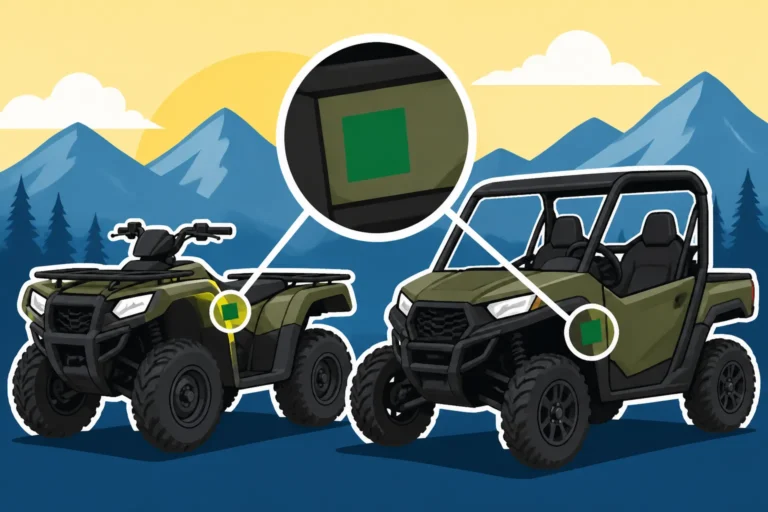
Don't forget about insurance. It's wise to carry [Insuring an ATV in Montana], especially if you plan to ride on public lands or county roads (where permitted). You'll need to contact insurance providers and disclose that your machine has a rebuilt title. While most companies will still offer coverage, it's possible that the "rebuilt" brand might affect your premiums or the payout value in the event of a future claim. Be transparent with your insurer to avoid any issues down the road. Finally, once all the paperwork is done and the registration is complete, you can proudly affix your [Montana OHV Decals and Rear Placement] and hit the trails, knowing you've truly brought your machine back to life.
When a Salvage Purchase Makes Sense (and When It Doesn't)
Deciding whether to buy a salvage ATV or UTV is a deeply personal choice, often dictated by your mechanical skill, your budget, and your appetite for risk. For some, it's a labor of love that results in a unique machine and significant savings. For others, it quickly becomes a financial black hole and a source of endless frustration. Knowing the difference is key to a successful outcome.
The DIY Enthusiast and Parts Machine Scenario
For the true do-it-yourself enthusiast, someone who has a well-equipped garage, a solid set of tools, and a deep understanding of OHV mechanics, a salvage machine can be a incredibly rewarding project. If you enjoy the challenge of diagnosing problems, sourcing parts, and rebuilding engines, then salvaging an ATV or UTV can provide a fantastic, budget-friendly way to get a high-quality machine. You might learn a ton in the process, and the satisfaction of riding something you've personally resurrected is immense. This path is often chosen by those who genuinely love to tinker and aren't in a rush to hit the trails immediately.
Another common scenario where a salvage title makes perfect sense is if you're looking for a "parts machine." Perhaps you already own a specific model of ATV or UTV, and you need a donor vehicle for expensive components like engines, transmissions, or specialized frame sections. A salvage machine can often be a cheaper source for these parts than buying them new or individually. In this case, you're not planning to make it street legal, you're simply harvesting components. Even for a parts machine, it's crucial to use a detailed bill of sale, like those provided by LawDepot, to clearly document the sale as "for parts only" and protect yourself from any future liability or questions about the machine's origin.
Avoiding Scams and Unforeseen Issues
Unfortunately, the world of salvage sales can also be a breeding ground for scams and unforeseen problems. Because these machines are inherently damaged, it's easier for unscrupulous sellers to hide further issues or misrepresent the extent of the damage. Be extremely wary of sellers who are unwilling to provide the VIN, can't clearly explain the history of the damage, or push for a quick cash-only deal without allowing you time for a proper inspection. If a deal feels too good to be true, it almost certainly is.
Always insist on inspecting the machine in person. Never buy a salvage OHV sight unseen. Meet the seller in a safe, public place, especially if it's a private party transaction. [Meeting a Private Seller Somewhere Safe] protects both parties. Bring a friend who knows about mechanics if you don't. Ask for photos of the damage before any repairs were attempted. If the seller can't or won't provide this, it's a huge red flag. Remember, the goal is to fully understand what caused the salvage title, not just to guess. Ensure you get proper [Proof of Ownership for a Montana Title] and a solid bill of sale regardless of the condition of the machine.
Is It Truly a Good Deal for Your Montana Adventures?
Ultimately, the question of whether a salvage purchase is a good deal comes down to a comprehensive cost-benefit analysis. Add up the purchase price, all estimated repair costs, any inspection and titling fees, and even the monetary value of your time. Compare that total against the price of a similar, clean-titled machine. Are you truly saving money, or are you just deferring the cost?
Consider your intended use for the OHV. If you're looking for a reliable machine to take on multi-day backcountry trips through Montana's national forests or to use for essential ranch work, reliability and peace of mind are paramount. A machine with a rebuilt title, even if perfectly repaired, might still carry a psychological burden, always making you wonder if that old damage will reappear. However, if it's a secondary recreational machine, a project to learn on, or purely for short, local rides, then the risks might be more acceptable. Think about the peace of mind that comes with a machine that hasn't been heavily damaged. Sometimes, paying a bit more upfront for a clean title is a small price to pay for hassle-free adventures and confidence on the trail.
Disclaimer
This article is for general informational purposes only and does not constitute professional advice. Laws, prices and regulations vary by location and change over time. Consult a qualified professional for guidance on your specific situation.