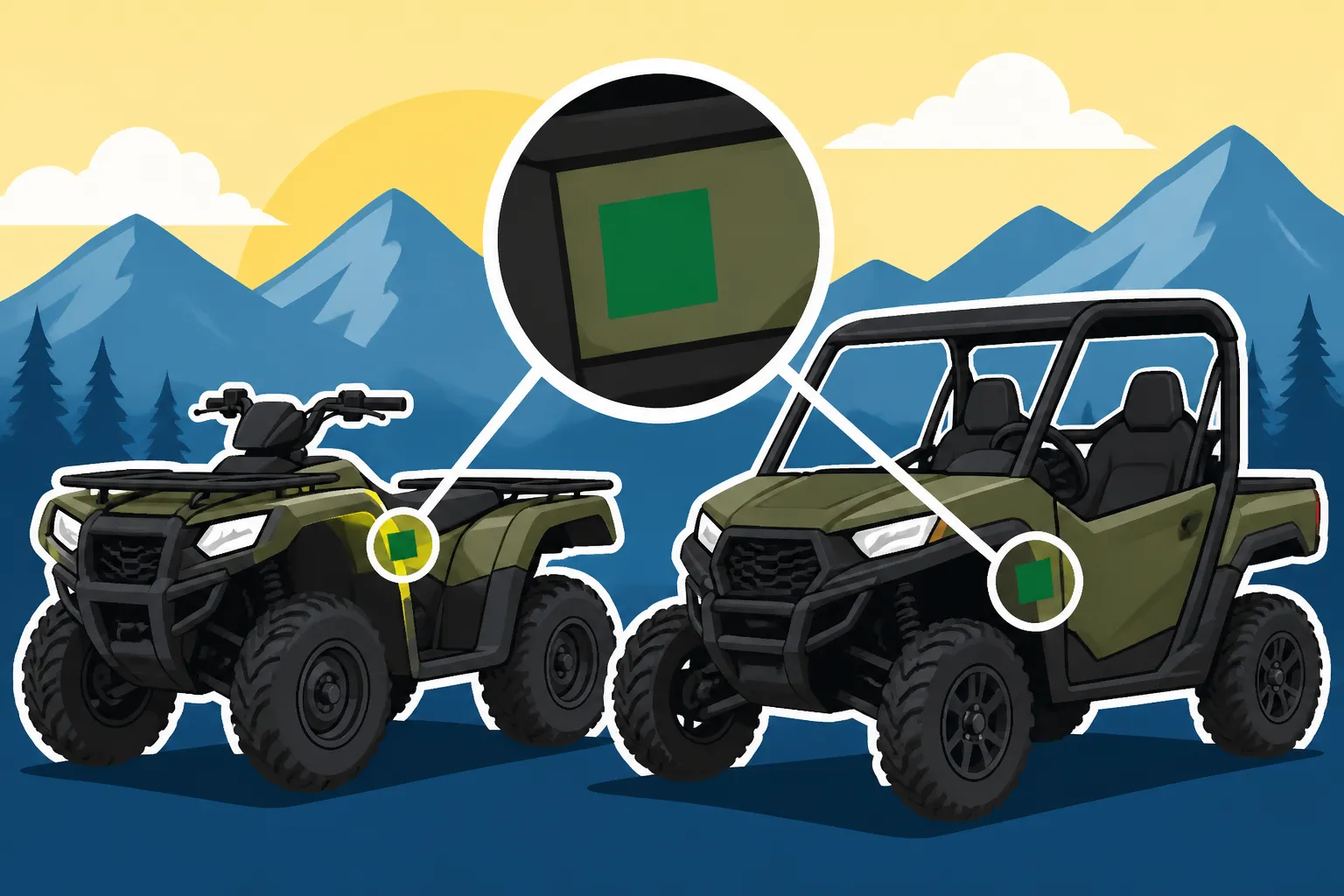
Where a Montana OHV Decal Goes
You've just gone through all the effort of registering your off-highway vehicle (OHV) here in Big Sky Country, whether it's your trusty ATV or a shiny new side-by-side, and you've got that fresh decal in your hand. Now comes the moment of truth: where exactly does this little sticker go? It seems like a small detail, but getting it wrong can lead to headaches, fines, and an unnecessarily complicated conversation with a game warden or sheriff. This guide will meticulously break down the Montana rules for OHV decal placement, helping you ensure your machine is always compliant and ready for the trails.
Understanding the Montana OHV Decal: More Than Just a Sticker
That small sticker you receive after registering your off-highway vehicle in Montana is far more significant than just a decorative emblem. It's a crucial piece of identification that ties your machine to its legal registration, signifying that you've met the state's requirements for operating on designated public lands and trails. Many riders, especially those new to Montana or who are just acquiring their first machine, might not fully grasp the importance of this decal beyond simply "having" it.
The decal itself contains important information, primarily the year of registration and a unique identifying number. This allows law enforcement and trail managers to quickly verify the machine's status. It's an easily visible signal that you're a responsible rider, contributing to the upkeep and maintenance of the very trails you enjoy. Without it, or if it's improperly displayed, you might find yourself explaining things when all you wanted to do was enjoy the vast Montana backcountry.
Beyond compliance, the decal is a silent ambassador. It shows that you're playing by the rules, which in turn helps maintain positive relationships between motorized recreationists, landowners, and other trail users. It's a small piece of plastic with a big job, bridging the gap between your machine and its legal right to ride where permitted.
What the Decal Represents
At its core, the Montana OHV decal is tangible proof that your machine is registered with the state. This registration, particularly Montana's unique [Montana's One-Time Permanent OHV Registration], is a cornerstone of responsible riding here. When you receive that decal, it means you've paid your fees, and in return, you've gained the privilege to ride on hundreds, if not thousands, of miles of incredible trails and roads across Montana.
The funds generated from these registrations and associated fees are not just tossed into a general pot; they are specifically earmarked for OHV-related purposes. This includes everything from trail maintenance and sign installation to law enforcement patrols and educational programs. So, every time you affix that decal correctly, you're not just avoiding a potential citation; you're actively contributing to the health and future of Montana's motorized recreation opportunities. It's a direct investment in the trails you love and the community that supports them.
Think of it as your passport to adventure within the state. Just like a passport is verified at a border crossing, your decal is how your machine is verified out on the trail or forest road. Without this clear identification, proving your right to be there can become a real hassle, even if you have all your paperwork tucked away in a backpack. The decal is the immediate, visual confirmation that you're good to go.
The Different Types of Montana OHV Decals
While Montana is known for its "permanent" OHV registration, it's important to understand what that actually means for your decal. When you first register an ATV, UTV, or dirt bike in Montana, you'll receive a base decal that signifies this initial, permanent registration. However, what most riders think of as "the decal" is actually the annual renewal decal that accompanies this permanent status.
Each year, you'll typically receive a new, smaller sticker that signifies the current year's validation. This annual sticker is what gets applied to your machine, usually over or near the original permanent decal area, or on the machine as designated by law. The colors of these annual decals change from year to year, making it easy for wardens to spot if a machine's registration is current from a distance. The initial "permanent" registration provides the foundation, but the annual decal keeps it active and current.
For out-of-state visitors, the situation is a bit different. Montana offers a non-resident temporary use permit, which also comes with its own specific decal or sticker that needs to be displayed. This allows visiting riders to legally enjoy Montana's trails for a set period. Understanding these distinctions is key, as the rules for placement, while generally similar, are specifically tied to the type of registration or permit you've acquired. Always double-check the instructions that come with your specific decal, whether it's an annual renewal for a resident machine or a temporary permit for a visitor.
The Legal Requirements for Decal Placement
Montana law is pretty clear on where that little sticker needs to go, and it's not just a suggestion – it's a requirement. The primary goal of these regulations is simple: ensure the decal is easily visible and identifiable by enforcement personnel from a reasonable distance. This isn't about being nitpicky; it's about making sure that the trails are used responsibly and that everyone is contributing their fair share to the system. Ignoring these rules can lead to unnecessary stops, fines, and a lot of frustration when you'd rather be enjoying the ride.
The specific spot can vary slightly depending on the type of machine you're operating, but the underlying principle remains the same: unobstructed visibility. You can't just slap it on the underside of a fender or hide it away in a storage compartment. It needs to be out in the open, ready for inspection. This might seem like a minor detail, but it's one of the first things a game warden or county sheriff will look for when they encounter OHVs on public lands.
Getting it right means you can ride with peace of mind, knowing you've done your part. Getting it wrong means inviting scrutiny and potentially delaying your adventure. So, let's dive into the specifics for the most common types of OHVs you'll see tearing up the Montana landscape.
Specific Placement for ATVs and Dirt Bikes
For ATVs (all-terrain vehicles) and dirt bikes, the placement of your Montana OHV decal is quite consistent and generally straightforward. The law dictates that the decal must be affixed to the rear of the machine, specifically on the permanent structure, in a readily visible location. For most ATVs, this means the rear fender, typically on the left side, often near the taillight. This spot generally offers a flat surface and is less prone to damage from aggressive riding or trail debris compared to other areas.
Similarly, for dirt bikes, the rear fender is the prime location. Again, the left side is usually preferred, as it's often more visible from the perspective of an approaching or following vehicle or person. The key is "readily visible." You don't want it tucked under a seat, obscured by a mud flap, or buried under a tool bag. It needs to be clear, clean, and easy for an officer to see without having to get too close or inspect the machine from multiple angles. When applying, ensure the surface is clean and dry to guarantee good adhesion; a decal peeling off is as good as no decal at all in the eyes of the law.
Remember, the goal is not to hide it. It's to display it. Taking a moment to find the optimal flat, visible spot on your rear fender can save you a lot of hassle down the line. You want it positioned so that it's the first thing someone looking at the back of your quad or dirt bike notices, confirming your compliance at a glance. [Where the Decal Goes on the Rear] offers more specific visual guidance.
Specific Placement for Side-by-Sides and UTVs
Side-by-sides (SxS) and utility task vehicles (UTVs) present a slightly different challenge due to their varying body styles and configurations, but the core principle of rear visibility still applies. For these machines, the Montana OHV decal must also be placed on the rear, on a permanent, structural part of the vehicle, where it is clearly visible. This often translates to the flat panel on the rear of the machine, which might be a cargo bed gate, a rear bumper panel, or a designated area near the taillights.
Given that UTVs often have cargo boxes, spare tire mounts, and other accessories that can obscure views, it's particularly important for side-by-side owners to be strategic. Avoid placing the decal directly behind a spare tire, a cooler, or any other item that you might regularly carry and that could block the decal from view. Some manufacturers even build small, flat areas into their rear bodywork specifically for decal placement, so keep an eye out for those.
If your specific UTV setup makes it genuinely difficult to find a perfectly unobstructed spot on the rear, you might need to get a little creative while still adhering to the spirit of the law. Sometimes, mounting it on a secure, permanent part of the roll cage in the rear, if that offers better visibility and doesn't interfere with safety, might be an option. However, always prioritize the manufacturer's bodywork first. The goal is that an officer, approaching your parked or slowly moving UTV from behind, can immediately see and verify the decal without issue. [Decal Placement on a Side-by-Side] provides additional insights for these larger machines.
Front or Rear? Decal Placement for Different Machine Types
The question of whether your OHV decal should go on the front or rear is a common one, especially for riders coming from states with different regulations. In Montana, the answer is overwhelmingly the rear. This isn't just a random preference; it's a deliberate choice based on practical considerations for enforcement and the typical way OHVs are viewed and identified in a trail setting. While some machines might have a front plate or decal from another state, for Montana OHV registration, the focus is squarely on the back.
This uniformity simplifies things for law enforcement. Instead of having to guess where to look, they know to check the rear of the machine for the current year's decal. This standard approach helps ensure efficient trail monitoring and compliance checks, allowing wardens to quickly assess whether a machine is legally registered. It removes ambiguity and makes the process smoother for everyone involved, as long as riders adhere to the clear guidelines.
Understanding this "rear-first" mentality is crucial, even if your machine has plenty of available space on the front. Resist the urge to place it there, as it won't meet the legal requirement for Montana OHV operation on public lands.
Why the Rear is Predominant
The primary reason Montana (and many other states) mandates rear decal placement for OHVs boils down to visibility and the practicalities of enforcement. When a game warden or sheriff encounters an OHV, particularly on a trail or forest road, they are most often approaching it from behind, or observing it as it passes. A decal prominently displayed on the rear ensures immediate identification without requiring the officer to stop the machine and walk around to the front.
Furthermore, OHVs often operate in dusty, muddy, or brushy conditions. The front of a machine, especially the fenders and grill, can quickly become obscured by trail grime, mud splatters, or even minor impacts with vegetation. The rear, while not immune, often provides a somewhat cleaner and more protected surface for the decal, particularly if it's placed strategically. This helps ensure the decal remains legible and intact throughout your ride, reducing the chances of it being mistaken for an expired or missing decal.
Finally, consistent rear placement helps with general identification. Whether you're pulling a trailer, riding in a group, or just parked at a trailhead, the rear of the machine is often the most accessible and visible point for quick checks. It's an established standard that simplifies compliance for riders and enforcement for officials, making the whole system more efficient.
Machines with Limited Rear Space
Sometimes, despite the clear mandate for rear placement, you might find yourself with an OHV that has a rather limited or complicated rear design. This is especially true for highly customized machines, those equipped with extensive cargo racks, large spare tire carriers, or specialized implements for ranch work. When your ideal decal spot is perpetually obscured by a full-sized spare, a chainsaw scabbard, or a massive cooler, it can feel like you're stuck between a rock and a hard place.
In these situations, the key is to prioritize clear, permanent visibility on a structural component. If the traditional rear fender spot is simply not viable, look for the next best flat, permanent surface on the rear portion of the machine. This might mean affixing the decal to a sturdy rear bumper component (if it's flat and wide enough), a structural part of the roll cage (ensuring it's visible from behind), or even on the back of a permanently mounted cargo box, provided that box is truly a fixed part of the vehicle's functional setup and not easily removed.
The spirit of the law is "readily visible." While there may not be specific provisions for every single custom setup, enforcement officers typically appreciate riders who have made a genuine effort to comply. If your primary rear area is truly non-functional for decal placement, make sure you choose the most visible alternative spot on the back of your machine, keeping it clean and unobstructed. If you have any doubt, it’s always best to err on the side of greater visibility.
Practical Placement Tips for Durability and Visibility
Once you know where to put your Montana OHV decal, the next step is ensuring it stays put and remains legible for its entire lifespan. Many riders simply peel and stick, only to find their decal bubbling, tearing, or peeling off after a few rough rides or a harsh Montana winter. This isn't just an aesthetic issue; a damaged or missing decal is still a non-compliant decal, potentially leading to the same issues as an improperly placed one.
Proper application and a little foresight can dramatically extend the life of your decal, saving you the hassle and cost of needing a replacement. Think of it as a small investment of time now to prevent future headaches. The goal is not just to comply with the law today, but to ensure your machine remains compliant for the entire year, regardless of the trails you conquer or the weather conditions you encounter.
From cleaning the surface to protecting the decal from the elements, a few simple steps can make all the difference. These practical tips are drawn from years of experience out on the trails, where we've seen everything from perfectly preserved decals to those that look like they've been through a war zone.
Surface Preparation is Key
The longevity and adhesion of your Montana OHV decal depend almost entirely on how well you prepare the surface before application. This step is often overlooked, leading to frustrating issues like bubbles, peeling edges, and premature wear. First and foremost, choose a clean, flat, and smooth surface. Any textured or uneven areas will prevent the decal from adhering properly and will likely cause air bubbles.
Next, thoroughly clean the chosen area. Use rubbing alcohol or a mild degreaser to remove all dirt, grime, oil, wax, and residue. Even seemingly clean surfaces can have invisible contaminants that compromise adhesion. After cleaning, dry the surface completely. Any moisture trapped underneath the decal will prevent it from sticking and can lead to bubbling or peeling. Applying the decal in a warm, dry environment, ideally above 50°F (10°C), also helps. Cold temperatures can make the decal material stiff and less adhesive.
Finally, avoid touching the adhesive side of the decal with your fingers as much as possible, as oils from your skin can interfere with adhesion. Once you're ready, slowly apply the decal, using a squeegee or the edge of a credit card to press it down firmly from the center outwards, working out any air bubbles. Proper surface prep and careful application can mean the difference between a decal that lasts all year and one that needs replacing after a month.
Protecting Your Decal from the Elements
Montana's weather can be brutal, and your OHV decal is constantly exposed to sun, rain, snow, mud, and extreme temperature fluctuations. Protecting it from these elements is crucial for its durability and continued visibility. While you can't completely shield it, strategic placement and a few simple measures can make a big difference.
Consider applying a clear protective film or a UV-resistant clear coat over the decal once it's fully adhered. These products are readily available at automotive or powersports stores and can add an extra layer of defense against scratching, fading, and peeling. Just make sure the decal is completely dry and set before applying any top coat. Also, when washing your machine, be gentle around the decal. High-pressure washers or abrasive brushes can lift edges or damage the decal over time.
Choosing a spot that is somewhat sheltered, but still visible, can also help. For instance, on a side-by-side, placing it on a rear panel that gets less direct sun exposure or is slightly recessed can offer some natural protection. If you know you'll be riding through a lot of dense brush, consider if your chosen spot is less likely to get scraped. The goal is to maximize its exposure for visibility, while minimizing its exposure to harsh conditions that could degrade it. [When an OHV Decal Peels Off Over Winter] is a common frustration, and these steps can help prevent it.
Common Decal Placement Mistakes to Avoid
It’s easy to think that once you’ve got the decal, the job is done. But many riders, even experienced ones, fall prey to some common mistakes when it comes to placement and application. These errors, while seemingly minor, can lead to your decal being deemed non-compliant, resulting in the very headaches you were trying to avoid. From obscuring the decal to damaging it during the application process, these pitfalls are easily avoidable with a little awareness.
One of the biggest frustrations for riders is getting a fine for something they thought they had handled. "But I have my decal!" they might exclaim. The response often comes down to where it is or what condition it's in. A decal in your glove box or one that's barely recognizable as a decal isn't doing its job. This section is designed to highlight these common missteps so you can steer clear of them and ensure your Montana riding experience remains smooth and trouble-free.
Learning from the mistakes of others is always a smart strategy. Pay attention to these tips, and you’ll save yourself potential grief out on the trails or during a casual encounter with law enforcement.
Obscuring the Decal
One of the most frequent mistakes riders make is placing the decal in a location where it becomes obscured by other parts of the machine or by items they're carrying. This completely defeats the purpose of the decal, which is to be "readily visible." Examples of this include tucking it under a fender flare, hiding it behind a permanently mounted jerry can or spare tire, placing it in an area that's consistently caked with mud, or even covering it with another sticker or accessory.
While you might know it's there, if an enforcement officer can't easily see and read it from a reasonable distance, it might as well not be there at all. This can lead to a stop and a conversation that could have been avoided. Before you commit to a spot, take a step back and look at your machine from various angles, especially from the rear. Picture a game warden approaching: can they clearly see the decal without straining or moving parts of your machine?
Even temporary items, like a strapped-down cooler for a day trip or a large pack, can obscure your decal. While temporary obstructions might be understood, it's always best to choose a permanent location that is naturally clear. If you frequently carry large items on your rear rack, plan your decal placement to be around or above those items, ensuring it always has a clear line of sight.
Damaging the Decal During Application
Another common issue arises during the application process itself: damaging the decal. This can happen in several ways, and the result is often a decal that looks messy, doesn't adhere properly, or even tears. Rushing the application, failing to properly clean the surface, or using the wrong technique can all lead to problems.
Bubbles are a very common frustration. These occur when air gets trapped between the decal and the machine's surface, usually due to applying the decal too quickly or not smoothing it out effectively. Bubbles not only look bad, but they can also create weak points where water and dirt can get underneath, leading to peeling. Wrinkles or creases happen when the decal is bent or applied unevenly, making it difficult to smooth out and read. Tearing can occur if you pull too hard while trying to reposition a decal, or if it catches on a rough edge during application.
To avoid these issues, take your time. Ensure the surface is perfectly clean and dry. Start by peeling back only a small portion of the backing paper, aligning the decal carefully, and then slowly peeling the rest of the backing while using a squeegee or credit card to firmly press the decal onto the surface, working from one side to the other to push out any air. This meticulous approach ensures a smooth, long-lasting application that properly represents your machine's compliance.
When Your Decal Needs Replacing or Transferring
Life happens, and sometimes, despite your best efforts, your Montana OHV decal might get damaged, lost, or simply reach the end of its useful life. Or, perhaps you've sold your machine, and you're wondering what happens with the registration and decal then. These situations are common, and knowing the proper steps to take is just as important as knowing where to place the decal in the first place. Trying to ride with a mangled or missing decal is an open invitation for a citation, even if your machine is technically registered.
The rules around decals aren't just for initial placement; they extend to how you manage them throughout your ownership of the machine. Understanding when and how to get a replacement, or what happens to the decal upon sale, is crucial for staying compliant and avoiding potential legal headaches. It’s all part of being a responsible OHV owner in Montana.
This section will walk you through the procedures for dealing with compromised decals and clarify the important distinction between a machine's registration and its physical decal when it comes to buying and selling.
Lost, Stolen, or Damaged Decals
It's an unfortunate reality: decals can get lost, stolen, or damaged. Maybe it peeled off after a particularly muddy ride, a branch scraped it clean off, or perhaps some unscrupulous individual decided to "borrow" it. Whatever the reason, riding with a missing or unreadable decal can put you in a tough spot with law enforcement. The good news is, Montana has a process for getting a replacement.
If your decal is lost, stolen, or damaged to the point of being unreadable, you'll need to contact your local County Treasurer's office, which is where OHV registrations are typically handled. You'll usually need to fill out a replacement request form and pay a small fee. It's often helpful to bring your current registration certificate and proof of identification. While waiting for your new decal, it's wise to carry your registration paperwork with you as proof of valid registration, just in case you're stopped.
Don't procrastinate on this. A missing decal is a missing decal, regardless of the reason. Getting a replacement promptly ensures you maintain continuous compliance and can continue enjoying Montana's trails without worry. [Replacing a Montana OHV Decal] goes into more detail about this process.
Decals and Machine Sales
This is a point of significant confusion for many riders, both buyers and sellers: what happens to the Montana OHV decal when a machine changes hands? The crucial thing to remember in Montana is that OHV registration, and by extension the decal, follows the owner, not the machine. This is a fundamental difference from how many other vehicle registrations work, and it has important implications.
When you sell an OHV that has been permanently registered in Montana, that registration does not transfer to the new owner. The existing decal becomes invalid for the buyer. As the seller, you should ideally remove the decal from the machine upon sale. The new owner, even if they are a Montana resident, must register the machine in their own name and receive a new registration and decal for it. This is true even if the machine itself has a "permanent" registration status from its previous owner.
For sellers, it's important to make this clear to the buyer. For buyers, never assume that a decal still on a recently purchased machine is valid. You must undertake your own registration process to ensure the machine is legally compliant in your name. Failing to do so can lead to penalties for operating an unregistered OHV. Using a clear bill of sale, perhaps drafted with a service like LawDepot, can help ensure both parties understand this aspect of the transaction. [Why a Montana Registration Does Not Follow the Machine] and [Why a Sold Machine Loses Its Registration] are excellent resources to fully understand these nuances.
Why Proper Decal Placement Matters for Montana Riders
It might seem like a small piece of plastic, but getting your Montana OHV decal placement right is more than just about ticking a box. It's about ensuring a smooth, hassle-free riding experience and contributing positively to the OHV community in the state. From avoiding unexpected fines to supporting the very trails you ride, the seemingly simple act of correctly affixing a decal has far-reaching implications.
Montana's vast landscapes are a paradise for OHV enthusiasts, but with that privilege comes the responsibility of adhering to the rules designed to protect both riders and the environment. Enforcement officers aren't out there to ruin your day, but they are there to ensure compliance with laws that help fund and manage these recreational areas. A properly placed decal is your quick visual statement of compliance.
Let's dive into the tangible benefits and important reasons why you should always take the time to ensure your decal is where it needs to be, and in good condition.
Avoiding Fines and Hassles
The most immediate and impactful reason to ensure proper Montana OHV decal placement is to avoid fines and unnecessary hassles. Law enforcement personnel, including game wardens and county sheriffs, regularly patrol public lands, forest roads, and designated OHV trails. One of the first things they look for is a valid, clearly visible registration decal. If your decal is missing, obscured, or improperly placed, it can trigger a stop and an investigation into your machine's registration status.
Even if you have your physical registration papers with you, the lack of a visible decal means you'll have to take time out of your ride to prove compliance, which can be frustrating and inconvenient. If you genuinely don't have a valid registration, or if your decal issues lead to further scrutiny, you could face significant fines. These penalties are designed to deter non-compliance and ensure everyone contributes to the system. [Penalties for an Unregistered OHV in Montana] can be quite steep, and [Montana Penalties for a Missing Decal] are equally unpleasant.
A few minutes spent on correct decal placement can save you hours of paperwork, hundreds of dollars in fines, and the general stress of a law enforcement encounter. It's truly a small investment for peace of mind on the trails.
Supporting Montana's Trail System
Beyond personal compliance, properly displaying your Montana OHV decal plays a direct role in supporting the state's incredible trail system. The fees collected from OHV registrations, including the annual renewals, are not just general state revenue. A significant portion of these funds is specifically dedicated to the maintenance, improvement, and expansion of motorized recreation trails and areas across Montana.
This means that your registration fees help fund the very trails you ride on, ensuring they are well-maintained, properly signed, and safe for all users. It helps pay for things like clearing downed trees, repairing erosion, upgrading trailhead facilities, and even land acquisition for new riding opportunities. When you register your machine and display that decal, you're directly contributing to the preservation and enhancement of the motorized recreation opportunities that make Montana such a fantastic place to ride.
Think of it as your membership badge for the vast outdoor playground. Each decal represents a contribution to a shared resource. Therefore, ensuring your decal is properly displayed isn't just about following the law; it's about being an active and responsible participant in the OHV community and showing your support for the trails that draw us all to Montana's backcountry. [Where Montana OHV Fees Go] provides more insight into how these funds are utilized.
Dealing with Decals on Machines with Unique Setups
Montana is full of innovative thinkers and resourceful folks, and that often translates into some truly unique OHV setups. From highly customized side-by-sides built for specific tasks to machines sporting an array of aftermarket accessories, not every OHV rolls off the factory floor in a standard configuration. This can sometimes make the simple act of decal placement a bit of a head-scratcher. When your machine defies the typical "rear fender" spot, how do you ensure compliance without compromising functionality or aesthetics?
The key here is understanding the intent behind the decal rules: visibility and permanence. While the specific letter of the law might imply a standard location, officers generally understand that not all machines are identical. However, that understanding doesn't grant you a free pass to hide your decal. It requires a thoughtful approach to finding a compliant, visible, and secure location on your particular rig.
This section offers guidance for those times when your OHV is a bit out of the ordinary, ensuring you can still proudly display your Montana registration without sacrificing your machine's unique character or utility.
Custom Rigs and Aftermarket Parts
For riders with custom-built OHVs, highly modified machines, or those sporting a plethora of aftermarket parts, finding that "readily visible, permanent, rear structural component" can feel like a puzzle. Custom cages, fabricated bumpers, elaborate cargo systems, and tool mounts can all eat up prime decal real estate. The frustration is real: you want to be compliant, but your machine doesn't quite fit the mold.
In these situations, the guiding principle should still be maximum visibility from the rear, on a part of the machine that is fixed and not easily removed. If your rear fender is covered by a custom storage box, consider a flat, permanent section of a custom rear bumper or a structural cross-member of your roll cage. Ensure that whatever you choose, the decal is clearly readable and not obstructed by other accessories. Sometimes, an auxiliary plate designed for license plates could be adapted, if legal, to provide a flat, visible surface, as long as it's securely attached to the machine.
If you're building a custom rig, consider decal placement early in the design process. Plan for a designated flat spot. If you've already got your dream machine, take the time to critically evaluate potential spots. You might need to temporarily remove an accessory to find a suitable location, or perhaps even fabricate a small, unobtrusive, permanent bracket for the decal, always ensuring it's securely mounted and compliant with the "permanent structure" aspect of the rule. If you're involved in selling or buying a highly customized machine, a comprehensive bill of sale from a service like LawDepot can help clarify its registration status.
Temporarily Obscured Decals
Sometimes, your Montana OHV decal might be temporarily obscured by items you're carrying, and this raises questions about compliance. For instance, if you're out hunting and pack a large elk quarter on your rear rack, or you're hauling a bulky piece of firewood back to camp, your decal might momentarily disappear from view. Is this an instant ticket? Not necessarily, but it does highlight the importance of careful placement and common sense.
Generally, law enforcement officers understand that OHVs are utility vehicles and may carry cargo. If your decal is properly placed in a permanent, visible location and is only temporarily obscured by legitimate cargo for a short period, it's often viewed differently than a decal that is permanently hidden or never affixed. The key is the intent and the default visibility.
However, this is not an excuse to regularly block your decal. Always try to load your machine in a way that minimizes obstruction of your registration. If you know you'll be hauling large items frequently, it's even more critical to choose a decal spot that is higher up or to one side, increasing its chances of remaining visible. If you are stopped, politely explain the temporary nature of the obstruction and be ready to show your physical registration papers. While temporary obstructions might be tolerated, a permanently obscured decal due to poor placement choices is a definite non-starter.
Montana OHV Decal Placement Summary
| Machine Type | Primary Location | Key Requirements | Common Pitfalls | Best Practice for Application |
|---|---|---|---|---|
| ATV (Quad) | Rear fender, left side, near taillight | Visible from rear, on permanent structure | Mud/dirt coverage, obscured by bags | Clean & dry surface, apply at warm temp, smooth from center out |
| UTV (Side-by-Side) | Rear panel, cargo bed gate, bumper | Visible from rear, on permanent structure | Obscured by spare tire, cargo, accessories | Thorough surface prep, consider protective film, check sight lines |
| Dirt Bike | Rear fender, left side, below seat | Visible from rear, on permanent structure | Damage from impacts, tight placement | Ensure ample flat space, avoid high-impact zones, apply firmly |
| General Advice | Always on the rear of the machine | Must be legible, unobstructed, and current | Bubbles, peeling, not updating annual renewal | Take your time, ensure full adhesion, keep registration papers handy |
This table provides a quick reference to guide your decal placement decisions, making sure you hit all the key points for compliance and durability.
Disclaimer
This article is for general informational purposes only and does not constitute professional advice. Laws, prices and regulations vary by location and change over time. Consult a qualified professional for guidance on your specific situation.