Buying a Used Side-by-Side in Montana: The Paperwork
Buying a used side-by-side or ATV in Montana can feel like a dream come true for many riders, with the promise of incredible trails and often, the enticing thought of no sales tax. However, the excitement of finding that perfect machine can quickly turn to anxiety when you start thinking about all the paperwork involved – deciphering titles, making sure the bill of sale is legitimate, and understanding what happens next at the county treasurer’s office. This guide is here to walk you through every step of the paperwork process, from those initial checks to getting your machine officially registered and ready for the Montana backcountry.
Initial Steps Before You Hand Over Any Cash
Before you even think about signing a bill of sale or handing over a single dollar, there are crucial steps you need to take to protect yourself. Buying a used side-by-side or ATV, whether it's a Polaris RZR, a Can-Am Defender, or a Yamaha Wolverine, is an investment, and you want to be absolutely sure you're getting what you pay for, and that it's legitimate. Skipping these preliminary checks can lead to a world of headaches down the road, from discovering the machine is stolen to uncovering hidden mechanical issues.
Verifying the Machine's Identity (VIN Check)
Just like a car, every side-by-side and ATV has a unique Vehicle Identification Number (VIN). This isn't just a random string of characters; it's the machine's fingerprint, telling you its manufacturer, model year, and other important details. Your first order of business is to locate this VIN on the machine itself and compare it exactly to the VIN listed on the title document the seller provides. If they don't match, walk away immediately. It's a massive red flag.
The VIN is typically stamped into the frame in a few different locations. On many side-by-sides, you'll find it on the frame near the left front wheel, under the driver's seat, or sometimes even in the glove compartment. For ATVs, check the front frame rail, often near the steering stem or under the seat. Make sure the VIN on the machine isn't scratched, altered, or tampered with in any way. A clean, clearly legible VIN that matches the title is non-negotiable. This simple step confirms that the title belongs to that specific machine and not some other unit. [Where a Side-by-Side Hides Its VIN] can give you more specific locations depending on the model.
Running a History Check
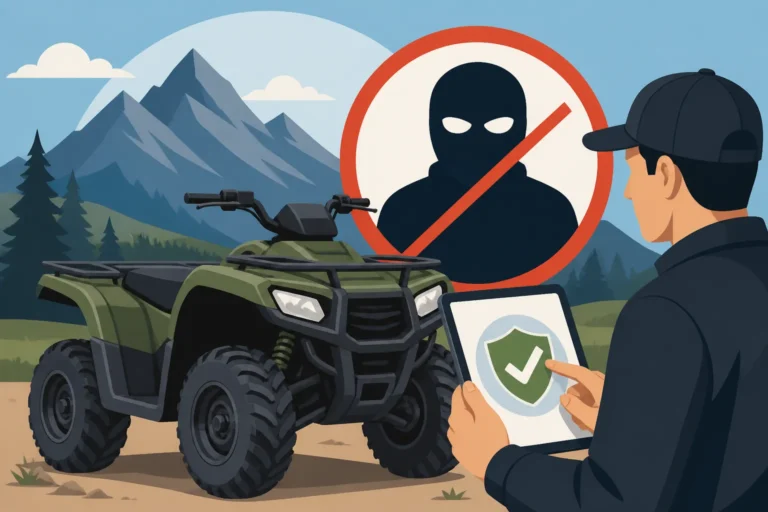
Once you've verified the VIN on the machine matches the title, it's time to dig a little deeper into its past. There are services available, often for a small fee, that allow you to run the VIN through national databases. These checks can reveal critical information, such as whether the machine has been reported stolen, if it's ever been salvaged or rebuilt after a major accident, or if there are any outstanding liens on the title. A lien means someone else (usually a bank or finance company) still has a financial claim on the machine, and until that lien is released, the seller doesn't fully own it, and you certainly can't get a clean title in your name.
It's tempting to skip this step, especially if the seller seems trustworthy, but it’s a vital safeguard. Imagine buying a side-by-side, only to find out later it was stolen, leading to its confiscation by law enforcement and you losing your money. Or perhaps you buy it, and then the original financing company comes looking for it because the lien was never satisfied. These are real, costly scenarios that a quick VIN history check can prevent. Think of it as peace of mind for a very small investment. [Running the Serial Number First] is always a wise move.
Inspecting the Machine Itself
While not strictly paperwork, the physical inspection of the machine is intrinsically linked to the paperwork. A thorough inspection can help you understand the machine's condition, which might influence the price or reveal issues that should be addressed in the bill of sale. Look for signs of damage, wear and tear, and listen to the engine. Are there any strange noises? Does it smoke excessively? Check tire tread, suspension components, and fluid levels.
If you're not mechanically inclined, consider paying a trusted mechanic or a knowledgeable friend to do a pre-purchase inspection. This can uncover hidden problems that could cost you thousands in repairs later on. If the seller is hesitant about a professional inspection, that's another red flag. A legitimate seller with nothing to hide should be perfectly willing to let you inspect the machine thoroughly or have it checked by a third party. Document any agreed-upon repairs or known issues within your bill of sale, which we'll discuss in detail next.
The Essential Documents You'll Encounter
When you’re buying a used side-by-side or ATV in Montana, you'll primarily be dealing with two critical pieces of paper: the title and the bill of sale. Sometimes, you'll also see registration documents, but it's important to understand the hierarchy and purpose of each. Many folks get these mixed up, thinking registration is ownership, but that's a common misconception that can lead to big problems.
Understanding the Montana Title
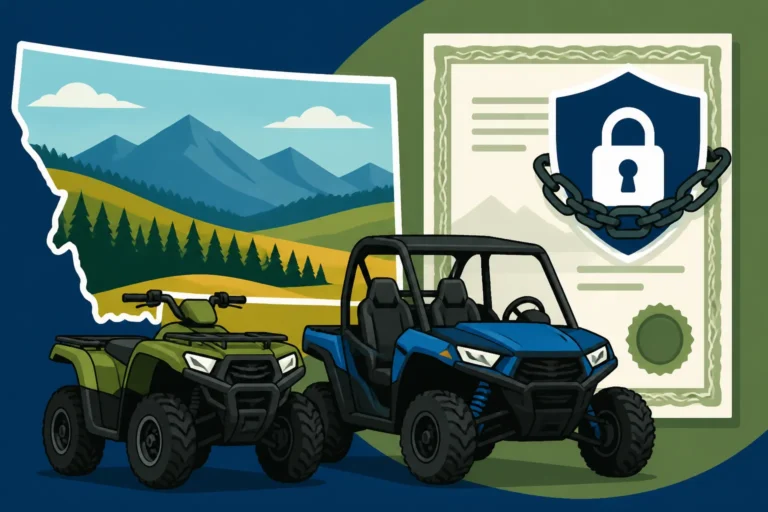
In Montana, just like with cars, the title is the ultimate proof of ownership for a side-by-side or ATV. It’s a legal document issued by the state (specifically, the Montana Department of Justice, Motor Vehicle Division) that formally identifies the legal owner of the machine. It will list the VIN, the make, model, year, and crucially, the name of the current registered owner. When you buy a machine, the goal is to get this title transferred into your name. Without a properly transferred title, you do not legally own the machine, no matter how much money you’ve paid.
The title is what you'll take to your local county treasurer's office to initiate the transfer of ownership. It usually has a section on the back where the seller signs over their ownership to you, the buyer. This signature (or signatures, if there are multiple owners) is paramount. Make sure the names on the front of the title match the person(s) selling the machine, and that they sign in the correct spot. If there's a lienholder listed on the title, you'll also need a separate document called a lien release proving that the loan has been paid off. Otherwise, the title isn't considered "clean" and can't be fully transferred to you. [Titling an OHV in Montana] is a good resource for understanding the nuances.
The Critical Role of the Bill of Sale
While the title proves ownership, the bill of sale is your official record of the transaction. Think of it as a receipt, but a much more detailed and legally binding one. It documents that you purchased the machine from the seller on a specific date, for a specific price. This document protects both the buyer and the seller. For you, the buyer, it proves you acquired the machine legally, and it’s often required by the county treasurer's office when you go to transfer the title and register the machine.
A good bill of sale should include:
- The full names and addresses of both the buyer and the seller.
- A complete description of the side-by-side or ATV, including make, model, year, and the all-important VIN.
- The agreed-upon purchase price.
- The date of the sale.
- A statement that the seller is transferring the machine "as is" or specifying any warranties (though "as is" is most common for private sales).
- A statement that the seller warrants they are the legal owner and have the right to sell the machine.
- Signatures of both the buyer and the seller.
Having a robust bill of sale is crucial, especially in Montana where transactions can sometimes be less formal. It helps prevent misunderstandings and provides a legal reference point if any disputes arise later. You can find templates online, from reputable sites like LawDepot, or even your local county treasurer's office might have a generic form. [What a Montana Bill of Sale Should Say] covers all the key elements in more detail.
What About Registration?
Registration in Montana is a separate process from titling, but they often happen concurrently at the county treasurer's office. Unlike the title, which denotes ownership, registration primarily confirms that the machine is authorized to be operated on public lands or roads (where allowed) in Montana. When you buy a used machine, its existing registration (and associated decal) does not transfer to you. This is a common point of confusion. The prior owner's registration ends the moment they sell the machine.
As the new owner, you will apply for a new registration in your name. Montana has a "permanent" OHV registration system, which means you pay a one-time fee, and as long as you own the machine and keep it in Montana, you don't need to renew it annually. This is fantastic news for riders! However, this permanent registration is tied to the owner and the machine, not just the machine. So, even though it's "permanent" for the original owner, you'll still need to register it yourself. When you go to the county treasurer with your title and bill of sale, you’ll handle both the title transfer and the new registration. [Registration That Ends When You Sell the Machine] provides more context on this.
Crafting and Understanding the Bill of Sale
A simple handwritten note saying "Sold my quad to Joe for $X" just isn't going to cut it when you're dealing with a significant purchase like a side-by-side. The bill of sale is not just a formality; it's a legal shield for both parties. It clarifies expectations, defines the terms of the sale, and provides incontrovertible proof if questions about the transaction ever arise. Think of it as the foundational contract for your new machine.
Why a Detailed Bill of Sale Protects You
Without a detailed bill of sale, you could find yourself in a really tough spot. Let's say, a week after you buy the side-by-side, the seller claims you still owe them money. Or maybe they argue that you damaged it after the sale, but you know it was already like that. A clear, signed bill of sale with the exact purchase price and an "as is" clause can prevent these kinds of disputes. It locks down the condition of the machine at the time of sale and the exact amount of money that changed hands.
Furthermore, when you head to the county treasurer's office to get your new title and registration, they will almost certainly ask for a bill of sale, especially if the machine is coming from out of state or if the price seems unusually low or high. It validates the transaction in their eyes. Without it, you might face delays or even be turned away until you can produce acceptable proof of purchase. This document also serves as your initial proof of ownership before the new title arrives in your name. It's a critical piece of your paper trail.
Key Information to Include in Your Bill of Sale
To ensure your bill of sale is comprehensive and legally sound, it absolutely must contain specific information. Don't skimp on the details. Here’s a rundown of what to include:
- Buyer and Seller Information: Full legal names, current physical addresses, and contact phone numbers for both parties.
- Machine Description: This needs to be precise. Include the year, make, model, color, and most importantly, the full 17-character VIN (Vehicle Identification Number). Double-check the VIN against the machine and the title.
- Purchase Price: Clearly state the agreed-upon amount in both numbers and words (e.g., "$5,000.00 (Five Thousand Dollars and Zero Cents)"). This leaves no room for ambiguity.
- Date of Sale: The exact date the transaction occurred and the machine changed hands.
- Payment Method: How was payment made? Cash, cashier's check, bank transfer? Stating this can be helpful.
- "As Is" Clause: For private sales, it’s customary and highly recommended to include a statement that the machine is being sold "as is, where is," with no warranties, express or implied. This means you, the buyer, are accepting the machine in its current condition with all faults, known or unknown.
- Seller's Declaration: A statement that the seller is the legal owner of the machine, has full authority to sell it, and that the machine is free of all liens, encumbrances, and claims (unless a lien is specifically acknowledged and addressed).
- Signatures: Both the buyer and seller must sign and date the bill of sale. It's also a good idea to have it notarized, although not always legally required in Montana for OHVs, it adds an extra layer of authenticity and can be highly beneficial if a dispute arises. Always make two copies, one for you and one for the seller.
Using a Template for Your Bill of Sale
You don't need to be a legal expert to draft a good bill of sale. Many resources offer reliable templates that cover all the necessary information. Websites like LawDepot provide customizable bill of sale templates that guide you through the process, ensuring you don't miss any critical details. They allow you to input all the specific information about your transaction, from the VIN to the purchase price, and then generate a professional-looking document.
Using a template, especially from a reputable source, helps ensure consistency and covers all legal bases that might apply to a private sale. While a basic form might be sufficient, a comprehensive template goes a long way in providing peace of mind and protection for both parties. Always review any template carefully to make sure it accurately reflects your agreement and includes all the key points discussed above. It's a small investment of time for significant legal protection.
Navigating the Montana Title Transfer Process
Once you've agreed on a price, shaken hands, and prepared your bill of sale, the next, most crucial step is transferring the title. This is where the legal ownership officially switches from the seller to you. It's a process that requires attention to detail, especially when dealing with the original title document. Don't underestimate the importance of this step – without a properly transferred title, you're just borrowing the machine, not owning it.
Signing Over the Title: Seller's Responsibilities
The seller's main responsibility in the title transfer process is to properly sign over the existing title to you. On the back of every Montana title (and most state titles), there's a section specifically for this. It usually includes fields for the seller's signature, printed name, the date of sale, and the buyer's name.
Here's what to watch for:
- Matching Names: Ensure the name(s) of the seller signing the title exactly match the name(s) listed as owner on the front of the title. If the title lists "John Doe OR Jane Doe," either can sign. If it says "John Doe AND Jane Doe," both must sign. This is crucial for the county treasurer to accept the transfer.
- Clear Signatures: Make sure signatures are legible and in the designated areas. No scribbles or signs in the wrong boxes.
- No Alterations: The title should be free of any erasures, white-out, or alterations. Any perceived tampering can render the title void and require a duplicate, which means delays.
- Odometer Disclosure (If Applicable): While OHVs typically don't have odometer disclosures like cars, some states might have specific requirements for certain types of machines. Montana generally does not require this for OHVs, but it's good to be aware.
- Lien Release: If a lienholder is listed on the front of the title (e.g., "XYZ Bank"), the seller must provide a separate document called a "lien release" or the lienholder's signature on the title, confirming the loan has been paid off. Without this, you cannot get a clean title. [Lien Release After the Final Payment] explains this requirement.
It's best practice to complete the title transfer section in person with the seller, so you can verify everything before they leave.
Your Visit to the County Treasurer
With your properly signed title and detailed bill of sale in hand, your next stop is the county treasurer's office in your Montana county of residence. This is where you'll formally apply for the title to be issued in your name and get your new OHV registration.
Here’s a general rundown of what to expect and what to bring:
- The Original Title: The one signed over to you by the seller.
- Bill of Sale: Your proof of purchase, especially important if the price seems unusual or if the machine is coming from out of state.
- Photo ID: Your current driver's license or state ID.
- Proof of Montana Residency: If you're a new resident, you might need to show utility bills or other documents to prove you live in that county.
- Fees: Be prepared to pay the title transfer fee and the one-time permanent registration fee. These fees can vary slightly by county and may change over time, so it’s wise to check with your specific county treasurer's office beforehand or consult [Montana County Treasurer OHV Registration]. You can usually pay by cash, check, or sometimes card.
- Lien Release: If there was a lien on the original title, bring the official lien release document.
The treasurer's office staff will review your documents, process the fees, and issue you a temporary registration permit and your new OHV decal. Your official title will then be mailed to you, usually within a few weeks. Don't worry if it doesn't arrive instantly; that's standard procedure. [Documents to Bring to a County Treasurer] provides a full checklist.
What Happens if the Title is Missing or Flawed?
This is where things can get complicated, but not necessarily impossible. If the seller can't produce a title, or if there are serious errors on the title (like an incorrect VIN or an unreleased lien), you have a few options, but prevention is always best.
- Missing Title: If the seller genuinely lost the title, they need to apply for a duplicate title in their name before they can transfer it to you. This is their responsibility, not yours. You should not purchase a machine if the seller cannot provide a title or a commitment to obtain a duplicate. [Replacing a Lost Montana Title] outlines this process.
- Unreleased Lien: If a lien is still showing on the title and the seller can't provide a release, they need to contact the lienholder (bank, credit union) to get one. Do not buy the machine until this is resolved, or you could end up responsible for the previous owner's debt.
- Incorrect VIN: If the VIN on the title doesn't match the machine, or is otherwise incorrect, the seller must resolve this with the Motor Vehicle Division. Trying to transfer an incorrectly titled machine will likely result in rejection at the county treasurer's office.
In some extreme cases, if you've already purchased a machine with no title or a flawed title from a seller who has since vanished, you might be able to pursue a bonded title. This is a complex legal process involving a surety bond, and it's generally a last resort. It's far better to ensure the title is pristine before any money changes hands. [Bonded Title for an ATV in Montana] delves into this last-ditch option.
Understanding Montana OHV Registration and Decals
You’ve got your title in hand (or on its way!), but you're not quite ready to hit the trails yet. The final piece of the official paperwork puzzle is registration and getting your decals. Montana has a unique approach to OHV registration that can be a pleasant surprise for many riders, but it's important to understand how it works and what it truly entails.
The Permanent Registration System
One of the biggest advantages of owning an OHV in Montana is the "one-time permanent" registration. This is a huge benefit compared to many other states that require annual renewals. When you register your side-by-side or ATV, you pay a single fee, and that registration is valid for as long as you own the machine and it's operated in Montana. You won't receive annual renewal notices or have to worry about lapsing registration every year.
This permanent registration includes both the authorization to operate and a trail pass, which means your fees contribute to the maintenance and development of Montana’s incredible trail systems. It's a smart system that keeps things simple for residents while ensuring funds are available for the riding resources we all enjoy. However, it's crucial to remember that "permanent" refers to the duration of the registration for that owner. If you sell the machine, the permanent registration does not transfer to the new owner. They will need to register it themselves, again, with a one-time permanent fee. [What Permanent Registration Actually Buys You] explains the details of this system.
Where Your Decal Goes
Once you've completed the registration process at the county treasurer's office, you'll be issued a new registration decal. This decal is proof that your machine is properly registered and helps law enforcement and trail managers quickly identify legitimate riders. It’s not just a sticker; it's a critical component of your legal compliance.
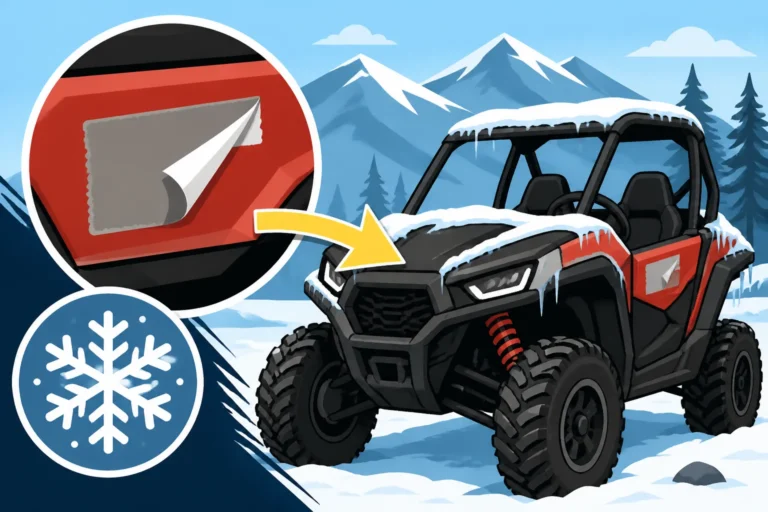
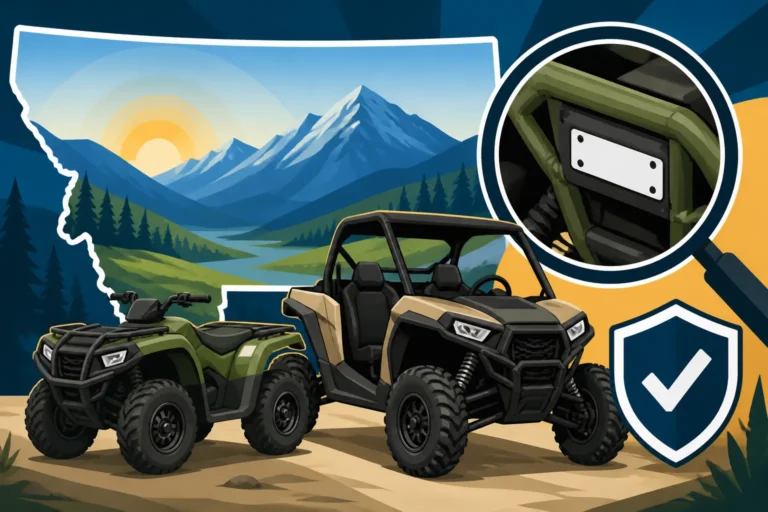
Montana law is pretty specific about where this decal must be placed: it must be prominently displayed on the rear of the machine. For an ATV, this usually means on the rear fender or the back of a storage box. For a side-by-side, it’s typically on the rear panel, bumper, or sometimes the roll cage, provided it’s clearly visible. The key is visibility; it shouldn't be hidden by accessories or mud flaps. If a warden or land manager can't easily see your decal, you could still receive a citation even if your machine is registered. Ensure it's clean and securely affixed to avoid issues. [Where a Montana OHV Decal Goes] offers visuals and more specific locations.
What Happens When You Sell or Buy
As mentioned earlier, the permanent registration is tied to the owner and the machine. So, if you sell your side-by-side to someone else, your registration for that machine effectively ends. You don't get a refund for the "permanent" fee, because that fee covered the period you owned it. Similarly, if you're the buyer, you cannot simply use the previous owner's decal or registration.
When you purchase a used machine, even one that was previously registered in Montana, you as the new owner must go through the entire process of titling and registering it in your name. This includes paying the one-time permanent registration fee again. While it might seem like a double-dip, it's how the system works to track ownership and ensure everyone is contributing to trail maintenance. This means bringing your signed-over title, bill of sale, and identification to the county treasurer to get your new title, new registration, and new decal. [Re-Registering a Machine You Just Bought] walks you through this exact scenario.
Debunking the Montana "No Sales Tax" Myth (and the Reality of Use Tax)
Montana is famous for not having a general sales tax, and this often draws out-of-state buyers looking for a deal on vehicles, including side-by-sides and ATVs. While it's true that you won't pay sales tax at the point of purchase in Montana, it's critical to understand that this doesn't mean you're entirely off the hook for taxes, especially if you live in another state. There's a persistent myth that needs to be addressed head-on.
The Truth About Sales Tax in Montana
Let's be absolutely clear: Montana does not have a statewide general sales tax. This is a fact that applies to almost everything you buy in the state, from groceries to new vehicles. So, when you buy a used side-by-side from a private party or even a dealer in Montana, you will not be charged a sales tax on that transaction. This is a legitimate and often significant saving compared to buying in a state that has, say, a 6% or 8% sales tax on vehicles.
This lack of sales tax is a major draw for many recreational vehicle enthusiasts who flock to Montana dealers or private sellers. It means that the sticker price (or the agreed-upon private party price) is largely what you pay, without an additional percentage tacked on top. This is a genuine advantage of making your purchase here, and it's why so many people consider Montana for their next off-highway vehicle. [No Sales Tax on a Montana Machine Purchase] further clarifies this benefit.
The "Use Tax" Your Home State May Want
Here's where the dream often meets reality, especially for out-of-state buyers. While Montana doesn't charge you sales tax, your home state very likely has a "use tax" that applies. A use tax is essentially a sales tax by another name, applied to items purchased tax-free in another state but then "used" in your home state. Most states have laws requiring their residents to pay use tax on purchases made outside the state where no sales tax was collected.
For example, if you live in Idaho (which has a sales tax) and buy a side-by-side in Montana without paying sales tax, when you bring that machine back to Idaho and register it, Idaho expects you to pay their state's sales tax rate as a use tax. They might even have a specific form for "out-of-state vehicle purchases." The logic is that you shouldn't be able to bypass your home state's tax laws by simply crossing a border. Many states are getting increasingly sophisticated at tracking these out-of-state purchases. Failing to declare and pay this use tax could lead to penalties, fines, and even back taxes if your state's Department of Revenue eventually catches up with you. [Use Tax Your Home State Still Wants] is a must-read for out-of-state buyers.
Why Some Out-of-Staters Use an LLC (and the Pitfalls)
Because of the use tax, some out-of-state buyers explore registering their OHV under a Montana Limited Liability Company (LLC). The idea is that if the LLC owns the machine, and the LLC is based in Montana, then the machine is legally "owned" in a non-sales-tax state, potentially circumventing their home state's use tax. This strategy has gained some notoriety.
However, this approach comes with significant legal and financial risks, and it's not a foolproof loophole. Many states actively pursue residents who attempt to avoid taxes this way. They might look for indicators like:
- The LLC having no legitimate business operations in Montana.
- The OHV being primarily garaged or operated in the owner's home state.
- The owner being the sole member of the LLC and having no genuine connection to Montana other than the LLC registration.
If your home state determines that the Montana LLC is merely a shell to avoid taxes, you could face hefty fines, back taxes, interest, and even legal action for tax evasion. Setting up an LLC also involves annual fees, registered agent costs, and compliance requirements, which can outweigh any perceived tax savings for a single recreational vehicle. It's a complex legal area, and it's critical to consult with a tax professional and legal counsel in both Montana and your home state before considering such a route. For most casual buyers, it's an unnecessary complication with substantial risks. [The Montana LLC and Why Out-of-State Buyers Use It] explores this topic in depth, including the significant drawbacks.
Common Scenarios and How to Handle the Paperwork
Buying a used side-by-side isn't always a straightforward transaction. Sometimes you're buying from a dealer, sometimes from a friend, and sometimes you find yourself in a situation where the paperwork isn't quite right. Knowing how to navigate these common scenarios with the correct paperwork can save you a lot of grief.
Buying from a Private Party vs. a Dealer
The paperwork process differs slightly depending on whether you're buying from a private individual or a licensed Montana dealer.
Buying from a Private Party:
This is typically where you need to be most diligent. As the buyer, you'll be responsible for obtaining a comprehensive bill of sale, ensuring the seller properly signs over the original title, and then taking all these documents to the county treasurer yourself.
- Your Responsibilities: Get a strong bill of sale (like one from LawDepot), verify the VIN, ensure the title is clean and correctly signed over, and then personally handle the title transfer and registration at the county treasurer's office.
- Seller's Responsibilities: Provide the clean, original title, properly signed and dated; ensure any liens are released; and participate in creating a clear bill of sale.
- Key Consideration: "As is" sales are the norm. Thorough inspection and due diligence are entirely on you.
Buying from a Montana Dealer:
When you purchase from a licensed dealer, they typically handle a significant portion of the paperwork for you. This often comes with more peace of mind, but also sometimes a higher price tag.
- Dealer's Responsibilities: Dealers are usually required to provide you with a temporary registration, process the title transfer, and apply for your permanent registration. They often have standard purchase agreements and handle all the necessary forms. They will ensure you receive a clean title, often after any financing is finalized.
- Your Responsibilities: You'll sign the purchase agreement, any financing documents, and provide your identification. You'll still pay the registration fees (often included in the purchase price or separately itemized). You may still need to go to the county treasurer to pick up your permanent decal once the title is processed, but the initial heavy lifting is done by the dealer.
- Key Consideration: Dealers are regulated and must adhere to certain consumer protection laws, offering a layer of security not found in private sales. They will typically ensure all liens are released before you take possession. [Buying From a Montana Dealer: What They File] offers more insight into dealer processes.
Dealing with Liens on a Title
A lien on a title means that a financial institution (like a bank or credit union) has a legal claim on the machine until the original loan is fully paid off. If you buy a side-by-side with an active lien, you could potentially become responsible for the seller's debt, or the lienholder could repossess the machine even though you paid for it. This is a very serious issue.
- Identifying a Lien: A lienholder's name will typically be listed on the front of the title document. If you see a bank or finance company listed, there's an active lien.
- Resolution: The seller must provide you with a lien release document from the financial institution, proving the loan has been satisfied. This is a separate, official document that clears the lien. If they claim it's paid off but don't have the release, make the sale contingent on them obtaining it. Do NOT proceed with the purchase until you have this document in hand.
- New Liens: If you are financing your purchase, the lender will likely place a new lien on the title in your name until your loan is paid off. This is standard practice. Once you make your final payment, the lender will send you a lien release, which you can then take to the county treasurer to get a new title reflecting no liens.
When the Seller Vanishes or Never Signed the Title
These are nightmare scenarios, but they do happen. You've paid your money, taken possession of the machine, but then the seller is unreachable, or you realize the title wasn't properly signed.
- Seller Vanishes After an Improper Title Transfer: If the seller didn't sign the title correctly, or left key information blank, and you can't get hold of them, you're in a tough spot. The county treasurer won't accept an incomplete or improperly signed title. Your options here are limited and often involve legal action, like trying to get a court order for title transfer or pursuing a bonded title. This is why verifying the signed title in person before the seller leaves is so critical. [Titling a Machine the Seller Vanished On] outlines the difficulties.
- Seller Never Had a Title to Begin With: This is an even more precarious situation. If the seller never had a title, or if they claim "no title is needed" (which is incorrect for most OHVs in Montana), you should be extremely wary. It could indicate the machine is stolen, was never properly registered, or has other legal issues. You cannot get a title in your name if the previous owner didn't have one to transfer. In these cases, it's best to walk away unless you are absolutely certain of the machine's origin and are prepared for a potentially lengthy and costly legal process to obtain a bonded title. [Buying a Machine With No Paperwork at All] emphasizes the risks.
The best defense against these problems is meticulous preparation and caution. Never rush the paperwork, and always ensure every document is in order before you finalize the sale.
What to Do After the Purchase
Congratulations! You've navigated the complex world of paperwork, secured your bill of sale, transferred the title, and registered your side-by-side. But the journey isn't quite over. There are a few final, important steps to ensure you're fully prepared and protected as you embark on your Montana off-roading adventures.
Keeping Your Paperwork Safe
Once you have your new Montana title, registration card, and bill of sale, these documents are invaluable. They are your proof of ownership and legal right to operate the machine. Treat them with the same care you would your car title or passport.
- Originals at Home: Keep the original title certificate in a secure place at home, like a fireproof safe or a safety deposit box. Do not carry the original title with you when you ride; a copy is sufficient for most purposes on the trail, or simply the registration card.
- Copies for the Machine: Make several copies of your registration card and keep one on the machine (in a waterproof bag in a glovebox or under the seat) when you ride. This way, if a warden or law enforcement officer asks for proof of registration, you have it readily available without risking your original title. You'll likely need to show your paper registration slip until your new decal arrives.
- Digital Backups: Consider taking clear photos of all your documents and storing them securely on your phone or in cloud storage. This provides an additional backup in case of loss or theft of the physical documents.
- Bill of Sale: Your original bill of sale should also be kept with your other important documents. It's your record of the transaction and can be crucial if any future disputes arise or if you need to prove your purchase price for insurance purposes.
Insuring Your New Ride
While Montana law doesn't explicitly require liability insurance for OHVs operating strictly on trails, it becomes a necessity if you plan to operate your side-by-side on any public roads where allowed by local ordinances or county commissioner approval. Moreover, liability insurance is just smart practice, no matter where you ride. Accidents happen, and if you're at fault, you could be on the hook for substantial damages or medical bills.
Beyond liability, consider comprehensive and collision coverage. Side-by-sides and ATVs are significant investments, and repairs can be costly. If your machine is stolen, damaged in a fire, or involved in a collision, this coverage can protect your financial investment. Many auto insurance providers offer specialized OHV policies, and it's worth getting quotes to understand your options. Be sure to specifically ask about coverage for riding on unpaved roads, trails, and any accessories you've added. If you financed your purchase, your lender will almost certainly require full coverage insurance. [Insuring an ATV in Montana] provides a deeper dive into insurance considerations.
Planning Your First Trail Adventure
With all the paperwork squared away, your side-by-side titled, registered, and insured, you're finally ready for the fun part: hitting Montana's incredible trails! But before you launch into the backcountry, a little planning goes a long way.
- Know the Rules: Montana has specific rules for OHV operation, including age restrictions for riders, helmet laws for minors, and regulations regarding road access. Familiarize yourself with these to ensure a safe and legal ride.
- Trail Research: Don't just pick a random trail. Consult a Motor Vehicle Use Map (MVUM) for the national forests or BLM lands you plan to visit. These maps clearly designate which trails are open to OHVs and what restrictions might apply (e.g., width limits, seasonal closures). Resources like onX Offroad or local OHV club websites can also be invaluable.
- Safety Gear: Always wear appropriate safety gear, including a helmet (even if not legally required for adults), eye protection, gloves, sturdy boots, and long pants.
- Pack Smart: Carry essential tools, a first-aid kit, water, snacks, navigation devices, and bear spray if you're in grizzly country. Tell someone where you're going and when you expect to return.
- Respect the Land: Ride responsibly, stay on marked trails, and practice Leave No Trace principles. Montana's natural beauty is precious, and it's up to all of us to protect it.
Enjoy the vast landscapes and thrilling rides that Montana has to offer! Your careful attention to the paperwork means you can now enjoy your side-by-side with confidence and peace of mind.
Disclaimer
This article is for general informational purposes only and does not constitute professional advice. Laws, prices and regulations vary by location and change over time. Consult a qualified professional for guidance on your specific situation.