Scrapping a Machine Past Repair
It’s a tough pill to swallow when your trusty ATV or UTV finally gives up the ghost, leaving you with a hunk of metal that seems more like a monument to past adventures than a functional machine. For many Montana riders, this isn't just about replacing a vehicle; it’s about letting go of countless memories made on trails from the Flathead to the Beartooths. When your quad or side-by-side reaches the point where repairs are simply not worth the investment, deciding what to do with a machine past repair can feel overwhelming and complicated, especially when it comes to the legal and logistical steps. This guide is here to walk you through the practical, financial, and emotional considerations involved in scrapping an ATV or UTV in Montana, ensuring you understand your options and how to handle the process correctly.
When It’s Truly Time to Call It Quits: Repair vs. Scrap
Every machine has a lifespan, and sometimes, even the most diligent maintenance can't prevent the inevitable. For Montana riders, that moment often comes after years of hard work, trail pounding, or maybe a particularly nasty incident. It’s hard to objectively look at a machine you love and admit it’s beyond saving, but recognizing when to shift from repair to scrap can save you a lot of time, money, and heartache.
Catastrophic Damage and Safety Concerns
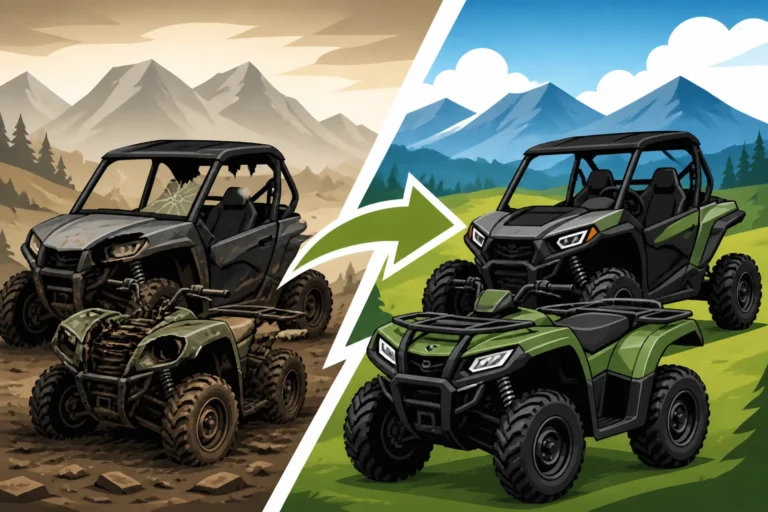
Let’s face it, our OHVs take a beating out here. A roll-over on a steep forest service road, an engine seizing up after too many creek crossings, or a frame that’s been tweaked beyond recognition – these are the moments that often force the decision. When the structural integrity of the frame is compromised, or critical safety systems like the brakes or steering cannot be reliably repaired, your machine becomes a significant risk. No amount of duct tape and prayer will fix a truly bent frame or a crumbling suspension system. Trying to patch up these kinds of issues isn't just a waste of money; it's putting yourself and anyone else who might ride it in danger on the trail. Think about the peace of mind you get from a reliable machine; when that's gone, it’s a big red flag.
Repair Costs Outweighing Value
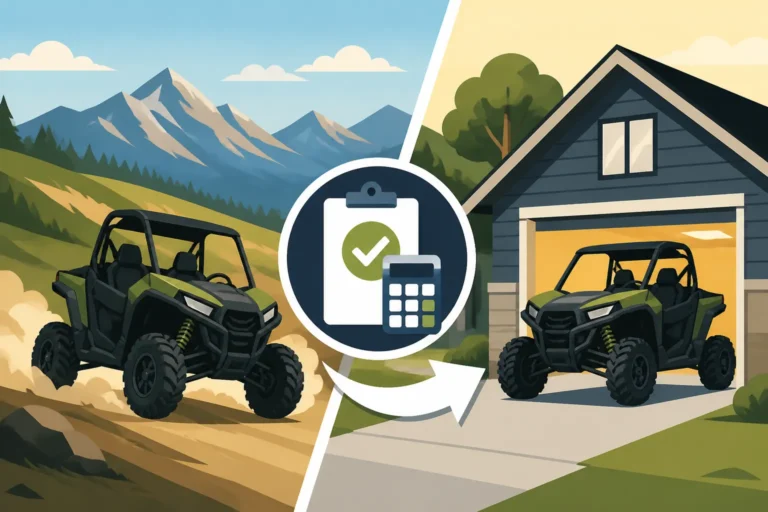
This is the cold, hard math that often seals a machine's fate. You take your UTV to the shop after it starts making a sound like a bag of rocks, and the mechanic hands you an estimate that makes your jaw drop. Replacing an entire engine or transmission, rebuilding a wrecked front end, or fixing extensive electrical damage can quickly add up to thousands of dollars. When the cost of getting your machine back to a safe, reliable state approaches or even exceeds what it would cost to buy a similar used machine, it's a clear sign to consider scrapping. Especially in a state like Montana where [No Sales Tax on a Machine Purchase] means you're not paying extra on the initial purchase, the repair-to-value ratio is even more critical. Keep in mind that older models, or less popular brands, often have lower resale values, making expensive repairs even harder to justify.
Here’s a simple table to help you weigh the decision:
| Factor | Lean Towards Repair | Lean Towards Scrapping |
|---|---|---|
| Damage Type | Minor engine issues, routine wear parts, cosmetic flaws | Catastrophic frame damage, major drivetrain failure |
| Safety | All safety systems fully functional or easily repairable | Compromised frame, non-repairable steering/brake issues |
| Repair Cost | Significantly less than current market value | Approaches or exceeds current market value |
| Age/Mileage | Relatively new, low hours/miles | High hours/miles, signs of extensive wear and tear |
| Availability | Parts are readily available and affordable | Obsolete parts, custom fabrication needed, high cost |
| Sentimental | Strong personal attachment, history of reliability | Ready to move on, machine has become a constant problem |
| Future Use | Still meets your riding needs, good potential for years | Machine no longer suitable for intended use, constant breakdowns |
The Paperwork Side of Scrapping Your Montana Machine
Even if your ATV or UTV is destined for the junkyard, you can't just push it off a cliff and call it a day (please don't!). There's important paperwork involved, especially concerning the title and registration, to ensure you're no longer legally responsible for the machine and to prevent any future headaches. Neglecting these steps can lead to confusion or even penalties down the line.
Canceling the Title and Registration
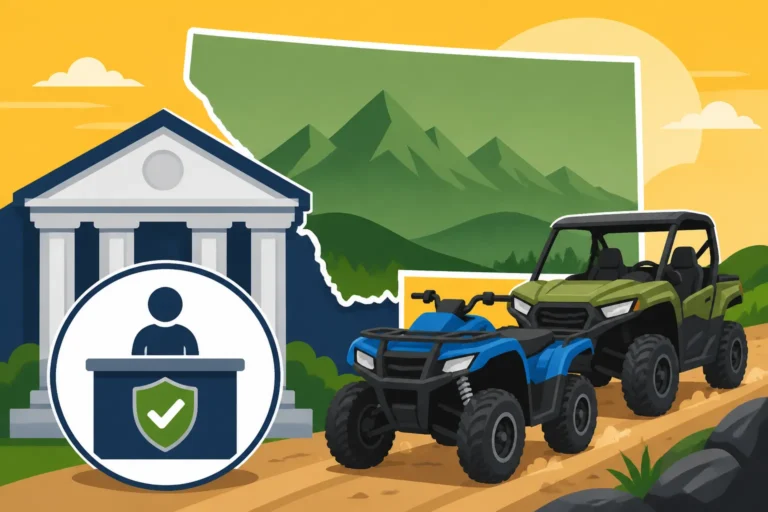
In Montana, your OHV has a title, and it likely has an active registration, possibly even [Montana's One-Time Permanent OHV Registration]. When a machine is scrapped, it's no longer a registered vehicle. You need to inform the Montana Department of Justice (DOJ) and your local County Treasurer's Office that the machine is being decommissioned. While there isn't a specific "scrapped" designation for OHVs like there is for cars, the process typically involves canceling the title. You'd usually surrender the title to the County Treasurer, indicating that the machine is no longer operational and is being disposed of. This removes it from the state's official records. You don't want a machine that no longer exists in physical form still existing on paper, as this can cause problems if it's ever erroneously reported or if you try to replace it and things get confused.
Remember, the goal is to make sure your name is definitively off that machine's record. This protects you from any liability if, somehow, parts of the machine ended up somewhere they shouldn't, or if someone tried to illegally reassemble it down the road. If you still have the title document, bring it to the treasurer. If it's lost, you might need to apply for [Replacing a Lost Montana Title] first, just to get the paperwork straight before cancellation.
Dealing with Plates and Decals
Since Montana OHVs don't typically have traditional license plates, your focus will be on the registration decal. If your machine had a current [Montana OHV Decals and Rear Placement], you should remove it. There's no requirement to surrender the decal, but removing it signifies that the machine is no longer street-legal or trail-legal. Some people like to keep their old decal as a memento, especially if it was a machine they loved. The important thing is that the legal record at the county and state level reflects the machine's status as "scrapped" or "decommissioned." The physical decal is merely a symbol of current registration, so once the title is handled, the decal becomes irrelevant. This also applies to any other identification stickers or plates you might have had for specific trail systems or parks.
The Practicalities of Getting Rid of a Machine Past Repair
Once you've made the tough decision and handled the initial paperwork, the next step is the actual disposal. You have a few different avenues to consider, each with its own benefits and drawbacks, from trying to recoup some value to simply ensuring responsible disposal.
Parting Out for Salvage Value
Even a machine that's "past repair" as a whole might have valuable individual components. The engine might be toast, but maybe the wheels and tires are still good, the seat is intact, or certain body panels are salvageable. [Breaking a Quad Down for Parts] can be a great way to recover some money, especially if you have the time and tools to do the work yourself. List these parts on local online marketplaces, OHV forums, or even through word of mouth at local riding clubs. Riders are often looking for used parts to keep their own machines running without having to buy new, expensive components.
When selling parts, be clear about their condition and compatibility. If you're selling larger, more valuable components, consider using a simple bill of sale, which you can easily create with resources like LawDepot, to document the transaction. This isn't strictly necessary for small parts, but for something like an axle or a transmission that's still in good shape, it provides a clear record for both buyer and seller. Remember that Montana charges [No Sales Tax on a Machine Purchase], so selling individual parts doesn't involve sales tax complications for you, the seller.
Local Salvage Yards and Recycling Centers
If you don't have the time or inclination to part out your machine, or if the damage is so extensive that few components are worth salvaging, a local salvage yard or recycling center is your next best bet. Many such facilities are equipped to handle large metal objects like ATVs and UTVs. They’ll often pay you a small amount per pound for the scrap metal, depending on current market rates.
Before you haul your machine over, give them a call to confirm they accept OHVs and what their specific requirements are. Some may require that fluids (oil, gas, coolant) be drained beforehand, while others may do it themselves for a fee. Be prepared to show proof of ownership, like the title you've already had canceled. This helps them ensure they're not accepting stolen property. Facilities might include specific automotive salvage yards, or general metal recycling businesses located near larger Montana towns like Billings, Missoula, or Great Falls.
Donating for Parts or Education
In some cases, you might find a local vocational school, mechanics' training program, or even an OHV club that could use your machine for educational purposes or for parts for their own projects. While this might not put money in your pocket, it can provide a sense of satisfaction knowing your old machine is still contributing in a positive way. Always check with these organizations about their donation policies and if they can provide a tax-deductible receipt (though for an OHV past repair, the appraised value might be low). This option is less about financial gain and more about community support and sustainable reuse.
Environmental and Legal Considerations for Scrapping in Montana
Responsible disposal isn't just about getting rid of the machine; it's also about doing it in a way that protects Montana's beautiful environment and complies with state regulations. You don’t want to inadvertently create a hazardous waste issue or run afoul of the law.
Proper Fluid Drainage and Hazardous Waste
OHVs contain various fluids that are hazardous to the environment, including engine oil, transmission fluid, coolant, and gasoline. Before scrapping or even extensive parting out, these fluids should be properly drained and disposed of. Many automotive shops or public recycling centers have designated collection points for used oil and other automotive fluids. Never dump these fluids on the ground, in a ditch, or down a storm drain. Montana takes its environmental protection seriously, and improper disposal can lead to fines and ecological damage. Ensure that the gas tank is emptied, and any batteries are removed and taken to a battery recycling facility. Lead-acid batteries contain hazardous materials and should not be simply thrown in the trash.
Avoiding Illegal Dumping
It might seem tempting, especially if you're out in the rural expanses of Montana, to just leave a derelict machine on some forgotten piece of land. However, illegal dumping is a serious offense, whether it's on private property without permission or on public lands like those managed by the Forest Service or BLM. Penalties can include substantial fines, cleanup costs, and even legal action. Respect Montana’s wild spaces. If you're wondering about riding on someone else's property, remember to always get permission to avoid issues like [Montana Trespass Law for Riders]. When it comes to disposal, take the extra steps to do it legally and responsibly.
When a Machine Has No Title or VIN
This is a tricky situation. If your machine is so old or damaged that it literally has no legible VIN, or if you've lost the title and the county has no record, scrapping becomes more complicated. Generally, reputable scrap yards require proof of ownership, even for a decommissioned machine, to ensure they aren't dealing with stolen property. [Selling a Machine With No Title] is difficult, and scrapping one often is too.
If you find yourself in this situation, your first step should be to contact your local County Treasurer's Office. They may be able to help you reconstruct a record of ownership, or advise you on specific procedures for disposing of a machine without a clear title. In some extreme cases, particularly for very old machines or homemade vehicles, a bonded title might be an option, but that's typically for getting a machine on the road, not taking it off. For an OHV truly past repair, it might be about proving to the scrap yard that you have a legal right to dispose of it, even if a full title isn't possible. Document everything you can, like old registration papers or a [Montana Bill of Sale Should Say] from when you bought it, even if it's incomplete.
Scrapping a machine is rarely a joyous occasion, but by understanding the process, handling the paperwork, and choosing a responsible disposal method, you can ensure that your old ATV or UTV gets a proper, dignified end to its service.
Disclaimer
This article is for general informational purposes only and does not constitute professional advice. Laws, prices and regulations vary by location and change over time. Consult a qualified professional for guidance on your specific situation.