Montana Dealer License Rules
Thinking about selling ATVs and UTVs in Montana can feel a bit like wading into a swamp without hip waders – confusing and potentially messy if you don't know the lay of the land. Many folks dream of turning their passion for off-road machines into a business, but the idea of state regulations and licensing can be a huge hurdle. This guide is here to help you navigate the specific rules for becoming a licensed off-highway vehicle (OHV) dealer in Big Sky Country, so you can turn that dream into a legitimate operation.
Why You Need an OHV Dealer License in Montana
Let's be honest, nobody wants more paperwork or hurdles when starting a business. But when it comes to selling off-highway vehicles in Montana, a dealer license isn't just an optional extra – it's a fundamental requirement if you intend to operate as a legitimate business. This isn't about making things difficult; it's about protecting consumers, maintaining fair business practices, and ensuring a regulated market.
The Legal Framework for Selling ATVs and UTVs
Imagine a scenario where anyone could just start selling multiple ATVs and UTVs out of their backyard with no oversight. Buyers would have little recourse if they got a lemon, and shady operations could flourish. Montana's legal framework for OHV dealer licensing is designed to prevent exactly that. It's a system to ensure that businesses engaged in selling these machines are accountable, operate transparently, and adhere to certain standards. This protects the buyer by providing a layer of trust that the seller has met specific legal obligations.
The state wants to know who is selling these machines professionally. It helps with traceability, ensures businesses are paying their fair share of taxes (other than sales tax, which Montana doesn't have), and provides a point of contact for consumer complaints. Without a license, you're not just breaking a rule; you're operating outside the established system that brings order and safety to the marketplace. It really is the foundation upon which a reputable OHV sales business is built in Montana.
What Qualifies as a "Dealer" in Montana OHV Sales?
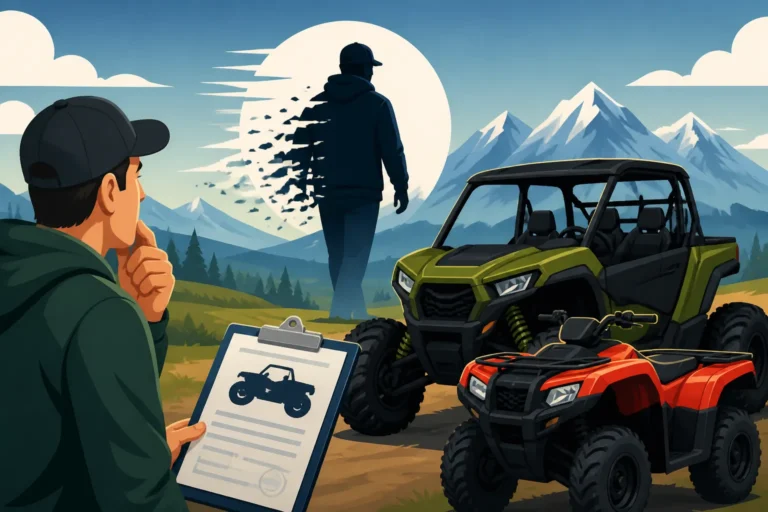
This is where many people get tripped up. There's a big difference between selling your personal side-by-side because you're upgrading, and regularly buying and selling machines for profit. If you're selling a single machine you owned, like your old Polaris RZR, you're a private seller. You'll need to make sure you have the [Proof of Ownership for a Montana Title] and provide a solid [What a Montana Bill of Sale Should Say]. But if you're doing more than that, you're likely venturing into "dealer" territory.
Montana typically defines a dealer as someone who, in a 12-month period, offers for sale, sells, or exchanges a certain number of new or used OHVs, or someone who holds themselves out to the public as a retail seller of OHVs. This often involves having a dedicated business location, advertising machines for sale, maintaining an inventory, and making a profit from the transactions. Even if you're just selling "a few" machines a year, if your intent is to operate a business, the state will likely consider you a dealer. It’s not just about the volume of sales, but the consistent nature and intent of your activities.
The Core Requirements for Montana OHV Dealer Applicants
So, you've decided to become a legitimate OHV dealer in Montana. That's a great step! But before you can open your doors and start connecting riders with their next machine, you'll need to meet several core requirements. These aren't just arbitrary hoops to jump through; they're designed to ensure you're a serious, responsible business owner.
Establishing a Physical Business Location
One of the first and most crucial steps is securing a proper physical business location. You can't just operate out of your garage or a P.O. box if you're going to be a licensed dealer. Montana requires a permanent, identifiable structure that includes an office space for conducting business and a display area for your inventory. Think about it: customers need a place to come, view machines, and complete paperwork. The location needs to be open during regular business hours, have adequate signage clearly identifying your dealership, and allow for the display of your ATVs and UTVs.
Beyond the physical structure itself, you'll also need to consider local zoning laws. Many municipalities have specific regulations about where commercial businesses, especially those with outdoor display areas, can operate. It's essential to check with your local city or county planning department before you commit to a property to ensure it's zoned correctly for an OHV dealership. A well-maintained, accessible location builds customer confidence and demonstrates your commitment to a professional operation.
Surety Bond and Insurance Obligations
To protect consumers and ensure accountability, Montana requires OHV dealers to obtain a surety bond. Think of a surety bond as a financial guarantee that you, the dealer, will comply with all state laws and regulations related to selling OHVs. If, for some reason, a customer experiences financial loss due to your dealership's failure to adhere to these rules (for example, issues with [Titling an OHV in Montana] or other paperwork), the bond provides a mechanism for them to recover damages. The specific amount of the bond can vary, but it's a non-negotiable part of the licensing process. You'll work with a bonding company to secure this.
In addition to a surety bond, you'll also need various types of insurance. This typically includes general liability insurance to cover accidents on your property or related to your business operations. Depending on your business model, you might also need property insurance for your inventory and building, and perhaps workers' compensation if you plan to have employees. Being properly insured isn't just a requirement; it's smart business practice that protects you from unforeseen circumstances that could otherwise devastate your new venture.
Sales Tax, Record Keeping, and Administrative Fees
Here's a common point of confusion: Montana famously has no general sales tax. This means that as an OHV dealer, you won't be collecting sales tax from your customers on the sale of the machine itself. This is a significant advantage for buyers, especially those looking at [No Sales Tax on a Montana Machine Purchase]. However, this doesn't mean you're exempt from all other business taxes or fees. You'll still have obligations for income tax, property taxes, and potentially other state or federal business taxes, as well as various administrative fees associated with your dealer license and business registration.
Proper record keeping is absolutely paramount. Even without sales tax to track, you'll need to meticulously record every transaction. This includes details of the buyer, the machine's VIN (which you'll need to know [Where to Find the VIN on a Polaris Ranger] and other brands), purchase price, any trade-ins, and all titling and registration paperwork. These records are vital for audits, for customer service, and for demonstrating compliance. Many dealers find tools like LawDepot incredibly helpful for generating standardized, legally sound bills of sale, purchase agreements, and other contracts. Having these documents prepared accurately and consistently will streamline your operations and keep you on the right side of state regulations.
Navigating the Montana OHV Dealer License Application
The thought of filling out government forms can make anyone's eyes glaze over, but breaking down the Montana OHV dealer license application process into manageable steps makes it a lot less daunting. It's all about precision, patience, and ensuring you have everything in order before you hit "submit" (or mail it in).
Navigating the Montana Department of Justice MVD Requirements
The primary agency you'll be dealing with for your OHV dealer license is the Montana Department of Justice's Motor Vehicle Division (MVD). They're the gatekeepers for ensuring that anyone selling vehicles professionally meets the state's standards. The first step is typically to obtain the correct application packet. This will outline all the forms, fees, and supporting documents you'll need. Don't be afraid to reach out to the MVD with questions; they're there to help you navigate the process.
You'll need to submit a comprehensive application form, which will require detailed information about your business entity, your ownership structure, and your physical location. Expect to undergo a background check, which is standard procedure to ensure that individuals operating dealerships are reputable. There will also be an application fee. It's absolutely critical that all information provided is accurate and complete. Any discrepancies or missing information can cause significant delays, sending your application back to the bottom of the pile. Double-check everything before submitting it, as a smooth application process is truly dependent on your attention to detail.
Preparing Necessary Documentation
The application isn't just a form; it's a package of documents that tell the state you're ready to do business responsibly. You'll need to gather a variety of supporting materials. This typically includes proof of your business's legal entity (e.g., articles of incorporation for an LLC, business registration), documentation proving ownership or a lease agreement for your business location, the certificate for your surety bond, and proof of your general liability insurance. You'll also need personal identification for all principals involved in the business.
Think of this as building a compelling case for why you should be granted a license. Every piece of paper serves a purpose. If you're establishing an LLC, you might also need documentation related to your [Montana LLC Setup Cost for a Vehicle] or other business structures. This is another area where services like LawDepot can be invaluable. You might need to draft specific business agreements, formalize employment contracts if you're hiring staff, or create internal operational policies. Having these professional documents ready not only supports your application but also sets a strong foundation for your business operations, making it clear to the state that you're prepared for the responsibilities of dealership ownership.
Understanding Ongoing Compliance and Renewal
Getting the license is a big achievement, but it's not the end of the road. A Montana OHV dealer license isn't a "set it and forget it" kind of deal; it requires ongoing compliance and regular renewal. State regulations can change, and it's your responsibility to stay informed and adjust your business practices accordingly. This means keeping up with any new laws regarding vehicle sales, titling, or advertising.
Typically, dealer licenses need to be renewed periodically, often annually or biennially. You'll receive renewal notices, but it's always wise to mark your calendar and proactively ensure you meet renewal deadlines. This usually involves submitting a renewal application, paying associated fees, and demonstrating that your bond and insurance are still active and in good standing. Failure to renew on time can lead to penalties or even the suspension of your license, which could bring your business to a screeching halt. The state might also conduct periodic inspections or audits to ensure you're maintaining proper records and operating within the bounds of your license. Staying diligent in your compliance efforts protects your investment and your reputation.
Life as a Licensed Montana OHV Dealer: Benefits and Best Practices
Once you've navigated the application process and secured your Montana OHV dealer license, you're not just a seller; you're a recognized professional in the state's vibrant off-road community. This new status comes with both significant benefits and important responsibilities, shaping how you interact with customers and other businesses.
Trust, Credibility, and Customer Confidence
Perhaps the most immediate benefit of becoming a licensed dealer is the immense boost it gives to your credibility. In a world where consumers are increasingly wary, having a state-issued license instantly signals that you're a legitimate, regulated business. This translates directly into customer confidence. Buyers know that you've met specific requirements, that you're bonded, and that there are channels for recourse if something goes wrong. This trust is invaluable, especially when a private seller might struggle to provide the same level of assurance.
Being licensed also opens doors to professional resources. You might gain access to dealer-only auctions, allowing you to acquire inventory at competitive prices and offer a wider selection to your customers. You'll also be part of a network of other professionals in the industry, which can lead to partnerships, shared knowledge, and greater opportunities for growth. Your professional image, backed by your license, makes your dealership a more attractive option for potential buyers who might otherwise consider [Buying a Machine With No Paperwork at All] from an unknown private party.
Avoiding Penalties and Legal Headaches
Operating as an OHV dealer without the proper license in Montana is asking for trouble. The state takes unlicensed activity seriously, and the consequences can range from hefty fines to cease-and-desist orders, and even potential legal action. Imagine spending all that time and money building your business, only to have it shut down because you skipped the licensing step. That's a nightmare scenario no entrepreneur wants to face. The peace of mind that comes with operating legally cannot be overstated.
By being licensed, you're proactively avoiding these significant penalties and legal headaches. You're demonstrating your commitment to ethical business practices, which protects both your business and your customers. This also helps you avoid issues that could arise from questions about [Montana Registration for a Machine Bought Private Party] if you were trying to pass off dealer sales as private transactions. Furthermore, having clear, documented processes for sales, titling, and transfers, often aided by formal templates from services like LawDepot, further shields you from disputes. These tools help ensure that all agreements with customers or suppliers are clear, legally sound, and properly executed, minimizing the risk of future misunderstandings or litigation.
Understanding "No Sales Tax" for Dealers and Customers
Montana's lack of a general sales tax is a huge draw for vehicle buyers, and as a licensed OHV dealer, you are central to this advantage. When you sell an ATV or UTV, your customers will not pay sales tax on that purchase in Montana. This is a powerful selling point and something you should certainly highlight. The concept of [Montana Charges No Sales Tax on a Machine] is a core part of the state's economic landscape, benefiting both residents and out-of-state visitors.
However, it's crucial to understand that "no sales tax" for the customer doesn't mean "no taxes at all" for your business. As mentioned before, you'll still be responsible for various other business taxes, such as income tax on your profits, property taxes on your land and inventory, and potentially payroll taxes if you have employees. For customers from out of state, while they won't pay Montana sales tax, they might still be subject to [Use Tax Your Home State Still Wants] when they register the machine in their home state. As a responsible dealer, it's a good practice to inform out-of-state buyers of this potential obligation without providing specific tax advice, encouraging them to check their local laws. This transparency further builds trust and reinforces your reputation as a knowledgeable and ethical business.
Here's a quick look at some key differences between selling privately and operating as a licensed dealer:
| Feature | Private Seller | Licensed OHV Dealer |
|---|---|---|
| Sales Volume | Typically one or two personal machines per year | Regular buying and selling for profit |
| Business Location | From home, no dedicated commercial space | Required physical, identifiable commercial location |
| Surety Bond | Not required | Required (financial guarantee for consumers) |
| Business Insurance | Covered by personal policies (limited scope) | Required (general liability, property, etc.) |
| Record Keeping | Simple bill of sale, title transfer | Meticulous records, transaction logs, formal contracts |
| Consumer Protection | Limited, "as-is" sales often | State oversight, avenues for consumer recourse |
| Sales Tax Collection | Not applicable (Montana has no sales tax) | Not applicable (Montana has no sales tax) |
| Access to Inventory | Personal machines, opportunistic buys | Dealer auctions, direct manufacturer relationships |
| Advertising | Classifieds, online marketplaces | Dedicated advertising, branding, public presence |
| State Oversight | Minimal, primarily for title transfer | Regular compliance checks, audits, renewals |
Disclaimer
This article is for general informational purposes only and does not constitute professional advice. Laws, prices and regulations vary by location and change over time. Consult a qualified professional for guidance on your specific situation.