Riding an OHV on the Road in Montana
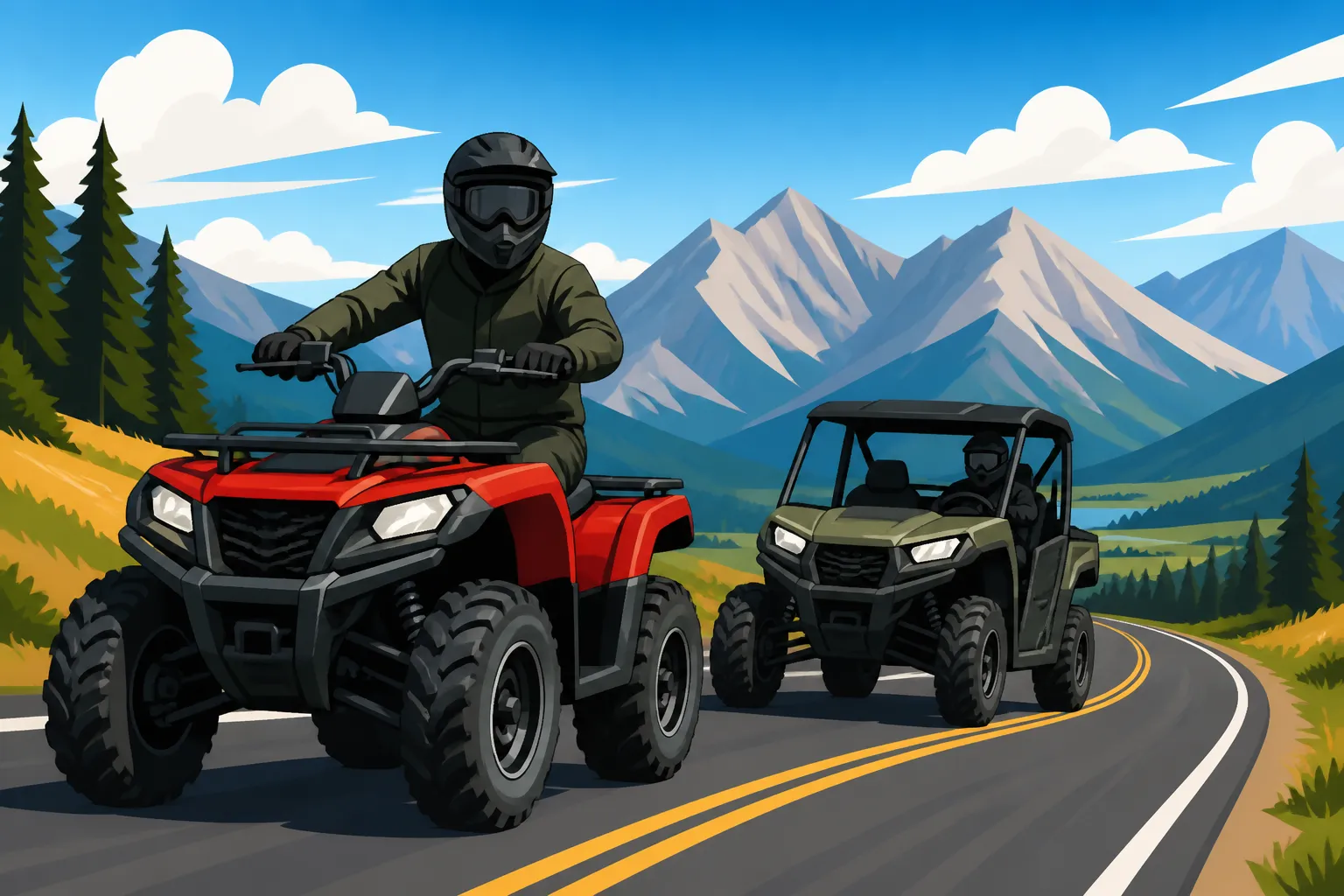
You've just loaded up your ATV or UTV, maybe for a quick run to the store for ice or to link up with a different trail system, only to be hit with that familiar pang of uncertainty: "Can I even ride this on the road here in Montana?" It's a question that plagues many off-highway vehicle owners, and for good reason—the rules aren't always clear-cut, leaving riders feeling frustrated and unsure of where they stand. This guide is here to untangle the complexities of OHV road riding in Big Sky Country, laying out the state, county, and municipal regulations so you can hit the pavement with confidence and clarity.
The Complex Reality of OHV Road Riding in Montana
Montana, with its vast open spaces and incredible trail systems, is a paradise for ATV and UTV enthusiasts. Yet, the moment you consider transitioning from dirt to asphalt, a whole new set of rules comes into play that can feel like navigating a legal minefield. It’s not simply a matter of having a machine; it's about understanding the intricate web of state statutes, county resolutions, and city ordinances that dictate where and how you can ride your off-highway vehicle on public roads. Many riders assume a general "street legal" status, but Montana operates a bit differently, and those nuances are critical to avoid trouble.
Why It's Not a Simple "Yes" or "No" Answer
The biggest frustration for OHV riders in Montana is the lack of a universal "yes" or "no" answer regarding road legality. You might be able to ride your side-by-side on a county road in one part of the state, but five miles down the highway, a different county or municipality might have a strict "no OHVs on paved roads" policy. This patchwork of regulations can be incredibly maddening. Imagine you're planning a trip from Bozeman to West Yellowstone, hoping to use your UTV to connect between trail systems, only to discover that certain stretches of road or small towns along your route have outright bans. It forces riders to become amateur legal scholars, scrutinizing local codes before every ride, which takes away from the pure enjoyment of the sport. The state provides a framework, but the real control often rests at the local level, leading to significant variations that catch even seasoned riders off guard. It’s not like registering a car where the rules are consistent statewide; OHVs exist in a gray area, where local jurisdictions wield considerable power.
The "Street Legal" Myth vs. Montana's Approach
In many other states, there's a clear path to making an ATV or UTV "street legal" by adding specific equipment and registering it as a low-speed vehicle or an on-highway vehicle. Montana, however, doesn't really have a direct equivalent of this blanket "street legal" conversion for OHVs. Instead, Montana focuses on equipping your off-highway vehicle with specific safety features that allow it to operate on designated public roads, usually those with lower speed limits or specific classifications, when permitted by local authorities. You're not "re-titling" your machine as a street vehicle; you're simply meeting the criteria for conditional road access. This distinction is crucial. Your permanent OHV registration, while important for trail use, doesn't automatically grant you road access. It means you must still adhere to the equipment requirements and, critically, ensure that the specific road you intend to ride on is open to OHVs by the governing county or city. Without a clear path to becoming truly "street legal" in the traditional sense, Montana riders must constantly be aware of both their machine's setup and the specific ordinances of their intended riding area.
Understanding Montana's State-Level OHV Road Rules
While local jurisdictions have significant sway, the state of Montana sets the baseline requirements for any OHV that wishes to legally operate on a public road, if that road is open to OHVs at all. These requirements are primarily focused on safety equipment, ensuring that your machine can be seen, heard, and controlled safely among other traffic. Failing to meet these state-level equipment standards, even on a road where OHVs are otherwise permitted, can lead to fines and citations, so it's essential to understand and implement them on your machine.
Equipment Requirements for Road Use
Before your ATV or UTV even touches a public road, it must be equipped with several critical safety features. Think of these as the absolute minimum to ensure you're visible and can signal your intentions to other drivers. First, you need functional headlights and taillights. These aren't just for trail riding in the dark; [Headlight and Taillight Rules in Montana] dictate that your lights must be on at all times when operating on a public road, even in broad daylight. This vastly improves your visibility to cars, which are much larger and faster. Your machine must also have at least one brake light, visible from the rear, that illuminates when the brakes are applied. Beyond lighting, you’ll need at least one rearview mirror, firmly attached and providing a clear view of the road to the rear for at least 200 feet. This is invaluable when merging or changing lanes, as an OHV often sits lower than typical road vehicles, making blind spots a real hazard.
Additionally, a functional horn or other warning device is mandatory. This isn't just a courtesy; it's a safety device for alerting other drivers to your presence, especially in situations where you might be less visible. Finally, your machine needs an adequate muffler and spark arrester. While spark arresters are primarily for fire prevention on public lands, proper muffling ensures your machine doesn't create excessive noise, which can be a nuisance in residential areas and draw unwanted attention. Many aftermarket accessories, such as those offered by SuperATV, can help you meet these requirements, whether it's brighter LED lights, a universal horn kit, or an upgraded mirror setup designed for off-road vehicles. Ensuring these components are installed and fully functional isn't just about compliance; it's about minimizing risk on shared roadways where your OHV is a much smaller presence.
Driver and Passenger Requirements
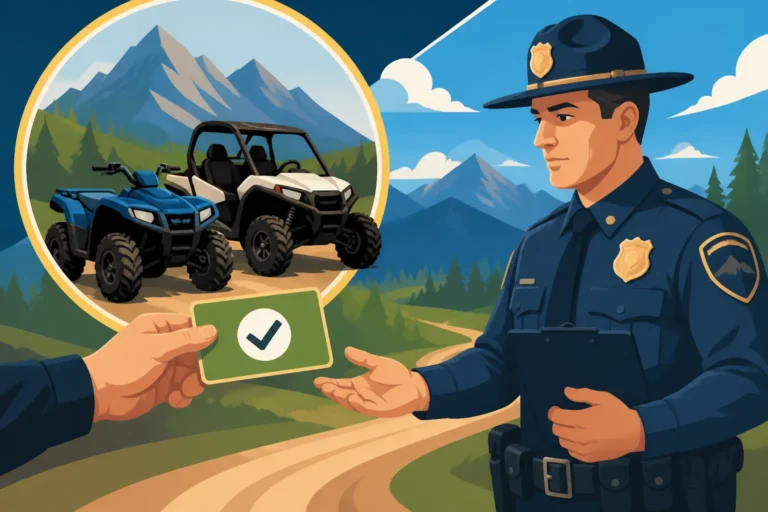
Beyond the machine itself, Montana law also sets rules for who can operate an OHV on a public road and who can ride as a passenger. Generally, anyone operating an OHV on a public road must possess either a valid driver's license or an OHV safety education certificate. For adult riders (16 years and older), a standard driver's license from Montana or another state usually suffices. However, for younger riders, the rules become more specific. Riders aged 12 to 15 are permitted to operate an OHV on a public road only if they have successfully completed an OHV safety education course approved by the state and are under the direct supervision of an adult at least 18 years old. This adult supervisor must also possess a valid driver's license or OHV safety certificate and be within direct visual and verbal contact. [Montana Rules for a 12-Year-Old on a Road] are quite strict, emphasizing safety and supervision for this age group.
As for passengers, the rules dictate that an OHV can only carry as many passengers as it was designed to accommodate. So, if your ATV is a single-rider machine, no passengers are allowed. Side-by-sides, designed for multiple occupants, must have appropriate seating and, crucially, all occupants must wear seat belts if the vehicle is equipped with them. [Montana Seat Belt Rules in a Side-by-Side] are clear: if there's a belt, use it. Furthermore, any rider or passenger under the age of 18 must wear a DOT-compliant helmet when operating or riding on an OHV on a public road. This is a non-negotiable safety measure designed to protect younger, more vulnerable riders. Understanding these personnel requirements is just as important as the equipment rules; you might have the brightest lights and best brakes, but if your 14-year-old is riding unsupervised, you're still looking at a citation. [Montana Road Rules for Young Riders] are designed to protect them, so adherence is key.
County and City Ordinances: The Local Control
Here's where the waters get murky for many riders. While the state sets the basic framework for equipment and rider age, the ultimate decision on whether OHVs are allowed on local roads rests squarely with county commissioners for county roads and municipal governments for city streets. This local control means that a "street legal" setup that works in Flathead County might be entirely illegal in Yellowstone County, depending on their specific ordinances. It's a critical piece of the puzzle that too many riders overlook.
How County Commissioners Open or Close Roads
County commissioners play a pivotal role in determining OHV access on county roads. Montana law grants counties the authority to pass resolutions that either open or close their county roads to off-highway vehicles. This process usually involves public hearings, community input, and then a formal vote by the commissioners. For example, some counties, especially those with extensive rural road networks connecting to popular trailheads, might have broad resolutions that permit OHV use on most or all of their county roads, often with specific speed limits or time-of-day restrictions. Other counties, perhaps more populated or with concerns about noise and traffic safety, might choose to close most or all of their roads to OHVs, or only permit them on very specific, short segments.
The frustration here for riders is palpable. You might have scouted an amazing loop that requires a two-mile connection on a county road, only to find out that particular county has a blanket ban. [County Roads and the Montana Commissioners' Say] directly reflects this local power. It's not uncommon for commissioners to respond to resident complaints about noise, dust, or safety concerns, leading to changes in ordinances. This means that a road that was open last year might be closed this year. To be a responsible rider, you simply must check the current resolutions for the specific county you plan to ride in. Many counties post these on their official websites, or you can contact the county clerk's office directly. It might seem like a hassle, but it's the only way to ensure you're riding legally and respectfully within that community.
Municipal Ordinances and Town Access
Just like counties, individual cities and towns across Montana have the power to regulate OHV use on their municipal streets. This is perhaps where the most significant variations occur, and where riders are most likely to encounter restrictions. Some forward-thinking trail towns, often those that rely on outdoor recreation tourism, have embraced OHVs and have specific ordinances that allow riders to use town streets to access services, fuel up, or connect to trailheads. [Montana Towns That Allow OHVs on Their Streets] are a fantastic resource for riders looking to maximize their experience, offering everything from cafes you can ride your UTV right up to, to gas stations specifically catering to OHV users.
However, many other cities and towns, particularly larger ones or those not directly tied to a trail system, maintain strict prohibitions on OHV use within their city limits. [Montana City Streets and Municipal Ordinances] can vary wildly, from outright bans to very specific routes or times when OHVs are permitted. Imagine trying to ride your side-by-side into a grocery store parking lot in one town versus another; one might welcome you, the other might issue an immediate citation. Even in towns that permit OHV use, there are often additional rules regarding speed limits (usually very low, like 15-25 mph), parking (often restricted to specific areas), and noise. This means you need to do your homework for every single municipality you plan to enter. Ignoring these local rules is not only risky in terms of fines but also damages the reputation of OHV riders within that community, potentially leading to stricter bans in the future.
Where Can You Ride an OHV on a Montana Road?
So, with all these layers of rules, where can you actually ride your OHV on a Montana road? It's not always on paved highways, and often it's not even on major county thoroughfares. The most common and widely accepted places for OHV road riding are specific types of unpaved roads, primarily those managed by federal agencies or designated county routes. Crossing certain types of roads, like major highways or interstates, comes with its own very strict limitations.
Forest Service and BLM Roads
One of the most frequent places you'll find OHV access on "roads" in Montana is within our vast federal land systems, specifically on U.S. Forest Service (USFS) roads and Bureau of Land Management (BLM) roads. These gravel or dirt roads often crisscross national forests and BLM land, connecting trails, campsites, and various points of interest. Generally, if an OHV is properly registered and equipped according to state law, it can be operated on these roads, unless specifically prohibited. [Montana Rules on Forest Service Roads] often align with broader federal regulations, which typically allow licensed vehicles, including properly equipped OHVs, on open system roads. The key here is "open system roads"—always consult the relevant Motor Vehicle Use Map (MVUM) for the specific forest or BLM district you're in. These maps are the definitive guide for motorized access, clearly showing which roads and trails are open to which types of vehicles and during what seasons.
Similarly, [Montana Rules on BLM Roads] usually permit OHV use on designated routes. The beauty of riding on these federal roads is that they often lead directly to or connect various trail systems, allowing you to extend your ride or access more remote areas. However, it's crucial to understand that even on federal land, "roads" are distinct from "trails." Just because you can ride your OHV on a Forest Service road doesn't mean you can then take it off-road or onto any adjacent trail without checking the MVUM. Always carry a current MVUM (or a reliable digital version like onX Offroad) and respect all signage. Federal rangers and BLM officers regularly patrol these areas, and citations for illegal off-route travel are common.
Crossing Highways and Interstates
While limited road riding is permitted on certain local and federal roads, there are very clear and strict prohibitions when it comes to major state highways and, especially, interstates. You generally cannot ride your OHV along the shoulder or in the travel lanes of most paved state highways, even if it's equipped for road use. The primary exception to this is usually for the purpose of crossing a highway at a designated intersection, to continue on an approved OHV route on the other side. [Crossing a Montana Highway on an OHV] details these specific situations: you must come to a complete stop, yield to all traffic, cross directly at a right angle to the highway, and proceed immediately to the next approved OHV route. Lingering on the highway or riding along its shoulder is almost always illegal and extremely dangerous due to the high speed of other vehicles.
As for interstates, the rules are even more stringent: OHVs are absolutely, unequivocally prohibited from operating on any interstate highway, including its on-ramps, off-ramps, or shoulders. [Crossing an Interstate on a Quad] is simply not allowed. These are high-speed, limited-access roads designed for conventional motor vehicles, and an OHV would pose a severe safety hazard. Attempting to ride an OHV on an interstate will almost certainly result in a citation, potential impoundment of your machine, and could lead to a serious accident. If your route requires you to cross or use an interstate, you must trailer your OHV for that segment of the journey. There are no exceptions for "just a short distance" or "just to get to the next exit." The safety risks and legal penalties are simply too high.
Navigating the Nuances: Practical Tips for Montana Road Riding
Given the complex nature of OHV road access in Montana, simply knowing the rules isn't always enough. You need a practical strategy for verifying information, preparing your machine, and riding safely. These nuances can make the difference between an enjoyable, legal ride and a frustrating, ticket-prone experience.
Always Verify Local Rules Before You Ride
This cannot be stressed enough: always verify the specific county and municipal ordinances for your planned riding area before you even load your machine. What was true last year might have changed, and what applies in one county won't necessarily apply in the next. The best way to do this is to check the official websites of the county government (usually under "Commissioners" or "Ordinances") and the specific towns you intend to enter. Many counties will have their OHV resolutions clearly posted. If you can't find the information online, don't hesitate to call the county clerk's office or the city hall directly. They can provide clarification or direct you to the correct department.
For instance, if you're planning a trip to a popular area like Red Lodge, you'd want to check the Carbon County Commissioners' resolutions and the specific ordinances for the town of Red Lodge if you plan to ride into town for lunch. Relying on outdated information from forums or word-of-mouth is a recipe for trouble. Law enforcement officers in these jurisdictions are typically very familiar with their local rules and expect riders to know them. Ignorance of the law is not a valid defense. Taking a few minutes to confirm current regulations could save you hundreds of dollars in fines and the headache of having your trip interrupted. It shows respect for the local community and helps maintain good relations between riders and residents.
Essential Gear and Best Practices for Road Safety
Even when you're legally allowed on a road, operating an OHV among conventional traffic requires an extra layer of caution and preparation. Beyond the legally mandated equipment, consider adding accessories that enhance your visibility and safety. High-visibility clothing, such as bright orange or yellow vests, can make a huge difference in how quickly other drivers spot you. A whip flag, while often only required on sand dunes, can also increase your profile, especially in areas with rolling terrain or blind spots. Products from companies like SuperATV can significantly upgrade your machine's road readiness; for example, their turn signal kits, LED light bars (for off-road use, but making you more visible when approaching trailheads), and full windshields can improve both safety and comfort on transitional road sections.
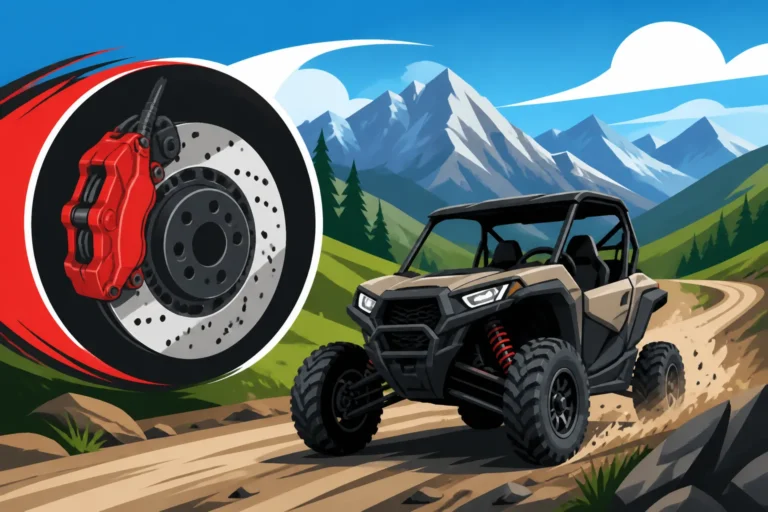
Always ensure your brakes are in top working order; [Brakes a Montana Road Ride Requires] aren't just for stopping on the trail, they're crucial for emergency stops on pavement where traction is different and speeds are higher. Keep your tires properly inflated for road use, which might be a higher pressure than you use for aggressive off-roading, to improve handling and reduce rolling resistance. Maintain a safe following distance, as OHVs can have different braking characteristics than cars. Be predictable in your movements, use hand signals if you don't have turn signals, and always assume that other drivers might not see you. It's also a good idea to keep your registration papers on the machine, easily accessible, as local law enforcement may ask for them. Being overly cautious and well-prepared isn't just a good idea; it's essential for sharing the road safely and responsibly.
Penalties, Enforcement, and Common Misconceptions
Despite the best intentions, riders sometimes find themselves on the wrong side of the law when it comes to OHV road use. Understanding the potential consequences and dispelling common misconceptions is vital for every rider in Montana. The state, counties, and cities take these rules seriously, not to be punitive, but to ensure public safety and manage traffic flow.
What Happens if You're Caught Illegally Riding
If you're caught operating an OHV illegally on a public road in Montana, the consequences can range from a warning to significant fines and even impoundment of your machine. A sheriff's deputy, state highway patrol officer, or local police officer has the authority to issue citations for violations of OHV road laws. [Montana Fines for Illegal Road Riding] can vary depending on the specific offense and the jurisdiction, but they are often comparable to traffic citations for other vehicle types, easily running into the hundreds of dollars. For example, riding on a closed road, operating without the required equipment, or allowing an underage, uncertified rider on the road can all lead to separate tickets.
Beyond monetary penalties, repeated violations or serious infractions could potentially lead to the suspension of your OHV operating privileges in Montana. In some cases, especially if the illegal riding involves reckless behavior or property damage, your machine could be impounded, leaving you with the added costs of towing and storage fees to retrieve it. This can quickly turn a fun day of riding into a very expensive and frustrating ordeal. It's not worth the risk of a shortcut or a moment of carelessness. Law enforcement agencies are becoming more attuned to OHV activities, and with increased technology like dash cams and citizen reporting, the chances of getting caught are higher than ever.
Misconceptions About Road Legality and Registration
There are several persistent myths that riders hold about OHV road legality in Montana, and debunking these is crucial for responsible riding. One of the biggest misconceptions is that Montana's "permanent" OHV registration automatically grants you permission to ride on any public road. This is simply not true. [What Permanent Registration Actually Buys You] is primarily for legal trail access and avoiding annual renewal fees; it does not override local county or city road prohibitions or exempt you from the state's equipment requirements for road use. Your permanent registration means you're good for the trails, but road access is a whole separate set of hurdles.
Another common misunderstanding revolves around agricultural exemptions. Many machines, particularly UTVs, are used extensively for ranch and farm work. While Montana does have some provisions for agricultural vehicles, these exemptions are generally very specific and do not constitute a blanket permission to operate your OHV on public roads for recreational or casual purposes. [Montana Agricultural Road Exemptions] are typically limited to direct farm-related activities on or adjacent to agricultural property, and usually involve specific lighting or signage requirements. You can't just slap a "farm use" sticker on your side-by-side and expect to ride it down Main Street. Understanding these distinctions is critical to avoid accidental violations. Always assume that if you are using your OHV for anything other than direct, specific agricultural work, you are subject to the full suite of state and local OHV road laws.
Comparing Road Access by Machine Type and Rider
The rules, while generally applying to all off-highway vehicles, can sometimes feel different depending on whether you're on an ATV or a UTV, or who is behind the handlebars. Montana's regulations account for these variations, and understanding them ensures everyone in your riding party is compliant and safe.
ATVs vs. UTVs on Montana Roads
When it comes to road access, Montana generally doesn't distinguish between ATVs (all-terrain vehicles) and UTVs (utility terrain vehicles, often called side-by-sides) in its fundamental equipment and legal requirements. Both types of machines must meet the same headlight, taillight, brake light, mirror, horn, and muffler standards if they are to be operated on approved public roads. However, there are practical differences that often make UTVs a more common sight on road sections. UTVs typically offer more inherent safety features, such as roll cages, seatbelts, and often a wider, more stable stance, which can make riders and local authorities more comfortable with their limited road use. [Montana Seat Belt Rules in a Side-by-Side] mandate their use if equipped, which is almost universal in UTVs, enhancing safety.
ATVs, while capable, often lack the built-in passenger capacity and protection of a UTV, making them less suitable for road sections where traffic is present or where multiple occupants are desired. An ATV designed for a single rider cannot legally carry a passenger on a public road, whereas many UTVs are explicitly designed for two, four, or even six occupants. If you're planning on riding road sections with passengers, a UTV is almost always the more appropriate and safer choice, assuming it meets all other legal requirements. The key takeaway is that while the legal framework is similar for both, the practicalities and inherent design differences mean UTVs might feel more at home, or at least inspire less concern from other drivers, on short road connections.
Youth Riders and Road Access
Montana has clear, firm rules designed to protect youth riders, especially when they venture onto public roads. The general rule is that no one under the age of 12 can operate an OHV on a public road. For youth riders aged 12 to 15, the ability to ride an OHV on a public road is contingent on two critical factors: successful completion of an approved OHV safety education course and direct supervision by an adult at least 18 years old. [Montana Rules for a 12-Year-Old on a Road] emphasize that this adult must also possess a valid driver's license or OHV safety certificate and maintain direct visual and verbal contact with the younger rider. This isn't just about being in the same general area; it's about active supervision, where the adult can immediately intervene if a problem arises.
This means a 12-year-old, even if they've taken the safety course, cannot legally ride an ATV by themselves down a county road to a friend's house. An adult must be actively supervising. Once a rider turns 16, they are permitted to operate an OHV on approved public roads if they possess a valid driver's license or have completed the OHV safety course. Even if a 16-year-old has a driver's license, the helmet requirement for anyone under 18 still applies when riding on public roads. [Montana Road Rules for Young Riders] are strict for good reason: young riders may lack the experience, judgment, and physical capability to react safely to the unpredictable nature of road traffic. Parents and guardians must ensure their children not only understand these rules but also adhere to them for their own safety and to avoid legal repercussions.
Summary of Montana OHV Road Rules
To help clarify the various requirements, here's a quick reference guide for OHV road riding in Montana. Remember, this is a summary, and specific local ordinances always take precedence!
| Requirement Type | Detail | Purpose | SuperATV Solution (Example) |
|---|---|---|---|
| Equipment | Headlights (on at all times) | Visibility to other drivers | LED Headlight Kit |
| Taillights (on at all times) | Visibility from the rear | LED Taillight Kit | |
| Brake Light(s) | Signal deceleration/stopping | Universal Brake Light Kit | |
| At least one Rearview Mirror | View traffic behind | Universal Side View Mirrors | |
| Horn or Warning Device | Alert other road users | Electric Horn Kit | |
| Adequate Muffler | Minimize noise pollution | Aftermarket Muffler (ensure compliance) | |
| Spark Arrester | Prevent fires on public lands | Integrated into most aftermarket exhaust systems | |
| Driver | Valid Driver's License OR OHV Safety Course Certificate (if 16+) | Proof of competence | (Driver Responsibility) |
| Age 12-15: Safety Certificate + Adult Supervision (18+, licensed/certified) | Youth safety, experience building | (Supervision is key) | |
| Under 12: PROHIBITED on public roads | Child safety | (N/A) | |
| Passenger | Only as many as designed for | Vehicle stability, safety | UTV with multi-seat capacity |
| Seatbelts required if equipped (UTVs) | Occupant restraint | (Standard on UTVs) | |
| Protective Gear | Helmet (DOT-compliant) required for all riders/passengers under 18 | Head protection | (Personal Protective Equipment) |
| Road Access | Only on roads OPENED by county resolution or municipal ordinance | Local control, traffic management | (Verify local rules before riding) |
| Generally NOT on paved state highways (except for direct crossing) or interstates | High-speed traffic safety | (Trailer machine for these segments) | |
| Insurance | Liability insurance required for road use (check state/local minimums) | Financial responsibility in case of accident | (Consult your insurer) |
Navigating Montana's OHV road rules requires diligence and a commitment to safety. By understanding the state's baseline requirements, respecting local jurisdictions, and properly equipping your machine, you can enjoy the vast beauty of Big Sky Country both on and off the designated trails. Always ride responsibly, stay informed, and help preserve access for all OHV enthusiasts.
Disclaimer
This article is for general informational purposes only and does not constitute professional advice. Laws, prices and regulations vary by location and change over time. Consult a qualified professional for guidance on your specific situation.