County Commissioners and Montana County Roads
It can feel like you need a law degree and a crystal ball just to figure out where you can legally ride your ATV or UTV on the roads here in Montana. So many folks get frustrated trying to understand the patchwork of regulations, especially when it comes to those seemingly simple county roads. This guide is here to untangle the complexities, focusing on how Montana's county commissioners play a pivotal role in opening or closing these routes for your off-highway vehicle (OHV) adventures, and what that means for your ride.
Understanding the Lay of the Land: Montana's Unique Approach to OHV Road Use
Montana is a big state, and with that vastness comes a diverse landscape of rules and regulations, especially when you start looking at off-highway vehicle (OHV) access. Unlike some states that might have a blanket "street legal" law, Montana operates on a more nuanced, localized approach. This can be incredibly confusing for riders, whether you're a long-time resident or just visiting for a summer of trail riding. You might hear stories of towns where UTVs cruise Main Street, and then in the very next county, it feels like you're dodging fines just for blinking at a paved road. It's enough to make you scratch your head and wonder who makes these decisions!
The Patchwork of Permitted Access
The main source of this head-scratching is that Montana doesn't have a single, statewide law that dictates OHV use on all public roads. Instead, the authority to open or close certain roads often falls to local jurisdictions. While the state sets some baseline requirements for OHVs that are ridden on any public road (like proper lighting, mufflers, and the right registration), the decision to permit OHVs on specific county roads, or even within city limits, is largely left up to those local entities. This means what's perfectly fine in Gallatin County might be a no-go in Flathead County, or even from one small town to the next. This local control is both a blessing and a curse; it allows communities to tailor rules to their specific needs, but it also creates a complex web for riders to navigate. You've got to be prepared to do your homework for every new area you want to explore.
State Law and Local Control: A Balancing Act
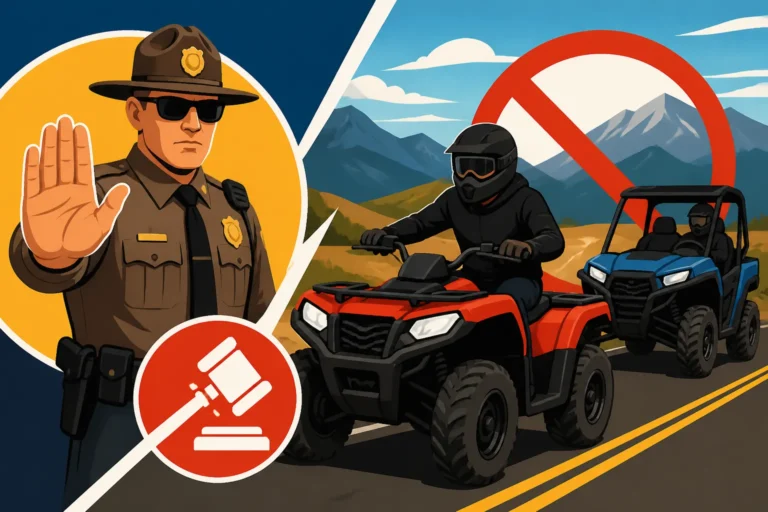
Montana law does provide a framework, but it gives a lot of leeway to local governments. For instance, state law generally prohibits OHV use on paved public roads unless a local authority, like a board of county commissioners or a city council, has passed an ordinance specifically allowing it. This is a critical distinction that many riders miss. You can't just assume that because your machine is registered and has all the proper gear from SuperATV, you're good to go on any county road. There's also the element of [Montana Road Rules for Young Riders] which often applies regardless of local ordinances. The state sets the stage, but the county commissioners are the ones who draw the specific lines on the map. This approach is intended to balance the desires of OHV enthusiasts with concerns about safety, noise, and road wear from local residents. It's a constant negotiation, and often, the only way to get clarity is to consult local ordinances directly or even speak with county officials.
The Power Players: Who Are County Commissioners and What Do They Do?
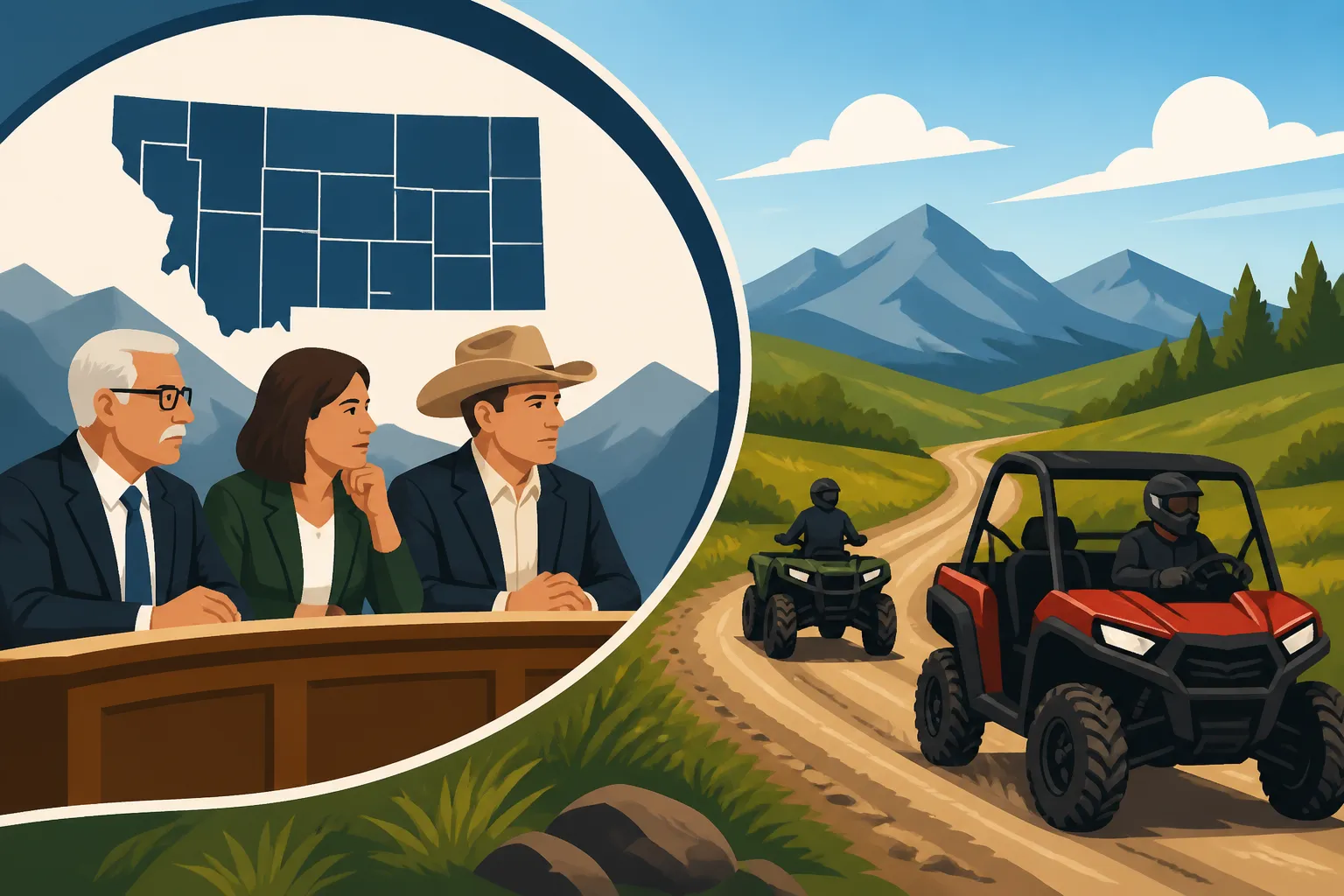
When it comes to deciding where you can and can't ride your ATV or UTV on county roads in Montana, the county commissioners are the unsung heroes—or sometimes, the silent gatekeepers. These elected officials hold significant power over local infrastructure, including the very roads you hope to ride. Understanding their role is absolutely essential for any OHV enthusiast looking to expand their riding horizons beyond designated trails. They're not just some far-off bureaucracy; they are your neighbors, elected to represent the community's interests, and they directly influence your access.
The Role of County Commissioners in Road Management
County commissioners in Montana are responsible for the administration of county government, and a huge part of that responsibility involves county roads. They oversee the county road department, approve budgets for maintenance and improvements, and, crucially for us riders, they set policies for how those roads can be used. This includes making decisions about whether to allow off-highway vehicles on specific county-maintained roads. They're not just thinking about recreational riding; they're considering everything from school bus routes and agricultural traffic to snowplowing and gravel hauling. When they make a decision about OHV access, it's often a balance of public safety, economic impact, and resident feedback. Their decisions are usually formalized through resolutions or ordinances, which are legally binding for that specific county. For example, if you're trying to figure out [Which Montana Roads Allow OHVs], checking with your local county commissioner's office is always a smart first step.
How Decisions Are Made: Public Input and Local Concerns
The process for opening a county road to OHVs isn't usually a quick one. It often involves public meetings, discussions with law enforcement, and input from various community groups. Riders, landowners, and even local businesses often weigh in. If you want to see change, or even just understand why a road is currently closed, attending these public meetings can be incredibly enlightening. Commissioners listen to concerns about dust, noise, speed, and potential conflicts with other road users like cyclists or equestrians. They also consider the benefits, such as increased tourism revenue for local businesses in trail towns or enhanced access for rural residents. A proposal for expanded OHV access might start with a petition from local riders, a request from a chamber of commerce, or even an initiative from a commissioner who sees the potential benefits. It's a democratic process, and your voice, backed by solid reasoning and community support, can make a real difference.
Navigating the Process: How to Advocate for OHV Access on County Roads
So, you've identified a county road that you believe would be perfect for OHV access, perhaps linking a trail system or providing a convenient route into a trail-friendly town. Knowing that county commissioners hold the keys to this access is the first step. The next is understanding how to effectively advocate for your cause. This isn't about showing up to a meeting and making demands; it's about respectful engagement, clear communication, and demonstrating the value that OHV recreation can bring to the community. It's a marathon, not a sprint, and persistence is key.
Building Your Case: Research and Community Support
Before you even think about approaching the commissioners, do your homework. First, familiarize yourself with existing county ordinances and state laws regarding OHVs. You'll want to know exactly what the current rules are and what specific sections you're hoping to change or add to. You might find some surprising exemptions, like for agricultural use, or strict prohibitions that need to be addressed. Second, gather data. Think about safety equipment your rig has, perhaps a SuperATV windshield for dust, or upgraded lighting for visibility. Research successful OHV road access programs in other Montana counties or similar rural areas. What worked for them? What were the challenges? Consider the economic benefits: how might opening a particular road bring more riders into local businesses, from gas stations to cafes and hotels? Finally, and perhaps most importantly, build a coalition. Talk to other riders, local businesses, landowners, and even other recreational groups. The more unified voices you have, the stronger your petition. A local OHV club can be an invaluable asset here, as they often have experience with these kinds of advocacy efforts and existing relationships with local officials. You might even find some valuable insights in discussions about [Asking County Commissioners to Open a Road].
Engaging with County Officials: A Step-by-Step Approach
Once you've got your ducks in a row, it's time to engage.
- Initial Contact: Start by reaching out to individual county commissioners, perhaps one-on-one or in small groups. Schedule an informal meeting to introduce your ideas, gauge their initial reactions, and understand their concerns. This isn't the time for grand presentations, but for listening and building rapport.
- Formal Proposal: Prepare a clear, concise proposal that outlines the specific roads you're advocating for, the safety measures OHV riders will adhere to, and the benefits to the community. Include details about how existing state laws (like those for [Headlight and Taillight Rules in Montana]) will be met.
- Public Meeting Presentation: Most county commissioner decisions happen at public meetings. Request to be placed on the agenda. Prepare a brief, professional presentation. Focus on facts, benefits, and address potential concerns head-on. Encourage your coalition members to attend and speak during the public comment period, but ensure their comments are respectful and constructive.
- Follow-Up: After the meeting, follow up with the commissioners. Thank them for their time and reiterate your points. Be prepared for a long process, as commissioners often need time to deliberate, gather more information, and consider feedback from all sides.
- Ongoing Dialogue: If the decision doesn't go your way immediately, don't give up. Maintain an open dialogue, address any new concerns that arise, and look for opportunities to revisit the issue. Sometimes, a small pilot program on a specific section of road can be a good compromise to start building trust and demonstrating responsible riding.
Remember, elected officials respond to their constituents. Be a good constituent – informed, respectful, and persistent.
What to Expect: Common Road Restrictions and Requirements
Even if you successfully advocate for OHV access on certain county roads, it's highly unlikely that it will be a free-for-all. Montana's approach to OHV use on public roads almost always comes with specific restrictions and requirements designed to ensure safety, minimize conflicts with other road users, and protect the infrastructure. These aren't arbitrary rules; they're generally put in place after careful consideration by county commissioners and law enforcement. Knowing these common requirements beforehand can help you prepare your machine and your riding habits, ensuring you stay compliant and contribute to a positive image for OHV enthusiasts.
Equipment and Machine Requirements
When an OHV is permitted on a public road in Montana, it's expected to meet certain standards, often mirroring requirements for other motorized vehicles to some extent. Here's a breakdown of what you can typically expect:
- Registration: Your OHV must be properly registered with the state of Montana. This often means you'll have either the [Montana's One-Time Permanent OHV Registration] or a temporary use permit if you're an out-of-state visitor. Make sure your decals are visible, perhaps on a SuperATV spare tire carrier if you have a UTV.
- Lights: You'll need at least one headlamp and one taillamp, both operational. These must be on at all times when operating on a public road, even during daylight hours. This isn't just a suggestion; it's a safety measure for visibility.
- Brakes: Your machine must have fully functional brakes.
- Muffler and Spark Arrester: A muffler is required to keep noise levels down, and a spark arrester is generally mandatory on public lands (which can include county roads traversing public areas) to prevent wildfires.
- Mirrors: At least one rearview mirror is often required, allowing you to see traffic approaching from behind.
- Horn: A working horn is a safety device for alerting other drivers or pedestrians.
- Helmet: While Montana's helmet law isn't universal, it's often required for riders under 18, and in some ordinances, it might be encouraged or even mandated for all riders on specific roads. Always check the local rules. You can find more details under [Montana Helmet Rules for Riders Under 18].
- Driver's License/Safety Course: Depending on your age and the specific county ordinance, you might need a valid driver's license or an OHV safety education certificate to operate on public roads.
It's a good idea to create a pre-ride checklist to ensure your machine meets all these requirements before you even leave your staging area.
Operational Restrictions and Safe Riding Practices
Beyond the equipment, there will be rules about how you operate your OHV on county roads. These are designed to integrate OHVs safely into the existing traffic flow and minimize disruption to residents.
- Speed Limits: You won't be tearing down the road at highway speeds. OHVs on county roads typically have a specific, often lower, speed limit (e.g., 35 mph or less), or they must adhere to the posted speed limit if it's already low.
- Lane Position: You'll generally be required to ride in a single file on the far right side of the road, just like a bicycle, to allow other vehicles to pass safely.
- Time of Day: Some ordinances might restrict OHV use to daylight hours only, or prohibit it during certain hours to reduce noise impact on residential areas.
- Passenger Rules: If your machine is designed for a passenger (like a UTV with multiple seats), you can carry them. However, specific rules about age, helmets, and seatbelts for passengers (especially children) may apply. Always verify [Montana Passenger Rules on a Road Section].
- Passing: You'll need to exercise extreme caution when passing parked vehicles or slow-moving traffic, always ensuring a clear line of sight and safe distance.
- Respecting Property: This goes without saying, but it's crucial: stay on the designated road. Trespassing onto private property or riding off the shoulder can quickly lead to ordinances being revoked or further restrictions being put in place. [Montana Trespass Rules Along Roads] are strictly enforced.
Remember, the goal of these regulations is to allow OHV access responsibly. Adhering to them not only keeps you safe but also helps maintain and expand access for all riders.
The Impact on Your Ride: Planning for County Road Access
Knowing that county commissioners can influence your riding routes changes how you plan your adventures significantly. It's no longer just about finding a fun trail; it's about understanding the legal links that connect those trails, and how you get from your staging area to the dirt. This level of planning, while seemingly cumbersome, actually opens up new possibilities for multi-day trips and exploring more of Montana's vast backcountry. It transforms isolated trails into interconnected networks, making for richer and more diverse experiences.
Connecting the Dots: Linking Trails and Towns
One of the biggest benefits of gaining county road access is the ability to connect disparate trail systems. Imagine a scenario where you can ride out of a small trail town, travel a few miles down a gravel county road, and then link directly into a national forest trail system. This eliminates the need to load your machine onto a trailer every time you want to move between segments or ride into town for lunch. For instance, being able to ride from your campground on Forest Service land to the nearest store for supplies, or to a restaurant for dinner, completely changes the dynamic of your trip. It allows for longer, more integrated rides and supports local businesses in places like West Yellowstone or Red Lodge, where OHV tourism is a significant part of the economy. This also simplifies logistical challenges, especially for groups with varied skill levels, as you can more easily plan loops and escape routes. It also means you need to be aware of what [Montana Towns That Allow OHVs on Their Streets] are on your route.
What to Pack and How to Prepare for Road Sections
Riding on county roads means you'll encounter other traffic, from logging trucks to family cars, and you'll need to be prepared for it. Your packing list might shift to accommodate these conditions.
- Visibility Gear: Even with required lights, consider wearing high-visibility clothing or adding reflective tape to your machine, especially if riding at dawn or dusk. A whip flag, as recommended for dune riding, could also be a good idea for increased visibility, especially on dusty roads or over hills.
- Emergency Kit: Always carry a comprehensive first-aid kit, repair tools, and a communication device (satellite messenger for areas without cell service). Breakdown on a county road, even a less-traveled one, is still a public safety concern.
- Navigation: While you might rely on GPS for trails, a physical map of county roads and any specific ordinances related to them can be invaluable. This helps confirm you're on a permitted route and understand [Montana Rules on Forest Service Roads] vs. county roads.
- Documentation: Always carry your [Keeping Registration Papers on the Machine], proof of insurance, and any required safety certificates. Law enforcement patrols county roads, and they will want to see these documents if they pull you over.
- Fuel Planning: If you're linking long stretches of trail and road, fuel planning becomes even more critical. Know where gas stations are located along your route and carry extra fuel if necessary.
| Road Type | Governing Authority | Typical OHV Access | Key Considerations for Riders |
|---|---|---|---|
| Interstate Hwy | Montana DOT/Federal | Generally No | Strictly prohibited. |
| U.S. & State Hwy | Montana DOT/State | Generally No | Prohibited unless specific, very limited crossings or shoulders. |
| County Roads | County Commissioners | By Local Ordinance | Can be opened if commissioners approve; varied rules apply. |
| City/Town Streets | City/Town Councils | By Local Ordinance | Can be opened if councils approve; strict local rules. |
| Forest Service Roads | US Forest Service | Often Yes | Check MVUMs for specific routes; usually allowed with OHV registration. |
| BLM Roads | Bureau of Land Management | Often Yes | Check travel management plans; usually allowed with OHV registration. |
| Private Roads | Landowner | By Permission Only | Always require landowner's explicit permission. |
Being prepared for the specific challenges and rules of county road riding ensures a smoother, safer, and more enjoyable experience for everyone.
Disclaimer
This article is for general informational purposes only and does not constitute professional advice. Laws, prices and regulations vary by location and change over time. Consult a qualified professional for guidance on your specific situation.