Roads a Montana Town Keeps Closed
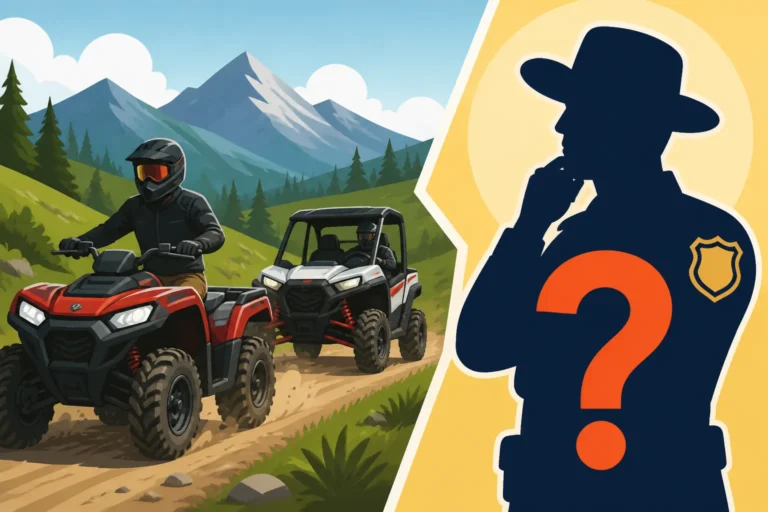
It can be incredibly frustrating to plan an exciting ATV or UTV ride in Montana, only to arrive at a charming trail town and discover that the very streets you hoped to traverse are off-limits to your machine. This guide will walk you through why certain Montana towns close specific roads to off-highway vehicles, how those decisions are made, and what you can do to navigate these local rules without running into trouble.
Understanding Local Authority: Who Decides Which Roads Are Closed?
When it comes to off-highway vehicle (OHV) access on town streets, it's easy to assume there's a statewide blanket rule. However, Montana operates on a principle that grants significant control to local jurisdictions. This means that while the state might set some overarching guidelines for OHV use, the precise details of where you can and cannot ride within city limits are often decided much closer to home. Understanding this hierarchy of authority is the first step in making sense of road closures.
State Law vs. Local Ordinances
Montana state law provides a framework for OHV registration, safety requirements, and general operation. It dictates things like requiring an OHV decal and certain equipment for road use. However, the state largely empowers counties and incorporated towns to make specific decisions about road access within their boundaries. Think of the state as providing the general recipe, but the local governments are the chefs adding their own spices and ingredients. This means that a town can, and often does, enact its own ordinances that are more restrictive than state law for its particular streets. For instance, while state law might allow OHVs on certain county roads, a town council could decide that its busy main street, with its numerous storefronts and pedestrian traffic, is simply not suitable for OHV use, regardless of what the county permits elsewhere.
This local control is often rooted in concerns specific to that community. A small, quiet residential town might prioritize peace and quiet over OHV access, while a bustling trail town that relies on OHV tourism might actively seek to open routes. This variability is why it's crucial never to assume that what's legal in one Montana town automatically applies to another. Always check the local rules, as they can diverge significantly.
County Commissioners and Municipal Powers
Within Montana, you'll primarily encounter two levels of local government making these decisions: county commissioners for county roads and municipal (town or city) councils for roads within their incorporated limits. County commissioners typically oversee the vast network of roads that crisscross the rural landscape, often linking small communities or providing access to vast tracts of public land. They have the power to designate certain county roads as open or closed to OHVs, often after public hearings and input from local residents and land managers. For instance, they might allow OHVs on a gravel road leading to a popular trailhead, but keep a paved commuter route closed.
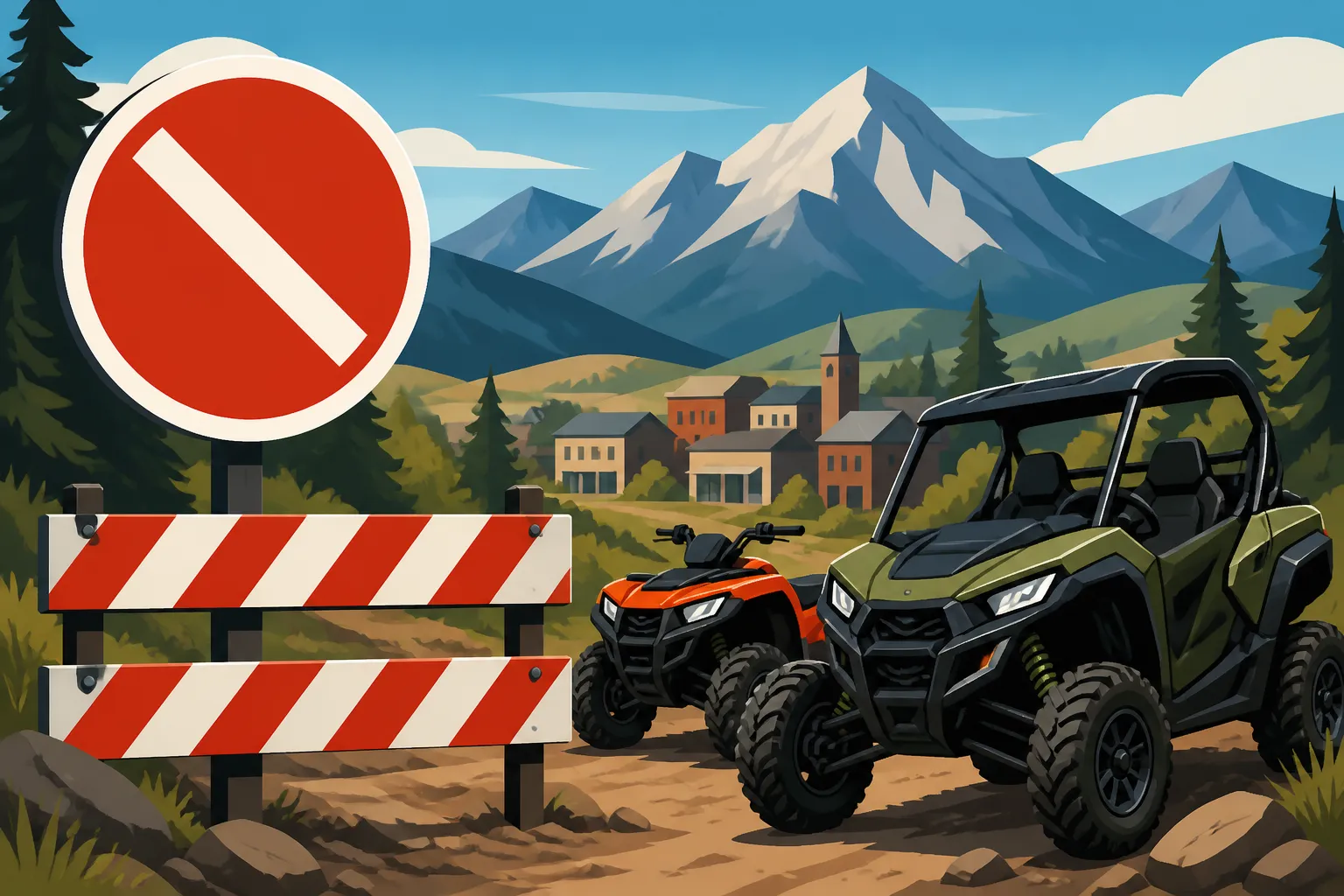
When you enter an incorporated town or city, however, the authority shifts to the municipal government. The town council, mayor, or city administrator, through their local ordinances, determines the rules for city streets. These ordinances are often much more granular, specifying exact streets, times of day, or types of machines that are allowed or prohibited. This is why you might see a sign on the edge of a town clearly stating "OHV traffic prohibited beyond this point." These signs are not just suggestions; they are direct reflections of locally enacted laws. It's their right to manage their infrastructure and public safety as they see fit. Understanding [County Commissioners and Montana County Roads] can shed more light on the county level, while [Montana City Streets and Municipal Ordinances] details how towns set their own rules.
Common Reasons for OHV Road Closures in Montana Towns
Towns don't just close roads to OHVs on a whim. These decisions are usually the result of careful consideration, often prompted by community concerns, past incidents, or a desire to maintain a certain quality of life for residents. It's a balancing act between supporting recreational tourism and addressing the needs and safety of the local populace.
Safety Concerns for Pedestrians and Other Vehicles
One of the most frequently cited reasons for closing town roads to OHVs is public safety. Many town streets, especially in commercial or residential areas, are designed for standard passenger vehicles and often feature sidewalks, crosswalks, and high pedestrian traffic. OHVs, with their different handling characteristics, often higher noise levels, and sometimes greater width, can introduce new risks. Imagine a bustling main street with children crossing to an ice cream shop, tourists window shopping, and cars trying to parallel park. Adding ATVs and UTVs to this mix can heighten the risk of accidents, especially if operators are unfamiliar with urban driving etiquette or the specific machine's limitations in tight spaces.
Concerns extend to other road users too. Standard vehicles might not expect an OHV on a particular street, leading to confusion or unexpected maneuvers. The differing speeds and acceleration of OHVs compared to cars can also create hazards, particularly at intersections or in stop-and-go traffic. Towns often prioritize the safety of their residents and visitors, especially in areas where vulnerable road users like pedestrians and cyclists are prevalent.
Noise Complaints and Quality of Life
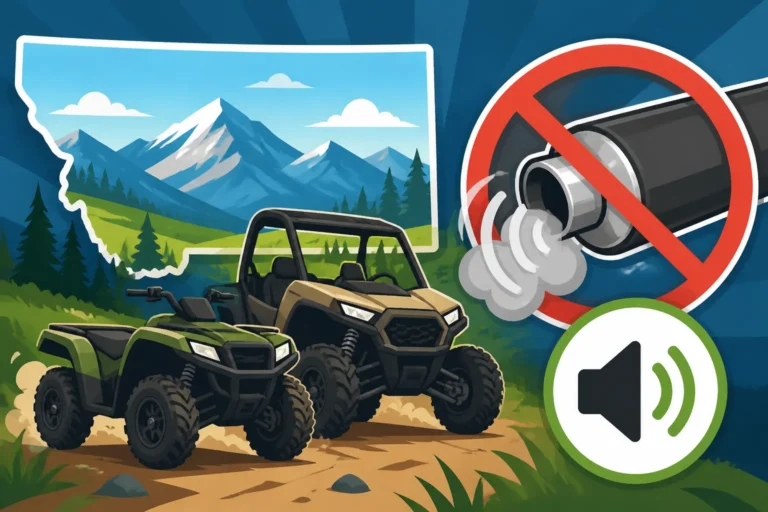
The distinctive roar of some OHV exhausts, particularly those with aftermarket modifications, can be a major source of contention in residential areas or quiet downtowns. While many riders enjoy the sound of their machines, residents living along popular OHV routes often experience it as disruptive noise pollution. This is especially true in smaller Montana towns where homes might be closer to the main thoroughfare, and the general ambiance is one of tranquility. Local governments receive numerous complaints about excessive noise, particularly during peak riding seasons or late at night.
Beyond just noise, there are broader "quality of life" considerations. Residents might feel that OHV traffic changes the character of their town, making it feel less peaceful or more industrial. There can be concerns about dust, exhaust fumes, or simply the presence of these vehicles feeling out of place in certain settings. Town councils, tasked with maintaining a harmonious environment for all residents, often weigh these quality-of-life concerns heavily when deciding on OHV access. This is why you might find that while [Montana Noise Rules in Small Towns] permit a certain decibel level, local ordinances can further restrict operation.
Infrastructure Protection and Traffic Flow
Another less obvious, but equally valid, reason for road closures is infrastructure protection. Some OHVs, particularly heavier UTVs or those with aggressive tire treads, can contribute to accelerated wear and tear on paved surfaces, especially older town streets not designed for such loads or tire types. While one or two machines might not be an issue, regular, heavy OHV traffic can lead to potholes, rutting, and other forms of road degradation, increasing maintenance costs for the town.
Furthermore, towns consider overall traffic flow. In areas with narrow streets, limited parking, or frequent congestion, adding a new class of vehicles can exacerbate problems. OHVs might slow down traffic, create bottlenecks, or make it harder for emergency vehicles to navigate. For towns that rely on efficient movement for commerce or daily life, preserving smooth traffic flow is paramount. This can lead to specific commercial districts or heavily trafficked residential arteries being designated as no-go zones for OHVs.
How to Find Specific Town Ordinances and Maps
Navigating the patchwork of local OHV rules in Montana can feel like a treasure hunt, but with a bit of proactive research, you can avoid unknowingly breaking the law. It’s always better to know before you go than to learn the hard way from a local law enforcement officer.
Checking Town Websites and Clerk's Offices
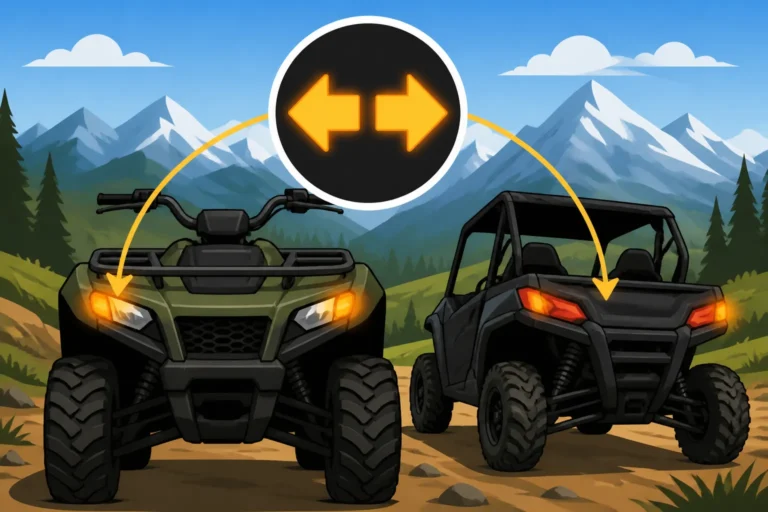
The most reliable place to start your research is the official website of the specific town you plan to visit. Most incorporated towns in Montana will have a section dedicated to municipal codes or ordinances, often searchable by topic. Look for terms like "off-highway vehicle," "ATV," "UTV," "motorized recreation," or "traffic ordinances." These sections should detail any specific streets that are open or closed, required equipment for road use (like mirrors or turn signals, which SuperATV might offer aftermarket versions of if your machine isn't factory-equipped), and any time-of-day restrictions. Sometimes, these ordinances are presented in plain language, while other times you might need to dig through legal jargon.
If the information isn't readily available online, don't hesitate to contact the town clerk's office. This is a public service, and they are usually very helpful in directing you to the relevant information or even providing printed copies of the ordinances. A quick phone call before your trip can save you a lot of grief. They might even have a dedicated person who handles recreation inquiries, especially in popular trail towns. Understanding [Finding a Montana Town's OHV Ordinance] is key here.
Contacting Local Law Enforcement
Another excellent resource is the local police department or county sheriff's office. While they enforce the laws, they are also a great source of information for the public. A non-emergency call can often clarify any ambiguities in an ordinance or provide a real-world perspective on enforcement. For example, they might tell you that while a certain street is technically open, it's heavily patrolled due to speeding complaints, or that a particular crossing is tricky and best avoided.
They can also confirm if there are any temporary closures due to events, construction, or seasonal conditions that might not yet be updated on a website. Local law enforcement officers are on the ground daily and often have the most current understanding of what is and isn't permitted in practice. Just remember to call their non-emergency line; 911 is for emergencies only. In some areas, [Sheriff Enforcement on Montana Back Roads] might be more prevalent, so knowing which agency covers your intended route is helpful.
Community Bulletins and Local Maps
Many Montana towns, especially those that cater to outdoor recreation, will have physical bulletin boards, community newspapers, or visitor centers that post information relevant to tourists and recreationalists. These can be valuable sources for informal updates, local tips, and sometimes even printed maps highlighting approved OHV routes within town limits. Some communities even partner with local OHV clubs to create and distribute these resources.
Additionally, many trail towns will have businesses that cater to OHV riders, such as gas stations, gear shops, or rental outfits. These local businesses often have a good pulse on the current regulations and might even be able to offer a physical map or direct you to the best staging areas and routes. Always look for official signage at the town limits; these often provide crucial information about OHV access immediately upon entry.
Navigating Closed Roads and Finding Alternatives
Encountering a "no OHV" sign when you're geared up and ready to ride can be a real bummer. However, with a little planning and flexibility, you can usually work around these closures and still enjoy your Montana adventure without breaking the rules.
Utilizing Designated Routes and Staging Areas
Many towns, even those with significant road closures, will have designated OHV routes that allow riders to legally get from one side of town to another, or from a staging area to a trailhead. These routes are often clearly marked with signs, sometimes even featuring a specific OHV route logo. They might utilize less-trafficked streets, industrial zones, or peripheral roads specifically chosen to minimize impact on residential or commercial areas. Always look for these designated pathways.
Similarly, many trail towns offer designated staging areas or parking lots where you can unload your machine and begin your ride without having to operate on prohibited town streets. These areas often have ample space for trucks and trailers and might even provide direct access to the trail system. Using these staging areas is often the best strategy to avoid any issues with local ordinances. Knowing [Montana Trailhead Parking and Staging] can save you a lot of hassle.
| Strategy | Description | Benefits | Considerations |
|---|---|---|---|
| Designated Routes | Look for clearly marked OHV-specific roads within town. | Legal, often well-maintained, connects to trails. | May not be direct, can be limited. |
| Staging Areas | Park your truck/trailer at designated lots outside town or near trailheads. | Avoids town roads entirely, often direct trail access. | Requires trailering through town, might be busy. |
| Trailer Transport | Use your truck/trailer to move your OHV between trail sections or towns. | Guarantees legality, bypasses all closed roads. | Time-consuming, uses more fuel, requires a tow vehicle. |
| Private Land Access | Seek permission from private landowners for limited access. | Direct access, avoids public road rules. | Requires prior arrangement, limited availability, respecting property. |
| Connecting Trails | Find trails that bypass towns entirely. | Seamless riding, often scenic. | May add significant mileage, requires good mapping. |
Trailer Transport Between Closed Sections
If a town has significant closures that prevent you from reaching a trailhead or connecting to another section of an open trail network, don't be afraid to put your machine back on the trailer for a short haul. This might seem like an inconvenience, but it's the safest and most legal way to bypass prohibited areas. Many seasoned riders do this regularly, especially when traversing urbanized areas to reach more remote riding spots.
Plan your route in advance, identifying where the closures are and where the next legal access point or staging area is located. This might involve a few extra miles of driving your truck, but it ensures you're complying with local rules and avoiding potential fines or confrontations. For riders who rely on their machines for [Montana OHV Rules for Ranch Machines], trailering between distant pastures through town might even be part of their regular routine.
Exploring Private Land with Permission
While the focus is often on public roads and trails, don't overlook the possibility of private land access. If you have friends or family with private property that borders a trail system or can offer a safe route around a closed town section, asking for permission can be a great alternative. This requires proper respect for private property rights and always getting explicit permission before venturing onto someone's land.
Remember, even on private land, you should still operate your OHV safely and responsibly. And while you might not need a public road registration, if you eventually plan to transition onto a public trail, you'll still need your [Montana's Non-Resident Temporary Use Permit] or resident registration and trail pass.
Penalties for Riding on Closed Town Roads
Ignoring "no OHV" signs or ordinances in Montana towns isn't just a minor infraction; it can lead to tangible consequences that will put a serious damper on your riding trip. Local law enforcement takes these rules seriously, often due to the safety and quality-of-life concerns discussed earlier.
Fines and Citations
The most immediate consequence of riding on a closed town road is a fine. The amount of the fine can vary significantly depending on the specific town, the severity of the violation, and whether it's a first offense. These aren't just slaps on the wrist; they can range from dozens to hundreds of dollars, and they certainly add an unexpected cost to your recreational outing. You can expect to be pulled over and issued a citation, much like a traffic ticket for a car.
Beyond the monetary penalty, receiving a citation also means you'll have a record of the violation. While it might not always show up on your driving record, it can be tracked locally, potentially leading to stiffer penalties if you're cited again in the same jurisdiction. Understanding [Montana Fines for Illegal Road Riding] gives a broader overview of the costs associated with non-compliance.
Vehicle Impoundment and Recovery Fees
In more severe cases, or for repeat offenders, local authorities might have the power to impound your OHV. This is a much more serious consequence than a simple fine. If your machine is impounded, you'll not only face the initial citation but also a host of additional fees: towing charges, daily storage fees, and administrative costs for the impound lot. These can quickly add up, easily surpassing the cost of the initial fine.
Recovering an impounded vehicle can also be a significant hassle. It often involves a trip to the impound lot, proof of ownership (which might mean having your [Titling an OHV in Montana] documents readily available), payment of all outstanding fees, and possibly waiting until a certain day or time to retrieve your machine. This could effectively end your riding trip prematurely and add hours of bureaucratic frustration.
Future Riding Restrictions and Community Backlash
While not always a direct legal penalty, consistent violations of OHV road closure rules can lead to broader, negative consequences for the riding community. If a town experiences frequent problems with OHVs on closed roads, it can sour public opinion towards riders in general. This can lead to even stricter regulations being imposed in the future, potentially closing more roads, reducing access to trailheads, or creating more restrictive operating hours.
Local communities often rely on the goodwill of visitors, and respecting local laws is a crucial part of being a good guest. Conversely, continuous disregard for regulations can create an "us versus them" mentality between residents and riders, making it harder for OHV advocates to work with local governments to expand or maintain access. In some cases, a particularly egregious violation might even lead to a temporary ban from the area or a local court order preventing future OHV operation within that jurisdiction.
Advocating for More OHV Access in Montana Towns
Just because a road is currently closed doesn't mean it's permanently sealed off to OHVs. Many Montana towns are open to dialogue and are willing to reconsider policies, especially if the local economy can benefit from increased OHV tourism. However, this process requires organized effort, clear communication, and a commitment to responsible riding.
Engaging with Local OHV Clubs and Coalitions
One of the most effective ways to advocate for expanded access is by joining or supporting local OHV clubs. These organizations are often well-versed in local regulations, have established relationships with county commissioners and town councils, and know the proper channels for proposing changes. They can present a unified front, demonstrating that riders are organized, responsible, and committed to working collaboratively.
If you're an out-of-state rider, connecting with these local clubs before your trip can give you valuable insights into current issues, and they might even have ongoing initiatives to open new routes. These clubs often participate in trail maintenance, safety education, and community events, which helps build goodwill and credibility with local authorities. By working together, these clubs can actively campaign for initiatives like [Asking County Commissioners to Open a Road].
Presenting to Town Councils or County Commissioners
For significant changes, such as opening a new route or modifying an existing ordinance, you'll likely need to present your case directly to the decision-makers: the town council or county commissioners. This requires preparation. Gather data on the economic impact of OHV tourism (e.g., how much money riders spend on gas, food, lodging, and perhaps even aftermarket parts from brands like SuperATV that contribute to the local economy), demonstrate how new access points could alleviate congestion on other roads, and propose solutions for mitigating concerns like noise or safety.
Crucially, focus on being a part of the solution, not just pointing out problems. Can you propose specific times for OHV access? Can you suggest routes that avoid residential areas? Are there specific safety measures or educational campaigns that could be implemented? A well-researched, polite, and solution-oriented presentation stands a much better chance of success than an angry complaint.
Educating the Public on Responsible Riding
Ultimately, the long-term success of OHV access in Montana towns hinges on responsible riding by everyone. When riders consistently operate safely, respect noise limits, stay on designated routes, and adhere to all local rules, it builds trust within the community. Conversely, a few irresponsible riders can quickly undermine years of advocacy efforts.
Education is key. Local clubs often host safety courses, promote ethical riding practices, and work to inform new riders about local regulations. As an individual, you can contribute by setting a good example, sharing information about local rules with your riding buddies, and participating in discussions about the importance of respecting private property and public lands. The more the public sees OHV riders as responsible stewards and courteous visitors, the more likely towns are to consider opening roads and trails for everyone to enjoy.
Disclaimer
This article is for general informational purposes only and does not constitute professional advice. Laws, prices and regulations vary by location and change over time. Consult a qualified professional for guidance on your specific situation.