Montana Helmet Standards and Who Must Wear One
Riding an ATV or UTV across Montana's incredible landscapes is an experience like no other, but it comes with real risks. Many riders get confused about when a helmet is legally required and what kind of helmet is actually considered safe enough. This guide is going to clear up all that head-scratching, detailing Montana's specific helmet laws, clarifying who needs to wear one, and helping you understand what makes a helmet truly effective at protecting you on the trails and roads.
Navigating Montana's Helmet Landscape for OHV Riders
When you're out exploring the vast beauty of Montana, whether you're cruising through a forest service road or navigating a designated OHV trail, safety is always paramount. And let's be honest, there's often a lot of chatter and misunderstanding about helmet laws. Some folks think if they're over 18, they're completely off the hook, while others are convinced every single rider, everywhere, needs one. The truth, as often is the case, lies somewhere in the middle and has specific nuances that are really important to grasp. It's not just about avoiding a ticket; it's about protecting yourself and your loved ones from serious injury.
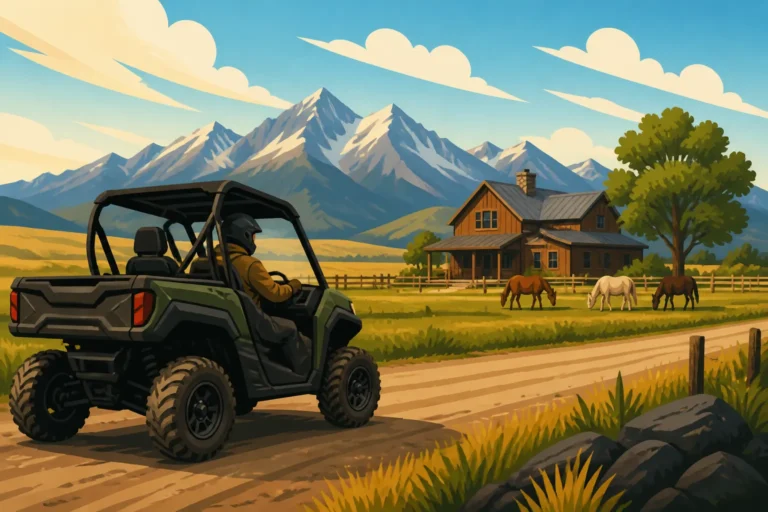
Many riders, especially those new to the state or visiting from places with different regulations, find themselves scratching their heads. You might see a rancher casually cruising his side-by-side without a helmet on his own land, then encounter a group of young riders on a county road all geared up. This visible difference can add to the confusion. We're here to cut through that noise and give you the definitive lowdown, so you can ride with confidence, knowing you're both compliant and safe.
The ultimate goal, beyond legal compliance, is to ensure everyone can enjoy Montana's natural splendor responsibly. After all, a head injury can quickly turn an epic adventure into a life-altering tragedy. Understanding these rules isn't just about ticking boxes; it's about making informed decisions for every single ride, every time you turn the key.
The Legal Lowdown: Who Must Buckle Up Their Brain Bucket in Montana?
Montana's laws around helmets for Off-Highway Vehicles (OHVs), which include ATVs and UTVs (side-by-sides), are quite specific, particularly when it comes to age and where you're riding. It's not a blanket "everyone must wear one" rule, but it's certainly not a "no one has to" situation either. Knowing these distinctions can save you from a fine and, more importantly, from an accident where you wish you had worn protection.
The general principle is that public land and public roads have more stringent requirements, especially for younger riders. Private land, as you might expect, typically has fewer state-mandated rules, leaving more discretion to the landowner. But even on private property, the risks remain the same, if not higher, due to varied terrain and less prepared trails.
Youth Riders: The Strict Rules for Under 18
This is where Montana's helmet law is absolutely clear and non-negotiable. If you are a rider or a passenger on an OHV and you are under the age of 18, you must wear a safety helmet. There's no getting around this on public lands, public trails, or any road where OHVs are permitted. This isn't a suggestion; it's a legal requirement designed to protect our most vulnerable riders.
Imagine a family trip exploring the trails near Big Sky or along the Flathead River. If your teenager or younger child is operating an ATV, or even just riding shotgun in your UTV, they need that helmet securely fastened. This rule applies whether they have a driver's license for a car or not; the age is the key factor here. Parents and guardians bear the responsibility for ensuring these rules are followed, and a Montana Fish, Wildlife & Parks warden or local sheriff can absolutely issue a citation if a youth rider is found without proper head protection. You can find more details on age-specific regulations in posts like [Montana Age Rules for Riders Under 16] and [Montana Road Rules for Young Riders].
This rule also extends to any road-legal sections. So, if you're riding from a trailhead into a small town like West Yellowstone to grab some lunch, any rider under 18 in your group needs to be helmeted from the moment you hit that pavement. It's about consistent safety from the start of the ride to the finish.
Passengers: Are They Covered by the Same Rules?
Yes, passengers are absolutely covered by the same age-based helmet requirements as operators. If a passenger is under 18, they are required to wear a safety helmet when riding an OHV on public land or roads where OHVs are allowed. This is often an overlooked detail, especially in side-by-sides where passengers might feel more enclosed and therefore "safer."
Think about a family outing in a six-seat UTV. While the driver might be over 18 and legally able to go helmet-free (on certain routes), any child or teenager in those passenger seats still needs to be wearing a DOT-approved helmet. This also applies to a second rider on a two-up ATV. The law doesn't differentiate between the operator and the passenger when it comes to age-based helmet mandates. It simply states "a person operating or riding on an off-highway vehicle who is under 18 years of age."
For adult passengers (18 and over), the legal requirement for a helmet generally mirrors that of an adult operator – meaning it's not mandated on many public trails or roads, but always highly recommended. However, [Montana Passenger Rules on a Road Section] might offer further context about other requirements, like seatbelts in UTVs, which indirectly emphasize overall safety.
Exceptions and Exemptions: When You Might Not Legally Need One
Here’s where things get a bit more nuanced. For adult riders (18 years and older), Montana law generally does not mandate helmet use when operating an OHV on public land or designated OHV trails. This often surprises people, especially those from states with universal helmet laws. If you're 18 or over and riding a trail in the Lolo National Forest, you are legally permitted to ride without a helmet.
The most significant exception to the under-18 rule, and a common scenario for adults, is riding on private land with the owner's permission. On private property, the state's OHV helmet laws generally do not apply, regardless of age. This means a rancher riding his quad to check fences, or a family enjoying their own acreage, might not be subject to the same strict helmet mandates. However, many landowners, for liability and safety reasons, still require all riders on their property to wear helmets, regardless of age. It's always best to clarify with the landowner if you're riding somewhere other than your own property.
Another subtle point: some very specific county roads or municipal ordinances might have their own rules. While state law offers general guidance, local jurisdictions can sometimes add or modify regulations, especially concerning [Riding an OHV on the Road in Montana]. It’s always smart to check with local authorities if you plan extensive road riding in specific areas. However, for most designated OHV trails and forest roads, the age-based rule is the primary determinant.
For adult riders, even without a legal mandate, the sheer protection a helmet provides is invaluable. While you might not get a ticket, a fall can still lead to severe injury. Many choose to wear a helmet regardless of the law, simply for their own safety and peace of mind.
What Does "Montana Approved" Really Mean for a Helmet?
It's one thing to know when you need a helmet, but it's another entirely to know what kind of helmet actually meets the mark. You can't just slap on any old piece of headwear and call it good. Montana, like most states with helmet laws, refers to specific safety standards. These standards are in place for a very good reason: to ensure the helmet can actually do its job in the event of an impact. A helmet that doesn't meet these standards is, quite frankly, not much better than wearing a baseball cap for protection.
The market is flooded with various helmets, from cheap novelty helmets that offer little to no real protection to highly specialized, expensive gear. For the safety of youth riders, and for any adult making the smart choice to wear one, understanding these distinctions is critical. It's not just about the look or the brand; it's about the construction, the materials, and the rigorous testing it has undergone.
DOT Certification: The Gold Standard You Need to Know
For an OHV helmet to be considered "Montana approved" for legal purposes (specifically for riders under 18), it must meet the U.S. Department of Transportation (DOT) Federal Motor Vehicle Safety Standard (FMVSS) 218. This is the absolute minimum standard for helmet safety in the United States. When you're shopping for a helmet, look for the DOT sticker on the back or inside. No sticker, no compliance, no real protection.
What does DOT certification actually mean? It means the helmet has been tested to withstand impacts, has adequate penetration resistance, and provides sufficient peripheral vision. It ensures the helmet's shell won't shatter easily and that the liner will absorb impact energy, reducing the force transmitted to your head. A DOT-certified helmet is built with multiple layers designed to work together: a tough outer shell, an impact-absorbing foam layer (usually expanded polystyrene or EPS), and a comfort padding layer. Don't be fooled by cheap knock-offs or novelty helmets that might look like a motorcycle helmet but lack the critical DOT certification. They simply won't protect you when it matters most.
Beyond DOT, some riders opt for helmets that also carry Snell or ECE certifications. These are often even more rigorous testing standards, typically found on higher-end helmets. While not legally required by Montana for OHVs, they offer an additional layer of assurance regarding the helmet's protective capabilities. Many riders invest in these for extreme riding or simply because they want the absolute best protection available.
Beyond the Sticker: Understanding Helmet Construction
While the DOT sticker is essential, understanding a bit about helmet construction helps reinforce why certain helmets offer better protection. A good helmet isn't just a hard shell; it's a carefully engineered piece of safety equipment.
The outer shell, often made of polycarbonate, fiberglass, or carbon fiber, is designed to distribute impact forces over a wider area and resist penetration. Beneath that is the crucial EPS liner, which is designed to crush and absorb energy during an impact. This is why a helmet that has been involved in a significant crash should always be replaced, even if it looks fine on the outside – the EPS liner may have already compressed and won't be able to protect you effectively a second time. Inside, a comfortable liner and cheek pads keep the helmet snug and allow for proper ventilation. The retention system (chin strap) is also critical; it must be secure and comfortable, ensuring the helmet stays on your head during a crash.
When considering helmets, look for reputable brands that specialize in powersports gear. Companies often have extensive research and development dedicated to safety and rider comfort. For instance, when outfitting yourself, looking at options that offer good ventilation and a wide field of view is critical for Montana's varied conditions. Some riders might also consider adding accessories like advanced goggle systems or even helmet communication devices for group rides, which can be found at retailers like SuperATV. These additions enhance the riding experience while maintaining core safety.
The Wrong Helmet: What to Avoid at All Costs
Just as important as knowing what to look for is knowing what to avoid. The biggest offenders are novelty helmets. These often resemble old-school motorcycle helmets or simply thin plastic shells with minimal padding. They might look "cool" or fit under the seat, but they offer virtually no impact protection. They might protect you from a light bump or a scrape, but they are utterly useless in a serious crash where energy absorption is paramount.
Another thing to avoid is buying a used helmet without knowing its history. As mentioned, a helmet that has sustained an impact, even if it appears superficial, may have compromised its internal EPS liner. You might think you're getting a deal, but you could be buying a piece of damaged goods that won't protect you when you need it most. Similarly, helmets have a lifespan. The materials degrade over time, especially due to UV exposure, sweat, and general wear and tear. Most manufacturers recommend replacing helmets every 5-7 years, even if they haven't been in a crash. The glues, resins, and foam can all lose their effectiveness over time.
Finally, make sure the helmet is designed for OHV use. While a motorcycle helmet often meets or exceeds the necessary standards, a bicycle helmet, for example, is absolutely insufficient. Bicycle helmets are designed for lower-speed impacts and offer different types of protection, making them inadequate for the forces involved in an ATV or UTV accident. Stick to helmets specifically designed and certified for motor vehicle use.
Making the Smart Choice: When a Helmet is More Than a Mandate
While Montana has specific legal requirements for helmet use, particularly for riders under 18, it's crucial to understand that helmet usage isn't just about compliance. For adult riders, where the law might give you a choice, opting to wear a helmet is one of the single most effective decisions you can make to enhance your safety. The trails and backcountry of Montana, while beautiful, are unpredictable, and accidents can happen to even the most experienced riders.
Many of us have been there, watching a fellow rider take a tumble, or perhaps experiencing a minor mishap ourselves. Those moments are stark reminders of how quickly things can go wrong. A helmet acts as your last line of defense, a guardian for your most vital organ. It’s an investment in your future adventures, ensuring you’re around to enjoy many more Montana sunrises and sunsets from the saddle of your machine.
Beyond Legal Compliance: Protecting Your Most Valuable Asset
Your brain is, without a doubt, your most valuable asset. It controls everything you do, feel, and experience. In an OHV accident, head injuries range from concussions to traumatic brain injuries (TBIs), which can have devastating, long-lasting consequences, impacting your memory, motor skills, and personality. Even a seemingly minor fall can result in a serious head injury if your head strikes a rock, a tree, or even the ground at an awkward angle.
Wearing a helmet significantly reduces the risk of these injuries. It's not just about preventing direct impact; it's also about reducing rotational forces that can cause severe damage within the brain. The multi-layered design of a certified helmet—the hard outer shell distributing force, the EPS liner absorbing energy—is specifically engineered to cushion and protect your brain from these forces. Choosing to wear a helmet, regardless of whether the law requires it for your age, is a profound act of self-preservation. It's about protecting your ability to continue working, playing, and living life to the fullest.
Consider the cost of a good helmet versus the cost of medical care for a head injury, not to mention the potential for long-term disability. The comparison isn't even close. A helmet is a relatively small investment for such significant protection.
Mitigating the Unseen Risks of Montana's Backcountry
Montana's backcountry is wild and unpredictable. A seemingly smooth trail can suddenly hide a washboard section, a loose rock, or an unexpected washout. Wildlife can dart across your path, or another rider might make an unpredictable move. Even if you're riding cautiously and well within your limits, external factors can still lead to an accident.
For instance, imagine you're riding a scenic trail near Red Lodge, taking in the panoramic views, and suddenly a deer jumps out. A quick swerve, and your UTV might hit a rut, causing a roll-over. If you're wearing a helmet, you're giving yourself the best chance to walk away with scrapes and bruises instead of a critical head injury. Similarly, if you're taking a machine like an ATV up a steep incline and it unexpectedly rolls backward, a helmet can literally be a lifesaver.
Beyond direct impacts, helmets also offer protection from other hazards. They guard against low-hanging branches, flying debris (rocks, mud, dust from other riders), and even provide a layer of insulation against cold weather. For many riders, adding a good set of goggles and a full-face or modular helmet (which might also have a visor) provides an all-in-one solution for head, face, and eye protection, which is especially helpful on dusty Montana roads or in areas where [Montana Eye Protection on a Road Ride] might be required. Investing in good gear from reliable sources like SuperATV can enhance comfort and safety across various riding conditions.
Leading by Example: Setting the Standard for Fellow Riders
Choosing to wear a helmet as an adult, even when not legally required, also sends a powerful message to those around you, especially younger riders. Children and teenagers look up to adults and often mimic their behavior. If they see you, an experienced adult, consistently wearing a helmet, it reinforces the message that helmet use is a normal, non-negotiable part of safe riding, not just something you have to do because you're a kid.
This leadership extends to your riding group and community. When you prioritize safety, it encourages others to do the same. It helps foster a culture of responsibility and awareness on the trails. Many OHV clubs and organizations actively promote helmet use for all riders, regardless of age, because they understand the inherent risks of the sport and the importance of preventing injuries. It’s about being a responsible member of the riding community and contributing to the overall safety of the sport.
So, while the law might not always compel you, the best choice for your personal safety and to set a positive example is often to don that helmet before every ride.
| Rider Category | Age Requirement | Helmet Legally Required (Public Land/Road) | Recommendation for All Rides (Anywhere) |
|---|---|---|---|
| Youth Operator | Under 18 | YES | Strongly Recommended |
| Youth Passenger | Under 18 | YES | Strongly Recommended |
| Adult Operator | 18 and Over | NO (with specific exceptions for road types) | Strongly Recommended |
| Adult Passenger | 18 and Over | NO (with specific exceptions for road types) | Strongly Recommended |
| Any Rider | Any Age | NO (on private land with permission) | Strongly Recommended |
Finding Your Perfect Fit: Selecting the Right Helmet for Your Montana Adventures
Okay, so you're convinced that wearing a helmet is the smart move, whether you're legally mandated to or not. Now comes the exciting part: choosing one! This isn't just about picking the coolest looking helmet; it's about finding one that offers the right balance of protection, comfort, and features for your specific riding style and the conditions you'll encounter in Montana. A poorly fitting helmet is almost as bad as no helmet at all, as it won't stay in place during an impact or will be so uncomfortable you won't want to wear it.
Think about the type of riding you do. Are you mostly trail riding in the mountains, covering lots of dusty miles on gravel roads, or primarily using your UTV for ranch work? Your typical environment and speed will influence the best choice for you.
Types of Helmets: Full-Face, Open-Face, Modular, and More
There's a wide world of helmet designs out there, each with its own advantages and disadvantages.
- Full-Face Helmets: These offer the most comprehensive protection, covering your entire head, face, and chin. They often come with a built-in visor for eye protection. They are excellent for high-speed riding, dusty conditions, and provide maximum protection against impacts, flying debris, and weather. Many riders find the enclosure provides a sense of security, especially on faster sections of trail.
- Open-Face (3/4) Helmets: These cover the top, back, and sides of your head, leaving your face exposed. They offer better airflow and a wider field of vision, which some riders prefer. However, they require separate goggles for eye protection and offer no chin or face protection. They can be a good choice for slower, more casual rides or for those who feel claustrophobic in a full-face.
- Modular (Flip-Up) Helmets: These are a hybrid, offering the full-face protection with the convenience of an open-face. The chin bar and visor can flip up, allowing you to talk, drink, or get some air without removing the entire helmet. They're popular for touring or riders who frequently stop and interact. They tend to be a bit heavier than standard full-face helmets.
- Motocross/Off-Road Helmets: These are a variation of the full-face, specifically designed for aggressive off-road riding. They feature an elongated chin bar for increased airflow and protection, and a peak visor to shield against sun and roost (dirt kicked up by other riders). They are always paired with separate goggles. These are a fantastic choice for technical trail riding where maximum ventilation and protection from impacts are crucial.
Consider the Montana weather, too. A full-face or modular helmet offers more warmth in cooler temperatures, while a motocross helmet with good ventilation is a blessing on hot summer days. And for those dusty conditions, good eye protection with any helmet is critical. Remember, [Montana Eye Protection on a Road Ride] is often required when riding a segment of road.
Key Features to Prioritize for Comfort and Safety
Beyond the type, several features contribute to a helmet's effectiveness and your overall riding experience.
- Ventilation: Look for helmets with adjustable vents. Montana's climate can swing wildly, so being able to open vents for airflow on a hot climb or close them for warmth on a descent is a huge plus. Good ventilation also helps prevent fogging of your visor or goggles.
- Weight: Lighter helmets generally reduce neck fatigue, especially on longer rides. Materials like carbon fiber can significantly reduce weight but often come with a higher price tag.
- Visibility: Ensure the helmet doesn't restrict your peripheral vision. A wide eye port is essential, particularly for off-road riding where you need to see obstacles to your sides.
- Liner and Padding: Removable, washable liners are a godsend, especially after a sweaty day on the dusty trails. They help keep your helmet fresh and hygienic. Anti-microbial treatments are also a nice bonus.
- Retention System: A D-ring strap is the most common and secure, though some helmets offer quick-release buckles. Make sure whatever system it is, it's easy to use and provides a snug, secure fit.
- Compatibility with Accessories: If you wear prescription glasses, make sure the helmet accommodates them comfortably. Also, consider if it's compatible with communication systems for group rides. Many modern helmets are designed with speaker pockets. Some riders may even look at aftermarket windshields from SuperATV to further enhance rider comfort and protection from wind and debris, which can complement helmet use.
The Importance of Proper Sizing and Fit
This cannot be stressed enough: a helmet is only effective if it fits correctly. A helmet that is too large will shift around on your head during an impact, offering little protection. One that is too small will be uncomfortably tight and cause headaches.
To find your size, measure the circumference of your head just above your eyebrows. Then, consult the manufacturer's sizing chart. When you try on a helmet:
- It should feel snug. It should create even, firm pressure around your entire head. There should be no pressure points that cause pain.
- It shouldn't move. With the chin strap fastened, try to move the helmet from side to side and up and down. Your scalp should move with the helmet; the helmet shouldn't slide independently.
- Cheek pads should be firm. They should press against your cheeks without pushing your face uncomfortably.
- No gaps. There should be no significant gaps between the helmet's interior and your head.
- Field of vision. Your peripheral vision should not be significantly obstructed.
If you can, try on several different brands and models. Helmet shapes vary, and what fits one person perfectly might not work for another. Spend some time wearing it in the store (if possible) to ensure comfort. Don't rush this decision; it's literally your brain on the line.
Maintaining Your Helmet: Keeping It Safe Season After Season
Once you've invested in a good helmet, proper maintenance is key to ensuring it continues to protect you.
- Clean Regularly: Use mild soap and water for the exterior. For removable liners, follow the manufacturer's washing instructions (usually hand-wash or gentle cycle).
- Store Properly: Keep your helmet in a cool, dry place, away from direct sunlight or extreme temperatures. Avoid storing it near chemicals or gasoline, which can degrade materials.
- Inspect Before Each Ride: Check the shell for cracks, the visor for damage, the chin strap for fraying, and ensure all vents and moving parts work correctly.
- Replace After an Impact: This is critical. If your helmet has been in an accident, even if it looks fine, the internal EPS liner may be compromised. Replace it immediately.
- Observe Lifespan: Even without an accident, helmets have a lifespan, typically 5-7 years, due to material degradation.
Taking these steps will ensure your helmet remains a reliable piece of safety gear, ready to protect you on all your fantastic Montana OHV adventures. From the rolling hills of eastern Montana to the majestic mountains of the west, riding safely is always the best way to enjoy it all.
Disclaimer
This article is for general informational purposes only and does not constitute professional advice. Laws, prices and regulations vary by location and change over time. Consult a qualified professional for guidance on your specific situation.