Montana Towns That Allow OHVs on Their Streets
It's incredibly frustrating when you're out enjoying the vast beauty of Montana on your ATV or UTV, only to hit a town limit and suddenly wonder if you're breaking the law by just driving down Main Street for a burger. The rules around riding your off-highway vehicle (OHV) on paved roads, especially within city limits, can feel like a confusing maze, with every community seemingly having its own unique set of guidelines. This guide is here to untangle that web, helping you understand where you might be welcome, what to look for, and how to ride responsibly so you can navigate Montana's towns with confidence.
The Patchwork Quilt of Montana OHV Road Access
Montana is a land of wide-open spaces and incredible trail systems, which makes it a natural fit for ATV and UTV enthusiasts. However, when it comes to riding your machine on paved roads or within town limits, the simplicity of the trails quickly gives way to a complex system of local ordinances. It's not a single, clear-cut rule across the entire state, and that's often where the confusion begins for many riders, myself included.
Why State Law Isn't Enough
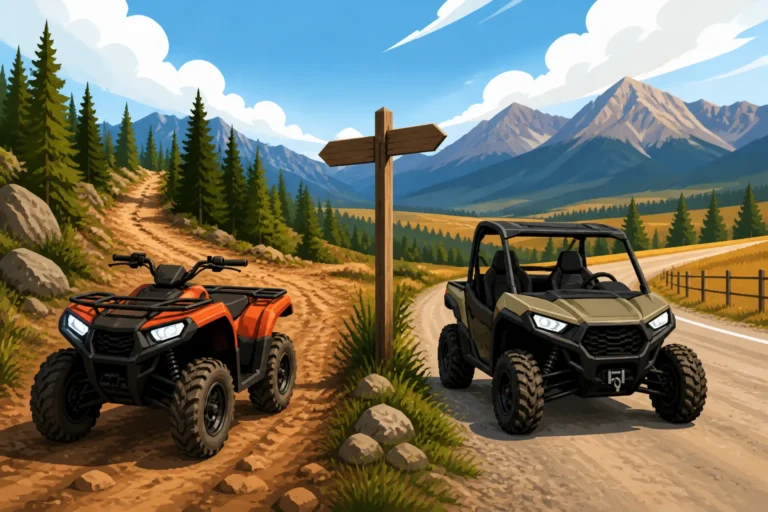
Many riders assume that if their machine meets state-mandated equipment requirements – things like headlights, taillights, and mirrors – they're automatically "street legal" everywhere. While Montana state law certainly sets a baseline for what an OHV needs to operate on public roads where allowed, it largely defers the critical decision of where those roads are to local jurisdictions. Think of it this way: the state provides the recipe for a properly equipped OHV, but each individual town or county gets to decide if they're serving that dish on their streets.
This means that while your UTV might be perfectly equipped for a county road based on state statutes, that permission doesn't automatically extend to the bustling main drag of a small town, or even a quiet residential street, unless that town specifically says so. It's a common misconception that can land riders in hot water, and it's a frustration I've heard echoed by countless fellow enthusiasts. You've invested in making your machine compliant, only to find the biggest hurdle isn't the equipment, but the local bureaucracy.
The Role of County Commissioners and Municipalities
So, who makes these all-important decisions? The power rests primarily with two entities: county commissioners and municipal (city or town) councils. County commissioners generally have the authority over county roads outside of incorporated city or town limits. They can pass resolutions to open certain county roads or entire networks of roads to OHV traffic, usually with specific conditions attached, such as speed limits or daylight-only operation.
City and town councils, on the other hand, control the streets within their respective corporate boundaries. For an OHV to be legally ridden on a city street, the local city or town council must pass an ordinance specifically allowing it. This is why you can be cruising along a county road with no issues, cross an invisible city limit line, and suddenly find yourself in violation if that particular town hasn't enacted an OHV-friendly ordinance. Each council acts independently, which is precisely why the rules can vary so dramatically from one community to the next, even if they're just a few miles apart. It demands diligence from us as riders to know the local rules before we venture onto the asphalt.
Understanding Montana's Basic Street Legal Requirements (Even for City Riding)
Before any town even considers allowing your OHV on its streets, your machine itself must meet certain fundamental requirements outlined by Montana state law for road use. This isn't just about what a specific town might permit; it's about the universal safety and equipment standards for any OHV venturing beyond the dirt trails and onto shared roadways. Ignoring these basics is a surefire way to get a ticket, regardless of how permissive a local ordinance might be.
Essential Equipment for Road Use
To even be considered for road use, your OHV needs to be equipped similarly to any other vehicle sharing the road. This means you'll need:
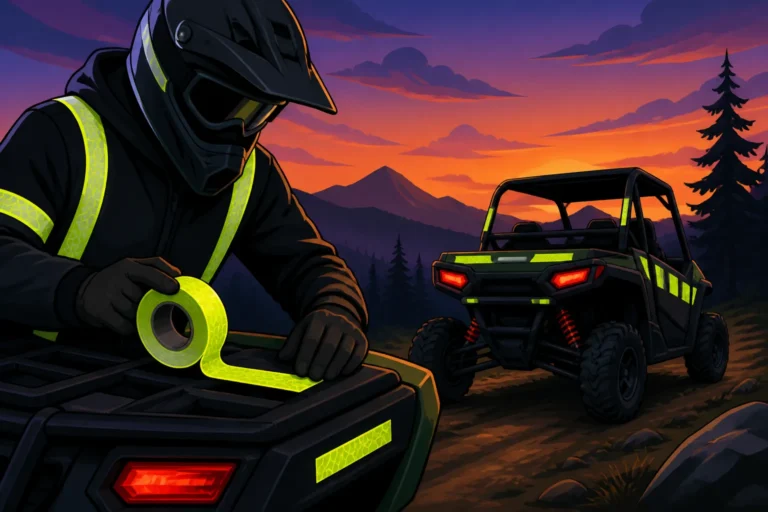
- Headlights and Taillights: These aren't just for looking cool; they're vital for visibility, especially during dawn, dusk, or anytime visibility is reduced. Your headlights need to project a certain distance, and your taillights must be visible from the rear. [Headlight and Taillight Rules in Montana]
- Brake Lights: When you hit the brakes, others behind you need to know. A functioning brake light system is non-negotiable for safety.
- Mirrors: You need to see what's behind you. At least one rearview mirror, typically on the left side, is required. Many riders opt for a full set of side mirrors for better situational awareness.
- Horn: A working horn allows you to alert other drivers or pedestrians to your presence when necessary.
- Muffler and Spark Arrester: These are crucial for noise control and fire prevention, especially on public lands and shared roadways. A spark arrester prevents hot carbon particles from escaping the exhaust and igniting dry grasses or leaves.
These aren't optional upgrades; they are foundational requirements for venturing onto any public road or even a town street, should it be permitted. Many aftermarket companies, like SuperATV, offer comprehensive kits that include mirrors, turn signals, and horns designed specifically for UTVs, making it easier to equip your machine properly. It's far better to over-prepare than to face a fine or, worse, compromise safety.
Licensing, Age, and Safety Education
Beyond the machine itself, the operator also needs to meet certain requirements. Just because you can rip down a dirt trail without a driver's license doesn't mean you can do the same on a town street.
- Driver's License: For any public road access, including town streets, a valid driver's license is required for the operator. This ensures that the person behind the wheel has demonstrated basic knowledge of traffic laws and safe operating practices. [Do You Need a Driver's License to Ride a Montana Road?] You wouldn't let an unlicensed driver take your car onto Main Street, and the same applies to your OHV.
- Age Restrictions: While Montana allows younger riders (typically 12-15) to operate OHVs on trails if they have a safety certificate and are supervised by an adult, these rules often tighten significantly for road use. For riding on town streets, the general expectation is that the operator holds a valid driver's license, meaning they are typically 16 years or older. [Montana Rules for a 15-Year-Old on a Road] There might be specific local ordinances that allow younger riders on certain town-designated routes under strict supervision, but this is the exception, not the rule.
- Safety Education: For younger riders, completing an approved OHV safety education course is paramount. Even for adults, while not always legally mandated for licensed drivers on roads, these courses instill good habits and reinforce the rules of the road. Understanding the responsibilities that come with operating an OHV on a public street is critical for everyone's safety.
Meeting these personal and equipment requirements demonstrates responsibility and makes a strong case for why OHVs deserve more road access. It shows that riders are committed to operating safely and courteously.
Finding Towns That Have Opened Their Streets
The key to successfully riding your OHV on the streets of a Montana town is knowing which towns have actually gone through the effort to allow it. Because there's no statewide blanket permission, and each municipality makes its own decisions, a little detective work is required. You can't just assume a town is OHV-friendly because it's small or near trails; you have to verify.
Researching Local Ordinances
The most reliable way to find out if a Montana town allows OHVs on its streets is to dig into their local ordinances. This might sound like a bureaucratic headache, but with a bit of effort, you can usually find the answers you need.
Start with the town's official website. Many municipalities now post their codes and ordinances online. Look for sections related to "vehicles," "traffic," "motorized vehicles," or "off-highway vehicles." Search terms like "OHV ordinance," "ATV street legal," or "UTV town access" can often yield results. If the website isn't helpful, your next step is to call or visit the town clerk's office or city hall. These individuals are usually very familiar with local regulations and can point you to the specific ordinance or inform you if one exists.
Another valuable resource can be the local sheriff's office or police department. They are the ones who enforce these rules, so they'll certainly know what's permitted and what's not. Don't be shy about asking specific questions about routes, times of day, or any special equipment required beyond state minimums. Sometimes, counties might have broader permissions for their roads, but those permissions stop dead at the city limits. This is where [Finding a Montana Town's OHV Ordinance] becomes an indispensable skill, preventing headaches and potential fines.
Common Characteristics of OHV-Friendly Towns
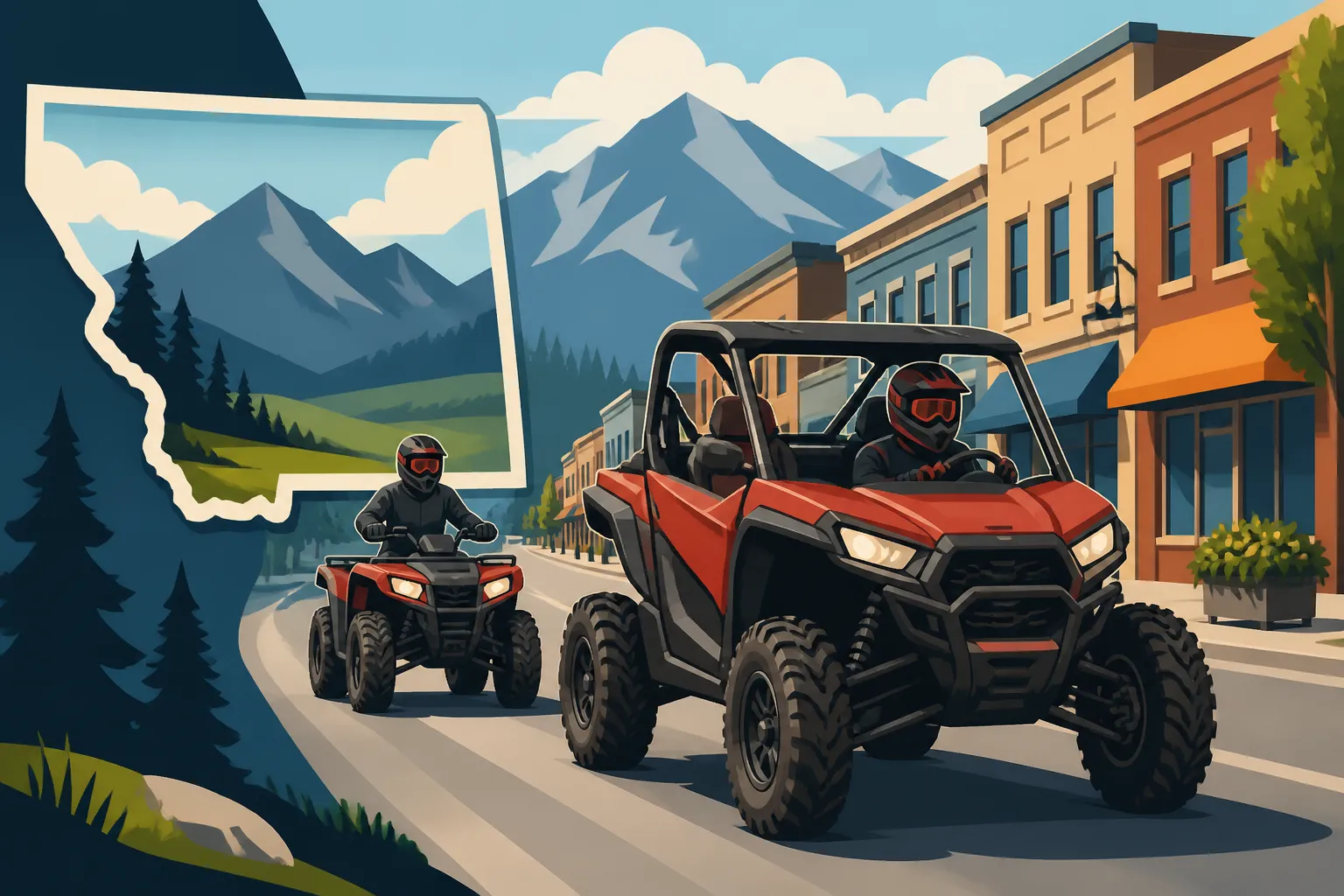
While research is crucial, there are certain characteristics that often hint at a town being more receptive to OHVs on its streets. Generally, you'll find that smaller, more recreation-focused towns, particularly those that are gateways to popular trail systems, are more likely to have adopted ordinances allowing some form of OHV access. Their local economies often benefit significantly from outdoor tourism, and making it easier for riders to access amenities like gas, food, and lodging directly from the trails makes good business sense.
For example, a small mountain town that's a hub for trail riding might allow OHVs on designated streets to connect riders from their lodging to trailheads, or from the trails to local businesses for lunch. These towns often see OHVs as part of their identity and economic engine, rather than just a nuisance. Larger cities, with more traffic, complex infrastructure, and different economic drivers, are far less likely to permit OHVs on their main thoroughfares. Their concerns about traffic flow, safety, and noise pollution usually outweigh any perceived benefits. So, while it's fantastic to dream of cruising your side-by-side through downtown Missoula, it's generally an unrealistic expectation. Stick to the smaller, more rural communities that embrace the outdoor lifestyle you love.
Examples of Towns (and Areas) Known for OHV Access
While the "patchwork quilt" analogy holds true, there are certain areas and towns in Montana that have a reputation for being more welcoming to OHVs on their streets. These places often serve as hubs for outdoor recreation and have proactively created ordinances to accommodate riders, understanding the economic benefits that come with it. However, even in these known areas, it's crucial to understand the specific rules and designated routes.
West Yellowstone and the Surrounding Area
Perhaps the most famous example of an OHV-friendly town in Montana is West Yellowstone. Nestled right at the doorstep of Yellowstone National Park, it's a major hub for both summer and winter motorized recreation. The town actively embraces OHVs (and snowmobiles in winter) as a core part of its identity and economy. Here, it's common to see side-by-sides, ATVs, and even snowmobiles (when allowed by season) driving on town streets.
West Yellowstone's unique position means it acts as a primary gateway to extensive trail systems both within the national forest and surrounding areas. The town has developed clear ordinances to allow OHV travel on most of its streets, specifically to connect visitors from their hotels and rental cabins to gas stations, restaurants, shops, and, crucially, the trailheads themselves. This makes it incredibly convenient for riders, allowing them to experience the town's amenities without having to constantly load and unload their machines. You can literally ride out of your lodging, grab breakfast, fuel up, and be on the trail in minutes. However, even in West Yellowstone, there are still rules: designated speed limits are strictly enforced, and riders are expected to be courteous and obey all traffic laws. [Riding an OHV Into West Yellowstone] is a prime example of how a community can successfully integrate OHV traffic.
Red Lodge and South-Central Montana Towns
Another area known for its OHV accessibility is the region around Red Lodge, particularly as a gateway to the spectacular Beartooth Mountains. While perhaps not as universally open as West Yellowstone, many towns in this south-central part of Montana are increasingly recognizing the value of OHV tourism. Red Lodge itself, a charming mining town turned outdoor recreation hub, often provides more permissive rules for OHV access on certain town streets, especially to facilitate movement between lodging, services, and the surrounding Custer Gallatin National Forest trails.
You might find specific routes designated for OHV use that allow you to ride from your campsite or rental cabin to a local restaurant or a small grocery store. These ordinances are usually designed to support the local visitor economy. Places like Red Lodge Powersports UTV Rentals cater directly to this demand, offering machines and local knowledge to visitors. The key here, as always, is to check with the local city hall or visitor center for the most current and specific information. Don't assume; verify the approved streets and any time-of-day restrictions. Even within these friendly towns, main highways (like US-212 through Red Lodge) may have different rules or stricter limitations than side streets.
Other Trail-Adjacent Communities (General Examples)
Beyond these prominent examples, many other smaller, often more remote, communities across Montana have also adopted OHV-friendly ordinances. These are typically towns that are either directly adjacent to vast public land trail systems (National Forests, BLM lands) or serve as a base camp for hunters, fishermen, and recreational riders. Think of places like Lincoln, Seeley Lake, Darby, or Philipsburg. These communities thrive on outdoor recreation, and allowing OHV access on some of their streets is a way to embrace and support that economic engine.
In such towns, you might find that you can ride your UTV from a campground into town for supplies, or connect from one section of a trail system to another via a short stretch of town road. The goal is often to provide convenient access to local businesses, allowing riders to grab a coffee, pick up some groceries, or fuel up their machines. [Fueling an OHV in a Montana Trail Town] is a common need that these towns try to accommodate.
However, it bears repeating: these are general examples, not guarantees. Each town has its own unique ordinance, and what's permitted in one might be illegal in another, even if they share similar characteristics. Always take the time to inquire locally. A quick stop at the chamber of commerce, a local gas station, or the county sheriff's office can provide invaluable, up-to-date information that can save you from a misunderstanding or a ticket.
Navigating OHV-Permitted Town Streets Responsibly
Being allowed to ride your OHV on a town street is a privilege, not an inherent right. It's a privilege that has often been hard-won by local advocates and elected officials who understand the value of OHV recreation. To ensure these permissions continue and perhaps even expand, every rider has a responsibility to operate their machine courteously, safely, and in strict adherence to all rules. The way we conduct ourselves on those paved roads directly impacts public perception and future access.
Adhering to Posted Rules and Etiquette
When you're riding your OHV on a street where it's permitted, you are no longer just a recreational rider; you're a motorist sharing the road with cars, trucks, bicycles, and pedestrians. This means:
- Obey All Traffic Laws: Speed limits, stop signs, traffic lights, and yield signs apply just as they would to any car. Do not assume that because you're on a "toy" vehicle, these rules are suggestions. Speeding or running a stop sign in an OHV is just as illegal and dangerous as doing it in a car, and it quickly creates a negative image for the entire riding community.
- Be Mindful of Noise: OHVs can be louder than passenger cars, especially with aftermarket exhausts. In residential areas or quiet downtown districts, excessive noise can quickly generate complaints from residents and businesses. Keep your RPMs down, accelerate gently, and choose appropriate times of day. This is where [Montana Noise Rules in Small Towns] become particularly relevant, as local ordinances may have specific decibel limits or time restrictions.
- Yield and Be Courteous: Always yield to pedestrians and bicycles, and be considerate of other motorists. Wave to people, slow down when passing horses or people walking dogs, and generally be a good ambassador for the sport. A friendly demeanor goes a long way in fostering positive relationships within the community.
- Stay on Designated Routes: If a town ordinance specifies particular streets or routes for OHV travel, stick to them. Veering off onto closed streets is a quick way to lose the trust that led to the access in the first place.
Your responsible actions can help ensure that communities continue to welcome OHVs and possibly expand access. Your reckless actions, however, can swiftly lead to restrictions, fines, and even the revocation of existing privileges.
What to Carry and What to Expect
Even in towns where OHVs are welcome on the streets, law enforcement will still be diligent in checking for compliance. It's not personal; it's about public safety and upholding local ordinances. Therefore, you should always be prepared to provide documentation and ensure your machine is fully compliant.
- Required Documents: Always carry your valid driver's license, your OHV's registration, and proof of liability insurance. If you are a younger rider operating under specific age rules, your OHV safety education certificate is also a must. [Do You Carry Paperwork on a Montana Trail?] It’s a pain to dig these out, but it’s far better than a ticket or a lengthy roadside delay.
- Machine Compliance: Double-check that all your required equipment is in working order: headlights, taillights, brake lights, horn, mirrors, and a spark arrester. Make sure your tires are in good condition and your machine isn't leaking fluids.
- Expect Vigilance: Don't be surprised if a local sheriff's deputy or police officer pulls you over just to check your paperwork and ensure you're in compliance. They're often on the lookout for out-of-state riders who might not be aware of local rules, or for individuals operating unsafely. A friendly and cooperative attitude will always serve you best.
To help you remember what you need, here's a handy table of required documents and items:
| Document/Item | Purpose | Why You Need It |
|---|---|---|
| Driver's License | Proof of legal driving privilege | Required for any motorized vehicle on public roads |
| OHV Registration | Proof machine is legally registered in Montana | State law requires it for public land/road use |
| Proof of Insurance | Demonstrates financial responsibility for liability | Often required for road access, even if not state-wide mandatory for OHVs |
| Safety Certificate | For riders 12-15, shows completion of safety course | Required for young riders on public roads |
| Headlights & Taillights | Visibility for other vehicles, especially at dusk/dawn | State law for road use, critical for safety |
| Mirrors | Rear visibility for safe lane changes and awareness | State law for road use |
| Horn | Alerting others to your presence | State law for road use |
| Spark Arrester | Prevents wildfires | Required for riding on public lands, including roads |
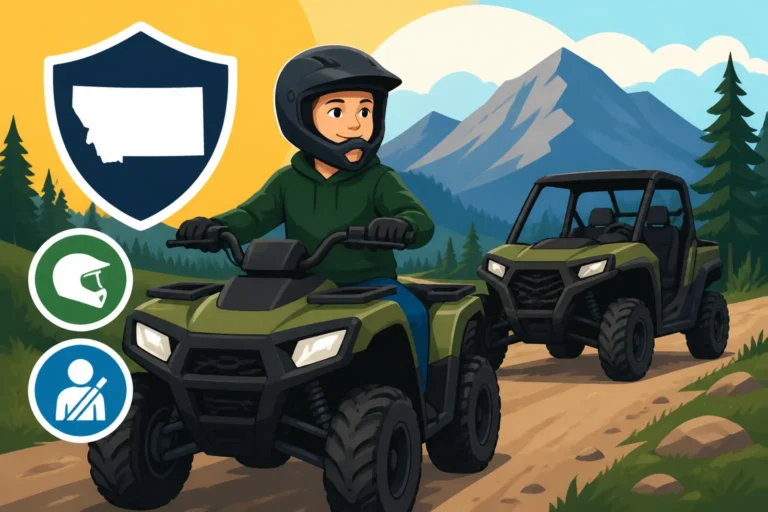
| DOT Helmet | Safety protection for riders under 18 (and recommended for all) | State law for specific age groups, good practice for all |
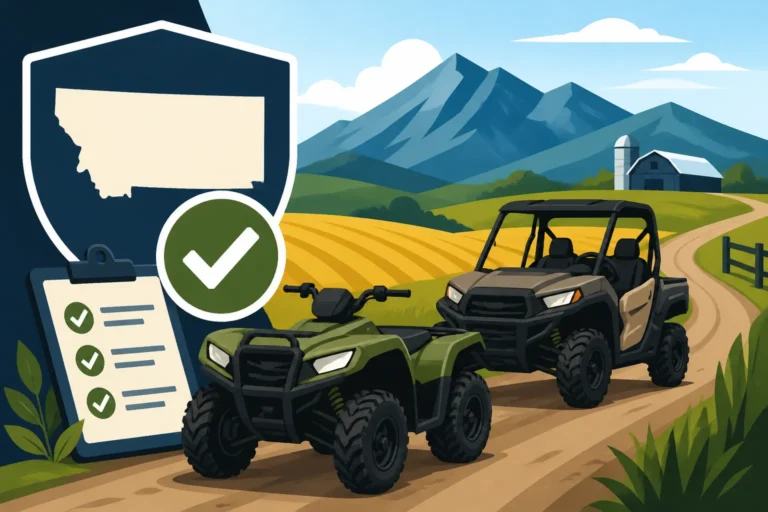
This table summarizes [What Montana Requires on an OHV Road Ride] and should be your quick reference before heading out.
Advocating for More OHV-Friendly Access
The current landscape of OHV road access in Montana, while slowly improving in some areas, is still far from universal. If you want to see more towns open their streets to OHVs, or if you want to help maintain the access that already exists, active advocacy and responsible riding are your most powerful tools. This isn't just about complaining; it's about engaging constructively and demonstrating the positive impact of our sport.
Engaging with Local Government
The decisions about OHV access on town streets are made at the local level by elected officials – your city council members, town aldermen, or county commissioners. If you want to see change, you need to engage with them.
- Attend Meetings: Make an effort to attend city council or county commissioner meetings when OHV access or local recreation is on the agenda. Hearing from constituents directly, especially those who can speak articulately and respectfully, makes a big difference. Often, these meetings are sparsely attended, so your presence will be noticed.
- Form or Join Clubs: There's strength in numbers. Local OHV clubs are often the driving force behind advocating for new trail development, maintaining existing routes, and working with local governments. Joining an established club, or even starting one if there isn't one in your area, provides a collective voice that is far more impactful than individual complaints. [Montana OHV Clubs and Trail Adoption] are vital organizations for this kind of work.
- Highlight Economic Benefits: When you talk to local officials, emphasize the economic benefits that OHV tourism brings to small towns. Riders spend money on gas, food, lodging, repairs, and local shops. Presenting data (even anecdotal evidence from your own spending) can demonstrate that welcoming OHVs isn't just about recreation; it's about supporting local businesses and creating jobs. Many small Montana towns rely heavily on tourism dollars, and OHV riders are a significant part of that equation. Explain how a more cohesive network of OHV-friendly roads allows riders to patronize more businesses.
It might feel daunting to approach local government, but remember, these are your neighbors and community leaders. They are there to represent the interests of their constituents, and by presenting a well-reasoned argument, you can influence their decisions. [Asking County Commissioners to Open a Road] is a process, but it starts with engagement.
Being a Responsible Rider
Ultimately, the best advocacy isn't just what you say in a meeting; it's how you ride. Every time you operate your OHV on a town street, you are effectively auditioning for continued or expanded access.
- Lead by Example: Ride courteously, quietly, and within all posted limits. Be patient with other traffic and pedestrians. Show the community that OHV riders are responsible and respectful members of the public. If a town sees riders constantly speeding, making excessive noise, or damaging property, they are far more likely to revoke existing access than to grant new permissions.
- Protect the Environment: Stay on designated routes, avoid creating ruts or mud bogs, and never litter. OHVs already face an uphill battle against perceptions of environmental damage. Demonstrate that you are an environmental steward, not a destroyer. Many OHV clubs organize clean-up days and trail maintenance events – participate in these to show your commitment.
- Educate Others: If you see another rider acting irresponsibly, a polite word from a fellow enthusiast can sometimes be more effective than a warning from law enforcement. Share your knowledge about local ordinances and responsible riding practices with friends and family.
The future of OHV access in Montana towns depends heavily on the collective actions of the riding community. By combining proactive engagement with local government and consistently demonstrating responsible riding, we can help ensure that our passion continues to be welcomed and integrated into the vibrant fabric of Montana's outdoor lifestyle.
Disclaimer
This article is for general informational purposes only and does not constitute professional advice. Laws, prices and regulations vary by location and change over time. Consult a qualified professional for guidance on your specific situation.